For model train enthusiasts, having the right equipment is essential to creating an immersive and realistic experience. At the heart of every digital model train setup is a reliable controller that allows users to manage their trains with precision and ease. With so many options available on the market, selecting the perfect controller can be a daunting task, especially for those new to the hobby. Whether you’re looking to upgrade your existing setup or starting from scratch, finding the right controller is crucial to unlocking the full potential of your model train system.
In this article, we’ll delve into the world of digital command control systems, exploring the features and benefits of the best dcc controllers that can elevate your model train experience to new heights. From beginner-friendly options to advanced systems with complex features, we’ll provide an in-depth look at the top controllers on the market, helping you make an informed decision when it comes to choosing the perfect one for your needs. With our expert reviews and buying guide, you’ll be well on your way to creating a model train setup that’s tailored to your unique preferences and requirements, allowing you to enjoy hours of entertainment and creativity.
We will cover the best dcc controllers later in this article. Meanwhile, feel free to check out these related products on Amazon:



As an Amazon Associate I earn from qualifying purchases.
Prices and availability are accurate as of November 29, 2026 20:46 and are subject to change.
Introduction to DCC Controllers
DCC, or Digital Command Control, is a standard for controlling model trains. It allows for multiple trains to be controlled independently on the same track, making it a popular choice among model train enthusiasts. DCC controllers are the devices used to send commands to the trains, and they come in a variety of styles and complexity levels.
The basic function of a DCC controller is to send digital commands to the decoder installed in the train. These commands can include things like speed, direction, and lighting. The controller can be as simple as a handheld device or as complex as a computer-based system. Some DCC controllers also include additional features, such as the ability to control accessories like signals and switches.
When shopping for a DCC controller, there are several factors to consider. The first is the number of trains that need to be controlled. Some controllers can only handle a few trains, while others can control many. Another factor is the level of complexity desired. Some controllers have many advanced features, while others are more straightforward. Finding the best dcc controllers for a particular setup can take some research and comparison.
In general, DCC controllers offer a high level of flexibility and control, making them a great choice for model train enthusiasts. They can be used to create complex and realistic layouts, and they can be expanded and upgraded as needed. Whether you are just starting out with model trains or are an experienced enthusiast, a DCC controller can be a valuable addition to your setup.
The Best Dcc Controllers
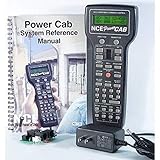
NCE PowerCab 53100-00
The NCE PowerCab 53100-00 is a highly-regarded DCC controller that offers excellent performance and reliability. It features a user-friendly interface, making it easy to navigate and control your model trains. With its robust construction and durable design, this controller can withstand the demands of frequent use. The PowerCab also comes with a range of advanced features, including programmable decoders, speed matching, and more.
One of the standout features of the NCE PowerCab 53100-00 is its ability to support up to 9999 addresses, making it ideal for large and complex model train layouts. Additionally, it has a built-in throttle and can be easily expanded with additional throttles and accessories. The PowerCab also supports a range of DCC protocols, including NMRA and Lenz, ensuring compatibility with a wide range of model trains and accessories. Overall, the NCE PowerCab 53100-00 is an excellent choice for model train enthusiasts who demand high-quality performance and advanced features.
MRC Prodigy Advance2 0001410
The MRC Prodigy Advance2 0001410 is a powerful and feature-rich DCC controller that offers exceptional performance and value. It features a large, backlit display and a user-friendly interface, making it easy to navigate and control your model trains. With its advanced decoder programming capabilities and support for up to 9999 addresses, this controller is ideal for large and complex model train layouts. The Prodigy Advance2 also comes with a range of advanced features, including speed matching, momentum, and more.
One of the standout features of the MRC Prodigy Advance2 0001410 is its ability to support up to 29 functions, making it ideal for model trains with complex lighting and sound systems. Additionally, it has a built-in USB interface, allowing for easy connection to a computer and software updates. The Prodigy Advance2 also supports a range of DCC protocols, including NMRA and Lenz, ensuring compatibility with a wide range of model trains and accessories. Overall, the MRC Prodigy Advance2 0001410 is an excellent choice for model train enthusiasts who demand high-quality performance and advanced features.
Bachmann E-Z Command 44214
The Bachmann E-Z Command 44214 is a highly-regarded DCC controller that offers excellent performance and value. It features a user-friendly interface, making it easy to navigate and control your model trains. With its robust construction and durable design, this controller can withstand the demands of frequent use. The E-Z Command also comes with a range of advanced features, including programmable decoders, speed matching, and more.
One of the standout features of the Bachmann E-Z Command 44214 is its ability to support up to 10 locomotives, making it ideal for smaller to medium-sized model train layouts. Additionally, it has a built-in throttle and can be easily expanded with additional throttles and accessories. The E-Z Command also supports a range of DCC protocols, including NMRA and Lenz, ensuring compatibility with a wide range of model trains and accessories. Overall, the Bachmann E-Z Command 44214 is an excellent choice for model train enthusiasts who demand high-quality performance and ease of use.
Digitrax Zephyr Xtra 240-022
The Digitrax Zephyr Xtra 240-022 is a powerful and feature-rich DCC controller that offers exceptional performance and value. It features a large, backlit display and a user-friendly interface, making it easy to navigate and control your model trains. With its advanced decoder programming capabilities and support for up to 9999 addresses, this controller is ideal for large and complex model train layouts. The Zephyr Xtra also comes with a range of advanced features, including speed matching, momentum, and more.
One of the standout features of the Digitrax Zephyr Xtra 240-022 is its ability to support up to 29 functions, making it ideal for model trains with complex lighting and sound systems. Additionally, it has a built-in USB interface, allowing for easy connection to a computer and software updates. The Zephyr Xtra also supports a range of DCC protocols, including NMRA and Lenz, ensuring compatibility with a wide range of model trains and accessories. Overall, the Digitrax Zephyr Xtra 240-022 is an excellent choice for model train enthusiasts who demand high-quality performance and advanced features.
Lenz Set 100 50110
The Lenz Set 100 50110 is a highly-regarded DCC controller that offers excellent performance and reliability. It features a user-friendly interface, making it easy to navigate and control your model trains. With its robust construction and durable design, this controller can withstand the demands of frequent use. The Set 100 also comes with a range of advanced features, including programmable decoders, speed matching, and more.
One of the standout features of the Lenz Set 100 50110 is its ability to support up to 9999 addresses, making it ideal for large and complex model train layouts. Additionally, it has a built-in throttle and can be easily expanded with additional throttles and accessories. The Set 100 also supports a range of DCC protocols, including NMRA and Lenz, ensuring compatibility with a wide range of model trains and accessories. Overall, the Lenz Set 100 50110 is an excellent choice for model train enthusiasts who demand high-quality performance and advanced features.
Why Do People Need to Buy DCC Controllers
The need for DCC controllers arises from the complexity and versatility of modern model railroads. As model train enthusiasts strive to create more realistic and engaging layouts, they require a system that can manage multiple trains, accessories, and scenery elements. DCC, or Digital Command Control, is a standard that allows for the digital control of model trains, enabling users to operate multiple trains independently on the same track. This level of control and flexibility is only possible with a DCC controller, making it an essential component of any modern model railroad.
One of the primary reasons people need to buy DCC controllers is to gain more control over their model trains. With a DCC controller, users can adjust the speed, direction, and lighting of their trains with precision, creating a more immersive and realistic experience. Additionally, DCC controllers often come with advanced features such as programmable decoders, speed matching, and brake control, which allow users to fine-tune their trains’ performance. This level of control is especially important for model train enthusiasts who want to create complex and realistic scenarios, such as freight yards or passenger stations.
When shopping for a DCC controller, it’s essential to consider the specific needs of your model railroad. Different controllers offer varying levels of functionality, compatibility, and ease of use. Some controllers are designed for simple, entry-level layouts, while others are geared towards more complex and advanced setups. To find the best dcc controllers for your needs, it’s crucial to research and compare different models, reading reviews and talking to other model train enthusiasts to get a sense of which controllers are the most reliable and user-friendly.
In conclusion, DCC controllers are a necessary component of modern model railroads, offering a level of control and flexibility that is essential for creating realistic and engaging layouts. By investing in a high-quality DCC controller, model train enthusiasts can unlock the full potential of their trains and accessories, creating a more immersive and enjoyable experience. Whether you’re a seasoned model train enthusiast or just starting out, a DCC controller is an essential tool that will help you take your hobby to the next level.
Types of DCC Controllers
DCC controllers come in various types, each with its unique features and benefits. The most common types include handheld controllers, wireless controllers, and computer-controlled systems. Handheld controllers are the most basic type and are ideal for small layouts. They offer simple and easy-to-use controls, making them perfect for beginners. Wireless controllers, on the other hand, offer more flexibility and convenience, allowing users to control their trains from anywhere in the room.
One of the main advantages of wireless controllers is that they eliminate the need for wires, making it easier to move around the layout. They also offer more precise control, allowing users to make fine adjustments to the speed and direction of their trains. Computer-controlled systems, however, offer the most advanced features and are ideal for large and complex layouts. They allow users to control multiple trains, set up automated routes, and even create custom scenarios.
When choosing a DCC controller, it’s essential to consider the type of layout you have and the level of complexity you need. If you have a small layout, a handheld controller may be sufficient. However, if you have a large and complex layout, a computer-controlled system may be more suitable. It’s also important to consider the number of trains you have and the level of control you need.
In addition to the type of controller, it’s also important to consider the brand and quality of the controller. Some brands are known for their high-quality controllers, while others may offer more affordable options. It’s essential to research and compare different controllers before making a purchase. By considering the type, brand, and quality of the controller, you can find the perfect DCC controller for your needs.
Features to Look for in a DCC Controller
When shopping for a DCC controller, there are several features to look for. One of the most important features is the number of locomotives it can control. If you have multiple trains, you’ll want a controller that can handle them all. Another important feature is the level of precision control it offers. Look for a controller that allows you to make fine adjustments to the speed and direction of your trains.
Another feature to consider is the type of feedback it provides. Some controllers offer real-time feedback, allowing you to monitor the speed and direction of your trains. Others may offer more basic feedback, such as a simple speed indicator. It’s also important to consider the level of automation it offers. Some controllers allow you to set up automated routes and schedules, while others may require more manual control.
In addition to these features, it’s also important to consider the user interface. Look for a controller with an intuitive and easy-to-use interface. A controller with a complex or confusing interface can be frustrating to use, especially for beginners. It’s also important to consider the level of customization it offers. Some controllers allow you to customize the controls and settings to your preferences, while others may have more limited options.
When evaluating the features of a DCC controller, it’s essential to consider your specific needs and preferences. If you have multiple trains, you’ll want a controller that can handle them all. If you want more precise control, look for a controller with fine adjustments. By considering the features and your specific needs, you can find the perfect DCC controller for your layout.
Benefits of Using a DCC Controller
Using a DCC controller offers several benefits, including more precise control, increased flexibility, and enhanced realism. With a DCC controller, you can make fine adjustments to the speed and direction of your trains, allowing for more realistic operation. You can also control multiple trains, making it easier to create complex and realistic scenarios.
Another benefit of using a DCC controller is increased flexibility. With a DCC controller, you can control your trains from anywhere in the room, making it easier to move around the layout. You can also set up automated routes and schedules, allowing you to create complex and realistic scenarios. Additionally, DCC controllers offer more realistic sound and lighting effects, enhancing the overall realism of your layout.
In addition to these benefits, DCC controllers also offer more convenience and ease of use. With a DCC controller, you can control your trains with ease, making it easier to focus on the fun and creative aspects of model railroading. You can also customize the controls and settings to your preferences, making it easier to use the controller. Overall, using a DCC controller can enhance your model railroading experience, making it more enjoyable and realistic.
When using a DCC controller, it’s essential to follow the manufacturer’s instructions and guidelines. This will ensure that you get the most out of your controller and avoid any potential issues or problems. It’s also important to practice and experiment with different controls and settings, allowing you to get a feel for how the controller works. By following these tips and using a DCC controller, you can take your model railroading experience to the next level.
Troubleshooting Common Issues with DCC Controllers
Despite their many benefits, DCC controllers can sometimes experience issues or problems. One of the most common issues is interference or noise, which can affect the performance of the controller. To troubleshoot this issue, try moving the controller to a different location or using a noise filter. You can also try adjusting the settings or controls to see if it resolves the issue.
Another common issue is connectivity problems, which can prevent the controller from communicating with the trains. To troubleshoot this issue, try checking the connections and cables to ensure they are secure and not damaged. You can also try resetting the controller or restarting the system. If the issue persists, it may be necessary to consult the manufacturer’s instructions or contact their support team.
In addition to these issues, DCC controllers can also experience problems with the user interface or controls. If the interface is confusing or difficult to use, try consulting the manufacturer’s instructions or online tutorials. You can also try practicing and experimenting with different controls and settings to get a feel for how the controller works. By troubleshooting common issues and following the manufacturer’s guidelines, you can ensure that your DCC controller works smoothly and efficiently.
When troubleshooting issues with a DCC controller, it’s essential to be patient and methodical. Try to identify the source of the problem and take a step-by-step approach to resolving it. It’s also important to consult the manufacturer’s instructions and guidelines, as well as online resources and forums. By following these tips and being proactive, you can resolve common issues and get the most out of your DCC controller.
Ultimate Buying Guide for Model Train Enthusiasts: Choosing the Right DCC System
When it comes to model train systems, having the right DCC controller can make all the difference in the overall experience. With so many options available in the market, it can be overwhelming to choose the right one. In this guide, we will discuss the key factors to consider when buying a DCC controller, helping you make an informed decision and find the best dcc controllers for your needs.
Power Output and Capacity
The power output and capacity of a DCC controller are crucial factors to consider, as they determine the number of trains and accessories that can be powered at the same time. A higher power output and capacity mean that more trains and accessories can be connected to the system, making it ideal for larger layouts. On the other hand, a lower power output and capacity are suitable for smaller layouts with fewer trains and accessories. It is essential to consider the size of your layout and the number of trains and accessories you plan to connect to determine the required power output and capacity.
When choosing a DCC controller, consider the maximum power output and capacity it can handle. Look for a controller that can handle the required power output and capacity for your layout, and also consider the power requirements of your trains and accessories. Some DCC controllers come with adjustable power output, which can be beneficial if you plan to add more trains and accessories to your layout in the future. Additionally, consider the type of power supply required by the controller, as some may require a separate power supply unit.
Number of Locomotives and Accessories
The number of locomotives and accessories that can be controlled by a DCC controller is another critical factor to consider. If you have a large collection of trains and accessories, you will need a controller that can handle multiple locomotives and accessories at the same time. Look for a controller that can handle the required number of locomotives and accessories, and also consider the type of accessories you plan to connect, such as turnouts, signals, and lighting systems.
When choosing a DCC controller, consider the number of locomotive addresses it can handle, as well as the number of accessory addresses. Some controllers can handle a large number of locomotive and accessory addresses, making them ideal for complex layouts. Additionally, consider the type of control system used by the controller, such as a simple on/off system or a more complex system with speed and direction control. Some controllers also come with advanced features, such as automatic reversing and speed matching, which can enhance the overall experience.
Control System and Interface
The control system and interface of a DCC controller are essential factors to consider, as they determine how easy or difficult it is to control your trains and accessories. A user-friendly interface with a simple and intuitive control system can make it easier to control your trains and accessories, while a complex interface can be overwhelming. Look for a controller with a control system that is easy to use and understand, and also consider the type of interface, such as a touchscreen or a traditional button-based interface.
When choosing a DCC controller, consider the type of control system used, such as a simple speed and direction control or a more complex system with advanced features like speed profiles and braking systems. Some controllers come with a wireless interface, which can be beneficial if you want to control your trains and accessories from a distance. Additionally, consider the compatibility of the controller with other DCC systems and accessories, as some may require specific interfaces or adapters. A controller with a user-friendly interface and a simple control system can make it easier to enjoy your model train system.
Compatibility and Interoperability
The compatibility and interoperability of a DCC controller with other DCC systems and accessories are critical factors to consider. If you already have a DCC system or accessories, you will need a controller that is compatible with them. Look for a controller that is compatible with the NMRA DCC standard, which ensures interoperability with other DCC systems and accessories. Additionally, consider the compatibility of the controller with specific brands or models of trains and accessories.
When choosing a DCC controller, consider the type of compatibility it offers, such as compatibility with specific brands or models of trains and accessories. Some controllers come with adapters or interfaces that can enhance compatibility with other systems and accessories. Additionally, consider the compatibility of the controller with computer-based control systems, which can offer advanced features like automation and simulation. A controller that is compatible with other DCC systems and accessories can make it easier to expand your model train system and add new features.
Price and Value
The price and value of a DCC controller are essential factors to consider, as they determine whether the controller is worth the investment. A higher-priced controller may offer advanced features and better performance, but it may not be worth the investment if you are on a budget. Look for a controller that offers the best value for the price, considering the features, performance, and compatibility it offers. Additionally, consider the warranty and support offered by the manufacturer, as a good warranty and support can enhance the overall value of the controller.
When choosing a DCC controller, consider the price range and the features it offers. Some controllers may offer advanced features like automatic reversing and speed matching, while others may offer basic features like speed and direction control. Additionally, consider the brand reputation and the quality of the controller, as a well-known brand may offer better quality and performance. A controller that offers the best value for the price can make it easier to enjoy your model train system without breaking the bank.
Brand Reputation and Support
The brand reputation and support of a DCC controller are critical factors to consider, as they determine the quality and reliability of the controller. A well-known brand with a good reputation may offer better quality and performance, while a lesser-known brand may offer lower quality and reliability. Look for a controller from a brand that is known for its quality and performance, and also consider the support offered by the manufacturer, such as documentation, tutorials, and customer support.
When choosing a DCC controller, consider the brand reputation and the quality of the controller. Some brands may offer better quality and performance, while others may offer lower quality and reliability. Additionally, consider the support offered by the manufacturer, such as online documentation, tutorials, and customer support. A controller from a well-known brand with good support can make it easier to enjoy your model train system and troubleshoot any issues that may arise. A good brand reputation and support can also enhance the overall value of the controller and make it a worthwhile investment.
FAQ
What is a DCC controller and how does it work?
A DCC controller is a device used to control and operate model trains and other accessories on a Digital Command Control (DCC) layout. It works by sending digital commands to the trains and accessories, allowing for precise control and operation. The controller sends a digital signal through the tracks, which is then received by the decoder installed in the train or accessory. The decoder then interprets the signal and performs the desired action, such as moving the train or turning on a light.
The DCC controller is typically connected to a power supply and the track, and it can be programmed to perform various functions, such as setting the speed and direction of the train, controlling the lights and sounds, and even simulating real-world railroad operations. The controller can also be used to control multiple trains and accessories at the same time, making it a powerful tool for model railroaders. With a DCC controller, model railroaders can create complex and realistic layouts, with multiple trains and accessories operating independently and in coordination with each other.
What are the benefits of using a DCC controller?
The benefits of using a DCC controller are numerous. One of the main advantages is the ability to control multiple trains and accessories independently, allowing for more complex and realistic layouts. DCC controllers also provide precise control over the speed and direction of the trains, making it easier to operate the layout and create realistic scenarios. Additionally, DCC controllers can be programmed to simulate real-world railroad operations, such as freight and passenger operations, making the layout more engaging and realistic.
Another benefit of using a DCC controller is the ability to control a wide range of accessories, such as lights, sounds, and animations. This allows model railroaders to create a more immersive and engaging experience, with a wide range of visual and auditory effects. DCC controllers also provide a high level of flexibility and customization, allowing model railroaders to create unique and personalized layouts. With a DCC controller, model railroaders can create a layout that is tailored to their specific needs and interests, making the hobby more enjoyable and rewarding.
What types of DCC controllers are available?
There are several types of DCC controllers available, each with its own unique features and capabilities. Some of the most common types of DCC controllers include handheld controllers, desktop controllers, and computer-based controllers. Handheld controllers are small, portable devices that can be used to control the layout from anywhere in the room. Desktop controllers are larger, more complex devices that provide a wide range of features and functions, such as programming and customization options.
Computer-based controllers are software-based systems that use a computer to control the layout. These systems provide a high level of flexibility and customization, allowing model railroaders to create complex and realistic layouts. Some DCC controllers also come with additional features, such as Wi-Fi connectivity, Bluetooth connectivity, and smartphone app control. These features allow model railroaders to control the layout remotely, using a smartphone or tablet. With so many types of DCC controllers available, model railroaders can choose the one that best fits their needs and budget.
What features should I look for in a DCC controller?
When shopping for a DCC controller, there are several features to look for. One of the most important features is the number of locomotives that the controller can handle. Some controllers can handle only a few locomotives, while others can handle dozens. Another important feature is the type of decoder that the controller is compatible with. Some controllers are compatible with a wide range of decoders, while others are limited to specific types.
Other features to look for include the type of power supply, the level of programming and customization options, and the type of connectivity options. Some controllers come with a built-in power supply, while others require a separate power supply. The level of programming and customization options can also vary, with some controllers providing a wide range of options and others providing only basic functions. Connectivity options, such as Wi-Fi and Bluetooth, can also be important, especially for model railroaders who want to control the layout remotely.
How do I choose the right DCC controller for my layout?
Choosing the right DCC controller for your layout can be a complex and daunting task. One of the most important things to consider is the size and complexity of your layout. If you have a small, simple layout, a basic handheld controller may be sufficient. However, if you have a large, complex layout with multiple trains and accessories, you may need a more advanced controller with a wide range of features and functions.
Another important thing to consider is your budget. DCC controllers can range in price from under $100 to over $1,000, depending on the features and capabilities. It’s also important to consider the type of decoder that you are using, as well as the level of programming and customization options that you need. By considering these factors and doing some research, you can choose the right DCC controller for your layout and create a more enjoyable and engaging model railroading experience.
Can I use a DCC controller with an analog layout?
Yes, it is possible to use a DCC controller with an analog layout, but it requires some additional equipment and setup. One way to do this is to use a DCC converter, which converts the analog signal to a digital signal that can be read by the DCC controller. Another way is to use a hybrid layout, which combines both analog and digital components. In this case, the DCC controller can be used to control the digital components, while the analog components are controlled separately.
Using a DCC controller with an analog layout can provide a number of benefits, including increased flexibility and control. However, it can also be more complex and require more setup and configuration. It’s also important to note that not all DCC controllers are compatible with analog layouts, so it’s essential to check the specifications and compatibility before making a purchase. By using a DCC controller with an analog layout, model railroaders can create a more complex and realistic layout, with a wide range of control and customization options.
How do I troubleshoot common issues with my DCC controller?
Troubleshooting common issues with a DCC controller can be a challenging and frustrating task. One of the most common issues is a loss of signal or communication between the controller and the decoder. This can be caused by a variety of factors, including a faulty connection, a malfunctioning decoder, or interference from other devices. To troubleshoot this issue, it’s essential to check the connections and ensure that they are secure and clean.
Another common issue is a problem with the programming or configuration of the controller. This can be caused by a mistake in the programming or a conflict with other devices on the layout. To troubleshoot this issue, it’s essential to consult the user manual and follow the troubleshooting guide. It’s also important to check the firmware and software versions, and update them if necessary. By following these steps and using some patience and persistence, model railroaders can troubleshoot common issues with their DCC controller and get their layout up and running smoothly.
Final Thoughts
In the world of model railroading, having the right equipment can make all the difference in creating an immersive and realistic experience. A well-designed control system is essential for smoothly operating trains, accessories, and other components of a model railroad layout. With so many options available in the market, it can be overwhelming to choose the perfect controller that meets your specific needs and preferences. However, by considering key factors such as ease of use, functionality, and compatibility, you can narrow down your search and find the ideal controller for your model railroad.
By investing in one of the best dcc controllers, you can take your model railroading experience to the next level. These advanced controllers offer a range of features and benefits, including precise speed control, easy programming, and seamless integration with other components. Whether you’re a seasoned model railroader or just starting out, a high-quality dcc controller can help you create a more engaging and realistic layout. With the right controller, you can focus on enjoying your hobby and creating memorable experiences, rather than struggling with complex and cumbersome control systems. By choosing the best dcc controllers, you can unlock the full potential of your model railroad and enjoy hours of entertainment and creativity.