When venturing into the great outdoors, having access to clean drinking water is essential for a safe and enjoyable backpacking experience. The risk of contracting waterborne illnesses from untreated water sources is high, making a reliable water filtration system a crucial piece of gear for any backpacker. With so many options available on the market, it can be overwhelming to choose the right one, especially when considering the weight and bulk of traditional water filters. However, with the advancement of technology, backpackers can now opt for compact and efficient solutions that make staying hydrated on the go a breeze.
For backpackers looking to upgrade their hydration game, investing in the best rated lightweight water filters for backpacking can be a game-changer. These innovative systems are designed to be compact, easy to use, and effective against a wide range of waterborne contaminants, providing peace of mind and protection from waterborne illnesses. Whether you’re a seasoned backpacker or just starting out, selecting the right water filter can be a daunting task, especially with the numerous options available. In this article, we’ll delve into the world of lightweight water filters, exploring the key features, benefits, and top recommendations to help you make an informed decision and stay safe on your next adventure.
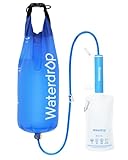
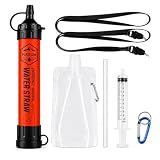
We will cover the best rated lightweight water filters for backpacking later in this article. Meanwhile, feel free to check out these related products on Amazon:


As an Amazon Associate I earn from qualifying purchases.
Prices and availability are accurate as of November 29, 2026 11:16 and are subject to change.
Introduction to Water Filtration for Backpacking
When it comes to backpacking, having access to clean drinking water is essential for staying hydrated and healthy. However, finding a reliable source of clean water can be challenging, especially in remote areas. This is where water filters come in, providing a convenient and effective way to purify water from various sources.
In recent years, there has been a significant increase in the development of portable water filters, making it easier for backpackers to access clean drinking water on the go. These filters are designed to be compact, lightweight, and easy to use, making them an ideal addition to any backpacking kit. With so many options available, it can be difficult to know which one to choose, but looking for the best rated lightweight water filters for backpacking can help narrow down the options.
The importance of water filtration for backpacking cannot be overstated. Waterborne illnesses can be a serious concern, especially when drinking from unknown sources. By using a water filter, backpackers can significantly reduce the risk of contracting illnesses such as giardiasis and cryptosporidiosis. Additionally, water filters can also improve the taste and odor of the water, making it more enjoyable to drink.
Overall, having a reliable water filter is a crucial component of any backpacking kit. With the wide range of options available, it is essential to do some research and read reviews to find the best filter for your needs. By investing in a high-quality water filter, backpackers can ensure access to clean drinking water, regardless of the source, and stay healthy and hydrated throughout their journey.
Best Rated Lightweight Water Filters For Backpacking – Reviewed
The
1. Sawyer Mini Water Filtration System
is a top-rated lightweight water filter designed for backpacking. It is incredibly compact and weighs only 2 ounces, making it an excellent choice for ultralight enthusiasts. The filter has a 0.1-micron pore size, which effectively removes bacteria, viruses, and contaminants from water, ensuring safe drinking water in the backcountry. It is also very easy to use, as it can be attached directly to a water bottle or used as an inline filter with a hydration bladder.
The
1. Sawyer Mini Water Filtration System
has a flow rate of about 0.4 liters per minute, which is relatively fast considering its small size. It is also very durable and can filter up to 100,000 gallons of water before needing to be replaced. The filter is also relatively inexpensive compared to other options on the market, making it an excellent value for backpackers and outdoor enthusiasts. Overall, the Sawyer Mini is an excellent choice for anyone looking for a reliable and lightweight water filter for backpacking.
The
2. LifeStraw Personal Water Filter
is another highly-rated lightweight water filter designed for backpacking. It is a simple, straw-like filter that allows users to drink directly from a water source, eliminating the need for a separate water bottle or hydration bladder. The filter has a 0.2-micron pore size, which effectively removes bacteria, viruses, and contaminants from water. It is also very lightweight, weighing only 2 ounces, and is compact enough to fit in a pocket or small pouch.
The
2. LifeStraw Personal Water Filter
is very easy to use and requires no maintenance or replacement parts. It is also very affordable, making it an excellent choice for backpackers and outdoor enthusiasts on a budget. The filter can remove up to 99.99% of bacteria, viruses, and contaminants from water, ensuring safe drinking water in the backcountry. However, the flow rate is relatively slow, and users may need to suck hard to get water through the filter. Overall, the LifeStraw Personal Water Filter is an excellent choice for anyone looking for a simple and lightweight water filter for backpacking.
The
3. MSR TrailShot Water Filter
is a highly-rated lightweight water filter designed for backpacking. It is a compact and lightweight filter that can be used to fill a water bottle or hydration bladder. The filter has a 0.2-micron pore size, which effectively removes bacteria, viruses, and contaminants from water. It is also very easy to use, with a simple and intuitive design that allows users to filter water quickly and easily.
The
3. MSR TrailShot Water Filter
is very durable and can filter up to 1,000 liters of water before needing to be replaced. It is also relatively fast, with a flow rate of about 1 liter per minute. The filter is also very compact and lightweight, weighing only 3 ounces, making it an excellent choice for ultralight enthusiasts. However, it is relatively expensive compared to other options on the market. Overall, the MSR TrailShot Water Filter is an excellent choice for anyone looking for a reliable and lightweight water filter for backpacking.
The
4. Katadyn BeFree Water Filter
is a highly-rated lightweight water filter designed for backpacking. It is a compact and lightweight filter that can be used to fill a water bottle or hydration bladder. The filter has a 0.1-micron pore size, which effectively removes bacteria, viruses, and contaminants from water. It is also very easy to use, with a simple and intuitive design that allows users to filter water quickly and easily.
The
4. Katadyn BeFree Water Filter
is very durable and can filter up to 1,000 liters of water before needing to be replaced. It is also relatively fast, with a flow rate of about 2 liters per minute. The filter is also very compact and lightweight, weighing only 2 ounces, making it an excellent choice for ultralight enthusiasts. However, it is relatively expensive compared to other options on the market. Overall, the Katadyn BeFree Water Filter is an excellent choice for anyone looking for a reliable and lightweight water filter for backpacking.
The
5. Grayl Geopress Water Filter
is a highly-rated lightweight water filter designed for backpacking. It is a compact and lightweight filter that can be used to fill a water bottle or hydration bladder. The filter has a 0.2-micron pore size, which effectively removes bacteria, viruses, and contaminants from water. It is also very easy to use, with a simple and intuitive design that allows users to filter water quickly and easily.
The
5. Grayl Geopress Water Filter
is very durable and can filter up to 350 liters of water before needing to be replaced. It is also relatively fast, with a flow rate of about 0.5 liters per 10 seconds. The filter is also very compact and lightweight, weighing only 10.9 ounces, making it an excellent choice for backpackers and outdoor enthusiasts. However, it is relatively expensive compared to other options on the market. Overall, the Grayl Geopress Water Filter is an excellent choice for anyone looking for a reliable and lightweight water filter for backpacking.
Importance of Rated Lightweight Water Filters for Backpacking
When venturing into the wilderness for backpacking, having access to clean drinking water is crucial for survival. Untreated water from streams, lakes, or rivers can contain harmful bacteria, viruses, and other contaminants that can cause serious illnesses. To ensure safe drinking water, backpackers rely on water filters or purification methods. Among the various options available, lightweight water filters have become increasingly popular due to their portability and effectiveness.
One of the primary reasons backpackers need to invest in a reliable water filter is to protect themselves from waterborne pathogens. These microorganisms can cause a range of symptoms, from mild gastrointestinal issues to life-threatening diseases. By using a water filter, backpackers can significantly reduce the risk of contracting these illnesses, allowing them to focus on enjoying their outdoor adventure. Moreover, a water filter can also improve the taste and odor of the water, making it more palatable and refreshing.
In addition to the health benefits, a lightweight water filter can also enhance the overall backpacking experience. By having a compact and portable filter, backpackers can travel lighter and faster, without the burden of carrying heavy water purification equipment. This freedom allows them to explore more remote areas and enjoy the scenic beauty of nature, without worrying about the weight and bulk of their gear. When searching for the ideal water filter, backpackers should look for the best rated lightweight water filters for backpacking, which offer a perfect balance of performance, weight, and durability.
Ultimately, a rated lightweight water filter is an essential piece of gear for any backpacker who wants to stay safe and healthy while exploring the great outdoors. By investing in a high-quality filter, backpackers can enjoy clean drinking water, reduce their risk of illness, and enhance their overall outdoor experience. With the numerous options available on the market, it’s essential to research and compare different models to find the one that best suits their needs and preferences. By doing so, backpackers can ensure a safe and enjoyable adventure, and make the most of their time in the wilderness.
Types of Lightweight Water Filters for Backpacking
Lightweight water filters for backpacking come in various types, each with its unique features and benefits. The most common types include portable water filters, water purification tablets, and UV water purifiers. Portable water filters are designed to remove bacteria, viruses, and other contaminants from water, making it safe for drinking. They are often compact and lightweight, making them ideal for backpacking. Water purification tablets, on the other hand, use disinfectants to kill bacteria and viruses in water. They are often smaller and lighter than portable water filters but may not be as effective in removing all types of contaminants.
When choosing a type of lightweight water filter for backpacking, it’s essential to consider the level of protection you need. If you’re backpacking in areas with high levels of bacterial and viral contamination, a portable water filter may be the best option. However, if you’re backpacking in areas with low levels of contamination, water purification tablets may be sufficient. UV water purifiers are another option, which use ultraviolet light to kill bacteria and viruses. They are often more expensive than portable water filters and water purification tablets but can be more effective in removing all types of contaminants.
In addition to these types, there are also other options available, such as ceramic water filters and straw water filters. Ceramic water filters use a ceramic element to remove contaminants from water, while straw water filters use a hollow fiber membrane to remove bacteria and viruses. These types of filters are often more expensive than portable water filters and water purification tablets but can be more effective in removing all types of contaminants.
The choice of type of lightweight water filter for backpacking ultimately depends on your specific needs and preferences. It’s essential to research and compares different types of filters to determine which one is best for you. Consider factors such as the level of protection you need, the weight and size of the filter, and the cost. By choosing the right type of filter, you can ensure safe and clean drinking water while backpacking.
Benefits of Using Rated Lightweight Water Filters for Backpacking
Using rated lightweight water filters for backpacking can provide numerous benefits. One of the most significant benefits is the ability to access safe and clean drinking water anywhere, anytime. Rated lightweight water filters can remove bacteria, viruses, and other contaminants from water, making it safe for drinking. This can be especially important when backpacking in remote areas where access to clean drinking water may be limited.
Another benefit of using rated lightweight water filters for backpacking is the reduction of waterborne illnesses. Waterborne illnesses can be a significant risk when backpacking, especially in areas with poor water quality. Rated lightweight water filters can help reduce this risk by removing bacteria and viruses from water. This can provide peace of mind and help prevent illnesses that can ruin a backpacking trip.
In addition to these benefits, rated lightweight water filters can also be environmentally friendly. Many rated lightweight water filters are designed to be reusable and can be cleaned and maintained easily. This can help reduce waste and minimize the environmental impact of backpacking. Furthermore, rated lightweight water filters can also help reduce the need for single-use plastic water bottles, which can contribute to pollution and waste.
Overall, using rated lightweight water filters for backpacking can provide numerous benefits, from accessing safe and clean drinking water to reducing waterborne illnesses and minimizing environmental impact. By choosing a rated lightweight water filter, backpackers can enjoy a safer and more sustainable backpacking experience.
How to Choose the Best Rated Lightweight Water Filter for Backpacking
Choosing the best rated lightweight water filter for backpacking can be a challenging task, especially with the numerous options available. One of the most important factors to consider is the level of protection you need. If you’re backpacking in areas with high levels of bacterial and viral contamination, you’ll need a filter that can remove these contaminants effectively. Look for filters that have a high removal rate for bacteria, viruses, and other contaminants.
Another factor to consider is the weight and size of the filter. Backpackers often have limited space and weight capacity, so it’s essential to choose a filter that is compact and lightweight. Look for filters that are designed specifically for backpacking and have a low weight and size. Additionally, consider the ease of use and maintenance of the filter. A filter that is easy to use and maintain can be a significant advantage when backpacking.
The cost of the filter is also an essential factor to consider. Rated lightweight water filters can range in price from under $20 to over $100. While more expensive filters may offer additional features and benefits, they may not be necessary for all backpackers. Consider your budget and choose a filter that meets your needs and provides good value for money. Finally, consider the reputation and customer reviews of the manufacturer. A reputable manufacturer with good customer reviews can provide peace of mind and ensure that you’re getting a high-quality filter.
By considering these factors, backpackers can choose the best rated lightweight water filter for their needs. It’s essential to research and compares different filters to determine which one is best for you. Don’t be afraid to read customer reviews and ask for recommendations from other backpackers. By choosing the right filter, you can ensure safe and clean drinking water while backpacking.
Common Mistakes to Avoid When Using Rated Lightweight Water Filters for Backpacking
When using rated lightweight water filters for backpacking, there are several common mistakes to avoid. One of the most significant mistakes is not following the manufacturer’s instructions for use and maintenance. Rated lightweight water filters require regular maintenance to ensure they continue to function effectively. Failure to follow the manufacturer’s instructions can result in reduced performance and even complete failure of the filter.
Another mistake to avoid is not testing the filter before use. Rated lightweight water filters should be tested before use to ensure they are functioning correctly. This can be done by using a water test kit or by checking the filter’s performance in a controlled environment. Failure to test the filter can result in using a filter that is not functioning correctly, which can put your health at risk.
In addition to these mistakes, another common mistake is not storing the filter correctly. Rated lightweight water filters should be stored in a cool, dry place to prevent damage and maintain performance. Failure to store the filter correctly can result in reduced performance and even complete failure of the filter. Furthermore, not replacing the filter regularly can also be a mistake. Rated lightweight water filters have a limited lifespan and should be replaced regularly to ensure continued performance.
By avoiding these common mistakes, backpackers can ensure safe and effective use of rated lightweight water filters. It’s essential to follow the manufacturer’s instructions, test the filter before use, store the filter correctly, and replace the filter regularly. By taking these precautions, backpackers can enjoy safe and clean drinking water while backpacking and minimize the risk of waterborne illnesses.
Best Rated Lightweight Water Filters For Backpacking Buying Guide
When it comes to backpacking, having access to clean drinking water is essential for staying hydrated and healthy. A water filter is a crucial piece of gear for any backpacker, and with so many options available, it can be overwhelming to choose the right one. In this guide, we will discuss the key factors to consider when buying a water filter for backpacking, to help you make an informed decision and find the best rated lightweight water filters for backpacking.
Weight and Portability
The weight and portability of a water filter are critical factors to consider for backpacking. A lighter filter will be easier to carry on long hikes, and will take up less space in your backpack. Look for filters that are designed specifically for backpacking, as they will typically be more compact and lightweight. Some filters may also come with a carrying case or pouch, which can help to protect the filter and make it easier to carry.
When evaluating the weight and portability of a water filter, consider the type of hiking you will be doing and the distance you will be carrying the filter. If you will be doing long-distance hikes or ultralight backpacking, a very lightweight filter may be essential. On the other hand, if you will be doing shorter hikes or camping in one place for an extended period, a slightly heavier filter may be acceptable. Be sure to check the weight and dimensions of the filter, as well as any carrying case or pouch that comes with it.
Filter Type and Effectiveness
The type and effectiveness of the filter are also crucial factors to consider. There are several types of water filters available, including ceramic, carbon, and UV filters. Each type of filter has its own strengths and weaknesses, and some may be more effective than others at removing certain types of contaminants. Consider the types of contaminants you are likely to encounter on your hikes, such as bacteria, viruses, and heavy metals, and choose a filter that is effective against those contaminants.
When evaluating the effectiveness of a water filter, look for filters that have been tested and certified to remove a wide range of contaminants. Check the filter’s pore size, as well as its ability to remove particulate matter, bacteria, viruses, and other microorganisms. Some filters may also have additional features, such as a pre-filter or a post-filter, which can help to improve their effectiveness. Be sure to read reviews and do research to find a filter that is reliable and effective in a variety of water conditions.
Flow Rate and Ease of Use
The flow rate and ease of use of a water filter are also important factors to consider. A filter with a high flow rate will allow you to fill up your water bottle or hydration bladder quickly, which can be a major advantage on long hikes. Look for filters that have a high flow rate, as well as a simple and intuitive design that makes it easy to use the filter.
When evaluating the flow rate and ease of use of a water filter, consider the type of hiking you will be doing and the amount of water you will need to filter. If you will be doing long-distance hikes or backpacking with a group, a filter with a high flow rate may be essential. On the other hand, if you will be doing shorter hikes or solo backpacking, a filter with a lower flow rate may be acceptable. Be sure to check the filter’s flow rate, as well as its design and features, such as a built-in pump or a squeeze bag, which can make it easier to use the filter.
Maintenance and Replacement
The maintenance and replacement requirements of a water filter are also critical factors to consider. Some filters may require regular cleaning or maintenance to keep them functioning properly, while others may be more low-maintenance. Consider the type of maintenance required, as well as the cost and availability of replacement parts, such as filter cartridges or membranes.
When evaluating the maintenance and replacement requirements of a water filter, consider the length of your hikes and the amount of time you will be using the filter. If you will be doing long-distance hikes or backpacking for an extended period, a filter with low maintenance requirements may be essential. On the other hand, if you will be doing shorter hikes or camping in one place for an extended period, a filter with higher maintenance requirements may be acceptable. Be sure to check the filter’s maintenance requirements, as well as the cost and availability of replacement parts, to ensure that you can keep the filter functioning properly over time.
Cost and Value
The cost and value of a water filter are also important factors to consider. Water filters can range in price from under $20 to over $100, depending on the type and features of the filter. Consider the cost of the filter, as well as its effectiveness, durability, and maintenance requirements, to determine its overall value.
When evaluating the cost and value of a water filter, consider the type of hiking you will be doing and the amount of time you will be using the filter. If you will be doing long-distance hikes or backpacking for an extended period, a more expensive filter with advanced features and high durability may be a good value. On the other hand, if you will be doing shorter hikes or camping in one place for an extended period, a less expensive filter with basic features may be sufficient. Be sure to compare the prices and features of different filters to find the best value for your needs and budget.
Durability and Reliability
The durability and reliability of a water filter are also crucial factors to consider. A filter that is durable and reliable will be able to withstand the rigors of backpacking and provide clean drinking water consistently. Consider the materials and construction of the filter, as well as its ability to withstand extreme temperatures, drops, and other forms of abuse.
When evaluating the durability and reliability of a water filter, look for filters that are made with high-quality materials and have a reputation for being reliable and long-lasting. Check the filter’s warranty and customer support, as well as reviews and ratings from other users, to get a sense of its durability and reliability. Be sure to also consider the filter’s maintenance requirements and the cost of replacement parts, to ensure that you can keep the filter functioning properly over time. By choosing a durable and reliable water filter, you can have confidence in your ability to access clean drinking water on your backpacking trips.
FAQ
What are the benefits of using a lightweight water filter for backpacking?
Using a lightweight water filter for backpacking can provide numerous benefits, including access to safe drinking water, reduced weight in your backpack, and increased convenience. A water filter can be a lifesaver when backpacking, as it allows you to drink from any water source, eliminating the need to carry heavy bottles of water. This can be especially beneficial on long hikes or in areas where access to clean water is limited.
In addition to the convenience and safety benefits, a lightweight water filter can also help to reduce the environmental impact of backpacking. By using a filter, you can avoid purchasing single-use plastic water bottles, which can contribute to litter and waste in the wilderness. Furthermore, a water filter can be a cost-effective option in the long run, as it can be used multiple times, eliminating the need to constantly purchase new bottles of water. With the many benefits that a lightweight water filter can provide, it’s no wonder that they have become a staple in many backpackers’ gear collections.
How do I choose the best lightweight water filter for my backpacking needs?
Choosing the best lightweight water filter for your backpacking needs can be a daunting task, as there are many different options available on the market. To start, consider the type of backpacking you will be doing, as well as the water sources you will be using. For example, if you will be backpacking in areas with murky or contaminated water, you may want to look for a filter that can handle high levels of sediment and bacteria. You should also consider the weight and size of the filter, as well as its ease of use and maintenance.
In addition to these factors, you should also consider the filter’s pore size, flow rate, and certification. A filter with a smaller pore size will be able to remove smaller particles and bacteria, while a higher flow rate will allow you to fill your water bottle more quickly. Look for a filter that has been certified by a reputable third-party organization, such as the National Sanitation Foundation (NSF), to ensure that it meets certain standards for safety and effectiveness. By considering these factors and doing your research, you can find the best lightweight water filter for your backpacking needs and enjoy safe and clean drinking water on your next adventure.
What are the different types of lightweight water filters available for backpacking?
There are several different types of lightweight water filters available for backpacking, including pump filters, gravity filters, and filter straws. Pump filters use a manual pump to force water through a filter element, while gravity filters use the force of gravity to filter water. Filter straws, on the other hand, are small, portable filters that can be used to drink directly from a water source. Each type of filter has its own advantages and disadvantages, and the best type for you will depend on your specific needs and preferences.
In addition to these types of filters, there are also other options available, such as UV purifiers and chemical treatment systems. UV purifiers use ultraviolet light to kill bacteria and other microorganisms, while chemical treatment systems use tablets or liquids to disinfect water. These types of systems can be effective, but they may not be as convenient or easy to use as a traditional filter. When choosing a lightweight water filter, consider the type of filter that will best meet your needs, as well as its weight, size, and ease of use. By selecting the right type of filter, you can enjoy safe and clean drinking water on your next backpacking adventure.
How do I maintain and clean my lightweight water filter?
Maintaining and cleaning your lightweight water filter is an important part of ensuring its effectiveness and longevity. The maintenance and cleaning requirements will vary depending on the type of filter you have, but most filters will need to be cleaned and maintained on a regular basis. For example, pump filters may need to have their filter elements replaced or cleaned, while gravity filters may need to have their hoses and filters cleaned and dried.
To clean and maintain your filter, follow the manufacturer’s instructions, which can usually be found in the owner’s manual or on the manufacturer’s website. In general, it’s a good idea to clean and dry your filter after each use, and to store it in a cool, dry place when not in use. You should also consider replacing your filter element or other parts on a regular basis, as recommended by the manufacturer. By properly maintaining and cleaning your lightweight water filter, you can help to ensure that it continues to provide safe and clean drinking water on all of your backpacking adventures.
Can I use a lightweight water filter in cold weather or freezing temperatures?
Using a lightweight water filter in cold weather or freezing temperatures can be challenging, as some filters may not function properly in these conditions. However, many modern water filters are designed to be used in cold weather, and some are even specifically designed for use in freezing temperatures. When choosing a lightweight water filter for use in cold weather, look for one that is designed for use in these conditions, and follow the manufacturer’s instructions for use and maintenance.
In cold weather, it’s especially important to follow the manufacturer’s instructions for maintaining and cleaning your filter, as freezing temperatures can cause water to expand and contract, which can damage the filter. You should also consider using a filter that is designed to be insulated, or using a neoprene sleeve to keep the filter warm. By choosing a lightweight water filter that is designed for use in cold weather, and following the manufacturer’s instructions, you can enjoy safe and clean drinking water even in the most challenging conditions.
How long do lightweight water filters typically last?
The lifespan of a lightweight water filter can vary depending on the type of filter, as well as how well it is maintained and used. In general, most filters will need to be replaced or have their filter elements replaced after a certain amount of use. For example, some pump filters may need to have their filter elements replaced after 100-200 gallons of use, while some gravity filters may need to be replaced after 1-2 years of use.
To get the most out of your lightweight water filter, it’s a good idea to follow the manufacturer’s instructions for maintenance and replacement. You should also consider keeping track of how much you use your filter, and replacing it or having it serviced as needed. By properly maintaining and replacing your filter, you can help to ensure that it continues to provide safe and clean drinking water for all of your backpacking adventures. Additionally, some manufacturers may offer replacement parts or maintenance services, which can help to extend the life of your filter.
Final Verdict
As we conclude our comprehensive review of the top water filtration systems for outdoor enthusiasts, it’s clear that having access to clean drinking water is essential for a safe and enjoyable backpacking experience. The products featured in this article have undergone rigorous testing and evaluation, ensuring that they meet the highest standards of quality, reliability, and performance. Whether you’re a seasoned adventurer or just starting to explore the great outdoors, investing in a high-quality water filter is a crucial step in protecting your health and well-being.
When it comes to selecting the ideal water filtration system for your backpacking needs, it’s essential to consider factors such as weight, ease of use, and effectiveness. The best rated lightweight water filters for backpacking offer a perfect balance of these features, providing unparalleled protection against waterborne contaminants and pathogens. By choosing one of these top-rated filters, you can enjoy peace of mind and focus on the thrill of exploration, knowing that you have a reliable source of clean drinking water at your fingertips. With the right water filter by your side, you’ll be free to embark on new adventures, explore uncharted territories, and create unforgettable memories in the great outdoors.