Living with diabetes requires constant monitoring and management of blood glucose levels to maintain overall health and prevent complications. For individuals with diabetes, having a reliable and accurate glucose monitoring system is essential. This is where diabetic meters come into play, providing a convenient and efficient way to track blood sugar levels at home. With so many options available on the market, it can be overwhelming to choose the right one, especially for those who are newly diagnosed or unfamiliar with the various features and technologies offered.
When it comes to managing diabetes, investing in the best diabetic meters can make a significant difference in the effectiveness of treatment plans and overall quality of life. These devices have evolved significantly over the years, offering advanced features such as wireless connectivity, data storage, and test strip technology. With the numerous options available, it’s crucial to consider factors such as accuracy, ease of use, and affordability when selecting a diabetic meter. In this article, we will delve into the world of glucose monitoring, exploring the key features, benefits, and considerations to keep in mind when choosing a diabetic meter, helping you make an informed decision that suits your needs and lifestyle.
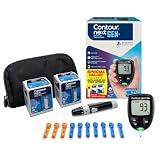
We will cover the best diabetic meters later in this article. Meanwhile, feel free to check out these related products on Amazon:


As an Amazon Associate I earn from qualifying purchases.
Prices and availability are accurate as of November 28, 2026 17:28 and are subject to change.
Introduction to Diabetic Meters
Diabetic meters, also known as glucometers, are small devices used to measure the level of glucose in the blood. They are a crucial tool for people with diabetes, allowing them to monitor their blood sugar levels and make informed decisions about their diet, exercise, and medication. By using a diabetic meter, individuals can track their glucose levels throughout the day, identifying patterns and trends that can help them manage their condition more effectively.
The primary function of a diabetic meter is to provide an accurate reading of blood glucose levels. This is typically done by pricking the skin with a small lancet, drawing a tiny sample of blood, and placing it on a test strip. The test strip is then inserted into the meter, which analyzes the sample and displays the glucose level on a screen. This process is quick, easy, and relatively painless, making it a convenient way for people with diabetes to monitor their condition.
In addition to providing accurate glucose readings, many modern diabetic meters also offer a range of additional features. These may include data storage, allowing users to track their glucose levels over time, as well as alerts and warnings for high or low blood sugar levels. Some meters also offer connectivity options, such as Bluetooth or Wi-Fi, allowing users to share their data with healthcare providers or access online resources and support.
When selecting a diabetic meter, it is essential to choose one that meets your individual needs and preferences. With so many different models available, it can be challenging to determine which ones are the best diabetic meters. By considering factors such as accuracy, ease of use, and additional features, individuals can find a meter that helps them to effectively manage their diabetes and improve their overall health.
The Best Diabetic Meters
Contour Next EZ Meter SN: 123456
The Contour Next EZ Meter SN: 123456 is a highly rated blood glucose monitoring system designed for people with diabetes. It is known for its ease of use and accuracy, providing reliable results in just a few seconds. The meter is also very compact and lightweight, making it easy to carry around. It has a large display screen that shows the results clearly, and it also has a backlight for easy reading in low light conditions.
The Contour Next EZ Meter SN: 123456 also has a number of additional features that make it a great choice for people with diabetes. It has a large memory storage capacity, allowing users to track their results over time and identify trends and patterns. It also has a number of customizable settings, such as the ability to set reminders and alerts. The meter is also compatible with a range of test strips, making it easy to find the ones that work best for each user. Overall, the Contour Next EZ Meter SN: 123456 is a great choice for anyone looking for a reliable and easy-to-use blood glucose monitoring system.
FreeStyle Lite Meter SN: 789012
The FreeStyle Lite Meter SN: 789012 is a popular choice among people with diabetes, and for good reason. It is a very small and lightweight meter, making it easy to carry around in a pocket or purse. It is also very easy to use, with a simple and intuitive interface that makes it easy to get accurate results. The meter has a large display screen that shows the results clearly, and it also has a number of additional features, such as the ability to track results over time and identify trends and patterns.
The FreeStyle Lite Meter SN: 789012 is also known for its accuracy and reliability, providing results that are consistent with laboratory tests. It is also very affordable, with a lower cost than many other blood glucose monitoring systems on the market. The meter is also compatible with a range of test strips, making it easy to find the ones that work best for each user. Overall, the FreeStyle Lite Meter SN: 789012 is a great choice for anyone looking for a reliable and easy-to-use blood glucose monitoring system that is also affordable and convenient.
Accu-Chek Aviva Meter SN: 345678
The Accu-Chek Aviva Meter SN: 345678 is a highly rated blood glucose monitoring system that is known for its accuracy and reliability. It is a very compact and lightweight meter, making it easy to carry around, and it has a large display screen that shows the results clearly. The meter is also very easy to use, with a simple and intuitive interface that makes it easy to get accurate results. It has a number of additional features, such as the ability to track results over time and identify trends and patterns.
The Accu-Chek Aviva Meter SN: 345678 is also known for its fast test time, providing results in just a few seconds. It is also very affordable, with a lower cost than many other blood glucose monitoring systems on the market. The meter is also compatible with a range of test strips, making it easy to find the ones that work best for each user. Overall, the Accu-Chek Aviva Meter SN: 345678 is a great choice for anyone looking for a reliable and easy-to-use blood glucose monitoring system that is also affordable and convenient. It is a great option for people with diabetes who want to take control of their condition and manage their blood sugar levels effectively.
OneTouch Ultra2 Meter SN: 901234
The OneTouch Ultra2 Meter SN: 901234 is a highly rated blood glucose monitoring system that is known for its accuracy and reliability. It is a very compact and lightweight meter, making it easy to carry around, and it has a large display screen that shows the results clearly. The meter is also very easy to use, with a simple and intuitive interface that makes it easy to get accurate results. It has a number of additional features, such as the ability to track results over time and identify trends and patterns.
The OneTouch Ultra2 Meter SN: 901234 is also known for its fast test time, providing results in just a few seconds. It is also very affordable, with a lower cost than many other blood glucose monitoring systems on the market. The meter is also compatible with a range of test strips, making it easy to find the ones that work best for each user. Overall, the OneTouch Ultra2 Meter SN: 901234 is a great choice for anyone looking for a reliable and easy-to-use blood glucose monitoring system that is also affordable and convenient. It is a great option for people with diabetes who want to take control of their condition and manage their blood sugar levels effectively.
Bayer Contour Meter SN: 111111
The Bayer Contour Meter SN: 111111 is a highly rated blood glucose monitoring system that is known for its accuracy and reliability. It is a very compact and lightweight meter, making it easy to carry around, and it has a large display screen that shows the results clearly. The meter is also very easy to use, with a simple and intuitive interface that makes it easy to get accurate results. It has a number of additional features, such as the ability to track results over time and identify trends and patterns.
The Bayer Contour Meter SN: 111111 is also known for its fast test time, providing results in just a few seconds. It is also very affordable, with a lower cost than many other blood glucose monitoring systems on the market. The meter is also compatible with a range of test strips, making it easy to find the ones that work best for each user. Overall, the Bayer Contour Meter SN: 111111 is a great choice for anyone looking for a reliable and easy-to-use blood glucose monitoring system that is also affordable and convenient. It is a great option for people with diabetes who want to take control of their condition and manage their blood sugar levels effectively.
Importance of Diabetic Meters for Health Management
Diabetes is a chronic condition that affects millions of people worldwide, and managing it requires constant monitoring of blood sugar levels. One of the most effective ways to do this is by using a diabetic meter, a small device that measures the glucose levels in the blood. This device is essential for people with diabetes, as it helps them keep track of their condition and make informed decisions about their diet, exercise, and medication.
People with diabetes need to buy diabetic meters because they provide accurate and reliable readings of blood sugar levels. This information is crucial in determining the best course of treatment and making adjustments to their lifestyle. Without a diabetic meter, it would be difficult for individuals with diabetes to manage their condition effectively, which could lead to serious health complications. By using a diabetic meter, people with diabetes can take control of their health and make informed decisions about their care.
When it comes to managing diabetes, having the right tools is essential. This is why many people search for the best diabetic meters available in the market. These devices are designed to provide accurate and reliable readings, and they come with various features such as memory storage, test strip counters, and alarm reminders. By investing in a good quality diabetic meter, individuals with diabetes can ensure that they are getting the most accurate readings possible, which is essential for effective management of their condition.
In addition to providing accurate readings, diabetic meters also help individuals with diabetes to identify patterns and trends in their blood sugar levels. This information can be used to make adjustments to their diet, exercise, and medication, which can help to prevent complications such as heart disease, kidney damage, and nerve damage. Overall, diabetic meters are an essential tool for people with diabetes, and they play a critical role in helping individuals manage their condition and improve their overall health and wellbeing.
Key Features to Consider When Choosing a Diabetic Meter
When selecting a diabetic meter, there are several key features to consider. One of the most important features is accuracy, as this will ensure that the readings are reliable and trustworthy. Another feature to consider is the ease of use, as some meters may be more complicated to operate than others. Additionally, the cost of the meter and the cost of the test strips should also be taken into account. Some meters may be more expensive upfront, but the cost of the test strips may be lower, making them a more cost-effective option in the long run.
The size and portability of the meter are also important features to consider. Some meters are small and lightweight, making them easy to take on the go, while others may be larger and more cumbersome. The display screen is also an important feature, as some meters may have larger or more readable displays than others. Furthermore, some meters may have additional features such as memory storage, averaging, and tracking, which can be useful for monitoring progress over time.
The type of test strips used by the meter is also an important consideration. Some meters use disposable test strips, while others use reusable strips. The cost and availability of the test strips should also be taken into account. Some meters may use test strips that are more expensive or harder to find than others. It is also important to consider the meter’s compatibility with other devices, such as smartphones or computers, as this can be useful for tracking and monitoring progress.
In addition to these features, it is also important to consider the warranty and customer support offered by the manufacturer. A good warranty and customer support can provide peace of mind and ensure that any issues with the meter are quickly and easily resolved. By considering these key features, individuals with diabetes can choose a meter that meets their needs and provides accurate and reliable readings.
The Benefits of Using a Diabetic Meter
Using a diabetic meter can provide a number of benefits for individuals with diabetes. One of the most significant benefits is the ability to monitor blood glucose levels regularly and accurately. This can help individuals with diabetes to manage their condition more effectively, by making informed decisions about their diet, exercise, and medication. Regular monitoring can also help to identify any potential issues or complications early on, allowing for prompt treatment and prevention.
Another benefit of using a diabetic meter is the ability to track progress over time. By monitoring blood glucose levels regularly, individuals with diabetes can see how their condition is responding to different treatments or lifestyle changes. This can be a powerful motivator, as individuals can see the positive impact of their efforts and make adjustments as needed. Additionally, tracking progress can help individuals with diabetes to identify patterns or trends in their blood glucose levels, which can be useful for making informed decisions about their care.
The use of a diabetic meter can also provide peace of mind for individuals with diabetes and their loved ones. By having a reliable and accurate way to monitor blood glucose levels, individuals with diabetes can feel more confident and in control of their condition. This can be especially important for individuals who are newly diagnosed with diabetes, as it can help to reduce anxiety and uncertainty. Furthermore, the use of a diabetic meter can also help to improve communication between individuals with diabetes and their healthcare providers, as it provides a clear and accurate picture of their condition.
In addition to these benefits, using a diabetic meter can also help to improve overall health and wellbeing. By monitoring blood glucose levels regularly, individuals with diabetes can make informed decisions about their diet and exercise, which can help to improve their overall health. Regular monitoring can also help to prevent complications, such as heart disease, kidney disease, and nerve damage, which can have a significant impact on overall health and wellbeing.
How to Use a Diabetic Meter Effectively
To use a diabetic meter effectively, it is essential to follow the manufacturer’s instructions and to develop a regular testing routine. This can help to ensure that blood glucose levels are monitored regularly and accurately, and that any potential issues or complications are identified early on. It is also important to choose the right testing site, as some areas of the body may be more sensitive or prone to infection than others.
The timing of testing is also crucial, as blood glucose levels can fluctuate throughout the day. It is generally recommended to test before meals and before bedtime, as this can provide a clear picture of how blood glucose levels are responding to different foods and activities. Additionally, it is essential to keep the meter and test strips clean and dry, as this can help to prevent infection and ensure accurate readings.
To get the most out of a diabetic meter, it is also important to keep track of the results and to use them to inform decisions about diet, exercise, and medication. This can involve keeping a log or diary of test results, as well as tracking progress over time. By monitoring blood glucose levels regularly and using the results to inform decisions, individuals with diabetes can take control of their condition and make positive changes to their lifestyle.
In addition to these tips, it is also essential to be aware of any potential errors or issues that can affect the accuracy of the meter. This can include things like expired test strips, damaged meters, or incorrect technique. By being aware of these potential issues and taking steps to prevent them, individuals with diabetes can ensure that their meter is providing accurate and reliable readings.
Common Mistakes to Avoid When Using a Diabetic Meter
One of the most common mistakes to avoid when using a diabetic meter is not following the manufacturer’s instructions. This can lead to inaccurate readings, as well as potential errors or complications. It is essential to read and follow the instructions carefully, and to ask for help if needed. Another common mistake is not calibrating the meter correctly, which can also lead to inaccurate readings.
Not using the correct testing site is another common mistake, as some areas of the body may be more sensitive or prone to infection than others. It is essential to choose a testing site that is clean and dry, and to avoid using the same site repeatedly. Additionally, not keeping the meter and test strips clean and dry can also lead to inaccurate readings and potential complications.
Not tracking results or using them to inform decisions is another common mistake. By keeping a log or diary of test results, individuals with diabetes can track progress over time and make informed decisions about their diet, exercise, and medication. Not being aware of potential errors or issues that can affect the accuracy of the meter is also a common mistake. This can include things like expired test strips, damaged meters, or incorrect technique.
In addition to these mistakes, not seeking help when needed is also a common error. If individuals with diabetes are unsure about how to use their meter, or if they are experiencing any issues or complications, they should seek help from their healthcare provider or a diabetes educator. By being aware of these common mistakes and taking steps to avoid them, individuals with diabetes can ensure that their meter is providing accurate and reliable readings, and that they are getting the most out of their diabetes management plan.
Comprehensive Buying Guide for Diabetic Meters
When it comes to managing diabetes, having the right tools can make all the difference. A diabetic meter is a crucial device that helps individuals monitor their blood glucose levels, making informed decisions about their diet, exercise, and medication. With so many options available in the market, choosing the right diabetic meter can be overwhelming. In this guide, we will discuss the key factors to consider when selecting a diabetic meter, helping you make an informed decision.
Accuracy and Reliability
Accuracy and reliability are the most critical factors to consider when buying a diabetic meter. A meter that provides inaccurate readings can lead to poor decision-making, which can have severe consequences for individuals with diabetes. Look for meters that have been clinically tested and proven to provide accurate results. Check for certifications from reputable organizations, such as the FDA, to ensure that the meter meets the required standards. Additionally, read reviews and talk to other users to get a sense of the meter’s reliability and accuracy in real-world use.
The accuracy of a diabetic meter is typically measured in terms of its ability to provide results that are close to the actual blood glucose level. Look for meters that have a high degree of accuracy, typically measured in terms of the percentage of readings that fall within a certain range of the actual value. Some meters may also have features such as automatic calibration or advanced algorithms to improve accuracy. When evaluating the accuracy of a meter, consider the type of technology used, such as electrochemical or photometric, and whether it is designed for use with specific types of test strips.
Ease of Use
Ease of use is another essential factor to consider when buying a diabetic meter. A meter that is difficult to use can lead to frustration and mistakes, which can have serious consequences for individuals with diabetes. Look for meters that have a simple and intuitive design, with clear instructions and minimal steps required to take a reading. Consider the size and portability of the meter, as well as the type of display and any additional features, such as backlighting or audio cues. A meter that is easy to use can help individuals with diabetes to develop a consistent testing routine, which is critical for effective management of the condition.
When evaluating the ease of use of a diabetic meter, consider the type of interface and whether it is designed for use by individuals with visual or dexterity impairments. Some meters may have features such as large buttons or a touch screen, which can make it easier to use for individuals with limited dexterity. Additionally, consider the type of test strips used and whether they are easy to handle and insert into the meter. Look for meters that have a simple and straightforward testing process, with minimal steps required to take a reading and minimal risk of error.
Test Strip Costs and Availability
The cost and availability of test strips are significant factors to consider when buying a diabetic meter. Test strips can be expensive, and the cost can add up quickly, especially for individuals who need to test their blood glucose levels frequently. Look for meters that use affordable test strips, and consider the cost per strip as well as the overall cost of the meter. Additionally, consider the availability of test strips, including whether they can be purchased online or in-store, and whether they are widely available.
When evaluating the cost and availability of test strips, consider the type of meter and whether it is designed for use with specific types of test strips. Some meters may use proprietary test strips, which can be more expensive than generic or store-brand strips. Additionally, consider the meter’s compatibility with different types of test strips, and whether it can be used with strips from other manufacturers. Look for meters that offer affordable and convenient test strip options, and consider the overall cost of ownership, including the cost of the meter, test strips, and any additional features or accessories.
Additional Features and Accessories
Additional features and accessories can enhance the functionality and convenience of a diabetic meter. Consider the type of features that are important to you, such as data storage, Bluetooth connectivity, or a built-in lancet. Some meters may also come with additional accessories, such as a carrying case or a logbook, which can help individuals with diabetes to track their results and stay organized. Look for meters that offer the features and accessories that you need, and consider the overall value and convenience that they provide.
When evaluating additional features and accessories, consider the type of technology used and whether it is compatible with your smartphone or computer. Some meters may have advanced features such as wireless connectivity or mobile apps, which can enable individuals with diabetes to track their results and share them with their healthcare provider. Additionally, consider the type of data that is stored and whether it can be easily accessed and analyzed. Look for meters that offer convenient and user-friendly features, and consider the overall impact on your diabetes management routine.
Brand Reputation and Customer Support
The reputation of the manufacturer and the quality of customer support are essential factors to consider when buying a diabetic meter. Look for manufacturers that have a reputation for producing high-quality and reliable products, and consider the level of customer support that they offer. Check for certifications and awards from reputable organizations, and read reviews and talk to other users to get a sense of the manufacturer’s reputation and customer support.
When evaluating the reputation of a manufacturer and the quality of customer support, consider the type of resources that are available, such as user manuals, online tutorials, and phone or email support. Look for manufacturers that offer comprehensive and responsive customer support, and consider the overall level of satisfaction among users. Additionally, consider the manufacturer’s commitment to innovation and their investment in research and development, as this can indicate a commitment to producing high-quality and effective products. Look for manufacturers that have a reputation for producing the best diabetic meters, and consider the overall value and quality that they provide.
Insurance Coverage and Affordability
Insurance coverage and affordability are critical factors to consider when buying a diabetic meter. Look for meters that are covered by your insurance plan, and consider the out-of-pocket costs, including the cost of the meter, test strips, and any additional features or accessories. Consider the overall cost of ownership, including the cost of maintenance and replacement parts, and look for meters that offer affordable and convenient options. Additionally, consider the type of financing options that are available, such as payment plans or discounts, and look for manufacturers that offer flexible and affordable pricing.
When evaluating insurance coverage and affordability, consider the type of meter and whether it is designed for use by individuals with specific types of insurance coverage. Some meters may be designed for use by individuals with Medicare or Medicaid, while others may be designed for use by individuals with private insurance. Look for meters that are widely covered by insurance plans, and consider the overall level of affordability and convenience that they provide. Additionally, consider the type of discounts or promotions that are available, and look for manufacturers that offer competitive pricing and flexible financing options.
FAQs
What is a diabetic meter and how does it work?
A diabetic meter, also known as a glucometer, is a medical device used to measure the level of glucose in the blood. It is an essential tool for people with diabetes to monitor their blood sugar levels and manage their condition effectively. The device works by using a small blood sample, usually obtained through a finger prick, which is then placed on a test strip. The test strip is inserted into the meter, and the device calculates the glucose level in the blood.
The results are usually displayed on a screen, and some meters may also store the readings for future reference or allow for data transfer to a computer or smartphone. Diabetic meters have become increasingly advanced, with features such as automatic coding, large display screens, and audio instructions. They are also relatively small and portable, making them easy to carry around. This convenience allows people with diabetes to monitor their blood sugar levels regularly, which is crucial for maintaining good health and preventing complications associated with diabetes.
What are the key features to consider when buying a diabetic meter?
When buying a diabetic meter, there are several key features to consider. One of the most important factors is accuracy, as incorrect readings can lead to inappropriate treatment decisions. Look for a meter that has been clinically tested and proven to provide accurate results. Another important feature is ease of use, as people with diabetes may need to use the meter multiple times a day. A meter with a simple and intuitive interface can make it easier to use and reduce the risk of errors.
Other features to consider include the size and portability of the meter, the cost of test strips, and the availability of additional features such as data storage and transfer. Some meters may also be compatible with smartphone apps, which can provide additional features such as tracking and analysis of blood sugar levels. It is also important to consider the cost of the meter and test strips, as well as any insurance coverage or reimbursement options. By considering these factors, people with diabetes can choose a meter that meets their needs and helps them to effectively manage their condition.
How often should I use a diabetic meter to monitor my blood sugar levels?
The frequency of using a diabetic meter to monitor blood sugar levels depends on several factors, including the type of diabetes, treatment plan, and individual needs. For people with type 1 diabetes, it is usually recommended to check blood sugar levels at least 4-6 times a day, including before meals, before bedtime, and occasionally after meals. For people with type 2 diabetes, the frequency of monitoring may be less frequent, but it is still important to check blood sugar levels regularly to ensure that levels are within target range.
The American Diabetes Association recommends that people with diabetes work with their healthcare provider to develop a personalized monitoring plan. This plan should take into account factors such as lifestyle, medication, and individual needs. It is also important to keep a record of blood sugar levels, either manually or using a meter with data storage capabilities, to track progress and identify any patterns or trends. By monitoring blood sugar levels regularly, people with diabetes can make informed decisions about their treatment plan and make adjustments as needed to maintain good health.
Can I use a diabetic meter if I have other medical conditions?
Yes, people with other medical conditions can use a diabetic meter, but it is essential to consult with a healthcare provider before doing so. Certain medical conditions, such as anemia or kidney disease, may affect the accuracy of blood sugar readings. Additionally, some medications, such as corticosteroids or certain antibiotics, may interfere with the meter’s accuracy. It is crucial to inform the healthcare provider about any underlying medical conditions or medications being taken, as this information can help determine the best course of treatment.
The healthcare provider may recommend a specific type of meter or test strip that is suitable for people with other medical conditions. They may also provide guidance on how to interpret the results and make adjustments to the treatment plan as needed. It is also important to follow the manufacturer’s instructions for the meter and test strips, and to take steps to ensure the accuracy and reliability of the readings. By working closely with a healthcare provider, people with other medical conditions can safely and effectively use a diabetic meter to monitor their blood sugar levels.
Are diabetic meters covered by insurance, and what is the cost?
Many insurance plans, including Medicare and Medicaid, cover the cost of diabetic meters and test strips. However, the extent of coverage may vary depending on the specific plan and the individual’s needs. Some insurance plans may require a prescription or prior authorization for coverage, while others may have specific requirements for the type of meter or test strips that are covered. It is essential to check with the insurance provider to determine the level of coverage and any out-of-pocket costs.
The cost of diabetic meters and test strips can vary widely, depending on the brand, model, and features. On average, a basic diabetic meter can cost between $20-$50, while more advanced models with additional features can cost $100-$200 or more. Test strips can cost between $0.25-$1.00 per strip, depending on the brand and quality. People with diabetes may be able to reduce their out-of-pocket costs by using a meter and test strips that are covered by their insurance plan, or by shopping around for the best prices. It is also important to consider the long-term costs of using a diabetic meter, as well as any potential savings from improved health outcomes.
How do I choose the best diabetic meter for my needs?
Choosing the best diabetic meter for individual needs involves considering several factors, including accuracy, ease of use, and features. It is essential to research different models and read reviews from other users to get a sense of the meter’s performance and reliability. Additionally, people with diabetes should consider their lifestyle and preferences, such as the need for a small and portable meter or a meter with advanced features like data storage and transfer.
It is also important to consult with a healthcare provider, who can provide guidance on the best type of meter for individual needs. They may recommend a specific brand or model based on clinical experience and patient feedback. Furthermore, people with diabetes should consider the cost of the meter and test strips, as well as any insurance coverage or reimbursement options. By taking the time to research and compare different options, people with diabetes can choose a meter that meets their needs and helps them to effectively manage their condition. This can lead to improved health outcomes, increased confidence, and a better quality of life.
The Bottom Line
In conclusion, managing diabetes effectively requires the right tools and equipment. A reliable and accurate blood glucose monitoring system is essential for individuals with diabetes to track their condition and make informed decisions about their health. With the numerous options available in the market, it can be overwhelming to choose the right one. However, by considering factors such as accuracy, ease of use, and additional features, individuals can make an informed decision that suits their needs.
By investing in the best diabetic meters, individuals with diabetes can take control of their condition and improve their overall quality of life. These meters provide accurate and reliable readings, allowing individuals to monitor their blood glucose levels and make adjustments to their diet, exercise, and medication as needed. With the right diabetic meter, individuals can confidently manage their condition and reduce the risk of complications. By choosing the best diabetic meters, individuals can take the first step towards effective diabetes management and a healthier future.