Towing a trailer can be a daunting task, especially if you’re new to the world of hauling heavy loads. However, with the right equipment, the process can be made much safer and more efficient. At the heart of any towing setup is the humble hitch ball mount, a crucial component that connects your trailer to your vehicle. Choosing the right hitch ball mount is essential to ensure a smooth and secure towing experience. With so many options available on the market, it can be overwhelming to decide which one is right for you.
Whether you’re a seasoned tower or just starting out, finding the best trailer hitch ball mounts is crucial to getting the job done safely and effectively. A good hitch ball mount should be sturdy, reliable, and easy to use, with a weight capacity that meets your specific needs. In this article, we’ll take a closer look at the key factors to consider when selecting a hitch ball mount, and provide reviews of some of the top models on the market. By the end of this guide, you’ll be equipped with the knowledge you need to make an informed decision and find the perfect hitch ball mount for your towing needs.
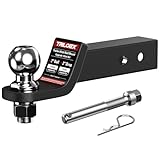
We will cover the best trailer hitch ball mounts later in this article. Meanwhile, feel free to check out these related products on Amazon:




As an Amazon Associate I earn from qualifying purchases.
Prices and availability are accurate as of November 29, 2026 04:08 and are subject to change.
Introduction to Trailer Hitch Ball Mounts
A trailer hitch ball mount is a crucial component in towing trailers, boats, or other vehicles. It serves as the connection point between the trailer and the towing vehicle, providing a secure and stable attachment. The ball mount is typically attached to the trailer hitch receiver on the towing vehicle and features a ball that the trailer coupler attaches to.
The primary function of a trailer hitch ball mount is to provide a strong and reliable connection between the towing vehicle and the trailer. This connection allows for smooth and safe towing, even in harsh driving conditions. Trailer hitch ball mounts come in various sizes, materials, and configurations to accommodate different types of trailers and towing vehicles.
When searching for the best trailer hitch ball mounts, it is essential to consider factors such as the weight capacity, ball size, and material construction. A high-quality trailer hitch ball mount should be able to withstand the stresses of towing and provide a secure connection between the towing vehicle and the trailer. Additionally, it should be easy to install and adjust, making it a convenient and reliable solution for towing needs.
In summary, trailer hitch ball mounts play a vital role in safe and successful towing. By selecting the best trailer hitch ball mounts for your specific needs, you can ensure a secure and stable connection between your towing vehicle and trailer, providing peace of mind and confidence on the road. Whether you are towing a small trailer or a large boat, a reliable trailer hitch ball mount is essential for a safe and enjoyable towing experience.
The Best Trailer Hitch Ball Mounts
The
Reese Towpower 21510 Trailer Hitch Ball Mount 21510
is a highly durable and versatile hitch ball mount that can handle heavy loads with ease. It is designed to fit a wide range of trailers and can be adjusted to different heights to ensure a smooth towing experience. The mount is made from high-strength steel and has a durable powder coat finish that resists corrosion and wear.
The
Reese Towpower 21510 Trailer Hitch Ball Mount 21510
has a gross trailer weight capacity of up to 6,000 pounds and a tongue weight capacity of up to 600 pounds, making it suitable for towing large trailers and boats. It also features a simple and easy-to-use design that allows for quick installation and adjustment. Overall, the Reese Towpower 21510 Trailer Hitch Ball Mount 21510 is a reliable and high-quality hitch ball mount that is perfect for anyone who needs to tow heavy loads regularly.
The
Curt 45030 Trailer Hitch Ball Mount 45030
is a premium hitch ball mount that offers exceptional strength and durability. It is designed to fit a wide range of trailers and can be adjusted to different heights to ensure a smooth towing experience. The mount is made from high-strength steel and has a durable powder coat finish that resists corrosion and wear. It also features a unique adjustable design that allows for easy installation and adjustment.
The
Curt 45030 Trailer Hitch Ball Mount 45030
has a gross trailer weight capacity of up to 14,000 pounds and a tongue weight capacity of up to 1,400 pounds, making it suitable for towing large trailers and boats. It also features a simple and easy-to-use design that allows for quick installation and adjustment. Overall, the Curt 45030 Trailer Hitch Ball Mount 45030 is a high-quality hitch ball mount that is perfect for anyone who needs to tow heavy loads regularly.
The
B&W Trailer Hitches TS1000B Trailer Hitch Ball Mount TS1000B
is a highly durable and versatile hitch ball mount that can handle heavy loads with ease. It is designed to fit a wide range of trailers and can be adjusted to different heights to ensure a smooth towing experience. The mount is made from high-strength steel and has a durable powder coat finish that resists corrosion and wear. It also features a unique adjustable design that allows for easy installation and adjustment.
The
B&W Trailer Hitches TS1000B Trailer Hitch Ball Mount TS1000B
has a gross trailer weight capacity of up to 10,000 pounds and a tongue weight capacity of up to 1,000 pounds, making it suitable for towing large trailers and boats. It also features a simple and easy-to-use design that allows for quick installation and adjustment. Overall, the B&W Trailer Hitches TS1000B Trailer Hitch Ball Mount TS1000B is a reliable and high-quality hitch ball mount that is perfect for anyone who needs to tow heavy loads regularly.
The
Draw-Tite 40397 Trailer Hitch Ball Mount 40397
is a premium hitch ball mount that offers exceptional strength and durability. It is designed to fit a wide range of trailers and can be adjusted to different heights to ensure a smooth towing experience. The mount is made from high-strength steel and has a durable powder coat finish that resists corrosion and wear. It also features a unique adjustable design that allows for easy installation and adjustment.
The
Draw-Tite 40397 Trailer Hitch Ball Mount 40397
has a gross trailer weight capacity of up to 8,000 pounds and a tongue weight capacity of up to 800 pounds, making it suitable for towing large trailers and boats. It also features a simple and easy-to-use design that allows for quick installation and adjustment. Overall, the Draw-Tite 40397 Trailer Hitch Ball Mount 40397 is a high-quality hitch ball mount that is perfect for anyone who needs to tow heavy loads regularly.
The
Andersen Hitches 3220 Trailer Hitch Ball Mount 3220
is a highly durable and versatile hitch ball mount that can handle heavy loads with ease. It is designed to fit a wide range of trailers and can be adjusted to different heights to ensure a smooth towing experience. The mount is made from high-strength steel and has a durable powder coat finish that resists corrosion and wear. It also features a unique adjustable design that allows for easy installation and adjustment.
The
Andersen Hitches 3220 Trailer Hitch Ball Mount 3220
has a gross trailer weight capacity of up to 12,000 pounds and a tongue weight capacity of up to 1,200 pounds, making it suitable for towing large trailers and boats. It also features a simple and easy-to-use design that allows for quick installation and adjustment. Overall, the Andersen Hitches 3220 Trailer Hitch Ball Mount 3220 is a reliable and high-quality hitch ball mount that is perfect for anyone who needs to tow heavy loads regularly.
Why People Need to Buy Trailer Hitch Ball Mounts
Trailer hitch ball mounts are essential components for towing trailers, boats, or other vehicles. They provide a secure connection between the trailer and the towing vehicle, ensuring a safe and stable towing experience. Without a proper trailer hitch ball mount, towing can be hazardous, and the risk of accidents increases. Therefore, it is crucial to invest in a high-quality trailer hitch ball mount to ensure a smooth and secure towing experience.
The primary function of a trailer hitch ball mount is to attach the trailer to the towing vehicle. It consists of a ball mount, a hitch ball, and a hitch pin. The ball mount is attached to the towing vehicle’s hitch receiver, and the hitch ball is secured to the ball mount. The trailer is then coupled to the hitch ball, providing a secure connection between the two vehicles. A good trailer hitch ball mount should be sturdy, durable, and able to withstand the weight and stress of towing.
When selecting a trailer hitch ball mount, there are several factors to consider. The weight capacity of the mount is critical, as it must be able to handle the weight of the trailer and its contents. The size and type of the hitch ball are also important, as they must be compatible with the trailer’s coupler. Additionally, the material and construction of the mount should be durable and resistant to corrosion. By considering these factors, individuals can find the best trailer hitch ball mounts for their specific needs and ensure a safe and secure towing experience.
In conclusion, trailer hitch ball mounts are a necessary component for safe and secure towing. They provide a critical connection between the trailer and the towing vehicle, and their quality and durability can significantly impact the towing experience. By investing in a high-quality trailer hitch ball mount, individuals can ensure a smooth, stable, and secure towing experience, reducing the risk of accidents and damage to the trailer and towing vehicle. With the right trailer hitch ball mount, individuals can tow their trailers with confidence, knowing that they have a secure and reliable connection between the two vehicles.
Types of Trailer Hitch Ball Mounts
Trailer hitch ball mounts come in various types, each designed to serve a specific purpose. The most common types include fixed ball mounts, adjustable ball mounts, and drop ball mounts. Fixed ball mounts are the most basic type and have a fixed position, making them suitable for trailers with a standard height. Adjustable ball mounts, on the other hand, offer more flexibility, allowing users to adjust the height of the ball mount to accommodate different trailer heights.
When choosing a trailer hitch ball mount, it’s essential to consider the type of trailer you have and the frequency of use. For instance, if you have a trailer with a unique height, an adjustable ball mount may be the best option. Additionally, if you plan to use your trailer frequently, a heavy-duty ball mount with a high weight capacity may be necessary.
The material used to construct the ball mount is also crucial. Ball mounts made from steel or aluminum are durable and can withstand heavy use. However, they may be heavier and more expensive than those made from other materials. Ultimately, the type of trailer hitch ball mount you choose will depend on your specific needs and preferences.
In addition to the types of ball mounts, it’s also important to consider the size of the ball mount. The most common ball sizes are 1 7/8 inches, 2 inches, and 2 5/16 inches. Choosing the correct ball size is critical to ensure safe and secure towing. Using a ball mount with the wrong ball size can lead to accidents and damage to your trailer and vehicle.
Key Features to Consider
When shopping for a trailer hitch ball mount, there are several key features to consider. One of the most important features is the weight capacity of the ball mount. The weight capacity should be higher than the gross trailer weight (GTW) of your trailer to ensure safe towing. Another critical feature is the construction material of the ball mount. As mentioned earlier, steel and aluminum are popular choices due to their durability and strength.
The finish of the ball mount is also important, as it can affect the overall durability and corrosion resistance. A rust-resistant finish, such as powder coating or zinc plating, can help protect the ball mount from the elements. Additionally, the design of the ball mount can impact its ease of use. A ball mount with a simple and intuitive design can make it easier to install and remove the trailer.
The hitch size is another essential feature to consider. The hitch size should match the size of your vehicle’s hitch receiver. The most common hitch sizes are 1 1/4 inches, 2 inches, and 2 1/2 inches. Choosing a ball mount with the correct hitch size ensures a secure fit and prevents damage to your vehicle and trailer.
Furthermore, some trailer hitch ball mounts come with additional features, such as a built-in wrench or a locking mechanism. These features can enhance the overall convenience and security of the ball mount. When evaluating these features, consider your specific needs and preferences to ensure you choose the best ball mount for your trailer.
Installation and Maintenance
Installing a trailer hitch ball mount is a relatively straightforward process that can be done at home with the right tools. The first step is to ensure the hitch receiver is clean and free of debris. Next, insert the ball mount into the hitch receiver and secure it with the provided pin or clip. Finally, tighten the ball mount according to the manufacturer’s instructions.
Regular maintenance is also crucial to extend the life of your trailer hitch ball mount. After each use, inspect the ball mount for any signs of wear or damage. Check the ball for any scratches or corrosion and apply a rust-inhibiting coating as needed. Additionally, lubricate the ball and hitch receiver to reduce friction and prevent corrosion.
To ensure safe towing, it’s essential to perform regular safety checks on your trailer hitch ball mount. Check the weight capacity of the ball mount to ensure it can handle the weight of your trailer. Also, inspect the hitch receiver and ball mount for any signs of damage or wear. If you notice any issues, address them promptly to prevent accidents and damage to your trailer and vehicle.
In addition to regular maintenance, it’s also important to follow the manufacturer’s instructions for installation and use. This includes adhering to the recommended weight capacity and following any specific installation or removal procedures. By following these guidelines, you can ensure safe and secure towing with your trailer hitch ball mount.
Towing Safety Tips
Towing a trailer can be a safe and enjoyable experience if you follow the right safety precautions. One of the most critical safety tips is to ensure your vehicle is properly equipped for towing. This includes having a suitable hitch receiver and trailer hitch ball mount. Additionally, always follow the manufacturer’s instructions for your vehicle and trailer.
Another essential safety tip is to inspect your trailer and vehicle before each use. Check the tires, brakes, and suspension of your trailer to ensure they are in good condition. Also, inspect the hitch receiver and ball mount for any signs of wear or damage. By addressing any issues promptly, you can prevent accidents and damage to your trailer and vehicle.
When towing, it’s also important to follow safe driving practices. This includes driving at a safe speed, avoiding sudden turns or braking, and using your mirrors and check your blind spots regularly. Additionally, always be aware of your surroundings and anticipate the actions of other drivers.
Furthermore, it’s essential to be prepared for emergencies when towing. Keep a roadside emergency kit in your vehicle, including items such as a spare tire, jumper cables, and a first aid kit. Additionally, know what to do in case of a breakdown or accident, such as calling for roadside assistance or seeking medical attention if necessary. By following these safety tips, you can ensure a safe and enjoyable towing experience.
Ultimate Buying Guide for Trailer Hitch Ball Mounts
When it comes to towing a trailer, having the right equipment is crucial for safety and convenience. A trailer hitch ball mount is a vital component that connects your trailer to your vehicle, and choosing the right one can make all the difference. With so many options available in the market, it can be overwhelming to decide which one to buy. In this guide, we will discuss the key factors to consider when buying a trailer hitch ball mount, helping you make an informed decision.
Weight Capacity
The weight capacity of a trailer hitch ball mount is the most critical factor to consider. It is essential to choose a mount that can handle the weight of your trailer, as well as any additional cargo you may be carrying. The weight capacity of a trailer hitch ball mount is usually measured in pounds and is determined by the manufacturer. You should always check the weight capacity of the mount to ensure it can handle the weight of your trailer. Failure to do so can result in a hazardous situation, where the mount fails, and the trailer detaches from the vehicle.
When selecting a trailer hitch ball mount, it is crucial to consider the gross trailer weight rating (GTW) and the tongue weight rating (TWR). The GTW is the total weight of the trailer, including the cargo, while the TWR is the weight that the trailer hitch ball mount will bear. You should choose a mount with a weight capacity that exceeds the GTW and TWR of your trailer to ensure safe towing. Additionally, you should also consider the weight distribution of your trailer, as an unevenly loaded trailer can put additional stress on the hitch ball mount.
Ball Size and Type
The ball size and type are also essential factors to consider when buying a trailer hitch ball mount. The ball size refers to the diameter of the ball, which is usually measured in inches. The most common ball sizes are 1 7/8 inches, 2 inches, and 2 5/16 inches. You should choose a ball size that matches the coupler on your trailer to ensure a secure connection. The ball type refers to the material and design of the ball, with the most common types being chrome-plated steel and stainless steel.
When selecting a trailer hitch ball mount, you should consider the type of ball that will work best for your needs. Chrome-plated steel balls are durable and resistant to corrosion, while stainless steel balls are more resistant to rust and corrosion. You should also consider the shank size and thread count of the ball, as these will determine the compatibility with your trailer hitch. Additionally, you should check the ball’s finish, as a smooth finish can reduce friction and make it easier to connect and disconnect the trailer.
Hitch Class
The hitch class is another critical factor to consider when buying a trailer hitch ball mount. The hitch class refers to the weight capacity and design of the hitch, with the most common classes being Class I, Class II, Class III, Class IV, and Class V. You should choose a hitch class that matches the weight capacity of your trailer and the towing capacity of your vehicle. Class I hitches are designed for light-duty towing, while Class V hitches are designed for heavy-duty towing.
When selecting a trailer hitch ball mount, you should consider the hitch class that will work best for your needs. You should check the weight capacity of the hitch and ensure it exceeds the GTW and TWR of your trailer. You should also consider the hitch’s design and construction, as a sturdy hitch can provide a secure connection and reduce the risk of failure. Additionally, you should check the hitch’s compatibility with your vehicle and trailer, as some hitches may require additional hardware or adapters.
Construction and Materials
The construction and materials of a trailer hitch ball mount are also essential factors to consider. The mount should be constructed from durable materials that can withstand the stresses of towing, such as steel or aluminum. You should also consider the finish of the mount, as a rust-resistant finish can help protect the mount from corrosion. A well-constructed mount can provide a secure connection and reduce the risk of failure.
When selecting a trailer hitch ball mount, you should consider the construction and materials that will work best for your needs. You should check the mount’s weight capacity and ensure it exceeds the GTW and TWR of your trailer. You should also consider the mount’s design and construction, as a sturdy mount can provide a secure connection and reduce the risk of failure. Additionally, you should check the mount’s compatibility with your vehicle and trailer, as some mounts may require additional hardware or adapters. By choosing the best trailer hitch ball mounts, you can ensure safe and convenient towing.
Adjustability and Flexibility
The adjustability and flexibility of a trailer hitch ball mount are also important factors to consider. An adjustable mount can provide a secure connection and reduce the risk of failure, as it can be adjusted to accommodate different trailer heights and weights. You should consider a mount with a adjustable shank or ball, as these can provide greater flexibility and convenience. A flexible mount can also help to reduce the stress on the hitch and the vehicle, as it can absorb some of the shocks and bumps of the road.
When selecting a trailer hitch ball mount, you should consider the adjustability and flexibility that will work best for your needs. You should check the mount’s adjustability range and ensure it can accommodate the height and weight of your trailer. You should also consider the mount’s flexibility, as a flexible mount can help to reduce the stress on the hitch and the vehicle. Additionally, you should check the mount’s construction and materials, as a sturdy mount can provide a secure connection and reduce the risk of failure. By choosing a mount with the right adjustability and flexibility, you can ensure safe and convenient towing.
Brand and Warranty
The brand and warranty of a trailer hitch ball mount are also essential factors to consider. A reputable brand can provide a high-quality mount that is designed to last, while a comprehensive warranty can provide peace of mind and protect your investment. You should consider a brand that is known for its quality and durability, such as Curt or Reese. You should also consider the warranty offered by the manufacturer, as a comprehensive warranty can provide protection against defects and failures.
When selecting a trailer hitch ball mount, you should consider the brand and warranty that will work best for your needs. You should check the brand’s reputation and reviews, as a reputable brand can provide a high-quality mount that is designed to last. You should also consider the warranty offered by the manufacturer, as a comprehensive warranty can provide peace of mind and protect your investment. Additionally, you should check the mount’s construction and materials, as a sturdy mount can provide a secure connection and reduce the risk of failure. By choosing a mount from a reputable brand with a comprehensive warranty, you can ensure safe and convenient towing.
Frequently Asked Questions
What is a trailer hitch ball mount and how does it work?
A trailer hitch ball mount is a device that connects a trailer to a vehicle, allowing for safe and secure towing. It consists of a ball mount, which is inserted into the hitch receiver on the vehicle, and a ball, which the trailer coupler attaches to. The ball mount is typically adjustable, allowing it to be set to the correct height for the trailer, and it may also have a built-in rise or drop to accommodate different trailer and vehicle configurations.
The ball mount works by providing a sturdy connection between the vehicle and the trailer, allowing the trailer to be towed safely and securely. The ball is typically made of a durable material, such as steel or chrome, and is designed to withstand the stresses of towing. The ball mount may also have features such as a built-in anti-rattle device or a locking mechanism to prevent theft or tampering. Overall, a trailer hitch ball mount is an essential component for anyone who needs to tow a trailer, and it is available in a range of styles and configurations to suit different needs and preferences.
What are the different types of trailer hitch ball mounts available?
There are several different types of trailer hitch ball mounts available, each with its own unique features and benefits. One common type is the fixed ball mount, which has a fixed ball size and height. Another type is the adjustable ball mount, which allows the ball height to be adjusted to accommodate different trailers and vehicles. There are also drop ball mounts, which have a built-in drop to accommodate trailers that are lower to the ground, and rise ball mounts, which have a built-in rise to accommodate trailers that are higher off the ground.
In addition to these types, there are also specialized ball mounts available, such as those designed for heavy-duty towing or for use with specific types of trailers. Some ball mounts may also have additional features, such as a built-in scale or a locking mechanism, to provide added convenience and security. When choosing a trailer hitch ball mount, it is essential to consider the specific needs and requirements of the trailer and vehicle, as well as any relevant safety regulations or standards.
How do I choose the right trailer hitch ball mount for my vehicle and trailer?
Choosing the right trailer hitch ball mount for your vehicle and trailer requires careful consideration of several factors, including the weight and size of the trailer, the type of vehicle, and the intended use of the trailer. It is essential to ensure that the ball mount is rated for the weight of the trailer and that it is compatible with the hitch receiver on the vehicle. Additionally, the ball size and height should be suitable for the trailer coupler and the vehicle’s suspension.
When selecting a trailer hitch ball mount, it is also a good idea to consider the material and construction of the mount, as well as any additional features that may be required. For example, a ball mount with a built-in anti-rattle device or a locking mechanism may provide added security and convenience. It is also essential to follow the manufacturer’s instructions for installation and use, and to ensure that the ball mount is properly secured to the vehicle and trailer. By taking the time to choose the right trailer hitch ball mount, you can help ensure safe and secure towing.
What are the benefits of using a trailer hitch ball mount with a built-in anti-rattle device?
A trailer hitch ball mount with a built-in anti-rattle device can provide several benefits, including reduced noise and vibration during towing. The anti-rattle device helps to eliminate the rattling and clunking sounds that can occur when the trailer is towed, making for a more comfortable and quiet ride. Additionally, the anti-rattle device can help to reduce wear and tear on the ball mount and the trailer coupler, by minimizing the amount of movement and stress on these components.
The anti-rattle device can also help to improve the overall safety and security of the towing setup, by reducing the risk of the trailer becoming disconnected from the vehicle. This can be especially important when towing heavy or large trailers, where the risk of accident or injury is greater. By using a trailer hitch ball mount with a built-in anti-rattle device, you can help ensure a safer and more comfortable towing experience, and reduce the risk of damage to the vehicle, trailer, or surrounding property.
Can I use a trailer hitch ball mount with a weight distribution hitch?
Yes, it is possible to use a trailer hitch ball mount with a weight distribution hitch, but it is essential to choose a ball mount that is specifically designed for use with a weight distribution hitch. A weight distribution hitch is designed to distribute the weight of the trailer more evenly across the vehicle’s axles, which can help to improve stability and control during towing. However, not all ball mounts are compatible with weight distribution hitches, so it is crucial to select a ball mount that is rated for use with this type of hitch.
When using a trailer hitch ball mount with a weight distribution hitch, it is essential to follow the manufacturer’s instructions for installation and use, and to ensure that the ball mount is properly secured to the vehicle and trailer. Additionally, the weight distribution hitch should be adjusted and set up according to the manufacturer’s instructions, to ensure that the weight of the trailer is properly distributed across the vehicle’s axles. By using a trailer hitch ball mount with a weight distribution hitch, you can help improve the safety and stability of the towing setup, and reduce the risk of accident or injury.
How do I install a trailer hitch ball mount on my vehicle?
Installing a trailer hitch ball mount on your vehicle requires careful attention to detail and a thorough understanding of the installation process. The first step is to ensure that the vehicle is equipped with a hitch receiver that is compatible with the ball mount. Next, the ball mount should be inserted into the hitch receiver and secured in place using the provided hardware. The ball mount should be adjusted to the correct height and position, and the ball should be tightened securely to the ball mount.
It is essential to follow the manufacturer’s instructions for installation and to ensure that the ball mount is properly secured to the vehicle and trailer. Additionally, the installation should be inspected and tested to ensure that the ball mount is functioning correctly and that the trailer is properly secured to the vehicle. It is also a good idea to consult with a professional mechanic or installer if you are unsure about any aspect of the installation process. By following the manufacturer’s instructions and taking the necessary precautions, you can help ensure a safe and successful installation of the trailer hitch ball mount.
What maintenance and upkeep are required for a trailer hitch ball mount?
A trailer hitch ball mount requires regular maintenance and upkeep to ensure that it continues to function safely and effectively. One of the most important maintenance tasks is to regularly inspect the ball mount and hitch receiver for signs of wear and damage, such as rust, corrosion, or cracks. The ball mount and hitch receiver should also be cleaned and lubricated regularly to prevent rust and corrosion, and to ensure smooth operation.
Additionally, the ball mount should be checked and adjusted regularly to ensure that it is properly secured to the vehicle and trailer, and that the ball is tightened securely to the ball mount. The weight distribution hitch, if used, should also be checked and adjusted regularly to ensure that the weight of the trailer is properly distributed across the vehicle’s axles. By following a regular maintenance schedule, you can help extend the life of the trailer hitch ball mount and ensure safe and secure towing. It is also essential to consult the manufacturer’s instructions for specific maintenance and upkeep recommendations.
Conclusion
In conclusion, selecting the right equipment for towing is crucial for a safe and successful experience. A well-chosen ball mount can make all the difference in ensuring a smooth and hassle-free journey. With the numerous options available in the market, it can be overwhelming to decide on the best one. However, by considering factors such as durability, weight capacity, and adjustability, individuals can narrow down their options and find the perfect fit for their needs.
Ultimately, investing in the best trailer hitch ball mounts can provide users with peace of mind and confidence while towing. By choosing a high-quality ball mount, individuals can ensure a secure and stable connection between their vehicle and trailer, reducing the risk of accidents and damage. Whether you’re a seasoned tower or a beginner, finding the right ball mount is essential for a successful towing experience. With the information provided in this article, individuals can make an informed decision and find the best trailer hitch ball mounts that meet their specific requirements and preferences.