Low porosity hair can be a challenge to manage, as it often lacks the natural moisture and shine that other hair types take for granted. This is because the cuticle layer of low porosity hair lies flat, making it difficult for products to penetrate and nourish the hair shaft. As a result, people with low porosity hair often struggle to find the right tools and products to help them achieve healthy, vibrant locks. One of the most essential tools for anyone with low porosity hair is a good brush, as it can help to distribute natural oils, reduce breakage, and add shine to the hair.
Finding the right brush can be a daunting task, especially with so many options available on the market. However, with the right guidance, it’s possible to find the best brushes for low porosity hair that will make a real difference in the health and appearance of your locks. When shopping for a brush, there are several factors to consider, including the type of bristles, the size and shape of the brush, and the materials used to construct it. By taking the time to research and understand these factors, you can find a brush that will help to gently detangle, add moisture, and enhance the overall beauty of your low porosity hair. With the right brush by your side, you’ll be well on your way to achieving the healthy, gorgeous hair you’ve always wanted.
We will cover the best brushes for low porosity hair later in this article. Meanwhile, feel free to check out these related products on Amazon:


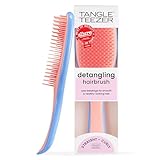

As an Amazon Associate I earn from qualifying purchases.
Prices and availability are accurate as of November 28, 2026 02:19 and are subject to change.
Introduction to Brushes for Low Porosity Hair
Low porosity hair can be challenging to manage, as it often resists moisture and product absorption. This type of hair has a compact cuticle layer that prevents water and other substances from penetrating the hair shaft. As a result, people with low porosity hair need to use gentle and specialized hair care tools to prevent damage and breakage.
When it comes to hair care, using the right brush is essential for maintaining healthy and beautiful hair. For individuals with low porosity hair, it is crucial to choose a brush that is designed to work with their hair type. The right brush can help to distribute moisture and products evenly, reducing frizz and preventing breakage. A good brush can also help to detangle hair gently, minimizing the risk of damage and tangles.
In the market, there are various types of brushes available, each designed for specific hair types and needs. For low porosity hair, it is essential to look for brushes that are gentle, flexible, and have soft bristles. These types of brushes are designed to work with the unique characteristics of low porosity hair, helping to prevent damage and promote healthy hair growth. By using the best brushes for low porosity hair, individuals can keep their hair looking healthy, shiny, and well-managed.
By understanding the needs of low porosity hair and using the right brush, individuals can develop a hair care routine that promotes healthy hair growth and reduces the risk of damage. With the right brush and a little bit of knowledge, people with low porosity hair can enjoy beautiful, healthy-looking hair that is full of life and vitality. Whether you have low porosity hair or are looking for a gift for someone who does, learning about the different types of brushes available can help you make an informed decision and find the perfect brush for your needs.
Best Brushes For Low Porosity Hair – Reviewed
1. Denman Brush
The Denman Brush is a popular choice among individuals with low porosity hair. It features flexible bristles that gently detangle and distribute hair products evenly. This brush is particularly effective at minimizing breakage and preventing split ends, making it an excellent option for those with fragile or damaged hair. Its ergonomic design also makes it comfortable to hold and maneuver, allowing for easy styling and detangling.
One of the standout features of the Denman Brush is its ability to enhance hair texture and definition. By gently lifting and separating the hair cuticles, it helps to reduce frizz and add shine to the hair. Additionally, the brush is easy to clean and maintain, making it a practical choice for daily use. Overall, the Denman Brush is a high-quality tool that is well-suited for individuals with low porosity hair, and its benefits make it a worthwhile investment for anyone looking to improve the health and appearance of their hair.
2. Aquis Wide-Tooth Comb Brush
The Aquis Wide-Tooth Comb Brush is a unique tool that combines the benefits of a comb and a brush. Its wide-tooth design makes it easy to detangle even the most knotted hair, while its soft bristles help to smooth and calm the hair cuticles. This brush is particularly effective at reducing frizz and preventing breakage, making it an excellent choice for individuals with low porosity hair. Its ergonomic handle also makes it comfortable to hold and maneuver, allowing for easy styling and detangling.
One of the key benefits of the Aquis Wide-Tooth Comb Brush is its ability to gently work out tangles and knots without causing damage or breakage. This makes it an excellent choice for individuals with fragile or damaged hair, as it helps to minimize stress and prevent further damage. Additionally, the brush is easy to clean and maintain, making it a practical choice for daily use. Overall, the Aquis Wide-Tooth Comb Brush is a high-quality tool that is well-suited for individuals with low porosity hair, and its unique design makes it a valuable addition to any hair care routine.
3. Tangle Teezer The Original Brush
The Tangle Teezer The Original Brush is a popular choice among individuals with low porosity hair. Its unique design features flexible bristles that gently detangle and distribute hair products evenly. This brush is particularly effective at minimizing breakage and preventing split ends, making it an excellent option for those with fragile or damaged hair. Its compact size also makes it easy to take on the go, allowing for quick touch-ups and styling throughout the day.
One of the standout features of the Tangle Teezer The Original Brush is its ability to enhance hair texture and definition. By gently lifting and separating the hair cuticles, it helps to reduce frizz and add shine to the hair. Additionally, the brush is easy to clean and maintain, making it a practical choice for daily use. The Tangle Teezer The Original Brush is also available in a range of colors and designs, making it a fun and stylish addition to any hair care routine. Overall, this brush is a high-quality tool that is well-suited for individuals with low porosity hair, and its benefits make it a worthwhile investment for anyone looking to improve the health and appearance of their hair.
4. Wet Brush Pro Select Brush
The Wet Brush Pro Select Brush is a high-quality tool that is designed specifically for individuals with low porosity hair. Its flexible bristles are gentle on the hair, making it an excellent choice for those with fragile or damaged hair. The brush is also designed to minimize breakage and prevent split ends, making it an excellent option for anyone looking to improve the health and appearance of their hair. Its ergonomic design also makes it comfortable to hold and maneuver, allowing for easy styling and detangling.
One of the key benefits of the Wet Brush Pro Select Brush is its ability to detangle hair quickly and easily, without causing damage or breakage. This makes it an excellent choice for individuals with knotted or tangled hair, as it helps to minimize stress and prevent further damage. Additionally, the brush is easy to clean and maintain, making it a practical choice for daily use. The Wet Brush Pro Select Brush is also available in a range of sizes and designs, making it a versatile tool that can be used on a variety of hair types and textures. Overall, this brush is a high-quality tool that is well-suited for individuals with low porosity hair, and its benefits make it a worthwhile investment for anyone looking to improve the health and appearance of their hair.
5. Paul Mitchell Neuro Brush
The Paul Mitchell Neuro Brush is a high-end tool that is designed to provide exceptional styling and detangling results. Its advanced ionic technology helps to reduce frizz and add shine to the hair, making it an excellent choice for individuals with low porosity hair. The brush is also designed to minimize breakage and prevent split ends, making it an excellent option for anyone looking to improve the health and appearance of their hair. Its ergonomic design also makes it comfortable to hold and maneuver, allowing for easy styling and detangling.
One of the standout features of the Paul Mitchell Neuro Brush is its ability to enhance hair texture and definition. By gently lifting and separating the hair cuticles, it helps to reduce frizz and add shine to the hair. Additionally, the brush is easy to clean and maintain, making it a practical choice for daily use. The Paul Mitchell Neuro Brush is also designed to work well with a variety of hair products, making it a versatile tool that can be used to achieve a range of styles and looks. Overall, this brush is a high-quality tool that is well-suited for individuals with low porosity hair, and its benefits make it a worthwhile investment for anyone looking to improve the health and appearance of their hair.
Why do people need to buy brushes for low porosity hair
Low porosity hair can be challenging to manage, as it has a compact cuticle layer that prevents moisture from entering the hair shaft. This type of hair often appears dull, dry, and prone to breakage. One of the primary reasons people with low porosity hair need to buy special brushes is to gently distribute the hair’s natural oils and minimize breakage. Regular brushes can cause friction, leading to further damage and tangles.
When it comes to low porosity hair, it’s essential to choose a brush that is designed specifically for this hair type. These brushes typically have flexible bristles that are gentle on the hair and won’t cause excessive friction or breakage. They are also designed to help distribute the hair’s natural oils, promoting healthy and shiny hair. Using the right brush can make a significant difference in the overall health and appearance of low porosity hair.
The best brushes for low porosity hair are designed to work in harmony with the hair’s unique characteristics. They help to detangle the hair gently, without causing breakage or tangles. These brushes are also designed to promote healthy hair growth by minimizing damage and preventing split ends. By using a brush specifically designed for low porosity hair, individuals can help to keep their hair healthy, strong, and looking its best.
In addition to promoting healthy hair growth, using the right brush can also make styling low porosity hair much easier. With the right brush, individuals can detangle their hair quickly and easily, without causing breakage or tangles. This can save time and frustration, making it easier to achieve the desired style. Overall, buying a brush specifically designed for low porosity hair is an essential step in maintaining healthy, beautiful hair.
Understanding Low Porosity Hair
Low porosity hair is a type of hair that has a compact cuticle layer, making it difficult for moisture to penetrate. This type of hair is prone to dryness, brittleness, and breakage. It is essential to use the right brushes and hair care products to maintain healthy and strong low porosity hair. The compact cuticle layer of low porosity hair also makes it challenging for hair products to be absorbed, which can lead to product buildup and weighed-down hair. Using a brush specifically designed for low porosity hair can help to distribute hair products evenly and prevent product buildup.
The characteristics of low porosity hair include a smooth and shiny appearance, but it can also feel dry and brittle to the touch. Low porosity hair can be prone to tangling and knotting, especially when it is wet. Using a wide-tooth comb or a detangling brush can help to gently detangle low porosity hair without causing breakage. It is also crucial to use a sulfate-free shampoo and a moisturizing conditioner to help lock in moisture and reduce dryness.
Low porosity hair requires gentle care and attention to maintain its health and integrity. Using a brush with flexible bristles or a brush with ionic technology can help to reduce frizz and add shine to low porosity hair. It is also essential to avoid using heat styling tools or harsh chemical treatments, as they can damage the hair cuticle and lead to further dryness and breakage. By using the right brushes and hair care products, individuals with low porosity hair can maintain healthy, strong, and beautiful hair.
In addition to using the right brushes and hair care products, it is also essential to protect low porosity hair from environmental stressors such as humidity, wind, and sun exposure. Using a hair serum or a leave-in conditioner can help to protect low porosity hair from environmental stressors and add an extra layer of moisture. Regular trims can also help to prevent split ends and breakage, keeping low porosity hair healthy and strong.
Benefits of Using the Right Brush for Low Porosity Hair
Using the right brush for low porosity hair can have numerous benefits, including reduced breakage, improved moisture retention, and enhanced shine. A brush specifically designed for low porosity hair can help to distribute hair products evenly, preventing product buildup and weighed-down hair. The right brush can also help to detangle low porosity hair gently, reducing the risk of breakage and tangles.
The right brush for low porosity hair can also help to improve hair texture and manageability. A brush with flexible bristles or a brush with ionic technology can help to reduce frizz and add shine to low porosity hair, making it look healthy and vibrant. Using the right brush can also help to reduce styling time, as it can help to detangle and style low porosity hair quickly and efficiently.
In addition to the benefits mentioned above, using the right brush for low porosity hair can also help to prevent hair loss. A brush that is gentle on the hair and scalp can help to reduce hair loss and promote healthy hair growth. The right brush can also help to distribute natural oils throughout the hair, keeping it healthy and moisturized. By using the right brush for low porosity hair, individuals can maintain healthy, strong, and beautiful hair.
Using the right brush for low porosity hair can also help to improve hair elasticity, making it less prone to breakage and damage. A brush with soft bristles or a brush with a cushioned base can help to reduce tangles and knots, making it easier to style low porosity hair. The right brush can also help to add volume and texture to low porosity hair, making it look healthy and vibrant.
Types of Brushes Suitable for Low Porosity Hair
There are several types of brushes that are suitable for low porosity hair, including wide-tooth combs, detangling brushes, and ionic brushes. Wide-tooth combs are gentle on the hair and can help to detangle low porosity hair without causing breakage. Detangling brushes are designed to gently detangle low porosity hair, reducing the risk of tangles and knots.
Ionic brushes are also suitable for low porosity hair, as they can help to reduce frizz and add shine to the hair. Ionic brushes work by emitting negative ions, which help to smooth the hair cuticle and reduce frizz. These brushes are also gentle on the hair and can help to distribute hair products evenly, preventing product buildup and weighed-down hair.
Another type of brush suitable for low porosity hair is a brush with flexible bristles. These brushes are gentle on the hair and can help to detangle low porosity hair without causing breakage. The flexible bristles can also help to reduce tangles and knots, making it easier to style low porosity hair. A brush with a cushioned base is also suitable for low porosity hair, as it can help to reduce tangles and knots, and add shine to the hair.
In addition to the types of brushes mentioned above, there are also brushes with soft bristles or boar bristles that are suitable for low porosity hair. These brushes are gentle on the hair and can help to distribute natural oils throughout the hair, keeping it healthy and moisturized. By using the right type of brush for low porosity hair, individuals can maintain healthy, strong, and beautiful hair.
How to Choose the Best Brush for Low Porosity Hair
Choosing the best brush for low porosity hair can be challenging, as there are many different types of brushes available on the market. However, there are several factors to consider when choosing a brush for low porosity hair, including the type of bristles, the size of the brush, and the materials used to make the brush. A brush with soft or flexible bristles is ideal for low porosity hair, as it can help to detangle the hair gently without causing breakage.
The size of the brush is also an important factor to consider when choosing a brush for low porosity hair. A larger brush may be more suitable for longer hair, while a smaller brush may be more suitable for shorter hair. The materials used to make the brush are also important, as some materials may be more gentle on the hair than others. A brush made from natural materials such as wood or bamboo may be more suitable for low porosity hair, as it can help to distribute natural oils throughout the hair.
In addition to the factors mentioned above, it is also essential to consider the price and brand of the brush when choosing a brush for low porosity hair. A high-quality brush from a reputable brand may be more expensive, but it can provide better results and last longer. It is also essential to read reviews and do research before choosing a brush for low porosity hair, as this can help to ensure that the brush is suitable for your hair type and needs.
By considering the factors mentioned above, individuals with low porosity hair can choose the best brush for their hair type and needs. A good brush can make a significant difference in the health and appearance of low porosity hair, and can help to reduce breakage, improve moisture retention, and enhance shine. By choosing the right brush and using it correctly, individuals with low porosity hair can maintain healthy, strong, and beautiful hair.
Best Brushes For Low Porosity Hair Buying Guide
When it comes to managing low porosity hair, using the right brush can make a significant difference in maintaining its health and appearance. Low porosity hair requires gentle and careful handling to prevent damage and breakage. With so many brushes available in the market, it can be overwhelming to choose the right one. In this buying guide, we will discuss the key factors to consider when selecting a brush for low porosity hair.
Material and Construction
The material and construction of a brush play a crucial role in determining its effectiveness for low porosity hair. Brushes made from high-quality materials such as natural bristles, bamboo, or wood are generally preferred over those made from synthetic materials. Natural materials are gentler on the hair and cause less friction, which can help reduce breakage and tangles. Additionally, brushes with a sturdy construction and a comfortable handle are easier to maneuver and provide better control.
The type of bristles used in a brush is also an essential consideration. For low porosity hair, it is best to opt for brushes with flexible and soft bristles that can gently detangle and style the hair without causing damage. Brushes with rigid or hard bristles can be too harsh and may lead to breakage and split ends. Furthermore, brushes with bristles that are too dense or too sparse may not be effective in distributing hair products or detangling the hair.
Bristle Type and Flexibility
The type and flexibility of bristles are critical factors to consider when choosing a brush for low porosity hair. Bristles come in different types, including boar, nylon, and blend. Boar bristles are generally preferred for low porosity hair as they are gentle and can help distribute hair products evenly. Nylon bristles, on the other hand, are better suited for high porosity hair as they are more durable and can withstand rough handling. Blend bristles offer a combination of boar and nylon bristles and can be a good option for those with low porosity hair.
The flexibility of bristles is also essential, as it determines how gently or roughly the brush will handle the hair. Flexible bristles are ideal for low porosity hair as they can bend and adapt to the hair’s texture, reducing the risk of breakage and tangles. Rigid bristles, on the other hand, can be too harsh and may cause damage, especially when used on fragile or damaged hair. Moreover, flexible bristles can help to minimize frizz and add shine to the hair, making them a great option for those with low porosity hair.
Brush Size and Shape
The size and shape of a brush can significantly impact its effectiveness for low porosity hair. A brush that is too large or too small may not be able to detangle and style the hair effectively. For low porosity hair, it is best to opt for a brush with a smaller to medium size head, as it can provide more control and precision. A smaller head can also help to target specific areas of the hair, such as the ends or the roots, and can be more gentle on fragile hair.
The shape of the brush is also important, as it can affect how the brush interacts with the hair. A brush with a rounded or curved shape can be more gentle on the hair and can help to reduce tangles and knots. A brush with a flat or angled shape, on the other hand, can be more effective for detangling and styling, but may be too harsh for low porosity hair. Additionally, a brush with a ergonomic design can provide a comfortable grip and can reduce fatigue when brushing the hair.
Detangling and Styling Ability
The detangling and styling ability of a brush is crucial for low porosity hair, as it can help to minimize breakage and tangles. A brush with good detangling ability can gently work out knots and tangles without causing damage or breakage. For low porosity hair, it is best to opt for a brush with flexible bristles and a gentle touch, as it can help to detangle the hair without causing stress or strain.
When it comes to styling, a brush with a smooth and even surface can help to add shine and reduce frizz. A brush with a textured or ridged surface, on the other hand, can be more effective for adding volume and texture to the hair. However, for low porosity hair, it is best to opt for a brush with a smooth surface, as it can help to reduce frizz and add shine. Moreover, the best brushes for low porosity hair can help to distribute hair products evenly, making it easier to style and manage the hair.
Ease of Cleaning and Maintenance
The ease of cleaning and maintenance of a brush is an essential consideration, as it can affect the overall health and appearance of the hair. A brush that is easy to clean and maintain can help to prevent the buildup of product residue, dirt, and oil, which can weigh the hair down and cause damage. For low porosity hair, it is best to opt for a brush with a simple and intuitive design, as it can make cleaning and maintenance easier and more efficient.
A brush with removable bristles or a washable head can be a great option, as it can make cleaning and maintenance a breeze. Additionally, a brush with a anti-static or anti-frizz coating can help to reduce frizz and add shine to the hair, making it a great option for those with low porosity hair. Furthermore, a brush with a durable construction and high-quality materials can withstand regular cleaning and maintenance, making it a great investment for those with low porosity hair.
Price and Brand Reputation
The price and brand reputation of a brush can significantly impact its quality and effectiveness for low porosity hair. A brush from a reputable brand can provide assurance of quality and performance, as it has been tested and proven to be effective. Additionally, a brush from a reputable brand can provide better customer support and warranty, making it a great option for those who want to invest in a high-quality brush.
The price of a brush can also be an essential consideration, as it can affect the overall value and quality of the brush. A brush that is too cheap may not be made from high-quality materials or may not be designed with low porosity hair in mind. On the other hand, a brush that is too expensive may not be worth the investment, especially if it does not provide the desired results. When it comes to low porosity hair, it is best to opt for a brush that is priced moderately, as it can provide a good balance between quality and affordability.
FAQs
What is low porosity hair and how does it affect brushing?
Low porosity hair refers to hair that has a compact cuticle layer, making it difficult for moisture and products to penetrate. This type of hair can be prone to dryness, brittleness, and breakage, especially when using the wrong brushing techniques or tools. As a result, individuals with low porosity hair need to be gentle when brushing their hair to avoid causing further damage.
When brushing low porosity hair, it’s essential to use a brush that is designed to work with this hair type. A good brush for low porosity hair should have flexible bristles that can gently detangle the hair without causing breakage or tangles. The brush should also be able to distribute natural oils throughout the hair, helping to keep it moisturized and healthy. By using the right brush, individuals with low porosity hair can minimize damage and keep their hair looking its best.
What are the benefits of using a brush specifically designed for low porosity hair?
Using a brush specifically designed for low porosity hair can have several benefits. For one, it can help to reduce breakage and tangles, making it easier to style and manage the hair. A good brush for low porosity hair can also help to distribute natural oils throughout the hair, keeping it moisturized and healthy. Additionally, a brush designed for low porosity hair can help to prevent dryness and brittleness, leaving the hair looking smooth and vibrant.
By using a brush that is designed for low porosity hair, individuals can also help to reduce frizz and flyaways, leaving the hair looking sleek and polished. Furthermore, a good brush can help to detangle the hair gently, without causing pain or discomfort. This can be especially beneficial for individuals with sensitive scalps or hair that is prone to tangling. Overall, using a brush specifically designed for low porosity hair can make a big difference in the health and appearance of the hair.
How do I choose the best brush for my low porosity hair?
Choosing the best brush for low porosity hair involves considering several factors. First, look for a brush with flexible bristles that can gently detangle the hair without causing breakage or tangles. The brush should also have a comfortable handle that is easy to hold and maneuver. Additionally, consider the material of the brush, opting for one that is gentle on the hair and scalp.
When selecting a brush, it’s also essential to read reviews and consider the recommendations of others with low porosity hair. Look for brushes that are specifically designed for low porosity hair and have features such as ionic technology or ceramic bristles. These features can help to reduce frizz and add shine to the hair. By considering these factors and doing your research, you can find a brush that meets your needs and helps to keep your low porosity hair looking its best.
What types of bristles are best for low porosity hair?
For low porosity hair, it’s best to use a brush with flexible bristles that can gently detangle the hair without causing breakage or tangles. Synthetic bristles, such as nylon or polyester, are often a good choice, as they are gentle on the hair and can help to reduce frizz. Natural bristles, such as boar or horsehair, can also be beneficial, as they can help to distribute natural oils throughout the hair.
When it comes to bristle type, it’s also important to consider the length and thickness of the bristles. For low porosity hair, shorter bristles with a wider spacing are often best, as they can help to detangle the hair gently without causing breakage. Additionally, look for bristles that have a smooth, rounded tip, as these can help to reduce scratching and irritation on the scalp. By choosing a brush with the right type of bristles, you can help to keep your low porosity hair looking healthy and vibrant.
Can I use a brush with metal bristles on my low porosity hair?
It’s generally not recommended to use a brush with metal bristles on low porosity hair. Metal bristles can be harsh and abrasive, causing breakage and tangles, especially on hair that is already prone to dryness and brittleness. Additionally, metal bristles can scratch and irritate the scalp, leading to discomfort and potentially even hair loss.
Instead, opt for a brush with flexible, synthetic or natural bristles that can gently detangle the hair without causing damage. These types of bristles are designed to be gentle on the hair and scalp, making them a better choice for low porosity hair. If you’re looking for a brush that can help to add shine and reduce frizz, consider one with ionic technology or ceramic bristles, as these can help to smooth the hair cuticle and leave the hair looking healthy and vibrant.
How often should I brush my low porosity hair?
It’s generally recommended to brush low porosity hair gently and infrequently, as over-brushing can cause breakage and tangles. Aim to brush your hair 1-2 times per day, focusing on gently detangling the ends and working your way up to the roots. Be gentle when brushing, as rough or vigorous brushing can cause damage and lead to breakage.
When brushing your low porosity hair, it’s also essential to use a wide-tooth comb or a detangling brush to gently work out tangles, starting from the ends and working your way up. Avoid using fine-tooth combs or brushes with metal bristles, as these can cause breakage and tangles. By brushing your hair gently and infrequently, you can help to minimize damage and keep your low porosity hair looking its best.
Can I use a brush on my low porosity hair when it’s wet?
It’s generally not recommended to use a brush on low porosity hair when it’s wet, as this can cause breakage and tangles. When hair is wet, it’s more prone to stretching and breaking, especially if it’s low porosity hair. Brushing wet hair can also cause the cuticle to lift, leading to frizz and unmanageability.
Instead, consider using a wide-tooth comb or a microfiber towel to gently detangle and blot excess moisture from the hair. Once the hair is damp or dry, you can use a brush specifically designed for low porosity hair to gently detangle and style the hair. Look for a brush with flexible bristles and a comfortable handle, and be gentle when brushing to avoid causing breakage or tangles. By waiting until the hair is damp or dry, you can help to minimize damage and keep your low porosity hair looking its best.
Final Verdict
In conclusion, finding the right hair care tools can make a significant difference in managing and styling low porosity hair. With the numerous options available in the market, it can be overwhelming to choose the perfect brush that caters to the unique needs of this hair type. However, by considering factors such as bristle material, brush type, and gentleness, individuals with low porosity hair can find a brush that helps to detangle, add shine, and reduce breakage.
Ultimately, investing in the best brushes for low porosity hair can be a game-changer for those struggling to manage their locks. By selecting a high-quality brush that is designed to work with low porosity hair, individuals can enjoy healthier, more vibrant-looking hair that is easier to style and maintain. With the right brush by their side, they can say goodbye to tangles, knots, and frizz, and hello to a hair care routine that is both effective and enjoyable. By making an informed decision and choosing the right brush, individuals can take the first step towards achieving the beautiful, healthy-looking hair they deserve.