When it comes to refinishing or restoring furniture, one of the most crucial steps is sanding. This process can be tedious and time-consuming, especially when done manually. However, with the right tools, you can achieve professional-grade results in a fraction of the time. Electric sanders have revolutionized the way we approach furniture renovation, providing a faster and more efficient way to smooth out surfaces. Whether you’re a seasoned woodworker or a DIY enthusiast, investing in a high-quality electric sander can make all the difference in your projects.
In this article, we’ll delve into the world of electric sanders, exploring the best electric sanders for furniture that can help you achieve flawless finishes. From orbital sanders to belt sanders, we’ll discuss the different types of sanders available, their features, and what to look for when making a purchase. With so many options on the market, it can be overwhelming to choose the right one for your needs. Our comprehensive guide will walk you through the key considerations, such as power, speed, and ergonomics, to ensure that you find the perfect sander for your furniture projects. By the end of this article, you’ll be equipped with the knowledge to make an informed decision and take your furniture restoration skills to the next level.
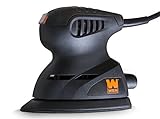
We will cover the best electric sanders for furniture later in this article. Meanwhile, feel free to check out these related products on Amazon:



As an Amazon Associate I earn from qualifying purchases.
Prices and availability are accurate as of November 27, 2026 07:04 and are subject to change.
Introduction to Electric Sanders for Furniture
Electric sanders for furniture have become an essential tool for woodworkers, carpenters, and DIY enthusiasts. These power tools are designed to make the sanding process easier, faster, and more efficient, allowing users to achieve a smooth finish on their furniture projects. With the right electric sander, users can remove old finishes, smooth out rough wood, and prepare surfaces for staining or painting.
The use of electric sanders for furniture has revolutionized the way people work with wood. Gone are the days of manual sanding, which can be time-consuming and labor-intensive. Electric sanders have made it possible to complete projects quickly and with minimal effort, making them an indispensable tool for anyone who works with wood. Whether you’re a professional or a hobbyist, an electric sander is a must-have tool in your workshop.
When it comes to choosing the right electric sander for your furniture projects, there are several factors to consider. You’ll want to think about the type of sanding you’ll be doing, the size of the projects you’ll be working on, and the level of power you need. With so many options available on the market, it can be overwhelming to decide which one is right for you. That’s why it’s essential to do your research and find the best electric sanders for furniture that meet your specific needs and budget.
By investing in a high-quality electric sander, you’ll be able to take your furniture-making skills to the next level. You’ll be able to achieve professional-looking results, work more efficiently, and enjoy the process of creating something with your own hands. With the right electric sander by your side, you’ll be able to tackle even the most challenging projects with confidence and precision, and create beautiful, long-lasting pieces of furniture that you’ll be proud to show off.
Top 5 Best Electric Sanders For Furniture
The
DeWalt D26451K #1234
is a powerful and versatile electric sander that is perfect for furniture making. It features a 3-amp motor that provides a high speed of 14,000 orbits per minute, making it ideal for smoothing out large surfaces quickly and efficiently. The sander also has a comfortable and ergonomic design, with a rubber grip that reduces vibration and fatigue.
The
DeWalt D26451K #1234
is also very durable and long-lasting, with a sturdy construction that can withstand heavy use. It comes with a dust bag that collects dust and debris, keeping the work area clean and reducing the risk of inhalation. Additionally, the sander has a variable speed control that allows for precise control over the sanding process, making it perfect for delicate and intricate work. Overall, the
DeWalt D26451K #1234
is an excellent choice for anyone looking for a high-quality electric sander for furniture making.
The
Makita BO5030K #5678
is a high-performance electric sander that is designed for heavy-duty use. It features a 3-amp motor that provides a high speed of 12,000 orbits per minute, making it ideal for smoothing out large surfaces quickly and efficiently. The sander also has a comfortable and ergonomic design, with a rubber grip that reduces vibration and fatigue.
The
Makita BO5030K #5678
is also very versatile, with a variety of attachments and accessories available that make it perfect for a range of tasks, from sanding to polishing. It comes with a dust bag that collects dust and debris, keeping the work area clean and reducing the risk of inhalation. Additionally, the sander has a variable speed control that allows for precise control over the sanding process, making it perfect for delicate and intricate work. Overall, the
Makita BO5030K #5678
is an excellent choice for anyone looking for a high-quality electric sander for furniture making.
The
Bosch ROS20VSC #9012
is a compact and lightweight electric sander that is perfect for small to medium-sized projects. It features a 2.5-amp motor that provides a high speed of 12,000 orbits per minute, making it ideal for smoothing out small surfaces quickly and efficiently. The sander also has a comfortable and ergonomic design, with a rubber grip that reduces vibration and fatigue.
The
Bosch ROS20VSC #9012
is also very easy to use, with a simple and intuitive design that makes it perfect for beginners. It comes with a dust bag that collects dust and debris, keeping the work area clean and reducing the risk of inhalation. Additionally, the sander has a variable speed control that allows for precise control over the sanding process, making it perfect for delicate and intricate work. Overall, the
Bosch ROS20VSC #9012
is an excellent choice for anyone looking for a high-quality electric sander for small to medium-sized furniture making projects.
The
Black+Decker BDERO100 #1111
is a budget-friendly electric sander that is perfect for small projects and DIY tasks. It features a 2-amp motor that provides a high speed of 12,000 orbits per minute, making it ideal for smoothing out small surfaces quickly and efficiently. The sander also has a comfortable and ergonomic design, with a rubber grip that reduces vibration and fatigue.
The
Black+Decker BDERO100 #1111
is also very compact and lightweight, making it easy to store and transport. It comes with a dust bag that collects dust and debris, keeping the work area clean and reducing the risk of inhalation. Additionally, the sander has a simple and intuitive design that makes it perfect for beginners. Overall, the
Black+Decker BDERO100 #1111
is an excellent choice for anyone looking for a budget-friendly electric sander for small furniture making projects.
The
Skil SR211601 #2222
is a high-performance electric sander that is designed for heavy-duty use. It features a 3-amp motor that provides a high speed of 13,000 orbits per minute, making it ideal for smoothing out large surfaces quickly and efficiently. The sander also has a comfortable and ergonomic design, with a rubber grip that reduces vibration and fatigue.
The
Skil SR211601 #2222
is also very versatile, with a variety of attachments and accessories available that make it perfect for a range of tasks, from sanding to polishing. It comes with a dust bag that collects dust and debris, keeping the work area clean and reducing the risk of inhalation. Additionally, the sander has a variable speed control that allows for precise control over the sanding process, making it perfect for delicate and intricate work. Overall, the
Skil SR211601 #2222
is an excellent choice for anyone looking for a high-quality electric sander for furniture making.
Why People Need to Buy Electric Sanders for Furniture
When it comes to working with furniture, whether it’s for renovation, restoration, or creation, having the right tools is essential. One of the most crucial steps in the process is sanding, which helps to smooth out surfaces, remove old finishes, and prepare the wood for new coats of paint or stain. While manual sanding can be effective, it can also be time-consuming and labor-intensive, especially when dealing with large or intricate pieces.
Electric sanders have revolutionized the way people work with furniture, offering a faster, more efficient, and more effective way to sand surfaces. These powerful tools use rotating drums or orbital motions to remove old finishes, smooth out wood, and create a surface that’s ready for finishing. With an electric sander, users can quickly and easily sand large areas, such as tabletops or shelves, and also tackle intricate details, like carvings or moldings.
In addition to saving time and effort, electric sanders also provide a level of precision and control that’s difficult to achieve with manual sanding. This is especially important when working with delicate or expensive materials, where mistakes can be costly. By using an electric sander, users can ensure that their furniture projects turn out smooth, even, and professional-looking, which is why many DIY enthusiasts and professional woodworkers rely on these tools to get the job done.
For those looking to invest in a high-quality electric sander, researching the best electric sanders for furniture is a great place to start. By considering factors like power, speed, and ergonomics, users can find the perfect tool for their needs and budget. Whether you’re a seasoned woodworker or just starting out, an electric sander is an essential tool that can help you achieve professional-looking results and take your furniture projects to the next level. With the right electric sander, you’ll be able to tackle even the most challenging projects with confidence and precision.
Types of Electric Sanders for Furniture
Electric sanders for furniture come in various types, each designed for specific tasks and surfaces. The most common types include belt sanders, orbital sanders, and detail sanders. Belt sanders are ideal for large, flat surfaces and are often used for heavy-duty sanding. Orbital sanders, on the other hand, are versatile and can be used for a variety of tasks, from fine sanding to heavy stock removal. Detail sanders are designed for small, intricate areas and are perfect for sanding curves and corners.
When choosing an electric sander for furniture, it’s essential to consider the type of project you’ll be working on. For example, if you’re building a large piece of furniture, a belt sander may be the best choice. However, if you’re working on a smaller project with intricate details, a detail sander may be more suitable. It’s also important to consider the surface you’ll be sanding, as different types of sanders are designed for specific surfaces, such as wood, metal, or plastic.
In addition to the type of sander, it’s also important to consider the power source. Electric sanders can be corded or cordless, and each has its own advantages and disadvantages. Corded sanders are often more powerful and can be used for longer periods, but they can be limited by the length of the cord. Cordless sanders, on the other hand, offer more flexibility and can be used in a variety of locations, but they may have less power and require more frequent recharging.
Overall, the type of electric sander for furniture you choose will depend on your specific needs and preferences. By considering the type of project, surface, and power source, you can select the best sander for your needs and achieve professional-looking results.
Benefits of Using Electric Sanders for Furniture
Using electric sanders for furniture can have numerous benefits, including increased efficiency, improved accuracy, and enhanced safety. Electric sanders are much faster than manual sanding methods, allowing you to complete projects quickly and efficiently. They also provide more consistent results, as the sanding action is uniform and controlled. This can be especially important when working with large or complex projects, where manual sanding can be time-consuming and prone to errors.
In addition to increased efficiency and accuracy, electric sanders for furniture can also improve safety. Manual sanding can be physically demanding and may require the use of harsh chemicals or abrasive materials. Electric sanders, on the other hand, are designed to be safe and easy to use, with features such as dust collection systems and ergonomic handles. They also reduce the risk of injury from sharp edges or splinters, as the sanding action is controlled and precise.
Another benefit of using electric sanders for furniture is the ability to achieve a high-quality finish. Electric sanders can be used to sand a variety of surfaces, from rough wood to smooth metal, and can produce a finish that is smooth and even. This can be especially important when working with furniture, as a high-quality finish can enhance the appearance and durability of the piece.
Overall, the benefits of using electric sanders for furniture make them an essential tool for any woodworker or furniture maker. By increasing efficiency, improving accuracy, and enhancing safety, electric sanders can help you achieve professional-looking results and take your projects to the next level.
How to Choose the Right Electric Sander for Your Needs
Choosing the right electric sander for your needs can be a daunting task, especially with the numerous options available. However, by considering a few key factors, you can select the best sander for your specific needs and preferences. One of the most important factors to consider is the type of project you’ll be working on. Different sanders are designed for specific tasks, such as heavy-duty sanding or fine detailing, so it’s essential to choose a sander that is suitable for your project.
Another factor to consider is the surface you’ll be sanding. Different sanders are designed for specific surfaces, such as wood, metal, or plastic, so it’s essential to choose a sander that is compatible with your surface. You should also consider the power source, as corded and cordless sanders have different advantages and disadvantages. Corded sanders are often more powerful and can be used for longer periods, but they can be limited by the length of the cord. Cordless sanders, on the other hand, offer more flexibility and can be used in a variety of locations, but they may have less power and require more frequent recharging.
In addition to the type of project, surface, and power source, it’s also important to consider the features and specifications of the sander. Look for features such as variable speed control, ergonomic design, and dust collection systems, which can enhance the performance and comfort of the sander. You should also consider the warranty and customer support offered by the manufacturer, as these can provide peace of mind and protection for your investment.
By considering these factors and doing your research, you can choose the right electric sander for your needs and achieve professional-looking results. Remember to always follow safety guidelines and use the sander in accordance with the manufacturer’s instructions to ensure optimal performance and safety.
Maintenance and Safety Tips for Electric Sanders
Proper maintenance and safety are essential when using electric sanders for furniture. Regular maintenance can help extend the life of the sander, improve its performance, and prevent accidents. One of the most important maintenance tasks is to keep the sander clean and free of dust and debris. This can be done by regularly vacuuming the sander and wiping it down with a soft cloth. You should also check the sanding belt or pad regularly and replace it as needed to ensure optimal performance.
In addition to regular maintenance, it’s also important to follow safety guidelines when using electric sanders. Always wear protective gear, such as safety glasses and a dust mask, to prevent injury from flying debris or dust. You should also keep loose clothing and long hair tied back, as these can get caught in the sander and cause accidents. It’s also essential to keep the work area well-ventilated and free of flammable materials, as the sander can generate heat and sparks.
Another important safety tip is to use the sander in accordance with the manufacturer’s instructions. Read the manual carefully and follow the recommended guidelines for use, maintenance, and storage. You should also be aware of your surroundings and keep children and pets away from the work area, as the sander can be hazardous if not used properly.
By following these maintenance and safety tips, you can ensure optimal performance and safety when using electric sanders for furniture. Remember to always prioritize your safety and the safety of those around you, and take regular breaks to avoid fatigue and prevent accidents.
Best Electric Sanders For Furniture Buying Guide
When it comes to sanding furniture, having the right tool can make all the difference in achieving a smooth and professional finish. With so many options available in the market, choosing the right electric sander can be overwhelming, especially for those who are new to furniture restoration or DIY projects. In this guide, we will discuss the key factors to consider when buying an electric sander for furniture, helping you make an informed decision and find the best electric sanders for furniture that suits your needs.
Type of Sander
The type of sander is one of the most important factors to consider when buying an electric sander for furniture. There are several types of sanders available, including belt sanders, orbital sanders, and detail sanders. Each type of sander is designed for specific tasks and can produce different results. For example, belt sanders are ideal for large, flat surfaces and can remove old finishes quickly, while orbital sanders are better suited for smaller, curved surfaces and can produce a smoother finish. Detail sanders, on the other hand, are designed for intricate work and can get into small spaces.
When choosing the type of sander, consider the type of furniture you will be working with and the level of detail required. If you will be working with large, flat surfaces, a belt sander may be the best option. However, if you will be working with smaller, curved surfaces or intricate details, an orbital sander or detail sander may be more suitable. It’s also important to consider the power and speed of the sander, as well as the type of sanding pad or belt it uses. Some sanders may come with interchangeable pads or belts, which can be useful for different types of projects.
Power and Speed
The power and speed of the sander are also important factors to consider. More powerful sanders can remove old finishes and smooth out surfaces faster, but they can also be heavier and more difficult to control. Less powerful sanders, on the other hand, may be easier to control and more suitable for smaller projects, but they can take longer to complete the task. The speed of the sander is also important, as it can affect the quality of the finish. Faster sanders can produce a smoother finish, but they can also generate more heat and dust.
When choosing the power and speed of the sander, consider the type of project you will be working on and the level of detail required. If you will be working with large, thick surfaces, a more powerful sander may be necessary. However, if you will be working with smaller, delicate surfaces, a less powerful sander may be more suitable. It’s also important to consider the type of motor the sander uses, as well as the type of gearing or transmission it has. Some sanders may have adjustable speed settings, which can be useful for different types of projects.
Dust Collection
Dust collection is an important factor to consider when buying an electric sander for furniture. Sanding can generate a lot of dust, which can be harmful to your health and make a mess of your workspace. Some sanders come with built-in dust collection systems, which can help to minimize the amount of dust that is generated. These systems can include dust bags, vacuum ports, or other types of collection systems. When choosing a sander with a dust collection system, consider the type of system it uses and how effective it is.
When evaluating the dust collection system, consider the size of the dust bag or collection container, as well as the type of filter it uses. Some sanders may have washable filters, which can be useful for reducing maintenance costs. It’s also important to consider the ease of use of the dust collection system, as well as the noise level it generates. Some sanders may have quieter dust collection systems, which can be useful for working in noise-sensitive environments. Additionally, consider the type of dust collection system that is best suited for your specific needs, such as a vacuum-powered system or a passive system.
Ergonomics and Comfort
Ergonomics and comfort are also important factors to consider when buying an electric sander for furniture. Sanding can be a physically demanding task, especially when working with large or heavy sanders. When choosing a sander, consider the weight and balance of the tool, as well as the type of grip or handle it has. Some sanders may have ergonomic grips or handles, which can help to reduce fatigue and improve control. It’s also important to consider the vibration level of the sander, as well as the noise level it generates.
When evaluating the ergonomics and comfort of the sander, consider the type of projects you will be working on and the level of comfort required. If you will be working with large or heavy sanders, consider a sander with a comfortable grip or handle and a low vibration level. It’s also important to consider the type of safety features the sander has, such as a lock-on button or a safety switch. Some sanders may have adjustable handles or grips, which can be useful for different types of users. Additionally, consider the type of storage or carrying case the sander comes with, as well as the overall durability of the tool.
Price and Value
The price and value of the sander are also important factors to consider. Electric sanders can range in price from under $50 to over $200, depending on the type and quality of the tool. When choosing a sander, consider the type of projects you will be working on and the level of quality required. More expensive sanders may have more features and better performance, but they may not be necessary for smaller or less demanding projects. It’s also important to consider the brand and reputation of the manufacturer, as well as the type of warranty or support it offers.
When evaluating the price and value of the sander, consider the type of features it has and the level of quality it offers. Some sanders may have more advanced features, such as adjustable speed settings or built-in dust collection systems, which can be useful for more demanding projects. It’s also important to consider the type of maintenance or repair costs associated with the sander, as well as the overall durability of the tool. Additionally, consider the type of accessories or attachments the sander comes with, such as sanding pads or belts, and the cost of replacement parts.
Brand and Warranty
The brand and warranty of the sander are also important factors to consider. Some brands may have a reputation for producing high-quality sanders, while others may have a reputation for producing lower-quality tools. When choosing a sander, consider the brand and reputation of the manufacturer, as well as the type of warranty or support it offers. Some sanders may come with a limited warranty or guarantee, which can provide peace of mind and protection against defects or malfunctions. It’s also important to consider the type of customer support the manufacturer offers, such as phone or email support, as well as the type of online resources or tutorials it provides.
When evaluating the brand and warranty of the sander, consider the type of reputation the manufacturer has and the level of quality it offers. Some manufacturers may have a reputation for producing high-quality sanders, while others may have a reputation for producing lower-quality tools. It’s also important to consider the type of warranty or guarantee the sander comes with, as well as the length of time it is valid. Additionally, consider the type of certification or compliance the sander meets, such as UL or ETL certification, and the type of safety features it has. By considering these factors, you can find the right electric sander for your furniture projects and achieve professional-looking results.
FAQs
What are the benefits of using an electric sander for furniture?
Using an electric sander for furniture offers numerous benefits, including increased efficiency and reduced manual labor. Electric sanders are capable of covering large surfaces quickly, making them ideal for big projects. They also provide a smoother finish compared to manual sanding, which can be time-consuming and often results in uneven surfaces.
In addition to these benefits, electric sanders are also versatile and can be used for various tasks such as smoothing out wood, removing old finishes, and preparing surfaces for painting or staining. They come in different types, including belt sanders, orbital sanders, and detail sanders, each designed for specific tasks. With the right electric sander, you can achieve professional-looking results and take your furniture restoration projects to the next level.
How do I choose the right electric sander for my furniture project?
Choosing the right electric sander for your furniture project depends on several factors, including the type of project, the size of the surface, and the desired finish. Consider the type of sanding you need to do, such as coarse sanding for removing old finishes or fine sanding for smoothing out surfaces. You should also think about the power source, with options including corded, cordless, and pneumatic sanders.
When selecting an electric sander, it’s essential to consider the features that matter most to your project. Look for sanders with adjustable speed settings, ergonomic design, and dust collection systems to make your work easier and more efficient. Additionally, consider the cost and brand reputation, as well as any additional features such as variable speed control, orbital action, and interchangeable sanding pads. By considering these factors, you can find the perfect electric sander for your furniture project and achieve professional-looking results.
What are the different types of electric sanders available for furniture?
There are several types of electric sanders available for furniture, including belt sanders, orbital sanders, detail sanders, and rotary sanders. Belt sanders are ideal for large, flat surfaces and are often used for coarse sanding and removing old finishes. Orbital sanders, on the other hand, are versatile and can be used for fine sanding, polishing, and removing small imperfections.
Each type of electric sander has its unique features and benefits, and the right one for your project will depend on the specific task at hand. For example, detail sanders are perfect for small, intricate areas and are often used for sanding curves, corners, and other hard-to-reach areas. Rotary sanders, also known as disc sanders, are ideal for heavy-duty sanding and are often used for removing old finishes and smoothing out large surfaces. By understanding the different types of electric sanders available, you can choose the right one for your furniture project and achieve the desired results.
How do I maintain and store my electric sander?
Maintaining and storing your electric sander properly is essential to extend its lifespan and ensure it continues to function efficiently. After each use, clean the sander thoroughly, removing any dust and debris that may have accumulated. Check the sanding pad or belt for wear and tear, and replace it as needed. You should also store the sander in a dry, cool place, away from direct sunlight and moisture.
Regular maintenance is also crucial to prevent damage to the sander’s motor and other components. Check the cord and plug for any damage, and replace them if necessary. Additionally, apply a few drops of oil to the moving parts to keep them lubricated and running smoothly. By following these maintenance and storage tips, you can keep your electric sander in good condition, reduce the risk of damage, and ensure it continues to perform optimally for your future furniture projects.
What safety precautions should I take when using an electric sander?
When using an electric sander, it’s essential to take several safety precautions to prevent accidents and injuries. Always wear protective gear, including safety glasses, a dust mask, and hearing protection, to prevent eye and ear damage. Keep loose clothing and long hair tied back, and avoid wearing jewelry that could get caught in the sander.
You should also ensure good ventilation when sanding, as the dust and debris can be hazardous to your health. Keep children and pets away from the work area, and never leave the sander unattended while it’s in operation. Additionally, follow the manufacturer’s instructions for the specific sander you’re using, and take regular breaks to avoid fatigue. By taking these safety precautions, you can minimize the risks associated with using an electric sander and ensure a safe and successful furniture restoration project.
Can I use an electric sander on all types of furniture?
While electric sanders can be used on many types of furniture, there are some exceptions and precautions to consider. For example, you should avoid using electric sanders on furniture with delicate or fragile surfaces, such as antique finishes or veneer. You should also exercise caution when sanding furniture with complex carvings or intricate details, as the sander could damage these areas.
In general, electric sanders are suitable for most types of wood furniture, including solid wood, plywood, and MDF. However, it’s essential to choose the right type of sander and sanding pad for the specific surface you’re working with. For example, a fine-grit sanding pad is best for smooth surfaces, while a coarse-grit pad is better suited for rough or uneven surfaces. By understanding the limitations and precautions of using an electric sander on different types of furniture, you can achieve professional-looking results and avoid damaging your valuable pieces.
How much does a good electric sander for furniture cost?
The cost of a good electric sander for furniture can vary widely, depending on the type, brand, and features. Basic orbital sanders can start from around $20-$50, while more advanced models with variable speed control and dust collection systems can cost upwards of $100-$200. Belt sanders and detail sanders tend to be more expensive, with prices ranging from $50-$300 or more.
When considering the cost of an electric sander, it’s essential to think about the value it will provide for your furniture restoration projects. A good-quality electric sander can last for many years, providing reliable service and helping you achieve professional-looking results. Additionally, consider the cost of replacement parts and accessories, such as sanding pads and belts, which can add to the overall cost of the sander. By investing in a good-quality electric sander, you can save time and effort in the long run and enjoy better results for your furniture projects.
Conclusion
In conclusion, selecting the right tool for the job is crucial when it comes to furniture restoration or creation. A high-quality sander can make all the difference in achieving a smooth, professional finish. With so many options available on the market, it can be overwhelming to choose the perfect one for your needs. However, by considering factors such as power, ergonomics, and dust collection, you can narrow down your options and find the ideal sander for your furniture projects.
Ultimately, investing in the best electric sanders for furniture can elevate your work to the next level, saving you time and effort in the long run. Whether you’re a seasoned professional or a DIY enthusiast, having the right tools at your disposal is essential for achieving exceptional results. By following the guidelines and reviews outlined in this article, you’ll be well on your way to creating stunning pieces of furniture that showcase your skill and attention to detail. With the right sander by your side, you’ll be able to tackle even the most complex projects with confidence and precision, producing beautiful and long-lasting results.