As the temperatures drop, having the right outerwear can make all the difference in keeping you cozy and comfortable. Whether you’re braving the elements for a winter hike, commuting to work, or simply running errands, a good coat is essential for protecting you from the cold. With so many options available, it can be overwhelming to choose the perfect one, but don’t worry, we’ve got you covered. In this article, we’ll explore the best coats for staying warm, highlighting the key features and technologies that will keep you toasty even in the chilliest of conditions.
From parkas to pea coats, and from down-filled to synthetic insulation, the world of winter coats is vast and varied. With different styles, materials, and price points to consider, it’s easy to get lost in the sea of options. But what sets a great coat apart from a good one? Is it the waterproof and breathable membrane, the adjustable cuffs and hem, or the cleverly designed pockets? In the following sections, we’ll dive into the details of what makes a great winter coat, and provide you with a comprehensive guide to help you make an informed decision when it comes to choosing the perfect coat for your needs. Whether you’re a seasoned outdoor enthusiast or just looking for a reliable and warm coat for everyday wear, we’ll help you find the perfect one to keep you warm and cozy all winter long.
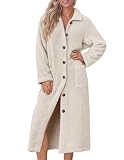
We will cover the best coats for staying warm later in this article. Meanwhile, feel free to check out these related products on Amazon:



As an Amazon Associate I earn from qualifying purchases.
Prices and availability are accurate as of November 25, 2026 14:52 and are subject to change.
Introduction to Coats for Staying Warm
When it comes to braving the cold weather, having the right coat can make all the difference. A good coat can provide the necessary warmth and protection from the elements, allowing you to enjoy the outdoors even in the chilliest of temperatures. With so many different types of coats available, it can be difficult to know which one to choose. However, by considering factors such as material, insulation, and style, you can find the perfect coat to suit your needs.
In general, coats for staying warm are designed to provide maximum insulation and protection from the cold. They are typically made with thick, heavy materials such as wool, down, or synthetic insulation, which help to trap warm air and keep the cold out. Many coats also feature additional features such as hoods, gloves, and adjustable cuffs, which can help to prevent heat from escaping. By choosing a coat with these features, you can stay warm and comfortable even in extremely cold conditions.
For those looking for the best coats for staying warm, there are many different options to consider. From parkas and ski jackets to pea coats and trench coats, there is a wide range of styles and designs to choose from. Some coats are designed specifically for outdoor activities such as skiing or hiking, while others are more suited to everyday wear. By considering your specific needs and preferences, you can find a coat that not only keeps you warm but also looks great and fits your lifestyle.
Ultimately, the key to staying warm and comfortable in cold weather is to choose a coat that is well-made, well-insulated, and suitable for your needs. By doing some research and considering your options carefully, you can find a coat that will keep you warm and cozy all winter long. Whether you’re looking for a stylish and fashionable coat or a practical and functional one, there are many great options available to help you stay warm and enjoy the cold weather.
Top 5 Best Coats For Staying Warm
The
1. Canada Goose Expedition Parka
is a top-of-the-line coat designed for extreme cold weather conditions. It features a durable and water-resistant design, making it perfect for outdoor activities such as skiing, snowboarding, or hiking in freezing temperatures. The coat is filled with high-loft insulation that traps warm air and keeps you cozy, even in the most extreme cold.
The
1. Canada Goose Expedition Parka
also boasts a range of features that enhance its warmth and functionality, including adjustable cuffs, a hood, and multiple pockets for storing essentials. The coat’s design is both stylish and practical, making it a great choice for everyday wear as well as outdoor adventures. With its exceptional warmth, durability, and features, the
1. Canada Goose Expedition Parka
is an excellent investment for anyone who spends a lot of time outdoors in cold weather.
The
2. The North Face Thermoball Parka
is a versatile and warm coat that is perfect for a range of outdoor activities, from hiking and camping to skiing and snowboarding. It features a unique thermoball insulation that provides excellent warmth even when wet, making it a great choice for outdoor enthusiasts who need a reliable and warm coat. The coat also boasts a range of features, including a hood, adjustable cuffs, and multiple pockets for storing essentials.
The
2. The North Face Thermoball Parka
is also designed with style and practicality in mind, featuring a sleek and modern design that looks great both on and off the mountain. The coat is also highly durable, with a water-resistant and breathable design that can withstand harsh weather conditions. With its exceptional warmth, versatility, and features, the
2. The North Face Thermoball Parka
is an excellent choice for anyone who needs a reliable and warm coat for outdoor activities.
The
3. Patagonia Tres 3-in-1 Parka
is a highly versatile coat that can be worn in a range of different configurations, making it perfect for outdoor enthusiasts who need a coat that can adapt to changing weather conditions. The coat features a unique 3-in-1 design, which allows it to be worn as a single layer, a fleece jacket, or a fully insulated parka. This makes it an excellent choice for activities such as hiking, camping, or skiing, where the weather can change quickly.
The
3. Patagonia Tres 3-in-1 Parka
also boasts a range of features that enhance its warmth and functionality, including a hood, adjustable cuffs, and multiple pockets for storing essentials. The coat is also designed with sustainability in mind, featuring a range of environmentally-friendly materials and production methods. With its exceptional versatility, warmth, and eco-friendly design, the
3. Patagonia Tres 3-in-1 Parka
is an excellent choice for outdoor enthusiasts who need a reliable and adaptable coat.
The
4. Columbia Omni-Heat Parka
is a highly innovative coat that features a unique omni-heat technology, which helps to retain warmth and reduce heat loss. The coat is designed for extreme cold weather conditions, making it perfect for outdoor activities such as skiing, snowboarding, or ice climbing. It also features a range of other technologies, including a breathable and moisture-wicking design, which helps to keep you dry and comfortable.
The
4. Columbia Omni-Heat Parka
also boasts a range of features that enhance its warmth and functionality, including a hood, adjustable cuffs, and multiple pockets for storing essentials. The coat is also highly durable, with a water-resistant and breathable design that can withstand harsh weather conditions. With its exceptional warmth, innovative technology, and features, the
4. Columbia Omni-Heat Parka
is an excellent choice for outdoor enthusiasts who need a reliable and warm coat for extreme cold weather conditions.
The
5. Arc’teryx Beta AR Parka
is a premium coat designed for extreme cold weather conditions, featuring a range of advanced technologies and materials that provide exceptional warmth and durability. The coat boasts a unique Gore-Tex design, which provides a waterproof and breathable barrier against the elements. It also features a range of other technologies, including a high-loft insulation and a adjustable hood, which helps to retain warmth and reduce heat loss.
The
5. Arc’teryx Beta AR Parka
is also designed with style and practicality in mind, featuring a sleek and modern design that looks great both on and off the mountain. The coat is also highly durable, with a range of reinforced materials and construction methods that can withstand harsh weather conditions. With its exceptional warmth, advanced technology, and features, the
5. Arc’teryx Beta AR Parka
is an excellent choice for outdoor enthusiasts who need a reliable and warm coat for extreme cold weather conditions.
Why People Need to Buy Coats for Staying Warm
During the colder months of the year, temperatures can drop significantly, making it essential for individuals to prioritize their warmth and comfort. One of the most effective ways to achieve this is by wearing a suitable coat that can provide adequate insulation and protection from the elements. Without a proper coat, people may be exposed to harsh weather conditions, which can lead to discomfort, illness, and even serious health problems.
The primary reason people need to buy coats for staying warm is to maintain their body heat and prevent it from being lost to the surrounding environment. When the body is unable to retain its heat, it can lead to a range of issues, including hypothermia, frostbite, and respiratory problems. A good coat can help to trap warm air close to the body, reducing heat loss and keeping the individual warm and comfortable. This is especially important for people who spend a lot of time outdoors, such as those who work or engage in recreational activities in cold weather.
In addition to providing warmth, coats can also offer protection from wind, rain, and snow. A waterproof and breathable coat can help to keep the individual dry and comfortable, even in the most challenging weather conditions. Furthermore, a coat can also provide a layer of protection from the wind, which can be particularly important for people who live in areas with high winds or those who enjoy outdoor activities such as skiing or hiking. By investing in a high-quality coat, individuals can ensure that they stay warm, dry, and comfortable, regardless of the weather.
When it comes to choosing the right coat, there are many options available, and it’s essential to select one that meets your specific needs and preferences. Looking for the best coats for staying warm can be a daunting task, but by considering factors such as insulation, waterproofing, and breathability, individuals can find a coat that provides them with the warmth and protection they need. By prioritizing their warmth and comfort, people can enjoy the outdoors, even in the coldest of temperatures, and stay healthy and happy throughout the year.
Types of Coats for Different Weather Conditions
When it comes to staying warm, different weather conditions require different types of coats. For example, in rainy or snowy weather, a waterproof and breathable coat is essential to keep you dry and warm. In colder climates, a coat with a high fill power rating and a waterproof membrane is necessary to trap warm air and prevent heat loss. On the other hand, in milder weather, a lightweight and breathable coat may be more suitable to prevent overheating. Understanding the different types of coats available and their features can help you make an informed decision when choosing a coat for staying warm.
In addition to the type of weather, the activity level of the wearer is also an important factor to consider when choosing a coat. For example, if you plan to engage in high-intensity activities such as skiing or snowboarding, a coat with a high level of breathability and moisture-wicking properties is necessary to prevent overheating and discomfort. On the other hand, if you plan to engage in low-intensity activities such as walking or hiking, a coat with a higher level of insulation and warmth may be more suitable.
The material of the coat is also an important factor to consider. For example, down-filled coats are generally warmer and more lightweight than synthetic-filled coats, but they may not perform as well in wet weather. Synthetic-filled coats, on the other hand, are generally more breathable and moisture-wicking than down-filled coats, but they may not be as warm. Understanding the pros and cons of different materials can help you make an informed decision when choosing a coat for staying warm.
Ultimately, the best coat for staying warm will depend on a variety of factors, including the weather conditions, activity level, and personal preferences of the wearer. By considering these factors and understanding the different types of coats available, you can choose a coat that meets your needs and keeps you warm and comfortable in cold weather.
Key Features to Look for in a Warm Coat
When shopping for a warm coat, there are several key features to look for to ensure that you stay warm and comfortable. One of the most important features is the fill power rating, which measures the loft and warmth of the coat. A higher fill power rating generally indicates a warmer and more lightweight coat. Another important feature is the waterproof and breathable membrane, which helps to prevent heat loss and keep you dry in wet weather.
In addition to the fill power rating and waterproof membrane, the material of the coat is also an important factor to consider. Look for coats made from high-quality materials such as down or synthetic insulation, and consider the weight and breathability of the coat. A coat with a high level of breathability and moisture-wicking properties can help to prevent overheating and discomfort, while a coat with a high level of insulation and warmth can help to keep you warm in cold weather.
The fit and design of the coat are also important factors to consider. Look for coats with a fitted design and adjustable cuffs and hem to help prevent heat loss and keep you warm. Consider the length and style of the coat, and choose a coat that meets your needs and preferences. For example, a longer coat may be more suitable for colder climates, while a shorter coat may be more suitable for milder weather.
Finally, consider the additional features of the coat, such as pockets, hoods, and adjustable features. Look for coats with multiple pockets to store small items, and consider the type and quality of the zippers and other hardware. A coat with a high-quality hood and adjustable features can help to keep you warm and comfortable in cold weather, and provide a high level of versatility and functionality.
Benefits of Investing in a High-Quality Warm Coat
Investing in a high-quality warm coat can have a number of benefits, from keeping you warm and comfortable in cold weather to providing a high level of durability and versatility. A high-quality coat can help to prevent heat loss and keep you warm, even in extremely cold temperatures, and can provide a high level of breathability and moisture-wicking properties to prevent overheating and discomfort.
In addition to the physical benefits, a high-quality warm coat can also provide a number of psychological benefits. For example, wearing a warm and comfortable coat can help to boost your mood and energy levels, and provide a sense of confidence and well-being. A high-quality coat can also provide a high level of style and sophistication, and can be a valuable addition to your wardrobe.
A high-quality warm coat can also be a valuable investment in the long run. While it may be more expensive than a lower-quality coat, it can provide a high level of durability and versatility, and can last for many years with proper care and maintenance. Consider the cost per wear of the coat, and think about the number of times you will wear it and the benefits it will provide.
Finally, consider the environmental benefits of investing in a high-quality warm coat. A high-quality coat can be made from sustainable materials and produced using environmentally-friendly methods, and can provide a high level of durability and longevity to reduce waste and minimize its impact on the environment.
Caring and Maintaining Your Warm Coat
To get the most out of your warm coat and keep it in good condition, it’s essential to care for and maintain it properly. One of the most important things to consider is how to clean the coat. Check the care label to see if the coat can be machine washed or if it needs to be dry cleaned, and follow the manufacturer’s instructions carefully. Avoid using harsh detergents or bleach, and consider using a gentle cleaning product specifically designed for cleaning coats.
In addition to cleaning the coat, it’s also important to store it properly when not in use. Consider storing the coat in a cool, dry place away from direct sunlight, and avoid folding or creasing the coat to prevent damage to the material. Use a breathable storage bag or container to store the coat, and consider adding a few silica gel packets to absorb moisture and prevent mold and mildew.
To maintain the coat and keep it in good condition, consider applying a waterproof and breathable treatment to the fabric, and use a fabric refresher to keep the coat smelling fresh and clean. Avoid wearing the coat in extreme weather conditions, and consider applying a coat conditioner to keep the material soft and supple.
Finally, consider having the coat professionally cleaned and maintained on a regular basis. A professional cleaner can help to remove stubborn stains and odors, and can apply specialized treatments to keep the coat in good condition. By caring for and maintaining your warm coat properly, you can help to extend its lifespan and keep it looking its best for years to come.
Ultimate Buying Guide for Coats to Keep You Warm and Cozy
When it comes to braving the cold weather, a good coat is an essential investment. With so many options available in the market, choosing the right one can be overwhelming. In this guide, we will discuss the key factors to consider when buying coats to help you make an informed decision.
Material and Fabric
The material and fabric of a coat play a crucial role in determining its warmth and durability. Look for coats made from high-quality materials such as wool, down, or synthetic insulation. These materials provide excellent warmth and can withstand harsh weather conditions. Wool, in particular, is a popular choice for coats as it is breathable, moisture-wicking, and provides excellent insulation.
When choosing a coat, consider the type of fabric that suits your needs. For example, if you plan to wear the coat in wet conditions, look for one with a waterproof and breathable membrane such as Gore-Tex or similar technology. This will help keep you dry and comfortable. Additionally, consider the weight and thickness of the fabric, as this will affect the overall warmth and bulk of the coat.
Insulation and Fill Power
Insulation and fill power are critical factors to consider when buying a coat for warmth. Look for coats with high fill power, which indicates the loft and warmth of the insulation. Down-filled coats are popular for their excellent warmth-to-weight ratio, but synthetic insulation is also a good option for those who prefer a more affordable and hypoallergenic alternative.
When evaluating the insulation and fill power of a coat, consider the activity level and weather conditions you will be using it in. For example, if you plan to wear the coat for high-intensity activities such as skiing or snowboarding, look for one with a lower fill power to prevent overheating. On the other hand, if you plan to wear the coat for casual, low-intensity activities, a higher fill power may be more suitable.
Fit and Sizing
A well-fitting coat is essential for both comfort and warmth. Look for a coat that fits you snugly, but not too tightly, as this can restrict movement and compromise warmth. Consider the length of the coat, as well as the sleeve and hem adjustments, to ensure a secure and comfortable fit.
When trying on a coat, pay attention to the fit around the shoulders, chest, and waist. A coat that is too loose may allow cold air to enter, while one that is too tight may restrict movement. Additionally, consider the adjustability of the coat, such as the hood, cuffs, and hem, to ensure that you can customize the fit to your needs.
Water Resistance and Breathability
Water resistance and breathability are critical factors to consider when buying a coat for warmth. Look for coats with a waterproof and breathable membrane, such as Gore-Tex or similar technology, to keep you dry and comfortable in wet conditions. A breathable coat will also help prevent moisture buildup, which can compromise warmth and comfort.
When evaluating the water resistance and breathability of a coat, consider the activities you will be using it for. For example, if you plan to wear the coat for water sports or hiking, look for one with a high level of water resistance and breathability. On the other hand, if you plan to wear the coat for casual, dry-land activities, a lower level of water resistance and breathability may be sufficient.
Hood and Adjustable Features
A hood and adjustable features can make a significant difference in the warmth and comfort of a coat. Look for a coat with a adjustable hood to protect your head and neck from wind and rain. Additionally, consider a coat with adjustable cuffs, hem, and waist to customize the fit and prevent cold air from entering.
When evaluating the hood and adjustable features of a coat, consider the activities you will be using it for. For example, if you plan to wear the coat for high-wind activities such as skiing or snowboarding, look for one with a secure and adjustable hood. On the other hand, if you plan to wear the coat for casual, low-wind activities, a simpler hood design may be sufficient. The best coats for staying warm often have a range of adjustable features to customize the fit and comfort.
Additional Features and Accessories
Additional features and accessories can enhance the warmth and comfort of a coat. Look for coats with features such as thermal-lined pockets, adjustable powder skirts, and reinforced seams. These features can provide extra warmth and protection from the elements.
When evaluating the additional features and accessories of a coat, consider the activities you will be using it for. For example, if you plan to wear the coat for skiing or snowboarding, look for one with a powder skirt to prevent snow from entering the coat. On the other hand, if you plan to wear the coat for casual, urban activities, a simpler design without additional features may be sufficient. By considering these factors, you can find a coat that meets your needs and provides excellent warmth and comfort.
FAQs
What are the key factors to consider when buying a warm coat?
When buying a warm coat, there are several key factors to consider. The first factor is the type of insulation used in the coat. There are several types of insulation, including down, synthetic, and hybrid insulation. Each type of insulation has its own unique benefits and drawbacks. Down insulation, for example, is known for its warmth and lightness, but it can lose its insulating properties when wet. Synthetic insulation, on the other hand, is more durable and can retain its insulating properties even when wet.
In addition to the type of insulation, other factors to consider when buying a warm coat include the coat’s waterproof and breathability ratings, its weight and packability, and its features such as hood, pockets, and adjustable cuffs. It’s also important to consider the coat’s fit and style, as well as its price and brand reputation. By considering these factors, you can find a warm coat that meets your needs and provides you with the warmth and comfort you need in cold weather.
How do I choose the right size of coat for my body type?
Choosing the right size of coat for your body type is crucial to ensure that you stay warm and comfortable. To choose the right size, you should start by measuring your chest, waist, and hips. You can then use these measurements to determine your coat size based on the manufacturer’s sizing chart. It’s also a good idea to try on different sizes and styles to see which one fits you best. Consider the length of the coat, the fit of the sleeves, and the roominess of the body.
In addition to considering your body measurements, you should also think about your lifestyle and how you plan to use the coat. If you plan to wear the coat for outdoor activities such as hiking or skiing, you may want to choose a coat that is more fitted and athletic. On the other hand, if you plan to wear the coat for casual, everyday use, you may want to choose a coat that is more relaxed and comfortable. By considering your body type and lifestyle, you can choose a coat that fits you well and provides you with the warmth and comfort you need.
What is the difference between a waterproof and water-resistant coat?
A waterproof coat is designed to keep you completely dry in wet conditions, while a water-resistant coat is designed to resist water but may not keep you completely dry. Waterproof coats are typically made with a waterproof and breathable membrane, such as Gore-Tex or eVent, that prevents water from penetrating the fabric. Water-resistant coats, on the other hand, may be treated with a water-repellent coating or finish that helps to resist water but may not be completely waterproof.
In general, waterproof coats are a good choice for people who plan to spend a lot of time outdoors in wet conditions, such as hikers, skiers, or sailors. Water-resistant coats, on the other hand, are a good choice for people who want a coat that can handle occasional rain or snow but may not need the full protection of a waterproof coat. It’s worth noting that even waterproof coats may not be completely waterproof in extreme conditions, such as heavy rain or immersion in water. Therefore, it’s always a good idea to check the coat’s specifications and reviews to determine its level of water protection.
Can I wear a warm coat in mild winter weather?
While warm coats are designed to keep you warm in cold weather, they can also be worn in mild winter weather. In fact, many warm coats are designed to be versatile and can be worn in a range of temperatures. If you plan to wear a warm coat in mild winter weather, you may want to consider a coat that is more lightweight and breathable. This will help to prevent you from overheating and will also make the coat more comfortable to wear.
In addition to considering the weight and breathability of the coat, you should also think about the coat’s features and how they can be adjusted to suit mild winter weather. For example, many coats have adjustable cuffs and hem that can be opened to allow for more airflow and help to prevent overheating. You can also consider wearing a warm coat over lighter layers, such as a fleece or sweater, to help regulate your body temperature. By choosing a versatile and adjustable coat, you can wear it in a range of temperatures and stay comfortable and warm.
How do I care for and maintain my warm coat?
To care for and maintain your warm coat, you should start by reading the manufacturer’s care instructions. These instructions will provide you with specific guidance on how to wash, dry, and store the coat. In general, it’s a good idea to avoid machine washing and drying, as this can damage the coat’s insulation and waterproof membrane. Instead, you can hand wash the coat in cold water and allow it to air dry.
In addition to washing and drying the coat, you should also consider other ways to care for and maintain it. For example, you can use a fabric protector to help repel water and stains, and you can also use a cleaning product specifically designed for waterproof and breathable fabrics. You should also store the coat in a cool, dry place, away from direct sunlight and moisture. By following these care and maintenance instructions, you can help to extend the life of your warm coat and keep it looking its best.
What are the benefits of wearing a warm coat with a hood?
Wearing a warm coat with a hood can provide several benefits. One of the main benefits is that it can help to protect your head and neck from wind and cold. The hood can be adjusted to fit snugly around your head, helping to prevent heat from escaping and keeping you warm. Additionally, the hood can also help to protect your face and head from rain and snow, making it a great feature for people who spend a lot of time outdoors in wet conditions.
In addition to providing protection from the elements, a hood can also be a stylish and functional feature. Many coats have adjustable hoods that can be customized to fit your head and face, and some coats also have features such as a fleece-lined hood or a hood with a visor to help protect your eyes from the sun. By wearing a warm coat with a hood, you can stay warm and comfortable, while also looking stylish and put-together. Whether you’re hiking, skiing, or just running errands, a warm coat with a hood is a great choice for anyone who wants to stay warm and protected in cold weather.
Are expensive warm coats worth the investment?
Whether or not an expensive warm coat is worth the investment depends on several factors. If you plan to wear the coat frequently and in extreme weather conditions, it may be worth investing in a high-quality, expensive coat. These coats are often made with high-quality materials and construction, and can provide superior warmth, waterproofing, and breathability. Additionally, expensive coats may also have advanced features such as adjustable cuffs and hem, and may be more durable and long-lasting.
On the other hand, if you only plan to wear the coat occasionally or in mild weather conditions, a less expensive coat may be a better value. These coats can still provide good warmth and protection, but may not have all the advanced features and high-quality materials of more expensive coats. Ultimately, the decision to invest in an expensive warm coat depends on your budget, your needs, and your priorities. By considering these factors, you can make an informed decision and choose a coat that meets your needs and provides you with the warmth and comfort you need.
Conclusion
As the winter season approaches, it’s essential to prioritize warmth and comfort when selecting outerwear. A well-chosen coat can make all the difference in braving the cold weather, and with so many options available, it’s crucial to consider factors such as insulation, waterproofing, and breathability. By investing in a high-quality coat, individuals can ensure they stay warm and dry, even in the most extreme weather conditions. Whether commuting to work, engaging in outdoor activities, or simply running errands, a reliable coat is an indispensable piece of clothing.
In conclusion, finding the best coats for staying warm is a matter of considering individual needs, preferences, and lifestyles. By weighing the pros and cons of different styles, materials, and features, consumers can make informed decisions that meet their specific requirements. With the right coat, individuals can enjoy the winter season without worrying about the cold, and instead, focus on the things that bring them joy. By choosing a coat that balances warmth, style, and functionality, anyone can stay cozy and confident, no matter what the weather throws their way.