Running is an excellent way to stay fit and healthy, but it can also be tough on the body, particularly for those who suffer from tendonitis. Tendonitis is a common condition that causes pain and inflammation in the tendons, which are the tissues that connect muscles to bones. For runners, tendonitis can be a major setback, making every step feel like a chore. However, with the right gear, it’s possible to reduce the discomfort and get back to running with ease. Finding the right shoes can make all the difference, and that’s why we’ve put together this guide to help you find the best running shoes for tendonitis.
Whether you’re a seasoned marathon runner or just starting out, having the right shoes can help alleviate the symptoms of tendonitis and prevent further injury. A good pair of running shoes can provide the necessary support, cushioning, and stability to reduce stress on the tendons and promote healing. With so many options available on the market, it can be overwhelming to choose the right pair. In this article, we’ll take a closer look at the key features to consider when shopping for running shoes, and provide reviews of some of the top models that can help you get back to running without the pain and discomfort of tendonitis. By the end of this guide, you’ll be equipped with the knowledge to find the perfect pair of shoes to suit your needs and get back to running with confidence.
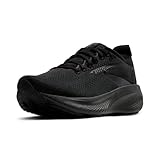
We will cover the best running shoes for tendonitis later in this article. Meanwhile, feel free to check out these related products on Amazon:



As an Amazon Associate I earn from qualifying purchases.
Prices and availability are accurate as of November 26, 2026 04:12 and are subject to change.
Introduction to Running Shoes for Tendonitis
Tendonitis is a common injury that affects many runners, causing pain and discomfort in the tendons. This condition can be debilitating, making it challenging for runners to perform at their best. As a result, it is essential to find the right running shoes that can help alleviate the symptoms of tendonitis and provide the necessary support and comfort.
Running shoes designed for tendonitis typically have specific features that cater to the needs of runners suffering from this condition. These features may include additional cushioning, support, and stability to reduce the stress and strain on the tendons. By providing a more comfortable and supportive ride, these shoes can help runners to continue training and competing without exacerbating the injury.
When searching for the best running shoes for tendonitis, it is crucial to consider the individual’s specific needs and preferences. This includes factors such as foot shape, running style, and the severity of the tendonitis. By choosing the right shoe, runners can help to manage their condition and reduce the risk of further injury. With the right shoe, runners can continue to enjoy their sport while minimizing the discomfort and pain associated with tendonitis.
In the following sections, we will delve deeper into the world of running shoes for tendonitis, exploring the key features, benefits, and recommendations for runners suffering from this condition. Whether you are a seasoned athlete or a casual runner, finding the right shoe can make all the difference in your performance and overall comfort. By understanding the options available and selecting the best shoe for your needs, you can take the first step towards managing your tendonitis and getting back to your best.
Best Running Shoes For Tendonitis – Reviewed
1. Brooks Ghost 13
The Brooks Ghost 13 is a great option for runners suffering from tendonitis. This shoe features a soft and smooth ride, which helps to reduce the stress and impact on the tendons. The shoe also has a segmented crash pad that allows for a smooth heel-to-toe transition, which can help to reduce the risk of further injury. The Ghost 13 also features a breathable mesh upper that provides a comfortable and secure fit.
The Brooks Ghost 13 is a great choice for runners with tendonitis because it provides excellent cushioning and support. The shoe’s DNA LOFT midsole provides a soft and responsive ride, which helps to absorb the impact of each step. The shoe also features a supportive and stable ride, which can help to reduce the risk of further injury. Overall, the Brooks Ghost 13 is a great option for runners with tendonitis who are looking for a comfortable and supportive shoe.
2. Asics Gel-Kayano 27
The Asics Gel-Kayano 27 is a high-performance running shoe that is designed to provide excellent support and stability for runners with tendonitis. The shoe features a spacious and comfortable toe box, which allows for a full range of motion. The shoe also has a flytefoam midsole that provides a responsive and springy ride, which can help to reduce the stress and impact on the tendons. The Kayano 27 also features a heel counter that provides excellent support and stability.
The Asics Gel-Kayano 27 is a great choice for runners with tendonitis because it provides excellent support and stability. The shoe’s dynamic duomax support system provides excellent support and stability for the foot, which can help to reduce the risk of further injury. The shoe also features a spacious and comfortable ride, which allows for a full range of motion. Overall, the Asics Gel-Kayano 27 is a great option for runners with tendonitis who are looking for a supportive and stable shoe.
3. New Balance Fresh Foam 1080v11
The New Balance Fresh Foam 1080v11 is a great option for runners with tendonitis. The shoe features a fresh foam midsole that provides a soft and responsive ride, which helps to reduce the stress and impact on the tendons. The shoe also has a supportive and stable ride, which can help to reduce the risk of further injury. The 1080v11 also features a breathable mesh upper that provides a comfortable and secure fit.
The New Balance Fresh Foam 1080v11 is a great choice for runners with tendonitis because it provides excellent cushioning and support. The shoe’s fresh foam midsole provides a soft and responsive ride, which helps to absorb the impact of each step. The shoe also features a supportive and stable ride, which can help to reduce the risk of further injury. Overall, the New Balance Fresh Foam 1080v11 is a great option for runners with tendonitis who are looking for a comfortable and supportive shoe.
4. Hoka One One Bondi 7
The Hoka One One Bondi 7 is a max cushioning shoe that is designed to provide excellent comfort and support for runners with tendonitis. The shoe features a thick and cushioned midsole that provides a soft and responsive ride, which helps to reduce the stress and impact on the tendons. The shoe also has a breathable mesh upper that provides a comfortable and secure fit. The Bondi 7 also features a rocker design that helps to reduce the stress and impact on the tendons.
The Hoka One One Bondi 7 is a great choice for runners with tendonitis because it provides excellent cushioning and support. The shoe’s thick and cushioned midsole provides a soft and responsive ride, which helps to absorb the impact of each step. The shoe also features a breathable mesh upper that provides a comfortable and secure fit. Overall, the Hoka One One Bondi 7 is a great option for runners with tendonitis who are looking for a comfortable and supportive shoe.
5. Saucony Guide 13
The Saucony Guide 13 is a supportive running shoe that is designed to provide excellent support and stability for runners with tendonitis. The shoe features a pwrrun midsole that provides a responsive and springy ride, which can help to reduce the stress and impact on the tendons. The shoe also has a supportive and stable ride, which can help to reduce the risk of further injury. The Guide 13 also features a breathable mesh upper that provides a comfortable and secure fit.
The Saucony Guide 13 is a great choice for runners with tendonitis because it provides excellent support and stability. The shoe’s pwrrun midsole provides a responsive and springy ride, which helps to absorb the impact of each step. The shoe also features a supportive and stable ride, which can help to reduce the risk of further injury. Overall, the Saucony Guide 13 is a great option for runners with tendonitis who are looking for a supportive and stable shoe.
Why People Need to Buy Running Shoes for Tendonitis
Tendonitis is a common condition that affects the tendons, which are the tissues that connect muscles to bones. It is often caused by repetitive strain or overuse, and can be particularly problematic for runners. When the tendons become inflamed, it can cause pain and discomfort, making it difficult to continue running. In order to alleviate the symptoms of tendonitis, it is essential to take steps to reduce the strain on the affected tendons.
One of the most effective ways to reduce the strain on the tendons is to wear proper running shoes. Running shoes are designed to provide support and cushioning, which can help to reduce the impact on the tendons. They can also help to improve running form, which can reduce the risk of developing tendonitis in the first place. However, not all running shoes are created equal, and some are better suited to helping with tendonitis than others.
The best running shoes for tendonitis are those that provide a high level of support and cushioning. They should also have a comfortable fit and be designed to reduce the impact on the tendons. Some running shoes are specifically designed for runners with tendonitis, and these can be a good option for those who are looking to alleviate their symptoms. Additionally, runners can also consider other factors such as the type of running they will be doing, their foot shape, and their personal preferences when choosing a running shoe.
By wearing the right running shoes, runners can help to reduce the strain on their tendons and alleviate the symptoms of tendonitis. This can help to improve their overall running experience and reduce the risk of further injury. It is also important for runners to listen to their bodies and take regular breaks to rest and recover. With the right running shoes and a bit of care, runners can help to manage their tendonitis and continue to enjoy their running routine.
Understanding Tendonitis and Its Causes
Tendonitis is a common condition that affects the tendons, which are the tissues that connect muscles to bones. It is characterized by inflammation and pain in the affected tendon, and can be caused by a variety of factors, including overuse, repetitive strain, and poor running technique. Runners are particularly susceptible to tendonitis, as the repetitive impact of running can put strain on the tendons in the feet, ankles, and legs. In order to prevent and treat tendonitis, it is essential to understand the causes and risk factors, and to take steps to reduce the stress and strain on the tendons.
The most common causes of tendonitis in runners include overtraining, poor running technique, and inadequate footwear. When runners suddenly increase their mileage or intensity, they can put excessive strain on their tendons, leading to inflammation and pain. Additionally, runners who have poor biomechanics, such as overpronation or supination, can put uneven stress on their tendons, leading to tendonitis. Wearing inadequate or poorly fitting shoes can also contribute to the development of tendonitis, as it can cause the foot to pronate or supinate excessively, leading to uneven stress on the tendons.
Runners can take several steps to reduce their risk of developing tendonitis, including gradually increasing their mileage and intensity, incorporating strength training and stretching into their routine, and wearing proper footwear. It is also essential to listen to the body and take regular breaks to rest and recover, as ignoring the early warning signs of tendonitis can lead to more severe and long-lasting problems. By understanding the causes and risk factors of tendonitis, runners can take proactive steps to prevent and treat this common condition.
In addition to taking preventative measures, runners can also use a variety of treatments to manage and alleviate the symptoms of tendonitis. These can include rest, ice, compression, and elevation, as well as physical therapy and orthotics. In some cases, runners may need to take a break from running and focus on low-impact activities, such as cycling or swimming, in order to allow their tendons to heal. By combining preventative measures with effective treatment, runners can reduce their risk of developing tendonitis and stay healthy and injury-free.
The Benefits of Wearing Running Shoes for Tendonitis
Wearing running shoes that are specifically designed for tendonitis can provide a number of benefits for runners who are suffering from this condition. These shoes are designed to reduce the stress and strain on the tendons, and can help to alleviate the pain and inflammation associated with tendonitis. They are typically made with supportive and cushioned materials, and are designed to promote proper biomechanics and reduce the risk of overpronation or supination.
One of the primary benefits of wearing running shoes for tendonitis is that they can help to reduce the pain and discomfort associated with the condition. By providing additional support and cushioning, these shoes can help to absorb the impact of running and reduce the stress on the tendons. This can make it possible for runners to continue running and training, even when they are experiencing pain and inflammation from tendonitis. Additionally, wearing running shoes for tendonitis can help to promote proper healing and recovery, by reducing the stress and strain on the affected tendon.
Running shoes for tendonitis can also help to prevent the condition from occurring in the first place. By providing additional support and stability, these shoes can help to reduce the risk of overpronation or supination, and can promote proper biomechanics. This can be especially beneficial for runners who are prone to tendonitis, or who have a history of this condition. By wearing running shoes that are specifically designed for tendonitis, runners can reduce their risk of developing the condition, and can stay healthy and injury-free.
In addition to providing support and cushioning, running shoes for tendonitis can also help to improve running performance. By promoting proper biomechanics and reducing the stress on the tendons, these shoes can help runners to maintain a more efficient and effective stride. This can lead to improved running times and distances, and can help runners to achieve their goals and reach their full potential. By combining the benefits of reduced pain and improved performance, running shoes for tendonitis can be a valuable tool for runners who are looking to stay healthy and competitive.
Features to Look for in Running Shoes for Tendonitis
When shopping for running shoes for tendonitis, there are several features to look for in order to ensure that the shoes will provide the necessary support and cushioning. One of the most important features is a supportive and stable midsole, which can help to reduce the stress and strain on the tendons. Additionally, the shoes should have a cushioned and comfortable upper, which can help to reduce the impact of running and promote proper biomechanics.
Another key feature to look for is a rocker sole, which can help to reduce the stress on the Achilles tendon and promote a more natural stride. The shoes should also have a comfortable and breathable upper, which can help to keep the feet cool and dry during running. A secure and adjustable fit is also essential, as it can help to prevent blisters and hotspots, and ensure that the shoes stay in place during running.
The shoes should also be designed to promote proper biomechanics, and should have features such as a segmented crash pad and a beveled heel. These features can help to reduce the stress on the tendons, and promote a more efficient and effective stride. Additionally, the shoes should be lightweight and flexible, which can help to improve running performance and reduce the risk of injury.
In addition to these features, runners should also consider the specific needs of their foot type and running style. For example, runners who are prone to overpronation or supination may need shoes with additional support and stability features. Runners who have a history of tendonitis may also need shoes with extra cushioning and support. By considering these factors and looking for shoes with the right features, runners can find the perfect pair of running shoes for tendonitis and stay healthy and injury-free.
How to Choose the Right Running Shoes for Tendonitis
Choosing the right running shoes for tendonitis can be a challenging task, as there are many different options available and each runner has their own unique needs and preferences. One of the most important things to consider is the specific type of tendonitis that is being experienced, as well as the severity of the condition. For example, runners who are experiencing Achilles tendonitis may need shoes with additional support and cushioning in the heel, while runners who are experiencing patellar tendonitis may need shoes with extra support and stability in the knee.
Runners should also consider their foot type and running style, as well as their personal preferences and needs. For example, runners who are prone to overpronation or supination may need shoes with additional support and stability features, while runners who have a history of tendonitis may need shoes with extra cushioning and support. Additionally, runners should consider the terrain and conditions that they will be running in, as well as their running goals and objectives.
In order to choose the right running shoes for tendonitis, runners should try on several different options and go for a run or walk to see how they feel. They should pay attention to the level of support and cushioning, as well as the overall comfort and fit of the shoes. Runners should also consider seeking the advice of a running shoe specialist or a medical professional, who can provide personalized recommendations and guidance.
By considering these factors and taking the time to try on several different options, runners can find the perfect pair of running shoes for tendonitis and stay healthy and injury-free. It is also essential to remember that everyone’s foot is different, and what works for one person may not work for another. Therefore, it is crucial to be patient and try several options before making a final decision.
Buying Guide: Best Running Shoes For Tendonitis
When it comes to managing tendonitis while running, having the right shoes can make all the difference. Tendonitis is a common overuse injury that can cause pain and discomfort in the tendons, making it challenging to continue with your running routine. The right pair of shoes can help alleviate the symptoms and prevent further irritation. In this buying guide, we will discuss the key factors to consider when looking for running shoes that can help with tendonitis.
Support and Stability
Support and stability are crucial when it comes to managing tendonitis. A good pair of shoes should provide adequate support to the foot, especially in the areas where the tendons are most affected. This can include features such as arch support, ankle stability, and a secure heel counter. When trying on shoes, pay attention to how they feel on your feet, and make sure they provide the right amount of support without feeling too tight or constricting. A shoe with good support and stability can help reduce the stress on the tendons, allowing you to run with more comfort and confidence.
The level of support and stability needed can vary depending on the individual and the severity of the tendonitis. Some people may require more support and stability than others, so it’s essential to try on different shoes and see what works best for you. Additionally, consider the type of running you’ll be doing and the terrain you’ll be running on. For example, if you’ll be running on trails or uneven terrain, you may need a shoe with more aggressive tread and better stability features.
Cushioning and Shock Absorption
Cushioning and shock absorption are also critical factors to consider when looking for running shoes for tendonitis. A good pair of shoes should have sufficient cushioning to absorb the impact of each step, reducing the stress on the tendons. This can include features such as midsole cushioning, heel-to-toe offset, and forefoot cushioning. When trying on shoes, pay attention to how they feel on your feet, and make sure they provide the right amount of cushioning without feeling too soft or too firm. A shoe with good cushioning and shock absorption can help reduce the impact on the tendons, allowing you to run with more comfort and less pain.
The type of cushioning and shock absorption needed can vary depending on the individual and the severity of the tendonitis. Some people may require more cushioning and shock absorption than others, so it’s essential to try on different shoes and see what works best for you. Additionally, consider the type of running you’ll be doing and the terrain you’ll be running on. For example, if you’ll be running on hard surfaces, you may need a shoe with more cushioning and shock absorption to reduce the impact on the tendons.
Fit and Comfort
Fit and comfort are essential when it comes to running shoes, especially for people with tendonitis. A good pair of shoes should fit comfortably, with enough room in the toe box and a secure heel counter. When trying on shoes, make sure to wear the same type of socks you’ll be wearing while running, and try them on at the end of the day when your feet are at their largest. A shoe that fits comfortably can help reduce the stress on the tendons, allowing you to run with more comfort and confidence.
The fit and comfort of a shoe can also affect the overall performance and support. A shoe that is too tight or too loose can cause blisters, hotspots, and other issues that can exacerbate tendonitis. When trying on shoes, pay attention to how they feel on your feet, and make sure they provide the right amount of support and comfort. Additionally, consider the materials used in the shoe, such as breathable mesh and soft linings, which can help keep your feet cool and dry during runs.
Weight and Responsiveness
Weight and responsiveness are also important factors to consider when looking for running shoes for tendonitis. A lighter shoe can help reduce the stress on the tendons, allowing you to run with more comfort and efficiency. However, a shoe that is too light may not provide enough support and stability, so it’s essential to find a balance between weight and support. When trying on shoes, pay attention to how they feel on your feet, and make sure they provide the right amount of responsiveness and springiness.
The weight and responsiveness of a shoe can also affect the overall performance and support. A shoe that is too heavy or too clunky can cause fatigue and discomfort, which can exacerbate tendonitis. On the other hand, a shoe that is too light or too responsive can cause instability and lack of support, which can also worsen tendonitis. When trying on shoes, consider the type of running you’ll be doing and the terrain you’ll be running on. For example, if you’ll be running on trails or uneven terrain, you may need a shoe with more aggressive tread and better stability features.
Heel-to-Toe Offset
Heel-to-toe offset is another critical factor to consider when looking for running shoes for tendonitis. A lower heel-to-toe offset can help reduce the stress on the tendons, allowing you to run with more comfort and efficiency. However, a shoe with too low of a heel-to-toe offset may not provide enough support and stability, so it’s essential to find a balance between heel-to-toe offset and support. When trying on shoes, pay attention to how they feel on your feet, and make sure they provide the right amount of support and comfort.
The heel-to-toe offset of a shoe can also affect the overall performance and support. A shoe with a higher heel-to-toe offset can cause more stress on the tendons, which can exacerbate tendonitis. On the other hand, a shoe with a lower heel-to-toe offset can help reduce the stress on the tendons, allowing you to run with more comfort and confidence. When trying on shoes, consider the type of running you’ll be doing and the terrain you’ll be running on. For example, if you’ll be running on hard surfaces, you may need a shoe with a lower heel-to-toe offset to reduce the impact on the tendons.
Traction and Tread
Traction and tread are also essential factors to consider when looking for the best running shoes for tendonitis. A good pair of shoes should have sufficient traction and tread to provide stability and support on various terrain. This can include features such as aggressive tread patterns, lugs, and traction compounds. When trying on shoes, pay attention to how they feel on your feet, and make sure they provide the right amount of traction and support. A shoe with good traction and tread can help reduce the stress on the tendons, allowing you to run with more comfort and confidence.
The traction and tread of a shoe can also affect the overall performance and support. A shoe with insufficient traction and tread can cause instability and lack of support, which can worsen tendonitis. On the other hand, a shoe with too much traction and tread can cause discomfort and fatigue, which can also exacerbate tendonitis. When trying on shoes, consider the type of running you’ll be doing and the terrain you’ll be running on. For example, if you’ll be running on trails or uneven terrain, you may need a shoe with more aggressive tread and better stability features.
Frequently Asked Questions
What is tendonitis and how does it affect running?
Tendonitis is a common overuse injury that occurs when the tendons, which connect muscles to bones, become inflamed. This inflammation can cause pain, stiffness, and limited mobility, making it challenging to run or engage in other physical activities. Tendonitis can affect various parts of the body, including the feet, ankles, and legs, which are particularly susceptible to strain and injury during running.
When running with tendonitis, it’s essential to take steps to reduce the risk of further injury and promote healing. This can include modifying your running technique, reducing your mileage, and incorporating strengthening exercises into your routine. Wearing the right running shoes can also make a significant difference, as they can provide additional support and cushioning to help alleviate pain and discomfort. By taking a comprehensive approach to managing tendonitis, you can reduce your symptoms and get back to running safely and effectively.
How do I choose the best running shoes for tendonitis?
Choosing the best running shoes for tendonitis involves considering several factors, including the type and severity of your injury, your running style, and your personal preferences. It’s essential to select shoes that provide adequate support and cushioning, as well as a comfortable and breathable fit. You may also want to consider shoes with features such as rocker soles, which can help reduce stress on the tendons, or shoes with additional arch support, which can help alleviate pain and discomfort in the feet and ankles.
When trying on running shoes, make sure to wear the same type of socks you plan to wear during your runs, and go for a walk or run around the store to ensure a comfortable fit. You may also want to consider visiting a specialty running store, where knowledgeable staff can help you find the best shoes for your specific needs. Additionally, be sure to read reviews and do your research to find shoes that have been recommended by other runners with tendonitis, as they can provide valuable insights and recommendations.
What features should I look for in running shoes for tendonitis?
When looking for running shoes for tendonitis, there are several features to consider. These include a comfortable and breathable upper, a supportive and cushioned midsole, and a durable and grippy outsole. You may also want to consider shoes with features such as a rocker sole, which can help reduce stress on the tendons, or a segmented crash pad, which can help absorb shock and reduce the impact on your joints. Additionally, shoes with a more substantial heel-to-toe offset can help reduce strain on the Achilles tendon.
It’s also essential to consider the type of running you’ll be doing, as well as your personal preferences, when selecting features. For example, if you’ll be running on trails, you may want to look for shoes with more aggressive tread and a more substantial outsole. If you’ll be running on roads, you may prefer shoes with a smoother ride and a more responsive midsole. By considering your specific needs and preferences, you can find shoes that provide the right combination of support, cushioning, and performance to help you run safely and effectively with tendonitis.
Can I run with tendonitis, or should I take time off?
Whether or not you can run with tendonitis depends on the severity of your injury and your individual circumstances. If you have a mild case of tendonitis, you may be able to continue running, but it’s essential to take steps to reduce your risk of further injury. This can include modifying your running technique, reducing your mileage, and incorporating strengthening exercises into your routine. However, if you have a more severe case of tendonitis, it may be necessary to take time off from running to allow your tendons to heal.
It’s essential to listen to your body and take regular breaks to rest and recover. If you experience persistent or severe pain, it’s best to stop running and seek medical attention. A healthcare professional can provide a proper diagnosis and recommend a treatment plan, which may include physical therapy, medication, or other interventions. By taking a cautious and informed approach to running with tendonitis, you can reduce your risk of further injury and promote healing, allowing you to get back to running safely and effectively.
How long does it take to recover from tendonitis?
The recovery time for tendonitis can vary depending on the severity of the injury, as well as the effectiveness of your treatment plan. In general, mild cases of tendonitis may resolve within a few weeks, while more severe cases can take several months to heal. It’s essential to be patient and not rush back into running too quickly, as this can prolong your recovery time and increase your risk of further injury.
A comprehensive treatment plan for tendonitis typically includes a combination of rest, physical therapy, and strengthening exercises. Your healthcare professional may also recommend medication or other interventions to help manage pain and promote healing. By following a well-structured treatment plan and taking a gradual and cautious approach to returning to running, you can reduce your risk of further injury and promote a full and successful recovery from tendonitis.
Can running shoes alone cure tendonitis?
Running shoes alone cannot cure tendonitis, but they can play an essential role in managing the condition and promoting recovery. By providing additional support and cushioning, running shoes can help reduce stress on the tendons and alleviate pain and discomfort. However, it’s essential to address the underlying causes of tendonitis, such as overuse or poor running technique, and to incorporate a comprehensive treatment plan that includes rest, physical therapy, and strengthening exercises.
While running shoes can be a valuable tool in managing tendonitis, they should not be relied upon as the sole means of treatment. Instead, they should be used in conjunction with other interventions, such as physical therapy and strengthening exercises, to promote a full and successful recovery. By taking a comprehensive and multifaceted approach to managing tendonitis, you can reduce your symptoms, promote healing, and get back to running safely and effectively.
Are custom orthotics or shoe inserts necessary for tendonitis?
Custom orthotics or shoe inserts may be necessary for some cases of tendonitis, particularly if you have a severe or persistent injury. These devices can provide additional support and cushioning, helping to reduce stress on the tendons and alleviate pain and discomfort. However, they are not always necessary, and your healthcare professional can help determine whether they are right for you.
If you do require custom orthotics or shoe inserts, it’s essential to have them fitted and manufactured by a qualified professional. This will ensure that they are tailored to your specific needs and provide the right amount of support and cushioning. Additionally, be sure to wear your orthotics or inserts consistently, as directed by your healthcare professional, to get the most benefit and promote a successful recovery from tendonitis.
Final Words
In conclusion, finding the right footwear can make a significant difference in managing tendonitis while running. A well-designed shoe can provide the necessary support, stability, and cushioning to reduce the stress and strain on the affected tendons, allowing runners to continue their training without exacerbating the condition. By considering factors such as arch support, heel-to-toe offset, and midsole material, runners can select a shoe that meets their specific needs and helps alleviate tendonitis symptoms.
Ultimately, investing in the best running shoes for tendonitis can be a game-changer for runners who suffer from this condition. With the right shoe, runners can enjoy a more comfortable and injury-free running experience, allowing them to focus on their training and reach their full potential. By following the guidelines and recommendations outlined in this article, runners can make an informed decision and find a shoe that provides the necessary support and protection to help manage tendonitis, enabling them to run with confidence and achieve their goals.