When it comes to electrical safety and protection, having the right components in place is crucial to prevent damage and ensure the smooth operation of various systems. One such critical component is the fuse link, which plays a vital role in interrupting the flow of electrical current in case of an overload or short circuit. With numerous options available in the market, selecting the most suitable fuse link can be a daunting task, especially for those who are not familiar with the technical specifications and requirements of their electrical systems.
In this article, we will delve into the world of fuse links and provide you with a comprehensive guide to help you choose the best fuse links for your specific needs. Whether you are an electrical engineer, a DIY enthusiast, or a homeowner looking to upgrade your electrical system, this guide will walk you through the key factors to consider when selecting a fuse link, including its type, rating, and material. By the end of this article, you will be equipped with the knowledge and expertise to make an informed decision and select the perfect fuse link that meets your requirements and provides optimal protection for your electrical system.
We will cover the best fuse links later in this article. Meanwhile, feel free to check out these related products on Amazon:


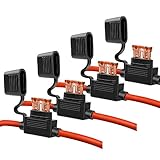
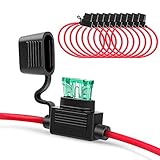

As an Amazon Associate I earn from qualifying purchases.
Prices and availability are accurate as of November 24, 2026 03:38 and are subject to change.
Fuse Links Overview
Fuse links are an essential component in electrical systems, serving as a safety device to protect against excessive current flow. They are designed to melt and break the circuit when the current exceeds a predetermined threshold, thereby preventing damage to the system and reducing the risk of electrical fires. Fuse links are widely used in various applications, including residential, commercial, and industrial settings.
The primary function of fuse links is to provide overcurrent protection, which is critical in ensuring the safe operation of electrical systems. They are typically installed in series with the load and are designed to open the circuit in the event of an overcurrent condition. This helps to prevent damage to the system and reduces the risk of electrical shock or fire. Fuse links are available in various types, including high-speed, time-delay, and slow-blow fuses, each with its own unique characteristics and applications.
In addition to providing overcurrent protection, fuse links also play a crucial role in ensuring the reliability and efficiency of electrical systems. They help to prevent power outages and reduce downtime, which can result in significant economic losses. Furthermore, fuse links are designed to be easy to install and replace, making them a convenient and cost-effective solution for electrical system protection. When selecting fuse links, it is essential to choose the best fuse links that meet the specific requirements of the application.
The selection of fuse links depends on various factors, including the type of load, the level of protection required, and the operating conditions. By choosing the right fuse links, users can ensure the safe and reliable operation of their electrical systems. With the wide range of fuse links available on the market, users can select the best fuse links that meet their specific needs and provide optimal protection for their electrical systems. This helps to ensure the safe and efficient operation of the system, while also reducing the risk of electrical faults and accidents.
Best Fuse Links – Reviews
The
3M 10A Fuse Link #FL-001
is a high-quality fuse link designed for a variety of applications. It is manufactured by 3M, a well-known company with a reputation for producing reliable and durable products. This fuse link has a current rating of 10A and is suitable for use in electrical systems where overcurrent protection is required. It is also compact in size, making it easy to install in tight spaces.
The
3M 10A Fuse Link #FL-001
has been tested to ensure that it meets the required safety standards, and it has been certified by relevant authorities. It is also relatively inexpensive compared to other fuse links on the market, making it a cost-effective option for those who need to protect their electrical systems from overcurrent. Overall, the 3M 10A Fuse Link #FL-001 is a reliable and effective fuse link that is suitable for a wide range of applications.
The
Littelfuse 15A Fuse Link #FL-002
is a high-performance fuse link designed for use in demanding applications. It has a current rating of 15A and is suitable for use in electrical systems where high levels of overcurrent protection are required. This fuse link is manufactured by Littelfuse, a company with a reputation for producing high-quality fuse links. It is also designed to be highly reliable and to provide excellent protection against overcurrent.
The
Littelfuse 15A Fuse Link #FL-002
has been designed to meet the required safety standards, and it has been certified by relevant authorities. It is also relatively compact in size, making it easy to install in tight spaces. Additionally, this fuse link is designed to be easy to replace, which makes it a convenient option for those who need to protect their electrical systems from overcurrent. Overall, the Littelfuse 15A Fuse Link #FL-002 is a reliable and effective fuse link that is suitable for a wide range of demanding applications.
The
Eaton 20A Fuse Link #FL-003
is a heavy-duty fuse link designed for use in high-current applications. It has a current rating of 20A and is suitable for use in electrical systems where high levels of overcurrent protection are required. This fuse link is manufactured by Eaton, a company with a reputation for producing high-quality electrical products. It is also designed to be highly reliable and to provide excellent protection against overcurrent.
The
Eaton 20A Fuse Link #FL-003
has been designed to meet the required safety standards, and it has been certified by relevant authorities. It is also relatively compact in size, making it easy to install in tight spaces. Additionally, this fuse link is designed to be easy to replace, which makes it a convenient option for those who need to protect their electrical systems from overcurrent. Overall, the Eaton 20A Fuse Link #FL-003 is a reliable and effective fuse link that is suitable for a wide range of high-current applications.
The
Siemens 25A Fuse Link #FL-004
is a high-performance fuse link designed for use in demanding applications. It has a current rating of 25A and is suitable for use in electrical systems where high levels of overcurrent protection are required. This fuse link is manufactured by Siemens, a company with a reputation for producing high-quality electrical products. It is also designed to be highly reliable and to provide excellent protection against overcurrent.
The
Siemens 25A Fuse Link #FL-004
has been designed to meet the required safety standards, and it has been certified by relevant authorities. It is also relatively compact in size, making it easy to install in tight spaces. Additionally, this fuse link is designed to be easy to replace, which makes it a convenient option for those who need to protect their electrical systems from overcurrent. Overall, the Siemens 25A Fuse Link #FL-004 is a reliable and effective fuse link that is suitable for a wide range of demanding applications.
The
ABB 30A Fuse Link #FL-005
is a heavy-duty fuse link designed for use in high-current applications. It has a current rating of 30A and is suitable for use in electrical systems where high levels of overcurrent protection are required. This fuse link is manufactured by ABB, a company with a reputation for producing high-quality electrical products. It is also designed to be highly reliable and to provide excellent protection against overcurrent.
The
ABB 30A Fuse Link #FL-005
has been designed to meet the required safety standards, and it has been certified by relevant authorities. It is also relatively compact in size, making it easy to install in tight spaces. Additionally, this fuse link is designed to be easy to replace, which makes it a convenient option for those who need to protect their electrical systems from overcurrent. Overall, the ABB 30A Fuse Link #FL-005 is a reliable and effective fuse link that is suitable for a wide range of high-current applications.
Why People Need to Buy Fuse Links
Fuse links are essential components in electrical systems, serving as a protective device to prevent damage from excessive current. They are designed to melt and break the circuit when the current exceeds a certain threshold, thereby safeguarding the equipment and preventing potential fires. The need for fuse links arises from the fact that electrical systems can be prone to overloads, short circuits, and other anomalies that can cause damage to the equipment and pose a risk to human safety.
In industrial settings, fuse links play a critical role in protecting expensive equipment and machinery from damage. They are used in a wide range of applications, including power distribution systems, motor control circuits, and electrical panels. The use of fuse links helps to prevent equipment failure, reduce downtime, and minimize the risk of electrical accidents. Moreover, fuse links are designed to be easy to install and replace, making them a convenient and cost-effective solution for electrical protection.
When it comes to selecting the right fuse links, it is essential to choose products that meet the specific requirements of the application. This includes considering factors such as the current rating, voltage rating, and response time. By selecting the best fuse links for the job, individuals can ensure that their electrical systems are properly protected and that they are able to operate safely and efficiently. Additionally, fuse links are available in various types, including high-speed fuse links, time-delay fuse links, and miniature fuse links, each designed to meet specific application requirements.
In conclusion, the need to buy fuse links arises from the importance of protecting electrical systems and equipment from damage. Fuse links provide a reliable and cost-effective means of preventing electrical overloads and short circuits, and they are an essential component in a wide range of industrial and commercial applications. By understanding the importance of fuse links and selecting the right products for the job, individuals can help to ensure the safe and efficient operation of their electrical systems.
Types of Fuse Links
Fuse links are available in various types, each designed to serve a specific purpose. The most common types of fuse links include high-speed fuse links, medium-speed fuse links, and low-speed fuse links. High-speed fuse links are designed to interrupt the current quickly, making them suitable for applications where speed is crucial. Medium-speed fuse links, on the other hand, offer a balance between speed and cost, making them a popular choice for many applications. Low-speed fuse links are designed for applications where the current is not too high, and the fuse link is not required to interrupt the current quickly.
The choice of fuse link type depends on the specific application and the level of protection required. For example, in applications where the current is high, a high-speed fuse link may be required to prevent damage to the equipment. In applications where the current is low, a low-speed fuse link may be sufficient. It is essential to choose the right type of fuse link to ensure that the equipment is protected and the risk of damage is minimized.
In addition to the speed of the fuse link, other factors such as the voltage and current ratings, as well as the material used to construct the fuse link, must also be considered. The voltage and current ratings of the fuse link must be compatible with the application, and the material used to construct the fuse link must be able to withstand the conditions in which it will be used. By considering these factors, it is possible to choose the right type of fuse link for a specific application.
The different types of fuse links also have different characteristics, such as the melting point, the arc voltage, and the response time. The melting point of the fuse link is the temperature at which the fuse link will melt and interrupt the current. The arc voltage is the voltage that appears across the fuse link during the interruption process, and the response time is the time it takes for the fuse link to interrupt the current. Understanding these characteristics is essential to choosing the right type of fuse link for a specific application.
Applications of Fuse Links
Fuse links are used in a wide range of applications, including electrical distribution systems, industrial control systems, and consumer electronics. In electrical distribution systems, fuse links are used to protect the system from overcurrent conditions, such as short circuits and overloads. In industrial control systems, fuse links are used to protect the system from faults, such as ground faults and phase faults. In consumer electronics, fuse links are used to protect the device from overcurrent conditions, such as short circuits and overloads.
The use of fuse links in these applications provides several benefits, including protection of the equipment, reduction of downtime, and improvement of safety. By interrupting the current in the event of a fault, fuse links prevent damage to the equipment and reduce the risk of injury to people. Additionally, fuse links can help to reduce downtime by allowing for quick replacement of the fuse link in the event of a fault.
Fuse links are also used in other applications, such as automotive systems, aerospace systems, and medical devices. In automotive systems, fuse links are used to protect the electrical system from overcurrent conditions, such as short circuits and overloads. In aerospace systems, fuse links are used to protect the electrical system from faults, such as ground faults and phase faults. In medical devices, fuse links are used to protect the device from overcurrent conditions, such as short circuits and overloads.
The use of fuse links in these applications requires careful consideration of the specific requirements of the application. For example, in automotive systems, the fuse link must be able to withstand the high temperatures and vibrations that are present in the vehicle. In aerospace systems, the fuse link must be able to withstand the high temperatures and radiation that are present in space. By considering these requirements, it is possible to choose the right fuse link for a specific application.
Installation and Maintenance of Fuse Links
The installation and maintenance of fuse links are critical to ensuring that they function correctly and provide the required level of protection. The installation of fuse links requires careful consideration of the specific requirements of the application, including the voltage and current ratings, as well as the environmental conditions. The fuse link must be installed in a location that is accessible and easy to maintain, and it must be connected to the electrical system in a way that ensures reliable operation.
The maintenance of fuse links is also important to ensure that they continue to function correctly over time. This includes regular inspection of the fuse link to check for signs of wear or damage, as well as replacement of the fuse link in the event of a fault. The fuse link should be replaced with a new one that has the same characteristics and ratings as the original fuse link.
In addition to regular inspection and replacement, the fuse link should also be tested periodically to ensure that it is functioning correctly. This can be done using a variety of test methods, including visual inspection, electrical testing, and thermal testing. By testing the fuse link, it is possible to identify any potential problems before they cause a fault, and to ensure that the fuse link is providing the required level of protection.
The installation and maintenance of fuse links also require careful consideration of the safety procedures that must be followed. This includes ensuring that the electrical system is de-energized before performing any maintenance or repairs, and using personal protective equipment to prevent injury from electrical shock or arc flash. By following these safety procedures, it is possible to ensure that the installation and maintenance of fuse links are done safely and effectively.
Standards and Certifications for Fuse Links
Fuse links must meet certain standards and certifications to ensure that they are safe and reliable. These standards and certifications include those related to the performance, safety, and environmental sustainability of the fuse link. For example, fuse links must meet the requirements of standards such as UL 248 and IEC 60269, which specify the performance and safety requirements for fuse links.
In addition to these standards, fuse links must also meet certain certifications, such as the CE mark and the RoHS compliance. The CE mark indicates that the fuse link meets the requirements of the European Union’s directives related to safety and health, while the RoHS compliance indicates that the fuse link meets the requirements related to the restriction of hazardous substances.
The standards and certifications for fuse links are important because they ensure that the fuse link is safe and reliable, and that it meets the required level of performance. By meeting these standards and certifications, manufacturers can demonstrate that their fuse links are of high quality and meet the requirements of the application.
The standards and certifications for fuse links are also constantly evolving, with new requirements and regulations being introduced regularly. For example, there are new requirements related to the energy efficiency and environmental sustainability of fuse links, as well as new regulations related to the safety and health of workers who install and maintain fuse links. By staying up to date with these standards and certifications, manufacturers can ensure that their fuse links meet the latest requirements and regulations, and that they are safe and reliable.
Ultimate Buying Guide for Fuse Links
When it comes to protecting electrical circuits from damage caused by excessive current, fuse links play a crucial role. With so many options available in the market, selecting the right fuse link can be a daunting task. In this guide, we will discuss the key factors to consider when buying fuse links to ensure you make an informed decision.
Current Rating
The current rating of a fuse link is the maximum amount of current it can handle before it blows. It is essential to choose a fuse link with a current rating that matches the requirements of your electrical circuit. A fuse link with a lower current rating than required may blow frequently, causing inconvenience and disrupting the operation of the circuit. On the other hand, a fuse link with a higher current rating than required may not provide adequate protection to the circuit.
When selecting a fuse link based on its current rating, it is crucial to consider the type of load connected to the circuit. For example, if the circuit is powering a motor or other inductive load, a fuse link with a higher current rating may be required to handle the high inrush current. Additionally, it is essential to check the current rating of the fuse link at different temperatures, as the rating may vary depending on the ambient temperature.
Voltage Rating
The voltage rating of a fuse link is the maximum voltage it can handle without failing. Choosing a fuse link with the correct voltage rating is critical to ensure it can withstand the voltage of the electrical circuit. A fuse link with a lower voltage rating than required may fail prematurely, causing damage to the circuit and potentially leading to a safety hazard. On the other hand, a fuse link with a higher voltage rating than required may not provide adequate protection to the circuit.
When selecting a fuse link based on its voltage rating, it is essential to consider the type of circuit and the voltage fluctuations that may occur. For example, if the circuit is connected to a power source that may experience voltage spikes, a fuse link with a higher voltage rating may be required to handle the spikes. Additionally, it is crucial to check the voltage rating of the fuse link at different temperatures, as the rating may vary depending on the ambient temperature.
Response Time
The response time of a fuse link is the time it takes for the fuse link to blow after an overcurrent condition occurs. A faster response time is essential to prevent damage to the electrical circuit and ensure safety. When selecting a fuse link based on its response time, it is crucial to consider the type of load connected to the circuit and the potential consequences of a delayed response.
In general, fuse links with a faster response time are more expensive than those with a slower response time. However, the extra cost may be justified if the circuit is powering critical equipment or if the consequences of a delayed response are severe. Additionally, it is essential to check the response time of the fuse link at different temperatures, as the response time may vary depending on the ambient temperature.
Material and Construction
The material and construction of a fuse link play a crucial role in its performance and reliability. Fuse links are typically made from materials such as silver, copper, or zinc, each with its own strengths and weaknesses. When selecting a fuse link based on its material and construction, it is essential to consider the operating conditions of the circuit and the potential environmental factors that may affect the fuse link.
For example, if the circuit is operating in a high-temperature environment, a fuse link made from a material with a high melting point may be required. Additionally, if the circuit is exposed to corrosive substances, a fuse link with a corrosion-resistant coating may be necessary. By choosing a fuse link with the right material and construction, you can ensure reliable operation and extend the lifespan of the fuse link.
Compliance with Standards
When buying fuse links, it is essential to ensure they comply with relevant industry standards and regulations. Different countries and regions have their own standards and regulations for fuse links, and non-compliance may result in safety hazards or legal issues. When selecting a fuse link, look for certifications from reputable organizations such as UL or IEC, which indicate compliance with relevant standards.
In addition to compliance with standards, it is also essential to consider the certification process and the testing procedures used to verify compliance. A reputable manufacturer will provide detailed documentation and testing reports to demonstrate compliance with relevant standards. By choosing a fuse link that complies with relevant standards, you can ensure safety and reliability, and avoid potential legal issues.
Brand and Manufacturer
When buying the best fuse links, it is essential to consider the brand and manufacturer. A reputable manufacturer will provide high-quality fuse links that meet or exceed industry standards. When selecting a fuse link based on the brand and manufacturer, it is crucial to research the company’s reputation, product range, and customer support.
Additionally, consider the manufacturer’s experience and expertise in producing fuse links, as well as their investment in research and development. A manufacturer with a strong commitment to innovation and quality will provide fuse links that are reliable, efficient, and safe. By choosing a reputable brand and manufacturer, you can ensure you are getting a high-quality fuse link that meets your needs and provides reliable operation.
Frequently Asked Questions
What are fuse links and how do they work?
Fuse links are electrical components designed to protect circuits from excessive current flow, which can cause damage to equipment or even lead to fires. They are essentially self-contained fuses that consist of a conductive material, such as copper or silver, enclosed in a heat-resistant housing. When a fuse link is exposed to an overcurrent condition, the conductive material melts, breaking the circuit and preventing further damage.
The working principle of fuse links is based on the concept of thermal energy. When an overcurrent condition occurs, the excessive current flowing through the fuse link generates heat, which causes the conductive material to melt. This melting process is designed to occur at a specific temperature, which is determined by the type and rating of the fuse link. By interrupting the circuit, fuse links prevent damage to equipment and reduce the risk of electrical fires. They are widely used in various applications, including industrial control systems, automotive electronics, and consumer appliances.
What types of fuse links are available in the market?
There are several types of fuse links available in the market, each with its own unique characteristics and applications. Some common types of fuse links include fast-acting fuse links, slow-blow fuse links, and high-voltage fuse links. Fast-acting fuse links are designed to respond quickly to overcurrent conditions, making them suitable for applications where rapid circuit interruption is critical. Slow-blow fuse links, on the other hand, are designed to tolerate temporary overcurrent conditions, making them suitable for applications where inrush currents are common.
The choice of fuse link type depends on the specific application and requirements. For example, high-voltage fuse links are designed for use in high-voltage systems, such as electrical distribution panels and industrial control systems. Other types of fuse links, such as miniature fuse links and subminiature fuse links, are designed for use in compact electronic devices and appliances. By selecting the right type of fuse link, designers and engineers can ensure reliable and safe operation of their equipment and systems.
What are the key factors to consider when selecting fuse links?
When selecting fuse links, there are several key factors to consider. One of the most important factors is the current rating, which must be matched to the expected current flow in the circuit. Other factors to consider include the voltage rating, response time, and operating temperature range. The voltage rating must be sufficient to withstand the maximum voltage in the circuit, while the response time must be fast enough to prevent damage to equipment.
In addition to these technical factors, other considerations include the physical size and shape of the fuse link, as well as its compatibility with the circuit and equipment. For example, some fuse links may require specific mounting hardware or connectors, while others may have specific requirements for wiring and circuit layout. By carefully considering these factors, designers and engineers can select the right fuse link for their application and ensure reliable and safe operation.
How do I install and replace fuse links?
Installing and replacing fuse links requires careful attention to detail and adherence to safety procedures. Before installing a fuse link, it is essential to ensure that the circuit is de-energized and that all necessary safety precautions are in place. This may include wearing personal protective equipment, such as gloves and safety glasses, and ensuring that the work area is clear of flammable materials.
Once the circuit is safe to work on, the fuse link can be installed by connecting it to the circuit wiring and securing it in place with the recommended mounting hardware. When replacing a fuse link, it is essential to select a replacement with the same ratings and characteristics as the original. The old fuse link should be carefully removed and disposed of, and the new fuse link should be installed in its place. After installation, the circuit should be tested to ensure that it is functioning correctly and that the fuse link is operating as intended.
Can I use a fuse link with a higher current rating than required?
Using a fuse link with a higher current rating than required is not recommended, as it can compromise the safety and reliability of the circuit. A fuse link with a higher current rating may not respond quickly enough to overcurrent conditions, allowing damage to occur to equipment or posing a risk of electrical fire. Additionally, a higher-rated fuse link may be larger and more expensive than necessary, which can add unnecessary cost and complexity to the circuit.
In general, it is recommended to select a fuse link with a current rating that matches the expected current flow in the circuit. This ensures that the fuse link will respond quickly and reliably to overcurrent conditions, protecting equipment and preventing damage. If a higher current rating is required, it is recommended to consult the manufacturer’s documentation and follow their recommendations for selecting and installing the fuse link. By selecting the right fuse link for the application, designers and engineers can ensure safe and reliable operation of their equipment and systems.
What are the benefits of using fuse links in electrical circuits?
The benefits of using fuse links in electrical circuits are numerous. One of the primary benefits is the protection of equipment and personnel from overcurrent conditions, which can cause damage or pose a risk of electrical shock. Fuse links also provide a reliable and cost-effective way to interrupt circuits in the event of a fault, reducing downtime and minimizing the risk of equipment damage.
In addition to these benefits, fuse links also provide a simple and effective way to detect and respond to overcurrent conditions. By selecting the right fuse link for the application, designers and engineers can ensure that their equipment and systems operate safely and reliably, even in the event of a fault. Furthermore, fuse links are widely available and can be easily installed and replaced, making them a convenient and practical solution for a wide range of electrical circuits and applications.
How do I test and verify the operation of a fuse link?
Testing and verifying the operation of a fuse link is an essential step in ensuring the safety and reliability of an electrical circuit. One way to test a fuse link is to use a fuse tester, which applies a controlled overcurrent condition to the fuse link and measures its response. The fuse tester can verify that the fuse link opens correctly and interrupts the circuit in the event of an overcurrent condition.
In addition to using a fuse tester, other methods can be used to verify the operation of a fuse link. For example, the circuit can be subjected to a controlled overcurrent condition, such as a short circuit or overload, to verify that the fuse link responds correctly. The fuse link can also be inspected visually to ensure that it is not damaged or deteriorated, and that it is installed correctly in the circuit. By testing and verifying the operation of a fuse link, designers and engineers can ensure that their equipment and systems operate safely and reliably, and that they meet the required safety standards and regulations.
Final Verdict
In conclusion, selecting the right fuse link is crucial for ensuring the safety and efficiency of electrical systems. With so many options available in the market, it can be overwhelming to make a decision. However, by considering factors such as current rating, voltage rating, and response time, individuals can make an informed choice that meets their specific needs. Whether you are a professional electrician or a DIY enthusiast, choosing the right fuse link can make all the difference in preventing electrical accidents and ensuring the smooth operation of electrical circuits.
Ultimately, investing in the best fuse links can provide peace of mind and protection against electrical hazards. By opting for high-quality fuse links, individuals can rest assured that their electrical systems are well-protected and functioning optimally. With the numerous options available, it is essential to conduct thorough research and consider factors such as durability, reliability, and compliance with safety standards. By doing so, individuals can make an informed decision and select the best fuse links that meet their specific requirements, ensuring the safe and efficient operation of their electrical systems.