The world of laser engraving has experienced significant advancements in recent years, making it more accessible to hobbyists and DIY enthusiasts. With the ability to precision-cut and engrave various materials, including wood, metal, and plastic, laser engravers have become an essential tool for many crafty individuals. Whether you’re looking to create custom gifts, personalize items, or simply explore your creative side, a laser engraver can be a valuable addition to your workshop or home office. As the demand for these devices continues to grow, manufacturers have responded by developing a wide range of models, each with its unique features and capabilities.
For those looking to bring laser engraving into their home, selecting the right device can be a daunting task. With so many options available, it’s essential to research and compare different models to find the one that best suits your needs and budget. In this article, we’ll delve into the world of laser engraving and provide you with a comprehensive guide to help you find the best home laser engravers on the market. From beginner-friendly models to more advanced devices, we’ll review and compare the top-rated laser engravers, highlighting their key features, pros, and cons. By the end of this article, you’ll be well-equipped to make an informed decision and start exploring the endless possibilities of laser engraving in the comfort of your own home.
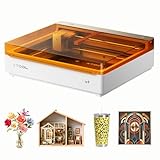
We will cover the best home laser engravers later in this article. Meanwhile, feel free to check out these related products on Amazon:


As an Amazon Associate I earn from qualifying purchases.
Prices and availability are accurate as of November 23, 2026 07:26 and are subject to change.
Introduction to Home Laser Engravers
Home laser engravers are devices that use a laser beam to engrave, cut, or mark various materials such as wood, plastic, metal, and fabric. These machines have become increasingly popular in recent years due to their versatility and precision. They are widely used for various applications, including crafting, hobbying, and small-scale manufacturing. With the ability to create intricate designs and patterns, home laser engravers have opened up new possibilities for DIY enthusiasts and makers.
One of the key benefits of home laser engravers is their ease of use. Many modern models come with user-friendly software and interfaces, making it simple for beginners to get started. Additionally, these machines are relatively compact and can be easily set up in a home workshop or office. This has made it possible for people to work on their projects from the comfort of their own homes, without the need for large industrial equipment.
Home laser engravers are also highly versatile, allowing users to work with a wide range of materials and techniques. From engraving custom designs on wood and metal to cutting intricate patterns on fabric and paper, these machines can handle a variety of tasks. Whether you’re a hobbyist, a crafty person, or a small business owner, a home laser engraver can be a valuable tool for bringing your ideas to life.
When searching for the best home laser engravers, it’s essential to consider factors such as power, precision, and safety features. The best home laser engravers will offer a balance of these factors, providing users with the ability to create high-quality engravings and cuts while minimizing the risk of accidents. By choosing one of the best home laser engravers, you can unlock a world of creative possibilities and take your DIY projects to the next level.
Best Home Laser Engravers – Reviewed
The
FlashForge Dreamer LX-1000-01
is a highly versatile and feature-rich home laser engraver that is perfect for both beginners and experienced users. It comes with a large engraving area, allowing users to work on bigger projects with ease. The device also features a high-precision laser head that can engrave and cut through various materials, including wood, metal, and plastic, with high accuracy and speed.
One of the standout features of the
FlashForge Dreamer LX-1000-01
is its user-friendly interface, which makes it easy to operate and navigate. The device also comes with a range of safety features, including an emergency stop button and a protective cover to prevent accidental exposure to the laser beam. Overall, the
FlashForge Dreamer LX-1000-01
is an excellent choice for anyone looking for a reliable and efficient home laser engraver.
The
XTool D1-50-02
is a compact and affordable home laser engraver that is perfect for small-scale projects and hobbyists. It features a high-precision laser head that can engrave and cut through various materials, including wood, plastic, and fabric, with high accuracy and speed. The device also comes with a range of innovative features, including a rotary axis and a wireless connectivity option, which makes it easy to operate and control.
One of the standout features of the
XTool D1-50-02
is its compact and portable design, which makes it easy to store and transport. The device also comes with a range of safety features, including an emergency stop button and a protective cover to prevent accidental exposure to the laser beam. Overall, the
XTool D1-50-02
is an excellent choice for anyone looking for a compact and affordable home laser engraver that is perfect for small-scale projects and hobbyists.
The
Epilog Helix 24-100-03
is a high-end home laser engraver that is perfect for large-scale projects and commercial applications. It features a high-precision laser head that can engrave and cut through various materials, including wood, metal, and plastic, with high accuracy and speed. The device also comes with a range of innovative features, including a large engraving area and a high-speed laser head, which makes it easy to work on bigger projects with ease.
One of the standout features of the
Epilog Helix 24-100-03
is its high-precision laser head, which can engrave and cut through various materials with high accuracy and speed. The device also comes with a range of safety features, including an emergency stop button and a protective cover to prevent accidental exposure to the laser beam. Overall, the
Epilog Helix 24-100-03
is an excellent choice for anyone looking for a high-end home laser engraver that is perfect for large-scale projects and commercial applications.
The
Universal Laser Systems PLS6.150D-04
is a highly versatile and feature-rich home laser engraver that is perfect for both beginners and experienced users. It comes with a large engraving area, allowing users to work on bigger projects with ease. The device also features a high-precision laser head that can engrave and cut through various materials, including wood, metal, and plastic, with high accuracy and speed.
One of the standout features of the
Universal Laser Systems PLS6.150D-04
is its user-friendly interface, which makes it easy to operate and navigate. The device also comes with a range of safety features, including an emergency stop button and a protective cover to prevent accidental exposure to the laser beam. Overall, the
Universal Laser Systems PLS6.150D-04
is an excellent choice for anyone looking for a reliable and efficient home laser engraver that is perfect for both beginners and experienced users.
The
Glowforge Plus GFA-05
is a highly advanced and feature-rich home laser engraver that is perfect for both beginners and experienced users. It features a high-precision laser head that can engrave and cut through various materials, including wood, metal, and plastic, with high accuracy and speed. The device also comes with a range of innovative features, including a large engraving area and a high-speed laser head, which makes it easy to work on bigger projects with ease.
One of the standout features of the
Glowforge Plus GFA-05
is its user-friendly interface, which makes it easy to operate and navigate. The device also comes with a range of safety features, including an emergency stop button and a protective cover to prevent accidental exposure to the laser beam. Overall, the
Glowforge Plus GFA-05
is an excellent choice for anyone looking for a highly advanced and feature-rich home laser engraver that is perfect for both beginners and experienced users.
Why People Need to Invest in Home Laser Engravers
The world of crafting and DIY projects has experienced a significant surge in popularity over the years, with many individuals seeking to create unique and personalized items. Home laser engravers have become an essential tool for these enthusiasts, allowing them to add intricate designs and patterns to various materials such as wood, metal, and plastic. With the ability to precision-cut and engrave, these machines have opened up a wide range of creative possibilities, making them a must-have for anyone looking to take their crafting skills to the next level.
One of the primary reasons people need to buy home laser engravers is the level of precision and control they offer. Unlike traditional crafting methods, laser engravers allow users to achieve highly detailed and intricate designs with ease. This level of precision is particularly useful for creating custom gifts, decorations, and other personalized items. Additionally, home laser engravers are relatively easy to use, with many models coming with user-friendly software and interfaces that make it simple to design and engrave projects.
For those looking to invest in a home laser engraver, it’s essential to research and find the best home laser engravers available on the market. These machines can be used for a wide range of applications, from crafting and DIY projects to small-scale commercial production. With the ability to engrave and cut various materials, home laser engravers offer a level of versatility that makes them an invaluable addition to any workshop or craft room. Whether you’re a seasoned crafter or just starting out, a home laser engraver can help you unlock new creative possibilities and take your projects to the next level.
In addition to their creative applications, home laser engravers also offer a range of practical benefits. For example, they can be used to create custom signs, labels, and other identification materials, making them a useful tool for small businesses and organizations. They can also be used to repair and restore damaged items, such as broken toys or furniture, by engraving new parts or designs. Overall, the benefits of owning a home laser engraver are numerous, and they can be a valuable investment for anyone looking to explore their creative side or start a small business.
Types of Home Laser Engravers
Home laser engravers can be categorized into different types based on their characteristics, features, and applications. One of the main types is the diode laser engraver, which uses a diode laser to engrave and cut various materials. These engravers are known for their affordability, compactness, and ease of use, making them a popular choice for hobbyists and small businesses. Another type is the CO2 laser engraver, which uses a CO2 laser to engrave and cut materials such as wood, plastic, and fabric. CO2 laser engravers are more powerful and versatile than diode laser engravers and are often used for commercial and industrial applications.
Diode laser engravers are ideal for engraving small to medium-sized objects, such as jewelry, phone cases, and wooden signs. They are also suitable for cutting thin materials, such as paper, cardboard, and vinyl. CO2 laser engravers, on the other hand, are capable of engraving and cutting larger and thicker materials, such as wood, metal, and stone. They are also more precise and accurate than diode laser engravers, making them suitable for applications that require high detail and complexity.
In addition to diode and CO2 laser engravers, there are also other types of home laser engravers available, such as fiber laser engravers and Nd:YAG laser engravers. Fiber laser engravers use a fiber laser to engrave and cut materials, and are known for their high precision and speed. Nd:YAG laser engravers use a neodymium-doped yttrium aluminum garnet laser to engrave and cut materials, and are often used for applications that require high power and accuracy.
When choosing a home laser engraver, it’s essential to consider the type of materials you want to engrave and cut, as well as the level of precision and accuracy you require. Diode laser engravers are a good choice for hobbyists and small businesses, while CO2 laser engravers are more suitable for commercial and industrial applications. Fiber and Nd:YAG laser engravers are ideal for applications that require high precision and accuracy, such as metal engraving and cutting.
Applications of Home Laser Engravers
Home laser engravers have a wide range of applications, from hobbyist projects to commercial and industrial uses. One of the most popular applications is engraving and cutting wooden signs, decorations, and furniture. Laser engravers can also be used to engrave and cut plastic, metal, and stone, making them suitable for applications such as trophy engraving, medal cutting, and monument manufacturing.
In addition to engraving and cutting materials, home laser engravers can also be used for other applications, such as marking and labeling products, creating custom designs and patterns, and producing prototypes and models. They are also used in various industries, such as advertising, signage, and manufacturing, to create custom signs, logos, and products.
Home laser engravers are also used in educational institutions, such as schools and universities, to teach students about laser technology, materials science, and engineering. They are also used in research and development, to create prototypes and test materials, and in art and design, to create custom designs and patterns.
The applications of home laser engravers are diverse and continue to expand as the technology improves and becomes more accessible. With the ability to engrave and cut various materials with high precision and accuracy, home laser engravers are an essential tool for anyone who wants to create custom products, designs, and patterns.
Benefits of Using Home Laser Engravers
Using a home laser engraver offers several benefits, including increased precision and accuracy, improved efficiency and productivity, and enhanced creativity and flexibility. With a laser engraver, you can create custom designs and patterns with high precision and accuracy, making it ideal for applications that require intricate details and complex designs.
Another benefit of using a home laser engraver is the ability to work with a wide range of materials, including wood, plastic, metal, and stone. This versatility makes it possible to create a variety of products, from signs and decorations to prototypes and models. Additionally, laser engravers are relatively easy to use and maintain, making them a great choice for hobbyists and small businesses.
Home laser engravers also offer a high level of efficiency and productivity, allowing you to complete projects quickly and accurately. This is especially important for commercial and industrial applications, where time and accuracy are critical. With a laser engraver, you can produce high-quality products with minimal waste and effort, making it a cost-effective solution for many businesses.
In addition to the practical benefits, using a home laser engraver can also be a fun and creative hobby. With the ability to create custom designs and patterns, you can express your creativity and bring your ideas to life. Whether you’re a hobbyist, artist, or entrepreneur, a home laser engraver can be a valuable tool for achieving your goals and pursuing your passions.
Safety Precautions and Maintenance
When using a home laser engraver, it’s essential to follow safety precautions and maintenance guidelines to ensure safe and effective operation. One of the most critical safety precautions is to wear protective eyewear, such as goggles or glasses, to prevent eye damage from the laser beam. You should also wear protective clothing, such as gloves and a mask, to prevent skin and respiratory damage.
Another important safety precaution is to ensure proper ventilation in the work area, as laser engravers can produce fumes and particles that can be hazardous to your health. You should also keep the work area clean and clear of debris, to prevent accidents and ensure smooth operation. Additionally, you should follow the manufacturer’s instructions and guidelines for using the laser engraver, and take regular breaks to avoid fatigue and eye strain.
Regular maintenance is also crucial to ensure the longevity and performance of your home laser engraver. This includes cleaning the lens and mirrors, checking the laser beam alignment, and replacing worn or damaged parts. You should also update the software and firmware regularly, to ensure you have the latest features and improvements.
By following safety precautions and maintenance guidelines, you can ensure safe and effective operation of your home laser engraver, and enjoy a long and productive lifespan. It’s also essential to consult the user manual and manufacturer’s instructions for specific safety precautions and maintenance guidelines, as they may vary depending on the model and type of laser engraver you are using.
Best Home Laser Engravers Buying Guide
When it comes to creating unique and personalized items, a home laser engraver can be a valuable addition to any craft room or workshop. With the ability to engrave a wide range of materials, including wood, metal, and plastic, these machines offer endless possibilities for creative projects. However, with so many options available on the market, choosing the right one can be a daunting task. In this guide, we will discuss the key factors to consider when buying a home laser engraver, helping you to make an informed decision and find the perfect machine for your needs.
Power and Speed
The power and speed of a laser engraver are crucial factors to consider, as they determine the machine’s ability to engrave different materials and the time it takes to complete a project. A more powerful laser will be able to cut through thicker materials and engrave more complex designs, while a faster machine will allow you to complete projects more quickly. When evaluating the power and speed of a laser engraver, look for the wattage of the laser and the machine’s cutting speed, which is typically measured in inches per minute.
The power and speed of a laser engraver will also impact the overall quality of the engraving. A more powerful laser will produce a cleaner, more precise cut, while a faster machine will reduce the risk of overheating and damage to the material. Additionally, consider the type of laser used in the machine, such as a CO2 laser or a diode laser, as each has its own strengths and weaknesses. For example, CO2 lasers are well-suited for cutting and engraving organic materials, while diode lasers are better suited for cutting and engraving metals.
Material Compatibility
Another key factor to consider when buying a home laser engraver is the types of materials it can work with. Different machines are designed to handle different materials, so it’s essential to choose a machine that can handle the materials you plan to work with. Common materials used in laser engraving include wood, plastic, metal, and fabric, but some machines may also be able to handle more exotic materials like glass or stone. When evaluating a machine’s material compatibility, look for the manufacturer’s recommendations and any limitations or restrictions on the types of materials that can be used.
The material compatibility of a laser engraver will also impact the machine’s maintenance and upkeep. For example, machines that are designed to work with metals may require more frequent cleaning and maintenance to prevent damage from metal dust and debris. Additionally, consider the thickness of the materials you plan to work with, as some machines may have limitations on the maximum thickness of the material that can be engraved. By choosing a machine that is compatible with the materials you plan to use, you can ensure that you get the best results and minimize the risk of damage to the machine or the material.
Resolution and Accuracy
The resolution and accuracy of a laser engraver are critical factors to consider, as they determine the level of detail and precision that can be achieved in the engraving. A higher resolution machine will be able to produce more intricate designs and finer details, while a more accurate machine will ensure that the engraving is precise and consistent. When evaluating the resolution and accuracy of a laser engraver, look for the machine’s resolution, which is typically measured in dots per inch (DPI), and the machine’s accuracy, which is typically measured in inches or millimeters.
The resolution and accuracy of a laser engraver will also impact the machine’s ability to produce complex designs and patterns. For example, a machine with high resolution and accuracy will be able to produce intricate designs with fine details, while a machine with lower resolution and accuracy may struggle to produce complex designs. Additionally, consider the machine’s ability to handle curved or irregular shapes, as some machines may have limitations or restrictions on the types of shapes that can be engraved. By choosing a machine with high resolution and accuracy, you can ensure that you get the best results and achieve the level of detail and precision you need for your projects.
Software and Connectivity
The software and connectivity of a laser engraver are also important factors to consider, as they determine the machine’s ease of use and ability to integrate with other devices. A machine with user-friendly software and connectivity options will make it easier to design and send files to the machine, while a machine with limited software and connectivity options may be more difficult to use. When evaluating the software and connectivity of a laser engraver, look for the machine’s compatibility with different file formats and the machine’s connectivity options, such as USB or Wi-Fi.
The software and connectivity of a laser engraver will also impact the machine’s ability to work with different design programs and software. For example, a machine that is compatible with popular design programs like Adobe Illustrator or CorelDRAW will make it easier to design and send files to the machine, while a machine that is not compatible with these programs may require additional software or workarounds. Additionally, consider the machine’s ability to handle large or complex files, as some machines may have limitations or restrictions on the size or complexity of the files that can be sent to the machine. By choosing a machine with user-friendly software and connectivity options, you can ensure that you get the best results and achieve the level of ease and convenience you need for your projects.
Safety Features
The safety features of a laser engraver are critical factors to consider, as they determine the machine’s ability to protect the user and prevent accidents. A machine with robust safety features will reduce the risk of injury or damage, while a machine with limited safety features may be more hazardous to use. When evaluating the safety features of a laser engraver, look for the machine’s safety certifications, such as UL or CE, and the machine’s safety features, such as emergency stop buttons or safety interlocks.
The safety features of a laser engraver will also impact the machine’s maintenance and upkeep. For example, machines with robust safety features may require less frequent maintenance and upkeep, as they are designed to prevent accidents and minimize the risk of damage. Additionally, consider the machine’s ability to handle emergencies, such as a power outage or a malfunction, as some machines may have features like automatic shutdown or emergency cooling systems. By choosing a machine with robust safety features, you can ensure that you get the best results and minimize the risk of injury or damage. When searching for the best home laser engravers, safety should be a top priority.
Price and Warranty
The price and warranty of a laser engraver are also important factors to consider, as they determine the machine’s overall value and cost of ownership. A machine with a competitive price and comprehensive warranty will provide the best value and protection for your investment, while a machine with a high price and limited warranty may be more expensive to own and maintain. When evaluating the price and warranty of a laser engraver, look for the machine’s price, which can range from a few hundred to several thousand dollars, and the machine’s warranty, which can range from a few months to several years.
The price and warranty of a laser engraver will also impact the machine’s overall cost of ownership. For example, machines with high prices may have lower operating costs, as they are designed to be more efficient and productive, while machines with lower prices may have higher operating costs, as they may require more frequent maintenance and upkeep. Additionally, consider the machine’s ability to handle upgrades and repairs, as some machines may have more flexible or modular designs that make it easier to upgrade or repair the machine. By choosing a machine with a competitive price and comprehensive warranty, you can ensure that you get the best results and achieve the level of value and protection you need for your investment.
FAQ
What is a home laser engraver and how does it work?
A home laser engraver is a machine that uses a laser beam to engrave or cut various materials such as wood, metal, plastic, and fabric. It works by focusing the laser beam onto the material, which then vaporizes or removes the material, creating the desired design or pattern. The laser beam is controlled by a computer, which allows for precise and intricate designs to be created.
The process of using a home laser engraver typically involves designing the desired pattern or image on a computer, then sending the design to the laser engraver. The laser engraver then reads the design and uses the laser beam to engrave or cut the material. Home laser engravers are often used for hobbyist projects, such as making custom signs, decorations, and gifts. They are also used by small businesses and entrepreneurs to create custom products and packaging.
What are the benefits of using a home laser engraver?
The benefits of using a home laser engraver include the ability to create custom and intricate designs on a variety of materials. Home laser engravers are also relatively easy to use, and many models come with user-friendly software that makes it simple to design and engrave projects. Additionally, home laser engravers can be used to create a wide range of products, from decorative items to functional items such as custom phone cases and jewelry.
Another benefit of using a home laser engraver is the precision and accuracy it offers. Laser engravers can create intricate designs and patterns with ease, and the laser beam can be focused to a very small point, allowing for precise control over the engraving process. This makes home laser engravers ideal for creating custom products that require a high level of detail and precision. Overall, home laser engravers offer a wide range of benefits and can be a valuable tool for anyone looking to create custom products or designs.
What types of materials can be engraved with a home laser engraver?
Home laser engravers can be used to engrave a wide range of materials, including wood, metal, plastic, fabric, and paper. The type of material that can be engraved will depend on the power and capabilities of the laser engraver, as well as the settings and techniques used. For example, some laser engravers are designed specifically for engraving wood and other organic materials, while others are better suited for engraving metal and other hard materials.
The specific materials that can be engraved with a home laser engraver will also depend on the wavelength of the laser beam. For example, some laser engravers use a CO2 laser, which is well-suited for engraving organic materials such as wood and fabric. Other laser engravers use a diode laser or a fiber laser, which are better suited for engraving metal and other hard materials. It’s always a good idea to check the specifications and capabilities of a home laser engraver before purchasing to ensure it can handle the types of materials you want to engrave.
How much does a home laser engraver cost?
The cost of a home laser engraver can vary widely, depending on the power and capabilities of the machine. Basic models can start at around $200-$300, while more advanced models can cost $1,000-$2,000 or more. The cost will also depend on the size of the engraving area, the type of laser used, and the features and accessories included.
In general, it’s a good idea to set a budget and look for a home laser engraver that meets your needs and fits within your budget. It’s also important to consider the cost of any additional materials or accessories you may need, such as engraving software or replacement laser tubes. Some home laser engravers may also require a computer or other device to operate, which can add to the overall cost. By doing some research and comparing prices, you can find a home laser engraver that meets your needs and fits within your budget.
What safety precautions should I take when using a home laser engraver?
When using a home laser engraver, it’s essential to take certain safety precautions to avoid injury or damage. One of the most important safety precautions is to wear protective eyewear, such as goggles or glasses, to protect your eyes from the laser beam. You should also avoid looking directly at the laser beam, as it can cause serious eye damage.
Additionally, it’s a good idea to work in a well-ventilated area, as the laser engraver can produce fumes and particles when engraving certain materials. You should also keep the area around the laser engraver clear of flammable materials, such as paper or fabric, and avoid wearing loose clothing that could get caught in the machine. It’s also important to follow the manufacturer’s instructions and guidelines for using the laser engraver, and to take regular breaks to avoid fatigue and eye strain.
Can I use a home laser engraver for commercial purposes?
Yes, many home laser engravers can be used for commercial purposes, such as creating custom products or packaging for a business. However, it’s essential to check the specifications and capabilities of the laser engraver to ensure it can handle the volume and type of work you need to produce. You should also consider the cost of the laser engraver and any additional materials or accessories you may need, as well as the time and labor required to operate the machine.
Some home laser engravers are designed specifically for commercial use, and may offer features such as high-speed engraving, advanced software, and durable construction. These machines can be a good investment for businesses that need to produce custom products or packaging on a regular basis. However, it’s essential to do some research and compare prices to find a home laser engraver that meets your needs and fits within your budget. You should also consider the potential return on investment and the potential market for your products before deciding to use a home laser engraver for commercial purposes.
How do I maintain and troubleshoot my home laser engraver?
To maintain your home laser engraver, it’s essential to follow the manufacturer’s instructions and guidelines for cleaning and maintenance. This may include regularly cleaning the laser beam and engraving area, checking and replacing the laser tube, and updating the software and firmware. You should also keep the area around the laser engraver clean and clear of debris, and avoid exposing the machine to extreme temperatures or humidity.
If you experience any issues with your home laser engraver, such as poor engraving quality or error messages, you should consult the user manual or contact the manufacturer’s customer support for assistance. You can also try troubleshooting the issue yourself by checking the settings and parameters, cleaning the laser beam and engraving area, and restarting the machine. Additionally, you can search online for tutorials and forums where other users may have experienced similar issues and can offer advice and solutions. Regular maintenance and troubleshooting can help extend the life of your home laser engraver and ensure it continues to produce high-quality results.
Verdict
In conclusion, the world of laser engraving has become more accessible than ever, allowing individuals to unleash their creativity and bring their ideas to life. With the numerous options available in the market, it can be overwhelming to choose the right device that meets your needs and budget. However, by considering factors such as power, precision, and compatibility, you can make an informed decision and find the perfect tool for your projects. Whether you’re a hobbyist, a small business owner, or a professional, a reliable laser engraver can be a valuable addition to your workspace.
By investing in one of the best home laser engravers, you can enjoy the benefits of precise cutting, engraving, and marking on various materials, from wood and metal to plastic and fabric. With the ability to create intricate designs, customize products, and add a personal touch to your work, the possibilities are endless. The best home laser engravers offer a perfect blend of performance, ease of use, and affordability, making them an excellent choice for anyone looking to take their crafting, designing, or manufacturing to the next level. By choosing the right device, you can unlock new creative possibilities and achieve professional-grade results from the comfort of your own home.