As a musician, having the right equipment is essential to producing high-quality sound, and one of the most crucial tools for any electric guitar player is a reliable tuner. A good guitar tuner can make all the difference in achieving perfect pitch and tone, allowing you to focus on your performance and creativity. With so many options available in the market, it can be overwhelming to choose the right one, especially for those who are new to the world of music. Whether you’re a seasoned pro or just starting out, finding the best guitar tuners for electric guitar is vital to taking your music to the next level.
In this article, we will delve into the world of guitar tuners, exploring the features, benefits, and drawbacks of various models to help you make an informed decision. From clip-on tuners to pedal tuners, we will discuss the different types of tuners available and what to look for when selecting the perfect one for your needs. With a wide range of options to choose from, it’s essential to consider factors such as accuracy, ease of use, and durability to ensure that you find a tuner that meets your standards. By the end of this article, you’ll be equipped with the knowledge and expertise to find the perfect tuner to enhance your playing experience and take your music to new heights.
We will cover the best guitar tuners for electric guitar later in this article. Meanwhile, feel free to check out these related products on Amazon:


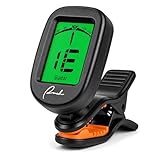
As an Amazon Associate I earn from qualifying purchases.
Prices and availability are accurate as of November 23, 2026 11:52 and are subject to change.
Introduction to Guitar Tuners
Guitar tuners are essential tools for musicians, allowing them to achieve perfect pitch and tone in their music. With the numerous options available in the market, it can be overwhelming to choose the right one, especially for electric guitar players. A good guitar tuner provides accurate and precise tuning, making it easier for musicians to focus on their performance.
When it comes to electric guitars, tuning can be a bit more complex due to the variety of pickups and strings used. However, with the right tuner, players can ensure that their instrument sounds its best. Guitar tuners come in different types, including pedal tuners, clip-on tuners, and rackmount tuners, each with its unique features and advantages. Understanding the different types of tuners and their characteristics is crucial in making an informed decision.
For electric guitar players, having a reliable and accurate tuner is vital to produce high-quality sound. The best guitar tuners for electric guitar provide fast and precise tuning, even in noisy environments. They also offer advanced features such as multiple tuning modes, calibration options, and large displays for easy reading. Additionally, some tuners come with additional features like metronomes and effects loops, making them more versatile and convenient to use.
In the world of music, a good guitar tuner can make all the difference in a player’s performance. Whether you’re a beginner or a seasoned musician, investing in a high-quality tuner can significantly improve your sound and overall playing experience. By choosing the right tuner for your electric guitar, you can ensure that your instrument sounds its best, and you can focus on what matters most – making great music.
The Best Guitar Tuners For Electric Guitar
Korg GA-1 #001
The Korg GA-1 #001 is a highly accurate and reliable guitar tuner that is perfect for electric guitar players. It has a large, backlit display that makes it easy to read, even in low light conditions. The tuner is also very easy to use, with a simple and intuitive interface that allows you to quickly and easily tune your guitar. It supports a wide range of tuning modes, including standard tuning, as well as a variety of alternate tunings.
One of the standout features of the Korg GA-1 #001 is its high level of accuracy, with a precision of +/- 0.1 cents. This makes it ideal for professional musicians who need to ensure that their guitar is perfectly in tune. The tuner is also very compact and lightweight, making it easy to take on the road. Overall, the Korg GA-1 #001 is an excellent choice for anyone looking for a high-quality guitar tuner that is easy to use and provides accurate results.
TC Electronic PolyTune 2 #002
The TC Electronic PolyTune 2 #002 is a highly advanced guitar tuner that offers a range of innovative features. It has a large, high-resolution display that shows the tuning of all six strings at once, making it easy to quickly tune your guitar. The tuner also has a range of advanced features, including a buffer mode that allows you to tune silently, and a precision mode that provides extremely accurate tuning.
One of the unique features of the TC Electronic PolyTune 2 #002 is its ability to tune multiple strings at once. This makes it much faster to tune your guitar, as you can see the tuning of all six strings simultaneously. The tuner is also very durable and well-built, with a rugged design that can withstand the rigors of heavy use. Overall, the TC Electronic PolyTune 2 #002 is an excellent choice for professional musicians who need a high-quality tuner that can keep up with their demanding performance schedule.
Snark SN-1 #003
The Snark SN-1 #003 is a highly affordable and compact guitar tuner that is perfect for beginners and hobbyists. It has a small, clip-on design that attaches directly to the headstock of your guitar, making it easy to use and convenient to carry around. The tuner is also very easy to use, with a simple and intuitive interface that allows you to quickly and easily tune your guitar.
One of the standout features of the Snark SN-1 #003 is its low cost, making it an excellent choice for anyone on a budget. The tuner is also very lightweight and compact, making it easy to take on the road. The Snark SN-1 #003 is also highly accurate, with a precision of +/- 1 cent, making it suitable for most musical applications. Overall, the Snark SN-1 #003 is an excellent choice for anyone looking for a reliable and affordable guitar tuner that is easy to use and provides accurate results.
Planet Waves PW-CT-12 #004
The Planet Waves PW-CT-12 #004 is a highly advanced guitar tuner that offers a range of innovative features. It has a large, backlit display that makes it easy to read, even in low light conditions. The tuner also has a range of advanced features, including a chromatic mode that allows you to tune to any note, and a transpose mode that allows you to tune to alternate tunings.
One of the unique features of the Planet Waves PW-CT-12 #004 is its ability to tune a wide range of instruments, including guitar, bass, and violin. The tuner is also very durable and well-built, with a rugged design that can withstand the rigors of heavy use. The Planet Waves PW-CT-12 #004 is also highly accurate, with a precision of +/- 0.5 cents, making it suitable for professional musicians who need a high-quality tuner. Overall, the Planet Waves PW-CT-12 #004 is an excellent choice for anyone looking for a versatile and accurate guitar tuner.
BOSS TU-3 #005
The BOSS TU-3 #005 is a highly reliable and accurate guitar tuner that is perfect for professional musicians. It has a large, backlit display that makes it easy to read, even in low light conditions. The tuner is also very easy to use, with a simple and intuitive interface that allows you to quickly and easily tune your guitar. It supports a wide range of tuning modes, including standard tuning, as well as a variety of alternate tunings.
One of the standout features of the BOSS TU-3 #005 is its high level of accuracy, with a precision of +/- 0.1 cents. The tuner is also very durable and well-built, with a rugged design that can withstand the rigors of heavy use. The BOSS TU-3 #005 is also highly versatile, with a range of advanced features, including a guitar/bass mode that allows you to tune both guitar and bass. Overall, the BOSS TU-3 #005 is an excellent choice for professional musicians who need a high-quality tuner that is easy to use and provides accurate results.
Why People Need to Buy Guitar Tuners for Electric Guitar
Electric guitars are complex instruments with a wide range of tonal possibilities, but they can be notoriously difficult to tune. Unlike acoustic guitars, which often have a more straightforward tuning process, electric guitars require a higher degree of precision and accuracy. This is because even the slightest deviation in tuning can have a significant impact on the overall sound quality. As a result, many electric guitar players rely on specialized tools to help them achieve perfect tuning.
One of the main reasons why people need to buy guitar tuners for electric guitar is that they provide a level of accuracy and precision that is difficult to achieve with the human ear alone. Guitar tuners use advanced technology to detect the pitch of the strings and provide a clear, visual indication of whether they are in tune or not. This is especially important for electric guitar players who use a variety of effects pedals and amplifiers, as these can often introduce additional variables that can affect the tuning.
In addition to their accuracy, guitar tuners are also incredibly convenient. They are often small and portable, making them easy to take to gigs or practices, and they can be used in a variety of different environments. Many guitar tuners also come with additional features, such as metronomes and chord dictionaries, which can be useful for players who are looking to improve their skills. When shopping for a guitar tuner, it’s a good idea to look for the best guitar tuners for electric guitar, as these will be specifically designed to meet the unique needs of electric guitar players.
Overall, guitar tuners are an essential tool for any electric guitar player who wants to achieve perfect tuning and improve their sound quality. By providing a high level of accuracy and precision, guitar tuners can help players to sound their best, whether they are playing live or recording in the studio. With so many different types of guitar tuners available, it’s easy to find one that meets your needs and budget, and start enjoying the benefits of perfect tuning for yourself.
Types of Guitar Tuners Available
Guitar tuners for electric guitars come in various types, each with its unique features and benefits. The most common types include pedal tuners, clip-on tuners, and rackmount tuners. Pedal tuners are popular among electric guitar players due to their ease of use and high accuracy. They can be connected to the guitar via a cable and provide a clear display of the tuning. Clip-on tuners, on the other hand, are compact and portable, making them ideal for traveling musicians. Rackmount tuners are designed for studio use and offer advanced features such as multiple inputs and outputs.
The choice of guitar tuner type depends on the player’s personal preference and needs. For example, a pedal tuner may be more suitable for live performances, while a clip-on tuner may be better for practice sessions. It’s essential to consider the type of tuner that best fits the player’s lifestyle and playing style. Additionally, some guitar tuners come with extra features such as metronomes, looper functions, and effects processors. These features can enhance the overall playing experience and provide more value to the player.
When selecting a guitar tuner, it’s crucial to consider the level of accuracy and precision. A good guitar tuner should be able to detect even the slightest variations in pitch and provide a clear display of the tuning. Some high-end guitar tuners offer advanced features such as strobe tuning and polyphonic tuning, which can provide even greater accuracy. However, these features may come at a higher cost, and players on a budget may need to compromise on the level of accuracy.
In conclusion, the type of guitar tuner chosen can significantly impact the playing experience. By considering the different types of guitar tuners available and their features, players can make an informed decision and choose the best tuner for their needs. Whether it’s a pedal tuner, clip-on tuner, or rackmount tuner, the right guitar tuner can help players achieve perfect pitch and improve their overall performance.
Features to Consider When Buying a Guitar Tuner
When buying a guitar tuner, there are several features to consider. One of the most important features is accuracy, as a good guitar tuner should be able to detect even the slightest variations in pitch. Another crucial feature is ease of use, as a guitar tuner should be simple and intuitive to operate. Additionally, the display should be clear and easy to read, even in low-light conditions. Some guitar tuners also come with extra features such as metronomes, looper functions, and effects processors, which can enhance the overall playing experience.
The level of precision is also an essential factor to consider. Some guitar tuners offer advanced features such as strobe tuning and polyphonic tuning, which can provide even greater accuracy. However, these features may come at a higher cost, and players on a budget may need to compromise on the level of precision. The durability and build quality of the guitar tuner are also important considerations, as a well-built tuner can withstand the rigors of frequent use and travel.
The connectivity options of the guitar tuner should also be considered. Some guitar tuners come with multiple inputs and outputs, allowing players to connect multiple guitars or other instruments. This can be particularly useful for studio recordings or live performances. Additionally, some guitar tuners come with wireless connectivity options, such as Bluetooth or Wi-Fi, which can provide greater convenience and flexibility.
In terms of budget, guitar tuners can range from very affordable to quite expensive. Players on a tight budget can find basic guitar tuners for under $20, while high-end models can cost upwards of $200. However, the price of the guitar tuner is not always an indicator of its quality, and players should consider their specific needs and requirements when making a purchase. By considering these features and factors, players can find the best guitar tuner for their needs and budget.
Guitar Tuner Brands and Models
There are many guitar tuner brands and models available on the market, each with its unique features and benefits. Some popular guitar tuner brands include Boss, Korg, and TC Electronic. These brands offer a range of guitar tuners, from basic models to advanced high-end models. For example, the Boss TU-3 is a popular pedal tuner that offers high accuracy and ease of use. The Korg GA-1 is a clip-on tuner that provides a compact and portable solution for guitar players.
Other notable guitar tuner brands include Snark, Peterson, and D’Addario. These brands offer a range of guitar tuners, including pedal tuners, clip-on tuners, and rackmount tuners. The Snark SN-1 is a popular clip-on tuner that offers high accuracy and a compact design. The Peterson StroboPlus is a high-end pedal tuner that offers advanced features such as strobe tuning and polyphonic tuning. The D’Addario NS Micro is a compact clip-on tuner that provides a discreet and accurate solution for guitar players.
When choosing a guitar tuner brand and model, it’s essential to consider the player’s specific needs and requirements. For example, a beginner player may prefer a basic and easy-to-use guitar tuner, while an experienced player may require a more advanced model with extra features. Additionally, the budget of the player should also be considered, as guitar tuners can range from very affordable to quite expensive.
In terms of innovation, some guitar tuner brands are pushing the boundaries of technology and design. For example, some guitar tuners now come with wireless connectivity options, such as Bluetooth or Wi-Fi, which can provide greater convenience and flexibility. Other guitar tuners offer advanced features such as metronomes, looper functions, and effects processors, which can enhance the overall playing experience. By considering these factors and features, players can find the best guitar tuner brand and model for their needs and budget.
Tips for Using a Guitar Tuner Effectively
To get the most out of a guitar tuner, there are several tips and techniques to consider. One of the most important tips is to use the guitar tuner in a quiet environment, free from background noise and distractions. This can help the tuner to detect the pitch more accurately and provide a clearer display. Additionally, the guitar should be tuned in a consistent environment, such as a room with a consistent temperature and humidity level.
Another tip is to use the guitar tuner regularly, as this can help to develop the player’s ear and improve their overall playing technique. By tuning the guitar regularly, players can develop a sense of pitch and improve their ability to detect even the slightest variations in pitch. Furthermore, the guitar tuner should be used in conjunction with other practice tools, such as a metronome or looper, to enhance the overall playing experience.
The guitar tuner should also be calibrated regularly to ensure accuracy and precision. Some guitar tuners come with automatic calibration features, while others require manual calibration. By calibrating the guitar tuner regularly, players can ensure that their guitar is always in tune and sounding its best. Additionally, the guitar tuner should be handled with care, as it can be a delicate piece of equipment.
In terms of maintenance, the guitar tuner should be cleaned regularly to prevent dust and dirt from accumulating on the display and other components. This can help to ensure that the guitar tuner continues to function accurately and reliably over time. By following these tips and techniques, players can get the most out of their guitar tuner and improve their overall playing experience. Whether it’s a pedal tuner, clip-on tuner, or rackmount tuner, the right guitar tuner can help players achieve perfect pitch and take their playing to the next level.
Best Guitar Tuners For Electric Guitar Buying Guide
When it comes to playing the electric guitar, having a good tuner is essential to ensure that your instrument sounds its best. With so many options available on the market, it can be overwhelming to choose the right one. In this guide, we will discuss the key factors to consider when buying a guitar tuner, helping you make an informed decision and find the perfect tuner for your electric guitar.
Accuracy and Precision
The accuracy and precision of a guitar tuner are crucial in ensuring that your electric guitar is properly tuned. A good tuner should be able to detect even the slightest deviations in pitch and provide accurate readings. When shopping for a guitar tuner, look for one that has a high degree of accuracy, typically measured in cents. The best tuners can detect pitch variations as small as 0.1 cents, providing a high level of precision. This level of accuracy is essential for professional musicians who require perfect pitch, but it’s also important for beginners who want to develop good playing habits.
A high level of accuracy and precision can make a big difference in the sound quality of your electric guitar. When your guitar is properly tuned, it will sound clearer and more resonant, with a fuller tone. On the other hand, a poorly tuned guitar can sound dull and out of tune, which can be distracting and unpleasant to listen to. By investing in a guitar tuner with high accuracy and precision, you can ensure that your electric guitar always sounds its best, whether you’re playing live or recording in the studio.
Display and Interface
The display and interface of a guitar tuner are important factors to consider, as they can affect how easy it is to use the tuner. A good tuner should have a clear and easy-to-read display that shows the pitch and any deviations from it. Some tuners have a simple needle display, while others have a more complex LCD display that shows a range of information, including the pitch, octave, and tuning mode. When choosing a guitar tuner, consider the type of display that you prefer and whether it’s easy to read in different lighting conditions.
The interface of a guitar tuner is also important, as it can affect how quickly and easily you can tune your guitar. Some tuners have a simple and intuitive interface, with a single button or switch that allows you to select the tuning mode and start the tuning process. Others have a more complex interface, with multiple buttons and menus that can be confusing to navigate. When shopping for a guitar tuner, look for one with a simple and easy-to-use interface that allows you to quickly and easily tune your guitar.
Tuning Modes and Presets
Different guitar tuners offer various tuning modes and presets, which can be useful for musicians who play in different styles or use alternative tunings. Some tuners have a range of preset tuning modes, including standard tuning, drop D, and open D, while others allow you to create and store your own custom tunings. When choosing a guitar tuner, consider the types of music you play and whether you need a tuner with multiple tuning modes and presets. If you play in a variety of styles or use alternative tunings, look for a tuner that offers a range of preset modes and allows you to create your own custom tunings.
The ability to create and store custom tunings can be particularly useful for musicians who experiment with different tunings or use unusual intervals and chord progressions. By storing your custom tunings in the tuner, you can quickly and easily switch between different tunings, without having to manually adjust the pitch of each string. This can be a big time-saver, especially if you’re playing live or recording in the studio, where time is of the essence. When shopping for a guitar tuner, look for one that offers a range of preset modes and allows you to create and store your own custom tunings.
Connectivity and Compatibility
The connectivity and compatibility of a guitar tuner are important factors to consider, especially if you plan to use the tuner with other devices or equipment. Some tuners have a range of connectivity options, including USB, MIDI, and audio outputs, while others are designed to be used standalone. When choosing a guitar tuner, consider the types of devices and equipment you plan to use it with and whether the tuner is compatible with them. If you plan to use the tuner with a computer or recording software, look for one with USB connectivity or MIDI compatibility.
The compatibility of a guitar tuner with different types of guitars and instruments is also important. Some tuners are designed specifically for electric guitars, while others can be used with acoustic guitars, basses, and other instruments. When shopping for a guitar tuner, consider the types of instruments you plan to use it with and whether the tuner is compatible with them. If you play multiple instruments, look for a tuner that can be used with a range of instruments, or consider buying multiple tuners specifically designed for each instrument. By choosing a tuner that is compatible with your instrument, you can ensure that you get accurate and reliable tuning, every time.
Power and Battery Life
The power and battery life of a guitar tuner are important factors to consider, especially if you plan to use the tuner on the go or in situations where power is limited. Some tuners are battery-powered, while others require a power adapter or USB connection. When choosing a guitar tuner, consider the power requirements and whether the tuner has a long battery life. If you plan to use the tuner on the go, look for one with a long battery life or a tuner that can be powered via USB.
The power consumption of a guitar tuner can also be an important factor, especially if you’re using the tuner with a computer or other device. Some tuners are designed to be low-power devices, which can help to conserve battery life and reduce power consumption. When shopping for a guitar tuner, look for one that is designed to be energy-efficient and has a low power consumption. By choosing a tuner that is energy-efficient, you can help to reduce your carbon footprint and save money on batteries or power costs. Whether you’re looking for the best guitar tuners for electric guitar or just a reliable tuner for your acoustic, consider the power and battery life of the tuner before making a purchase.
Price and Value
The price and value of a guitar tuner are important factors to consider, as they can affect the overall cost and value of the tuner. Guitar tuners can range in price from under $10 to over $100, depending on the features, accuracy, and brand. When choosing a guitar tuner, consider the price and whether it offers good value for the money. If you’re a beginner or on a tight budget, look for a tuner that offers good accuracy and features at a low price. If you’re a professional musician or require high-end features, be prepared to pay more for a high-quality tuner.
The value of a guitar tuner can also be affected by the brand and warranty. Some brands offer high-quality tuners with a range of features and a long warranty, while others may offer lower-quality tuners with limited features and no warranty. When shopping for a guitar tuner, consider the brand and warranty, as well as the price and features. By choosing a tuner from a reputable brand with a good warranty, you can ensure that you get a high-quality tuner that will last for years to come. Whether you’re playing live, recording in the studio, or just practicing at home, a good guitar tuner is an essential tool that can help you sound your best.
Frequently Asked Questions
What is the best guitar tuner for electric guitar?
The best guitar tuner for electric guitar is one that provides accurate and precise tuning, is easy to use, and is durable. Some popular options include the Boss TU-3, Korg GA-1, and Snark SN-1. These tuners are highly rated by guitarists and are known for their reliability and accuracy. They also have a range of features, such as multiple tuning modes and a compact design, that make them suitable for use with electric guitars.
When choosing the best guitar tuner for electric guitar, it’s also important to consider the type of tuning technology used. Some tuners use needle-style displays, while others use LCD screens or LED lights. Each type of display has its own advantages and disadvantages, and the best one for you will depend on your personal preferences and needs. Additionally, some tuners have additional features, such as metronomes or pitch pipes, that can be useful for practice and performance.
How do I choose the right guitar tuner for my electric guitar?
Choosing the right guitar tuner for your electric guitar involves considering a range of factors, including the type of tuning technology used, the level of accuracy and precision, and the ease of use. You should also think about the size and design of the tuner, as well as any additional features it may have. For example, if you plan to use the tuner on stage, you may want one that is compact and has a bright, easy-to-read display. On the other hand, if you plan to use the tuner primarily for practice, you may want one with a range of additional features, such as a metronome or pitch pipe.
It’s also a good idea to read reviews and do some research before making a decision. Look for tuners that are highly rated by other guitarists and that have a reputation for being reliable and accurate. You should also consider the price of the tuner and whether it fits within your budget. Some high-end tuners can be quite expensive, but they may offer advanced features and higher levels of accuracy and precision. On the other hand, some more basic tuners may be less expensive, but they may not offer the same level of quality and performance.
What are the different types of guitar tuners available?
There are several different types of guitar tuners available, including pedal tuners, clip-on tuners, and rackmount tuners. Pedal tuners are designed to be used on stage and are typically compact and rugged. Clip-on tuners are small and attach directly to the headstock of the guitar, while rackmount tuners are designed to be used in a studio or home recording setting. Each type of tuner has its own advantages and disadvantages, and the best one for you will depend on your specific needs and preferences.
In addition to these types of tuners, there are also a range of features and technologies that are available. For example, some tuners use chromatic tuning, which allows you to tune to any note, while others use preset tuning modes for specific types of music. Some tuners also have additional features, such as metronomes or pitch pipes, that can be useful for practice and performance. When choosing a tuner, it’s a good idea to consider the types of features and technologies that are available and to choose a tuner that meets your needs and fits your budget.
How accurate are guitar tuners?
Guitar tuners can be very accurate, with some high-end models offering accuracy of +/- 0.1 cents or better. This level of accuracy is suitable for professional use and can help to ensure that your guitar sounds its best. However, it’s worth noting that not all tuners are created equal, and some may be more accurate than others. When choosing a tuner, it’s a good idea to look for one that has a reputation for being accurate and reliable.
In addition to the accuracy of the tuner itself, there are also a range of other factors that can affect the accuracy of your tuning. For example, the type of strings you use, the condition of your guitar, and the environment in which you are playing can all impact the accuracy of your tuning. To get the best results, it’s a good idea to use a high-quality tuner and to take the time to properly set up and maintain your guitar. This can help to ensure that your guitar sounds its best and that you are able to play with confidence and precision.
Can I use a guitar tuner with other instruments?
Yes, many guitar tuners can be used with other instruments, such as bass guitars, acoustic guitars, and even violins or other orchestral instruments. However, it’s worth noting that not all tuners are compatible with all types of instruments, so it’s a good idea to check the specifications of the tuner before making a purchase. Some tuners are designed specifically for use with electric guitars, while others may be more versatile and can be used with a range of different instruments.
When using a guitar tuner with another instrument, it’s also important to consider the specific tuning needs of that instrument. For example, a bass guitar may require a different type of tuning than an electric guitar, and a violin may require a more precise and accurate tuner. By choosing a tuner that is compatible with your instrument and meets its specific tuning needs, you can help to ensure that you are able to play with confidence and precision. It’s also a good idea to read reviews and do some research to find a tuner that is highly rated by other musicians and that has a reputation for being reliable and accurate.
How do I properly use a guitar tuner?
To properly use a guitar tuner, you should first make sure that the tuner is turned on and set to the correct mode. Then, pluck the string you want to tune and the tuner will display the pitch of the string. If the string is in tune, the tuner will typically display a green light or a “in tune” message. If the string is not in tune, the tuner will display a red light or a “flat” or “sharp” message, indicating that you need to adjust the string up or down to get it in tune.
It’s also a good idea to use a guitar tuner in a quiet environment, away from other instruments and noise sources. This can help to ensure that the tuner is able to accurately detect the pitch of the string and provide a precise reading. Additionally, you should make sure to properly calibrate the tuner before use, and to follow the manufacturer’s instructions for use and maintenance. By following these steps and using a high-quality tuner, you can help to ensure that your guitar is properly tuned and that you are able to play with confidence and precision.
How much do guitar tuners cost?
The cost of guitar tuners can vary widely, depending on the type and quality of the tuner. Basic tuners can start at around $10-$20, while more advanced tuners can cost $50-$100 or more. High-end tuners with advanced features and precision tuning can cost $200-$500 or more. It’s worth noting that you don’t always have to spend a lot of money to get a good tuner, and there are many affordable options available that can provide accurate and reliable tuning.
When considering the cost of a guitar tuner, it’s also important to think about the value it will provide. A good tuner can help you to play with confidence and precision, and can save you time and frustration in the long run. Additionally, many tuners come with additional features, such as metronomes or pitch pipes, that can be useful for practice and performance. By choosing a tuner that meets your needs and fits your budget, you can help to ensure that you are able to play your best and get the most out of your music.
Conclusion
In conclusion, finding the right tool to keep your electric guitar in perfect harmony is crucial for any musician. A good guitar tuner can make all the difference in your performance, allowing you to focus on what matters most – the music. With so many options available in the market, it can be overwhelming to choose the one that suits your needs. However, by considering factors such as accuracy, ease of use, and durability, you can make an informed decision that will elevate your musical experience.
Ultimately, investing in the best guitar tuners for electric guitar is a worthwhile investment for any serious musician. By doing so, you can ensure that your guitar sounds its best, and you can perform with confidence. Whether you’re a beginner or a seasoned pro, a high-quality guitar tuner is an essential tool that will help you achieve your musical goals. With the right tuner by your side, you’ll be able to focus on creating music that resonates with your audience, and take your skills to the next level.