As any professional or aspiring chef knows, having the right tools in the kitchen is crucial for success. A good knife is an essential part of any chef’s arsenal, and can make all the difference in the preparation and presentation of a dish. With so many options available on the market, it can be overwhelming to choose the perfect knife that meets your needs and skill level. Whether you’re a seasoned pro or just starting out, selecting the best knives for chefs can be a daunting task, especially with the numerous brands, materials, and styles to consider.
In the world of culinary arts, a high-quality knife is not just a tool, but an extension of the chef’s hand. It requires a combination of sharpness, balance, and durability to perform various tasks with ease and precision. From chopping and slicing to mincing and dicing, a good knife can help chefs work more efficiently and effectively, allowing them to focus on the creative aspects of cooking. With this in mind, we’ve put together a comprehensive guide to help you navigate the world of kitchen knives and find the perfect one that suits your needs, cooking style, and budget, ensuring that you can take your culinary skills to the next level.
We will cover the best knives for chefs later in this article. Meanwhile, feel free to check out these related products on Amazon:
| # | Preview | Product | Price | |
|---|---|---|---|---|
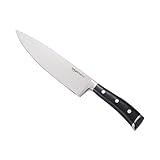
| 1 | Amazon Basics Classic 8-inch Full Tang High Carbon Stainless Steel Chef's… | $11.95 | View on Amazon | |
| 2 | imarku Japanese Gyutou Chef Knife-Sharp Kitchen Gyutou Knife 8 Inch | Chef's… | $30.01 | View on Amazon | |
| 3 | Knife Drop: Creative Recipes Anyone Can Cook | $21.99 | View on Amazon | |
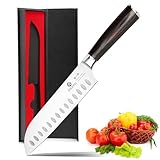
| 4 | imarku Santoku Knife 7 Inch, Ultra Sharp Japanese Chef Knife-Kitchen Knife… | $26.62 | View on Amazon | |
| 5 | Amazon Basics Color-Coded Dishwasher Safe Kitchen Knife Set, 12-Piece with… | $13.67 | View on Amazon |



As an Amazon Associate I earn from qualifying purchases.
Prices and availability are accurate as of November 23, 2026 10:18 and are subject to change.
Introduction to Knives for Chefs
Knives are an essential tool for any chef, and having the right one can make all the difference in the kitchen. A good knife can help a chef to prepare ingredients efficiently and effectively, while a poor-quality knife can lead to frustration and disappointment. With so many different types of knives available, it can be difficult to know which ones to choose.
In general, a chef’s knife is designed to be versatile and able to handle a variety of tasks, from chopping and slicing to mincing and dicing. A good chef’s knife should be made from high-quality materials, such as stainless steel or carbon steel, and should have a comfortable, balanced design that makes it easy to use. The best knives are those that are well-balanced, sharp, and durable, and are able to withstand the rigors of frequent use.
When it comes to choosing the best knives for chefs, there are several factors to consider. The type of cooking being done, the frequency of use, and the personal preference of the chef are all important considerations. Some chefs may prefer a heavier, more substantial knife, while others may prefer a lighter, more agile one. Ultimately, the best knife for a chef is one that feels comfortable and natural in their hand, and that is able to help them to prepare delicious, high-quality dishes.
In the world of cooking, having the right tools is essential, and a good knife is one of the most important tools a chef can have. Whether you are a professional chef or an amateur cook, investing in a high-quality knife can make a big difference in your cooking experience. By choosing the best knives for chefs, you can ensure that you are well-equipped to handle any cooking task that comes your way, and that you are able to prepare delicious, memorable meals for yourself and others.
Top 5 Best Knives For Chefs
1. Wüsthof Classic Ikon 8-Inch Cook’s Knife #1
The Wüsthof Classic Ikon 8-Inch Cook’s Knife #1 is a high-quality chef’s knife that has been a favorite among professional chefs for years. Its durable and resistant blade is made from high-carbon stainless steel, which provides excellent sharpness and edge retention. The ergonomic handle is designed for comfort and balance, allowing chefs to work for long periods without fatigue. The knife’s weight and balance are also well-suited for a variety of cutting tasks, from chopping and slicing to mincing and dicing.
The Wüsthof Classic Ikon 8-Inch Cook’s Knife #1 is a versatile and reliable tool that can be used in a variety of kitchen settings, from fine dining restaurants to home kitchens. Its sharp edge and comfortable handle make it ideal for preparing a wide range of ingredients, from delicate herbs and vegetables to tough meats and bones. With proper care and maintenance, this knife can last for many years, making it a worthwhile investment for any serious chef or home cook. Whether you’re a seasoned pro or just starting out, the Wüsthof Classic Ikon 8-Inch Cook’s Knife #1 is an excellent choice for any kitchen.
2. Shun DM0706 Classic 8-Inch Chef’s Knife #2
The Shun DM0706 Classic 8-Inch Chef’s Knife #2 is a premium chef’s knife that is known for its exceptional sharpness and durability. Its VG-MAX steel blade is made using a proprietary manufacturing process that involves folding and hammering the steel to create a strong and flexible edge. The knife’s ergonomic handle is made from durable PakkaWood, which provides a comfortable and secure grip. The Shun DM0706 Classic 8-Inch Chef’s Knife #2 is also beautifully crafted, with a sleek and elegant design that makes it a joy to use and display.
The Shun DM0706 Classic 8-Inch Chef’s Knife #2 is a high-performance tool that is designed to meet the needs of professional chefs and serious home cooks. Its razor-sharp edge and comfortable handle make it ideal for a wide range of cutting tasks, from slicing and dicing to chopping and mincing. The knife’s durable construction and resistant blade also make it easy to maintain and clean, and it can be sharpened using a variety of methods, including whetstones and electric sharpeners. Whether you’re working in a busy restaurant kitchen or cooking at home, the Shun DM0706 Classic 8-Inch Chef’s Knife #2 is an excellent choice for anyone who wants a high-quality chef’s knife.
3. Global G-2 8-Inch Chef’s Knife #3
The Global G-2 8-Inch Chef’s Knife #3 is a popular choice among professional chefs and home cooks, and for good reason. Its unique, straight-edge design makes it ideal for a wide range of cutting tasks, from chopping and slicing to mincing and dicing. The knife’s blade is made from high-quality CROMOVA 18 stainless steel, which provides excellent sharpness and edge retention. The ergonomic handle is designed for comfort and balance, and the knife’s weight and balance are well-suited for a variety of kitchen tasks.
The Global G-2 8-Inch Chef’s Knife #3 is a versatile and reliable tool that can be used in a variety of kitchen settings, from fine dining restaurants to home kitchens. Its sharp edge and comfortable handle make it ideal for preparing a wide range of ingredients, from delicate herbs and vegetables to tough meats and bones. The knife’s durable construction and resistant blade also make it easy to maintain and clean, and it can be sharpened using a variety of methods, including whetstones and electric sharpeners. Whether you’re a seasoned pro or just starting out, the Global G-2 8-Inch Chef’s Knife #3 is an excellent choice for any kitchen.
4. Zwilling J.A. Henckels Twin Pro 8-Inch Chef’s Knife #4
The Zwilling J.A. Henckels Twin Pro 8-Inch Chef’s Knife #4 is a high-quality chef’s knife that is designed to meet the needs of professional chefs and serious home cooks. Its durable and resistant blade is made from high-carbon stainless steel, which provides excellent sharpness and edge retention. The ergonomic handle is designed for comfort and balance, and the knife’s weight and balance are well-suited for a variety of cutting tasks, from chopping and slicing to mincing and dicing. The Zwilling J.A. Henckels Twin Pro 8-Inch Chef’s Knife #4 is also beautifully crafted, with a sleek and elegant design that makes it a joy to use and display.
The Zwilling J.A. Henckels Twin Pro 8-Inch Chef’s Knife #4 is a versatile and reliable tool that can be used in a variety of kitchen settings, from fine dining restaurants to home kitchens. Its sharp edge and comfortable handle make it ideal for preparing a wide range of ingredients, from delicate herbs and vegetables to tough meats and bones. The knife’s durable construction and resistant blade also make it easy to maintain and clean, and it can be sharpened using a variety of methods, including whetstones and electric sharpeners. With proper care and maintenance, the Zwilling J.A. Henckels Twin Pro 8-Inch Chef’s Knife #4 can last for many years, making it a worthwhile investment for any serious chef or home cook.
5. Bob Kramer Signature 8-Inch Chef’s Knife #5
The Bob Kramer Signature 8-Inch Chef’s Knife #5 is a premium chef’s knife that is known for its exceptional sharpness and durability. Its high-carbon stainless steel blade is made using a proprietary manufacturing process that involves forging and hammering the steel to create a strong and flexible edge. The knife’s ergonomic handle is made from durable wood, which provides a comfortable and secure grip. The Bob Kramer Signature 8-Inch Chef’s Knife #5 is also beautifully crafted, with a sleek and elegant design that makes it a joy to use and display.
The Bob Kramer Signature 8-Inch Chef’s Knife #5 is a high-performance tool that is designed to meet the needs of professional chefs and serious home cooks. Its razor-sharp edge and comfortable handle make it ideal for a wide range of cutting tasks, from slicing and dicing to chopping and mincing. The knife’s durable construction and resistant blade also make it easy to maintain and clean, and it can be sharpened using a variety of methods, including whetstones and electric sharpeners. Whether you’re working in a busy restaurant kitchen or cooking at home, the Bob Kramer Signature 8-Inch Chef’s Knife #5 is an excellent choice for anyone who wants a high-quality chef’s knife that will last for many years.
Why Chefs Require High-Quality Knives
For chefs, having the right tools is essential to perform their job efficiently and effectively. A good set of knives is a fundamental part of any chef’s arsenal, allowing them to prepare ingredients with precision and speed. The importance of a high-quality knife cannot be overstated, as it directly impacts the quality of the dishes being prepared. A dull or poorly made knife can lead to wasted time, ingredients, and effort, ultimately affecting the overall dining experience.
In a professional kitchen, the demands on a chef’s knives are high. They must be able to withstand constant use, maintain their sharpness, and be easy to clean and maintain. A chef’s knife is an extension of their hand, and having a well-balanced and comfortable knife makes all the difference in their work. The right knife allows a chef to focus on the creative aspects of cooking, rather than struggling with a subpar tool. This is why investing in a good set of knives is crucial for any serious chef.
When it comes to selecting the best knives for chefs, there are several factors to consider. The material, weight, balance, and edge retention are all important aspects of a high-quality knife. A good knife should feel comfortable in the hand, with a balance that allows for smooth, precise cuts. The edge should be sharp and retain its sharpness over time, even with heavy use. By investing in a high-quality set of knives, chefs can ensure that they have the tools they need to perform at their best.
In addition to the practical benefits, having a good set of knives can also be a matter of personal pride for a chef. A well-crafted knife is a thing of beauty, with a satisfying weight and balance that feels good in the hand. For many chefs, their knives are an essential part of their identity and a reflection of their professionalism. By investing in a high-quality set of knives, chefs can demonstrate their commitment to their craft and their passion for creating exceptional cuisine. Whether in a professional kitchen or at home, a good set of knives is an essential tool for any serious cook.
Types of Knives Used by Chefs
The world of chef knives is vast and varied, with different types of knives suited to specific tasks and cooking styles. One of the most essential knives in a chef’s arsenal is the chef’s knife, also known as a cook’s knife. This versatile knife is used for chopping, slicing, and mincing ingredients, and is a staple in many professional kitchens. The chef’s knife typically has a straight edge and a curved blade, allowing for smooth, precise cuts.
In addition to the chef’s knife, many chefs also use a paring knife for smaller, more delicate tasks such as coring tomatoes or peeling fruit. The paring knife has a small, pointed blade that is perfect for precision work, and is often used in conjunction with a chef’s knife to prepare ingredients. Another essential knife for chefs is the serrated knife, which is used for cutting through tough, fibrous ingredients like bread or meat.
Serrated knives have a unique tooth-like edge that allows them to saw through tough ingredients with ease, making them a must-have for many chefs. Finally, some chefs also use a boning knife, which is used to remove bones from meat and fish. The boning knife has a thin, flexible blade that is designed to navigate the complex curves and contours of bones, making it an essential tool for chefs who work with meat and seafood.
Overall, the type of knife used by a chef will depend on the specific task at hand, as well as the chef’s personal preference and cooking style. By having a variety of knives at their disposal, chefs can ensure that they are always prepared to tackle any culinary challenge that comes their way.
Materials Used to Make Chef Knives
Chef knives can be made from a variety of materials, each with its own unique characteristics and advantages. One of the most common materials used to make chef knives is stainless steel, which is prized for its durability and resistance to corrosion. Stainless steel knives are often less expensive than knives made from other materials, and are a popular choice among chefs who are just starting out.
Another popular material used to make chef knives is carbon steel, which is known for its sharpness and ability to hold a fine edge. Carbon steel knives are often more expensive than stainless steel knives, but are preferred by many chefs for their exceptional performance and durability. Some chef knives are also made from titanium, which is a strong and lightweight metal that is resistant to corrosion.
In addition to these materials, some chef knives are also made from ceramic or Damascus steel. Ceramic knives are made from a type of advanced ceramic material that is extremely sharp and resistant to wear and tear. Damascus steel knives, on the other hand, are made from a type of steel that is prized for its strength and beauty. Damascus steel knives are often more expensive than knives made from other materials, but are highly prized by chefs and collectors for their unique appearance and exceptional performance.
Overall, the material used to make a chef knife will depend on the chef’s personal preference, as well as the specific tasks and cooking styles they will be using the knife for. By choosing a knife made from the right material, chefs can ensure that they have a tool that will perform well and last for many years.
Caring for and Maintaining Chef Knives
Proper care and maintenance are essential to extending the life of a chef knife and ensuring that it continues to perform well over time. One of the most important things chefs can do to care for their knives is to keep them clean and dry. This means washing the knife by hand with soap and water after each use, and drying it thoroughly to prevent rust or corrosion.
In addition to keeping their knives clean and dry, chefs should also store them properly when not in use. This means keeping the knife in a dry place, such as a knife block or on a magnetic strip, and avoiding contact with other utensils or objects that could cause damage. Chefs should also avoid putting their knives in the dishwasher, as the high heat and harsh detergents can cause damage to the blade or handle.
Regular sharpening is also essential to maintaining a chef knife. A dull knife is not only less effective, but it can also be more dangerous to use, as it requires more pressure and force to cut through ingredients. Chefs can sharpen their knives using a whetstone or sharpening steel, or by taking them to a professional sharpener. By keeping their knives sharp and well-maintained, chefs can ensure that they continue to perform well and remain a valuable tool in the kitchen.
Overall, proper care and maintenance are essential to getting the most out of a chef knife. By following a few simple tips and techniques, chefs can keep their knives in good condition and ensure that they continue to perform well for many years.
What to Look for When Choosing a Chef Knife
When choosing a chef knife, there are several factors to consider. One of the most important things to look for is the quality of the blade, which should be made from a durable and corrosion-resistant material such as stainless steel or carbon steel. The blade should also be sharp and well-balanced, with a comfortable weight and feel in the hand.
In addition to the quality of the blade, chefs should also consider the ergonomics of the handle, which should be comfortable to hold and easy to maneuver. The handle should be made from a durable material such as wood or plastic, and should be designed to fit comfortably in the hand. Chefs should also consider the size and shape of the knife, which will depend on the specific tasks and cooking styles they will be using it for.
Another important factor to consider when choosing a chef knife is the brand and reputation of the manufacturer. Reputable brands such as Wüsthof and Shun are known for producing high-quality knives that are durable and long-lasting. Chefs should also read reviews and do their research before making a purchase, to ensure that they are getting a knife that meets their needs and expectations.
Overall, choosing the right chef knife can be a daunting task, but by considering a few key factors, chefs can find a knife that will serve them well in the kitchen. By looking for a high-quality blade, comfortable handle, and reputable brand, chefs can ensure that they have a valuable tool that will last for many years.
Ultimate Buying Guide for Professional Chef Knives
When it comes to cooking, having the right tools can make all the difference in the world. For chefs, one of the most essential tools is a good knife. A good knife can help a chef to prepare ingredients quickly and efficiently, which is crucial in a fast-paced kitchen environment. With so many different types of knives available, it can be difficult to know which ones to choose. In this guide, we will discuss the key factors to consider when buying knives for chefs, helping you to make an informed decision and find the best knives for chefs.
Material and Construction
The material and construction of a knife are crucial factors to consider. A knife that is made from high-quality materials and constructed with care will be more durable and long-lasting. Chefs need knives that can withstand the rigors of daily use, and a well-made knife will be able to handle the demands of a busy kitchen. A good knife should have a strong, sturdy handle and a sharp, durable blade. The handle should be comfortable to hold and easy to grip, even when wet or greasy. The blade should be made from a high-carbon stainless steel that is resistant to corrosion and holds its edge well.
The type of steel used in the blade is also an important consideration. Some knives are made from low-carbon steel, which is softer and more prone to corrosion. These knives are often less expensive, but they may not hold their edge as well as knives made from high-carbon steel. High-carbon steel is more expensive, but it is also more durable and resistant to corrosion. It is worth paying a little extra for a knife made from high-carbon steel, as it will last longer and perform better in the kitchen.
Blade Shape and Size
The shape and size of the blade are also important factors to consider. Different types of knives have different blade shapes and sizes, and each is suited to specific tasks. For example, a chef’s knife has a large, curved blade that is ideal for chopping and slicing vegetables. A paring knife has a small, pointed blade that is perfect for peeling and coring fruit and vegetables. A serrated knife has a blade with teeth, which is great for cutting through tough or fibrous materials like bread or meat.
The size of the blade is also important. A larger blade can be more intimidating to use, but it can also be more efficient for certain tasks. A smaller blade is more maneuverable and easier to use for precise cuts. Chefs should consider the types of tasks they will be using the knife for, and choose a blade shape and size that is well-suited to those tasks. It is also worth considering the weight and balance of the knife, as a well-balanced knife will be easier to use and more comfortable to hold.
Edge Retention and Sharpness
The edge retention and sharpness of a knife are critical factors to consider. A sharp knife is safer and more efficient to use, as it requires less pressure and is less likely to slip and cause an accident. A knife with good edge retention will stay sharp longer, and require less maintenance. Chefs should look for knives with a sharp, even edge that is resistant to corrosion and wear. The edge should be smooth and free of nicks or scratches, which can cause the knife to tear or rip food instead of cutting it cleanly.
The sharpness of a knife can be measured in several ways, including the Rockwell hardness test. This test measures the hardness of the steel, which is an indicator of its ability to hold an edge. A higher Rockwell hardness rating indicates a harder steel that will hold its edge better. Chefs should also consider the bevel angle of the knife, which is the angle at which the edge is sharpened. A smaller bevel angle will result in a sharper edge, but it may also be more prone to chipping or cracking.
Handle and Ergonomics
The handle and ergonomics of a knife are also important factors to consider. A comfortable, ergonomic handle can reduce fatigue and make the knife more pleasant to use. Chefs should look for knives with handles that are contoured to fit the hand, with a comfortable grip and a secure feel. The handle should be made from a durable, slip-resistant material that can withstand the rigors of daily use. A good handle should also be balanced, with the weight of the knife evenly distributed between the blade and the handle.
The material used in the handle is also an important consideration. Some knives have handles made from wood or other natural materials, which can be comfortable and aesthetically pleasing. However, these handles may be more prone to cracking or splitting, and may require more maintenance. Other knives have handles made from synthetic materials, which are more durable and resistant to corrosion. These handles may be less comfortable, but they are often more practical and require less maintenance.
Brand and Reputation
The brand and reputation of a knife are also important factors to consider. A reputable brand will stand behind its products, and offer a warranty or guarantee. Chefs should look for brands that are known for producing high-quality, durable knives. These brands may be more expensive, but they are often worth the extra cost. A good brand will also offer a wide range of knives, each with its own unique characteristics and features.
The reputation of a brand can be researched online, by reading reviews and talking to other chefs. A brand with a good reputation will have a loyal following, and will be known for producing high-quality products. Chefs should also consider the customer service offered by the brand, as a good brand will offer excellent support and service. This can include a warranty or guarantee, as well as online resources and tutorials. A good brand will also be committed to innovation, and will continually update and improve its products to meet the changing needs of chefs.
Maintenance and Care
The maintenance and care of a knife are also important factors to consider. A knife that is easy to maintain and care for will be more convenient to use, and will last longer. Chefs should look for knives that are easy to sharpen and clean, and that require minimal maintenance. A good knife should be made from materials that are resistant to corrosion and wear, and should have a durable, long-lasting edge. The knife should also be easy to store and transport, with a secure, protective case or sheath.
The maintenance requirements of a knife will depend on the type of steel used in the blade, as well as the handle material and construction. Some knives may require more frequent sharpening, or may need to be cleaned and dried after each use. Chefs should consider their own maintenance habits and preferences, and choose a knife that is easy to care for and maintain. A good knife will also come with a maintenance kit or instructions, which can help chefs to keep their knife in good condition and extend its lifespan.
FAQ
What makes a good chef’s knife?
A good chef’s knife is one that is well-balanced, sharp, and durable. It should have a comfortable handle that fits securely in the user’s hand, allowing for precise control and maneuverability. The blade should be made of high-quality materials, such as stainless steel or carbon steel, and should be resistant to corrosion and wear. A good chef’s knife should also have a sharp edge that can be easily maintained and sharpened.
In addition to these physical characteristics, a good chef’s knife should also be versatile and able to perform a variety of tasks, from chopping and slicing to mincing and dicing. It should be able to handle a range of ingredients, from delicate herbs to tough meats, and should be able to withstand the rigors of frequent use in a busy kitchen. Whether you are a professional chef or a home cook, a good chef’s knife is an essential tool that can make a big difference in the quality and efficiency of your cooking.
What are the different types of chef’s knives?
There are several different types of chef’s knives, each with its own unique characteristics and uses. The most common type of chef’s knife is the straight-edge knife, which has a straight, flat edge and is used for chopping, slicing, and mincing. There are also serrated-edge knives, which have a toothed edge and are used for cutting through tough or fibrous ingredients. Other types of chef’s knives include curved-edge knives, which are used for slicing and carving, and boning knives, which are used for removing bones and skin from meat and fish.
In addition to these different types of edges, chef’s knives can also vary in terms of their size, shape, and material. Some chef’s knives have long, slender blades that are ideal for slicing and carving, while others have shorter, thicker blades that are better suited for chopping and mincing. Some chef’s knives are made of stainless steel, which is resistant to corrosion and easy to clean, while others are made of carbon steel, which is sharper and more durable but requires more maintenance. By choosing the right type of chef’s knife for the task at hand, cooks can ensure that they are able to prepare ingredients quickly and efficiently.
How do I choose the best chef’s knife for my needs?
To choose the best chef’s knife for your needs, you should consider the types of ingredients you will be working with, the tasks you will be performing, and the level of comfort and control you need. If you will be working with delicate ingredients, such as herbs or fish, you may want to choose a chef’s knife with a straight edge and a thin, flexible blade. If you will be working with tougher ingredients, such as meat or vegetables, you may want to choose a chef’s knife with a serrated edge and a thicker, more rigid blade.
In addition to considering the specific tasks you will be performing, you should also think about your personal preferences and cooking style. If you are a beginner cook, you may want to choose a chef’s knife that is easy to handle and maneuver, with a comfortable grip and a balanced feel. If you are an experienced cook, you may want to choose a chef’s knife that is more precise and versatile, with a sharp edge and a durable construction. By considering your needs and preferences, you can choose the best chef’s knife for your cooking tasks and ensure that you are able to prepare ingredients quickly and efficiently.
What is the best material for a chef’s knife?
The best material for a chef’s knife depends on a number of factors, including the type of cooking you will be doing, the level of maintenance you are willing to perform, and the budget you have available. Stainless steel is a popular choice for chef’s knives because it is resistant to corrosion, easy to clean, and relatively inexpensive. However, stainless steel knives can be less sharp than knives made of other materials, and may require more frequent sharpening.
Carbon steel is another popular choice for chef’s knives, and is known for its sharpness, durability, and versatility. Carbon steel knives are often more expensive than stainless steel knives, but they are also more resistant to wear and tear, and can hold a sharp edge for longer. However, carbon steel knives require more maintenance than stainless steel knives, and must be regularly cleaned and oiled to prevent rust. Other materials, such as titanium and ceramic, are also used to make chef’s knives, and offer their own unique advantages and disadvantages. By choosing the right material for your chef’s knife, you can ensure that it will perform well and last for a long time.
How do I care for and maintain my chef’s knife?
To care for and maintain your chef’s knife, you should regularly clean and dry it, and store it in a safe and secure location. After each use, you should wash the knife with soap and water, and dry it thoroughly to prevent rust or corrosion. You should also regularly sharpen the knife to maintain its edge and prevent it from becoming dull. A dull knife is not only less effective, but it is also more dangerous, as it can slip and cause accidents.
In addition to regular cleaning and sharpening, you should also take steps to prevent your chef’s knife from becoming damaged or worn. You should avoid using the knife to cut through bones or other hard objects, as this can cause the edge to become chipped or broken. You should also avoid putting the knife in the dishwasher, as the high heat and harsh detergents can cause the handle to become loose or the blade to become damaged. By taking proper care of your chef’s knife, you can ensure that it will last for a long time and continue to perform well.
Can I use my chef’s knife for other tasks besides cooking?
While a chef’s knife is primarily designed for cooking, it can also be used for other tasks, such as cutting rope or opening packages. However, you should be careful not to use your chef’s knife for tasks that may damage the blade or compromise its safety. For example, you should avoid using your chef’s knife to cut through wire or other hard objects, as this can cause the edge to become chipped or broken. You should also avoid using your chef’s knife in a way that may cause it to slip or become unbalanced, as this can cause accidents.
In general, it is best to reserve your chef’s knife for cooking tasks, and to use other tools for other tasks. This will help to ensure that your chef’s knife remains in good condition and continues to perform well. If you do need to use your chef’s knife for other tasks, you should take care to use it safely and responsibly, and to clean and maintain it regularly to prevent damage or wear. By using your chef’s knife responsibly, you can help to ensure that it will last for a long time and continue to be a valuable tool in your kitchen.
Are expensive chef’s knives worth the cost?
Whether or not an expensive chef’s knife is worth the cost depends on a number of factors, including the quality of the knife, the materials it is made of, and the level of use it will receive. A high-quality chef’s knife made of premium materials, such as carbon steel or titanium, can be a valuable investment for serious cooks, as it can provide a sharp edge, durable construction, and comfortable handling. However, for casual cooks or those on a budget, a less expensive chef’s knife may be a more practical choice.
In general, the cost of a chef’s knife is reflected in its quality and performance. A more expensive chef’s knife is likely to be made of higher-quality materials, and to have a sharper edge and more durable construction. However, the cost of a chef’s knife can also be influenced by factors such as the brand, the design, and the marketing. By doing research and comparing different options, you can find a high-quality chef’s knife that meets your needs and fits your budget. Whether or not an expensive chef’s knife is worth the cost ultimately depends on your individual circumstances and priorities.
Verdict
In the world of culinary arts, having the right tools can make all the difference in the quality and presentation of dishes. A good set of knives is an essential investment for any chef, as it can greatly impact their performance and efficiency in the kitchen. With so many options available in the market, it can be overwhelming to choose the right one. However, by considering factors such as material, sharpness, and ergonomics, chefs can make an informed decision that suits their needs and preferences.
In conclusion, selecting the best knives for chefs requires careful consideration of several key factors. By choosing a high-quality knife that meets their specific needs, chefs can elevate their cooking experience and take their culinary skills to the next level. Whether you are a seasoned professional or an aspiring chef, investing in a good set of knives is a crucial step in achieving success in the kitchen. With the right knife by their side, chefs can unleash their creativity, precision, and passion for cooking, and deliver exceptional results that will leave a lasting impression on their customers.