As the winter season approaches, outdoor enthusiasts and hikers alike begin to prepare for the challenges that come with exploring the great outdoors in cold weather. One of the most essential pieces of gear for any winter hike is a reliable and warm jacket, designed to protect against the elements and keep you comfortable throughout your adventure. With so many options available on the market, it can be overwhelming to choose the right one, especially for those who are new to winter hiking. However, with the right knowledge and guidance, you can find the perfect jacket to suit your needs and enhance your overall hiking experience.
When it comes to selecting the best winter jackets for hiking, there are several key factors to consider, including insulation, waterproofing, breathability, and durability. A good winter jacket should be able to withstand harsh weather conditions, such as heavy snowfall, strong winds, and freezing temperatures, while also providing adequate ventilation to prevent overheating and moisture buildup. In this article, we will delve into the world of winter hiking jackets, exploring the features, benefits, and drawbacks of various models, and providing you with the information you need to make an informed decision. Whether you’re a seasoned hiker or just starting out, this guide will help you navigate the complex world of winter hiking gear and find the perfect jacket to keep you warm, dry, and comfortable on your next winter adventure.
We will cover the best winter jackets for hiking later in this article. Meanwhile, feel free to check out these related products on Amazon:


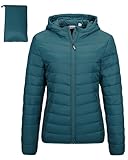
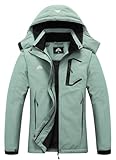

As an Amazon Associate I earn from qualifying purchases.
Prices and availability are accurate as of November 17, 2026 13:04 and are subject to change.
Introduction to Winter Jackets for Hiking
Winter jackets for hiking are a crucial piece of gear for outdoor enthusiasts who brave the cold weather to explore nature. These jackets are designed to provide warmth, protection, and comfort in harsh winter conditions, allowing hikers to focus on their adventure rather than the cold. With various styles, materials, and features available, it can be overwhelming to choose the right one.
When it comes to hiking in the winter, a good jacket can make all the difference. It should be able to withstand the elements, including snow, wind, and freezing temperatures. A winter jacket for hiking should also be breathable, allowing moisture to escape and preventing the buildup of sweat. This helps to maintain a comfortable body temperature and prevent hypothermia.
In addition to providing warmth and protection, winter jackets for hiking should also be functional and convenient. Features such as adjustable cuffs, hem, and hood can help to prevent heat loss and keep the cold out. Many jackets also come with pockets and compartments to store essentials like snacks, maps, and first aid kits. Whether you’re a casual hiker or an experienced mountaineer, a good winter jacket is essential for a safe and enjoyable hiking experience.
For those looking for the best winter jackets for hiking, there are many options available on the market. From lightweight and packable jackets to heavy-duty and insulated ones, the right choice will depend on the specific needs and preferences of the hiker. By considering factors such as weather conditions, hiking style, and personal comfort, outdoor enthusiasts can find the perfect jacket to keep them warm and protected on their winter hiking adventures.
The Best Winter Jackets For Hiking
The
1. Patagonia Tres 3-in-1 Parka
is an excellent choice for hikers who need a versatile and reliable winter jacket. This jacket features a 2-layer H2No Performance Standard waterproof and breathable membrane, which will keep you dry and comfortable in wet and windy conditions. The 3-in-1 design allows you to wear the jacket as a single unit, or as a separate shell and insulated jacket, giving you multiple options for different weather conditions.
The
1. Patagonia Tres 3-in-1 Parka
also features a DWR finish, which helps to repel water and stains, and a recycled insulation that provides warmth without bulk. The jacket has a fitted design, with a two-way zipper and adjustable cuffs, which helps to prevent heat loss and keep the elements out. Overall, the
1. Patagonia Tres 3-in-1 Parka
is a great choice for hikers who need a jacket that can keep up with their active lifestyle, and is suitable for a wide range of winter conditions.
The
2. The North Face Thermoball Jacket
is a high-quality winter jacket that is designed to provide warmth and protection in cold and wet conditions. This jacket features a 2-layer DryVent membrane, which is both waterproof and breathable, and a Thermoball insulation that provides excellent warmth without bulk. The jacket also has a DWR finish, which helps to repel water and stains, and a adjustable hem and cuffs, which helps to prevent heat loss and keep the elements out.
The
2. The North Face Thermoball Jacket
is also very lightweight and packable, making it a great choice for hikers who need to carry their gear over long distances. The jacket has a fitted design, with a two-way zipper and adjustable cuffs, which helps to prevent heat loss and keep the elements out. Overall, the
2. The North Face Thermoball Jacket
is a great choice for hikers who need a warm and protective jacket that is also lightweight and packable, and is suitable for a wide range of winter conditions.
The
3. Columbia OutDry Ex Gold Insulated Jacket
is a great choice for hikers who need a warm and protective winter jacket that is also waterproof and breathable. This jacket features a OutDry membrane, which is both waterproof and breathable, and a synthetic insulation that provides excellent warmth without bulk. The jacket also has a DWR finish, which helps to repel water and stains, and a adjustable hem and cuffs, which helps to prevent heat loss and keep the elements out.
The
3. Columbia OutDry Ex Gold Insulated Jacket
is also very durable and long-lasting, making it a great choice for hikers who need a jacket that can withstand rough handling and harsh weather conditions. The jacket has a fitted design, with a two-way zipper and adjustable cuffs, which helps to prevent heat loss and keep the elements out. Overall, the
3. Columbia OutDry Ex Gold Insulated Jacket
is a great choice for hikers who need a warm and protective jacket that is also waterproof and breathable, and is suitable for a wide range of winter conditions.
The
4. Arc’teryx Beta AR Jacket
is a high-end winter jacket that is designed to provide excellent warmth and protection in cold and wet conditions. This jacket features a 2-layer Gore-Tex membrane, which is both waterproof and breathable, and a synthetic insulation that provides excellent warmth without bulk. The jacket also has a DWR finish, which helps to repel water and stains, and a adjustable hem and cuffs, which helps to prevent heat loss and keep the elements out.
The
4. Arc’teryx Beta AR Jacket
is also very durable and long-lasting, making it a great choice for hikers who need a jacket that can withstand rough handling and harsh weather conditions. The jacket has a fitted design, with a two-way zipper and adjustable cuffs, which helps to prevent heat loss and keep the elements out. Overall, the
4. Arc’teryx Beta AR Jacket
is a great choice for hikers who need a high-end winter jacket that provides excellent warmth and protection, and is suitable for a wide range of winter conditions.
The
5. Rab Neutrino Endurance Jacket
is a great choice for hikers who need a warm and protective winter jacket that is also lightweight and packable. This jacket features a 2-layer Proflex membrane, which is both waterproof and breathable, and a synthetic insulation that provides excellent warmth without bulk. The jacket also has a DWR finish, which helps to repel water and stains, and a adjustable hem and cuffs, which helps to prevent heat loss and keep the elements out.
The
5. Rab Neutrino Endurance Jacket
is also very versatile, making it a great choice for hikers who need a jacket that can be used in a wide range of winter conditions. The jacket has a fitted design, with a two-way zipper and adjustable cuffs, which helps to prevent heat loss and keep the elements out. Overall, the
5. Rab Neutrino Endurance Jacket
is a great choice for hikers who need a warm and protective jacket that is also lightweight and packable, and is suitable for a wide range of winter conditions.
Importance of Winter Jackets for Hiking
Hiking is a popular outdoor activity that can be enjoyed throughout the year, but it requires special preparation during the winter months. The cold weather and harsh conditions can be challenging for hikers, and having the right gear is essential to ensure a safe and enjoyable experience. One of the most critical pieces of gear for winter hiking is a good winter jacket. A winter jacket provides insulation, wind protection, and waterproofing, which are all essential for staying warm and dry in cold and snowy conditions.
When hiking in the winter, the body loses heat quickly due to the cold air and wind. A good winter jacket helps to retain body heat and prevent heat loss. It also protects the hiker from wind and snow, which can be bitter and penetrating. Additionally, a winter jacket can provide extra protection in case of an emergency, such as getting lost or injured. In such situations, a warm and dry jacket can be a lifesaver.
Choosing the right winter jacket for hiking is crucial. Hikers need to consider factors such as insulation, waterproofing, breathability, and weight. The best winter jackets for hiking are those that strike a balance between these factors, providing adequate warmth and protection without being too heavy or bulky. Hikers should also consider the type of hiking they will be doing, as well as the weather conditions they are likely to encounter.
In conclusion, a winter jacket is an essential piece of gear for anyone who enjoys hiking in the winter. It provides critical protection from the cold and harsh weather conditions, and can help to prevent heat loss and hypothermia. By choosing a high-quality winter jacket and dressing appropriately, hikers can enjoy a safe and enjoyable winter hiking experience. Whether hiking in the mountains or in the woods, a good winter jacket is an investment that is well worth making.
Key Features to Consider When Choosing a Winter Jacket for Hiking
When it comes to choosing a winter jacket for hiking, there are several key features to consider. One of the most important features is the type of insulation used in the jacket. Down insulation is a popular choice for winter jackets, as it provides excellent warmth and is lightweight. However, synthetic insulation is also a good option, as it is more durable and can withstand wet conditions. Another important feature to consider is the waterproof and breathable membrane, such as Gore-Tex or eVent, which helps to keep the wearer dry and comfortable.
The fit and design of the jacket are also crucial factors to consider. A jacket with a slim fit and adjustable cuffs and hem can help to prevent cold air and snow from entering the jacket. Additionally, a jacket with multiple pockets can provide ample storage for essentials such as snacks, maps, and first aid kits. The weight and packability of the jacket are also important considerations, as hikers often need to carry their jackets in their backpacks when not in use.
In addition to these features, the durability and sustainability of the jacket are also important factors to consider. A jacket made from high-quality materials and constructed with durable stitching and seams can withstand the rigors of hiking and last for many years. Furthermore, a jacket made from sustainable materials, such as recycled polyester, can help to reduce the environmental impact of the hiking industry.
Overall, when choosing a winter jacket for hiking, it is essential to consider a range of key features, including insulation, waterproofing, fit, and durability. By considering these factors, hikers can choose a jacket that meets their needs and provides the necessary protection and comfort for their winter hiking adventures.
How to Care for and Maintain Your Winter Jacket
To ensure that your winter jacket continues to perform well and last for many years, it is essential to care for and maintain it properly. One of the most important things to do is to follow the manufacturer’s washing instructions, as different materials and membranes require different care. For example, jackets with down insulation may require dry cleaning, while jackets with synthetic insulation can be machine washed.
In addition to washing, it is also important to dry the jacket properly. This can involve hanging the jacket up to air dry, or using a tumble dryer on a low setting. It is also essential to avoid exposing the jacket to high temperatures, as this can damage the membrane or insulation. Furthermore, it is a good idea to store the jacket in a cool, dry place when not in use, to prevent moisture from building up and damaging the materials.
Regular maintenance can also help to extend the life of the jacket. This can involve applying waterproofing treatments to the fabric, or using a cleaning product to remove dirt and stains. Additionally, it is a good idea to inspect the jacket regularly for signs of wear and tear, such as tears or broken zippers, and to repair or replace these as needed. By following these care and maintenance tips, hikers can help to ensure that their winter jacket continues to perform well and provide the necessary protection and comfort for their winter hiking adventures.
It is also important to note that some winter jackets may require more maintenance than others. For example, jackets with down insulation may require more frequent washing and drying, as down can lose its insulating properties if it becomes wet or dirty. On the other hand, jackets with synthetic insulation may require less maintenance, as they are more durable and can withstand wet conditions.
Winter Jacket Materials and Technologies
Winter jackets for hiking are made from a range of materials and technologies, each with its own unique benefits and drawbacks. One of the most common materials used is polyester, which is durable, waterproof, and breathable. However, polyester can also be heavy and bulky, which can make it less comfortable to wear. Another common material is nylon, which is lightweight and flexible, but can be less durable than polyester.
In addition to these materials, many winter jackets also feature advanced technologies, such as Gore-Tex or eVent membranes. These membranes are designed to be waterproof and breathable, allowing moisture to escape while keeping rain and snow out. They are often used in combination with insulation, such as down or synthetic fill, to provide warmth and protection from the elements. Some jackets also feature advanced features, such as adjustable cuffs and hem, or multiple pockets for storage.
The type of insulation used in a winter jacket can also have a significant impact on its performance. Down insulation is a popular choice, as it provides excellent warmth and is lightweight. However, it can also be expensive and may not perform well in wet conditions. Synthetic insulation, on the other hand, is more durable and can withstand wet conditions, but may not provide the same level of warmth as down. Additionally, some jackets may feature hybrid insulation, which combines down and synthetic fill for a balance of warmth and durability.
Overall, the materials and technologies used in winter jackets for hiking can have a significant impact on their performance and comfort. By understanding the different materials and technologies available, hikers can choose a jacket that meets their needs and provides the necessary protection and comfort for their winter hiking adventures.
Winter Hiking Safety Tips and Precautions
Winter hiking can be a fun and rewarding experience, but it also requires careful planning and preparation to ensure safety. One of the most important things to do is to check the weather forecast before heading out, and to be prepared for changing conditions. This can involve bringing extra clothing, such as a hat and gloves, as well as a first aid kit and emergency shelter.
It is also essential to let someone know your itinerary and expected return time, in case of an emergency. Additionally, it is a good idea to hike with a partner or group, as this can provide an added layer of safety and support. Furthermore, it is essential to be aware of the risks of hypothermia and frostbite, and to take steps to prevent them, such as dressing in layers and staying dry.
In addition to these precautions, it is also important to be aware of the risks of avalanches and crevasses, particularly in steep or icy terrain. This can involve taking a course or workshop on winter hiking safety, or hiring a guide or instructor who is experienced in winter hiking. Additionally, it is essential to bring the necessary safety equipment, such as an avalanche transceiver and probe, and to know how to use it.
Overall, winter hiking requires careful planning and preparation to ensure safety. By following these safety tips and precautions, hikers can help to minimize the risks and stay safe on the trails. It is also important to remember that winter hiking is a challenging and potentially hazardous activity, and to be prepared for emergencies and unexpected situations.
Ultimate Buying Guide for Winter Hiking Jackets
When it comes to hiking in the winter, having the right gear is essential to ensure a safe and enjoyable experience. A good winter jacket can make all the difference, providing warmth, protection, and mobility. With so many options available, choosing the right one can be overwhelming. In this guide, we will discuss the key factors to consider when buying a winter jacket for hiking, helping you make an informed decision and find the best winter jackets for hiking that suits your needs.
Insulation and Warmth
Insulation and warmth are crucial factors to consider when buying a winter jacket for hiking. The type and amount of insulation used can significantly impact the jacket’s ability to keep you warm. Look for jackets with high-quality insulation materials such as down or synthetic fill, and consider the fill power and weight of the insulation. A higher fill power generally indicates better insulation, but it also increases the weight and cost of the jacket. When evaluating insulation, consider the activities you will be doing and the temperatures you will be exposed to.
The type of insulation used can also affect the jacket’s breathability and moisture-wicking properties. Some insulations, such as down, can be prone to losing their insulating properties when wet, while others, such as synthetic fill, can retain their warmth even when damp. Consider the pros and cons of each type of insulation and choose a jacket that balances warmth, weight, and breathability. Additionally, look for features such as adjustable cuffs and hem, which can help prevent heat from escaping and cold air from entering the jacket.
Water Resistance and Breathability
Water resistance and breathability are essential factors to consider when buying a winter jacket for hiking. A waterproof and breathable jacket can help keep you dry and comfortable, even in wet and windy conditions. Look for jackets with a waterproof and breathable membrane, such as Gore-Tex or eVent, which can help prevent water from entering the jacket while allowing moisture to escape. Consider the jacket’s waterproof rating, which is usually measured in millimeters, and look for a rating of at least 10,000mm to ensure the jacket can withstand heavy rain and snow.
The jacket’s breathability is also crucial, as it can help prevent the buildup of condensation and reduce the risk of hypothermia. Look for jackets with features such as pit zips, which can help increase ventilation and reduce moisture buildup. Additionally, consider the jacket’s fabric and construction, which can affect its breathability and durability. A jacket with a durable and breathable fabric, such as nylon or polyester, can help ensure that it will withstand the rigors of hiking and last for many seasons.
Fit and Mobility
Fit and mobility are critical factors to consider when buying a winter jacket for hiking. A jacket that fits well and allows for a full range of motion can help improve your hiking experience and reduce the risk of injury. Look for jackets with a slim fit and articulated sleeves, which can help improve mobility and reduce bulk. Consider the jacket’s length and adjustability, and look for features such as adjustable cuffs and hem, which can help customize the fit.
The jacket’s weight and packability are also important considerations. A lightweight and packable jacket can be easily stowed away in a backpack, making it ideal for long hikes and multi-day trips. Look for jackets with features such as a stuff sack or compression straps, which can help reduce the jacket’s size and weight. Additionally, consider the jacket’s hood, which can provide additional protection from the elements. A hood with a secure fit and adjustable closure can help prevent wind and rain from entering the jacket.
Features and Adjustability
Features and adjustability are key factors to consider when buying a winter jacket for hiking. A jacket with the right features and adjustability can help improve your hiking experience and provide additional protection from the elements. Look for jackets with features such as multiple pockets, which can provide storage for essentials such as snacks, maps, and first aid kits. Consider the jacket’s pocket placement and accessibility, and look for features such as zippered pockets and internal pockets, which can help keep valuables secure.
The jacket’s adjustability is also crucial, as it can help customize the fit and improve the jacket’s performance. Look for jackets with features such as adjustable cuffs, hem, and hood, which can help prevent wind and rain from entering the jacket. Consider the jacket’s zipper and closure system, and look for features such as a two-way zipper and internal storm flap, which can help prevent wind and rain from entering the jacket. Additionally, look for jackets with features such as a powder skirt and internal gaiters, which can help prevent snow and debris from entering the jacket.
Durability and Construction
Durability and construction are essential factors to consider when buying a winter jacket for hiking. A jacket that is well-constructed and durable can help ensure that it will withstand the rigors of hiking and last for many seasons. Look for jackets with a durable and breathable fabric, such as nylon or polyester, and consider the jacket’s construction and seam sealing. A jacket with a robust construction and fully sealed seams can help prevent water and wind from entering the jacket.
The jacket’s reinforcement and abrasion resistance are also important considerations. Look for jackets with reinforced areas such as the shoulders, elbows, and hem, which can help improve durability and resistance to abrasion. Consider the jacket’s zippers and hardware, and look for features such as reinforced zipper tabs and secure closure systems, which can help prevent failure and improve the jacket’s overall durability. Additionally, look for jackets with a warranty or guarantee, which can provide peace of mind and protection against defects and failures.
Weight and Packability
Weight and packability are critical factors to consider when buying a winter jacket for hiking. A lightweight and packable jacket can be easily stowed away in a backpack, making it ideal for long hikes and multi-day trips. Look for jackets with a lightweight and breathable fabric, such as nylon or polyester, and consider the jacket’s insulation and fill weight. A jacket with a high fill power and low weight can provide excellent warmth and mobility, while minimizing bulk and weight.
The jacket’s compression and stuff sack are also important considerations. Look for jackets with a compression strap or stuff sack, which can help reduce the jacket’s size and weight. Consider the jacket’s packed size and weight, and look for features such as a compact design and lightweight materials, which can help minimize the jacket’s impact on your backpack. Additionally, look for jackets with features such as a clip-in loop or carabiner, which can help attach the jacket to your backpack or harness, providing easy access and storage.
Frequently Asked Questions
What features should I look for in a winter hiking jacket?
When it comes to choosing the best winter jacket for hiking, there are several key features to consider. First and foremost, look for a jacket that is both waterproof and breathable, such as one made with a Gore-Tex or similar membrane. This will help to keep you dry and comfortable, even in wet and windy conditions. Additionally, consider the jacket’s insulation, as a good winter hiking jacket should be able to keep you warm, even in cold temperatures.
A good winter hiking jacket should also have a number of other features, including adjustable cuffs and hem, as well as a hood to help protect you from the elements. Consider the jacket’s weight and packability, as you’ll want a jacket that is lightweight and easy to carry, in case you need to take it off during your hike. Finally, think about the jacket’s durability, as a good winter hiking jacket should be able to withstand rough handling and harsh weather conditions.
How do I choose the right size winter hiking jacket?
Choosing the right size winter hiking jacket is crucial, as a jacket that is too small can be restrictive and uncomfortable, while a jacket that is too large can be bulky and cumbersome. To choose the right size, start by checking the manufacturer’s sizing chart, which should give you a good idea of the jacket’s measurements. Consider your own body measurements, including your chest, waist, and sleeve length, and compare them to the sizing chart.
It’s also a good idea to read reviews and try on the jacket before you buy it, if possible. This will give you a better sense of the jacket’s fit and feel, and help you to determine whether it is the right size for you. Keep in mind that you may need to layer clothing under your winter hiking jacket, so choose a size that will allow for this. Finally, consider the jacket’s adjustability, as a jacket with adjustable cuffs, hem, and hood can help to ensure a secure and comfortable fit.
What is the best type of insulation for a winter hiking jacket?
The best type of insulation for a winter hiking jacket will depend on your specific needs and preferences. There are several types of insulation to choose from, including down, synthetic, and hybrid insulation. Down insulation is a good choice for cold, dry conditions, as it is lightweight and highly compressible. However, it can lose its insulating properties when wet, so it may not be the best choice for wet or humid conditions.
Synthetic insulation, on the other hand, is a good choice for wet or humid conditions, as it retains its insulating properties even when wet. It is also more durable and easier to care for than down insulation. Hybrid insulation, which combines down and synthetic insulation, can offer the best of both worlds, providing warmth, lightweight, and durability. Consider your specific hiking plans and the conditions you will be hiking in, and choose a jacket with the type of insulation that best meets your needs.
Can I wear a winter hiking jacket for other outdoor activities?
Yes, a winter hiking jacket can be worn for a variety of other outdoor activities, including skiing, snowboarding, and snowshoeing. In fact, many winter hiking jackets are designed to be versatile and can be worn for a range of outdoor pursuits. Look for a jacket that is waterproof and breathable, with a durable and water-resistant fabric, and features such as adjustable cuffs and hem, and a hood.
When wearing a winter hiking jacket for other outdoor activities, consider the specific demands of the activity and choose a jacket that meets those needs. For example, if you will be skiing or snowboarding, look for a jacket with a waterproof and breathable membrane, as well as features such as a powder skirt and adjustable cuffs. If you will be snowshoeing, consider a jacket with a more relaxed fit and features such as a fleece-lined collar and hem.
How do I care for my winter hiking jacket?
To care for your winter hiking jacket, start by checking the manufacturer’s care instructions, which should provide specific guidance on how to wash and dry the jacket. In general, it’s best to avoid machine washing and drying, as this can damage the jacket’s fabric and insulation. Instead, hand wash the jacket in cold water, using a mild detergent, and allow it to air dry.
Regular cleaning and maintenance can help to extend the life of your winter hiking jacket and keep it performing at its best. Consider treating the jacket with a waterproofing spray or cream, to help maintain its water-resistance. Additionally, avoid exposing the jacket to extreme temperatures or conditions, such as direct sunlight or high winds, as this can cause damage to the fabric and insulation. By following these care instructions, you can help to keep your winter hiking jacket in good condition and ensure it continues to perform well for many years to come.
What is the best brand for winter hiking jackets?
There are many great brands that make high-quality winter hiking jackets, including The North Face, Patagonia, and Arc’teryx. Each of these brands offers a range of jackets with different features and price points, so it’s worth doing some research to find the one that best meets your needs and budget. Consider the brand’s reputation for quality and durability, as well as the specific features and technologies they offer.
When choosing a brand, think about your specific hiking plans and the conditions you will be hiking in. For example, if you will be hiking in extremely cold or wet conditions, look for a brand that specializes in making jackets for these types of conditions. Additionally, consider the brand’s commitment to sustainability and environmental responsibility, as well as their customer service and warranty policies. By choosing a reputable brand, you can help ensure that your winter hiking jacket will perform well and last for many years to come.
Are winter hiking jackets worth the investment?
Yes, a good winter hiking jacket is definitely worth the investment, especially if you plan to spend a lot of time hiking in cold and wet conditions. A high-quality winter hiking jacket can provide you with the warmth, comfort, and protection you need to enjoy your hikes, even in challenging weather conditions. While winter hiking jackets can be expensive, they are a worthwhile investment for anyone who loves to hike and wants to stay safe and comfortable on the trails.
In addition to their performance benefits, a good winter hiking jacket can also last for many years, making it a worthwhile investment in the long run. Consider the cost per use, rather than the initial purchase price, and think about the many hikes and outdoor adventures you will be able to enjoy with your new jacket. By choosing a high-quality winter hiking jacket, you can help ensure that your hikes are safe, comfortable, and enjoyable, and that you can make the most of your time in the great outdoors.
Conclusion
As the winter season approaches, it’s essential for hikers to prioritize their gear, particularly their outerwear. A reliable and high-quality jacket can make all the difference in ensuring a safe and enjoyable hiking experience. With numerous options available in the market, it’s crucial to conduct thorough research and consider factors such as insulation, waterproofing, and breathability. By doing so, hikers can make informed decisions and invest in a jacket that meets their specific needs and preferences.
In conclusion, selecting the best winter jackets for hiking requires careful consideration of various factors, including the type of hiking, weather conditions, and personal comfort. By weighing these factors and exploring the various options available, hikers can find a jacket that provides optimal protection, comfort, and performance. Whether hiking in extreme cold or mild winter conditions, a well-chosen jacket can be a valuable companion, enhancing the overall hiking experience and allowing individuals to focus on the beauty and thrill of exploring the great outdoors.