Sesame seeds have been a staple ingredient in various cuisines for centuries, offering a rich nutty flavor and numerous health benefits. These tiny seeds are packed with nutrients, including protein, fiber, and healthy fats, making them a popular choice among health-conscious individuals. Whether you’re looking to add a crunchy texture to your salads, baked goods, or stir-fries, sesame seeds are an excellent addition to any dish. With the growing demand for organic products, it’s essential to choose high-quality sesame seeds that are free from pesticides, artificial additives, and other harmful chemicals.
When searching for the perfect sesame seeds, it’s crucial to consider factors such as taste, texture, and nutritional content. The best organic sesame seeds can elevate the flavor and nutritional profile of your favorite recipes, providing a delicious and guilt-free snacking experience. With numerous brands and products available in the market, selecting the right one can be overwhelming. In this article, we’ll guide you through the process of choosing the perfect organic sesame seeds, highlighting the key characteristics to look for and reviewing some of the top products available. By the end of this article, you’ll be equipped with the knowledge to make an informed decision and find the ideal sesame seeds to suit your culinary needs and preferences.
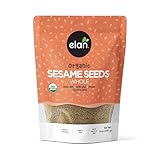
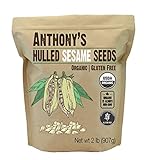
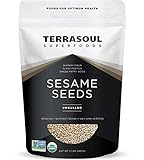
We will cover the best organic sesame seeds later in this article. Meanwhile, feel free to check out these related products on Amazon:


As an Amazon Associate I earn from qualifying purchases.
Prices and availability are accurate as of November 17, 2026 13:04 and are subject to change.
Introduction to Organic Sesame Seeds
Organic sesame seeds are a type of sesame seed that is grown without the use of synthetic fertilizers, pesticides, or genetically modified organisms. These seeds are derived from the sesame plant, which is a flowering plant that produces small, nutty seeds. Organic sesame seeds are a popular ingredient in many cuisines, particularly in Asian and Middle Eastern cooking.
The process of growing organic sesame seeds involves careful attention to soil quality, irrigation, and pest management. Farmers who grow organic sesame seeds use natural methods to control pests and diseases, such as introducing beneficial insects or using natural pest control products. This approach not only ensures the quality and safety of the seeds but also helps to maintain the health of the soil and the environment.
Organic sesame seeds have a number of nutritional benefits, including being high in protein, fiber, and healthy fats. They are also a rich source of antioxidants and contain a number of essential minerals, such as calcium and iron. In addition to their nutritional value, organic sesame seeds have a distinctive nutty flavor and crunchy texture, making them a popular ingredient in a wide range of dishes, from salads and stir-fries to baked goods and snacks.
When searching for the best organic sesame seeds, it is essential to look for products that have been certified by a reputable third-party organization, such as the USDA National Organic Program. This certification ensures that the seeds have been grown and processed in accordance with strict organic standards, and that they are free from synthetic additives and other unwanted substances. By choosing the best organic sesame seeds, consumers can enjoy the nutritional and culinary benefits of these versatile seeds while also supporting sustainable and environmentally-friendly farming practices.
5 Best Organic Sesame Seeds
1. Best Organic Sesame Seeds by Terrasoul
Terrasoul’s organic sesame seeds are a top choice among health enthusiasts and chefs alike. These seeds are sourced from organic farms and are free of any pesticides, heavy metals, or other harmful chemicals. They have a rich nutty flavor and a crunchy texture that makes them perfect for adding to salads, stir-fries, and baked goods. The seeds are also rich in nutrients, including protein, fiber, and healthy fats, making them a great addition to a healthy diet.
The quality of Terrasoul’s organic sesame seeds is evident in their appearance and taste. The seeds are a beautiful creamy white color and have a delicate sheen to them. They are also carefully packaged to preserve their freshness and nutritional value. Whether you’re using them as a topping for salads or as an ingredient in your favorite recipes, Terrasoul’s organic sesame seeds are sure to impress. With their high quality and rich nutritional profile, it’s no wonder they’re a top choice among organic sesame seed enthusiasts.
2. Organic Sesame Seeds by Viva Naturals
Viva Naturals’ organic sesame seeds are another popular choice among health-conscious consumers. These seeds are certified organic by the USDA and are sourced from sustainable farms that use eco-friendly practices. They have a mild nutty flavor and a soft texture that makes them easy to incorporate into a variety of dishes. The seeds are also rich in antioxidants and have been shown to have numerous health benefits, including reducing inflammation and improving heart health.
One of the things that sets Viva Naturals’ organic sesame seeds apart from other brands is their commitment to sustainability. The company uses environmentally friendly packaging and sources their seeds from farms that use regenerative practices. This not only ensures the quality of the seeds but also helps to reduce the company’s carbon footprint. Whether you’re looking for a healthy addition to your diet or a sustainable ingredient for your recipes, Viva Naturals’ organic sesame seeds are a great choice. With their high quality and eco-friendly practices, they’re a great option for anyone looking for organic sesame seeds.
3. Organic Black Sesame Seeds by Anthony’s
Anthony’s organic black sesame seeds are a unique and flavorful addition to any dish. These seeds have a strong nutty flavor and a delicate crunch that makes them perfect for adding to salads, stir-fries, and baked goods. They are also rich in nutrients, including protein, fiber, and healthy fats, making them a great addition to a healthy diet. The seeds are certified organic by the USDA and are sourced from sustainable farms that use eco-friendly practices.
One of the things that sets Anthony’s organic black sesame seeds apart from other brands is their distinctive flavor and texture. The seeds have a beautiful dark color and a delicate sheen to them, and they are carefully packaged to preserve their freshness and nutritional value. Whether you’re using them as a topping for salads or as an ingredient in your favorite recipes, Anthony’s organic black sesame seeds are sure to impress. With their high quality and rich nutritional profile, they’re a great choice for anyone looking for organic sesame seeds with a unique flavor and texture.
4. Organic Sesame Seeds by Bob’s Red Mill
Bob’s Red Mill’s organic sesame seeds are a popular choice among bakers and chefs. These seeds are certified organic by the USDA and are sourced from sustainable farms that use eco-friendly practices. They have a mild nutty flavor and a soft texture that makes them easy to incorporate into a variety of dishes. The seeds are also rich in nutrients, including protein, fiber, and healthy fats, making them a great addition to a healthy diet.
One of the things that sets Bob’s Red Mill’s organic sesame seeds apart from other brands is their high quality and consistency. The company has a reputation for producing high-quality products, and their organic sesame seeds are no exception. The seeds are carefully packaged to preserve their freshness and nutritional value, and they are available in a variety of sizes to suit different needs. Whether you’re looking for a healthy addition to your diet or a reliable ingredient for your recipes, Bob’s Red Mill’s organic sesame seeds are a great choice. With their high quality and rich nutritional profile, they’re a great option for anyone looking for organic sesame seeds.
5. Organic Sesame Seeds by Nutiva
Nutiva’s organic sesame seeds are a great choice for anyone looking for a healthy and sustainable ingredient. These seeds are certified organic by the USDA and are sourced from sustainable farms that use regenerative practices. They have a rich nutty flavor and a crunchy texture that makes them perfect for adding to salads, stir-fries, and baked goods. The seeds are also rich in nutrients, including protein, fiber, and healthy fats, making them a great addition to a healthy diet.
One of the things that sets Nutiva’s organic sesame seeds apart from other brands is their commitment to sustainability and social responsibility. The company uses environmentally friendly packaging and sources their seeds from farms that use eco-friendly practices. This not only ensures the quality of the seeds but also helps to reduce the company’s carbon footprint. Whether you’re looking for a healthy addition to your diet or a sustainable ingredient for your recipes, Nutiva’s organic sesame seeds are a great choice. With their high quality and eco-friendly practices, they’re a great option for anyone looking for organic sesame seeds.
Why People Need to Buy Organic Sesame Seeds
Sesame seeds are a nutritious and versatile ingredient used in various cuisines around the world. They are rich in healthy fats, protein, and fiber, making them a great addition to a balanced diet. However, not all sesame seeds are created equal, and the way they are grown and processed can significantly impact their nutritional value and safety. Conventional sesame seeds may be treated with pesticides, herbicides, and other chemicals that can leave residues on the seeds, potentially harming human health.
Organic sesame seeds, on the other hand, are grown without the use of synthetic chemicals, making them a safer choice for consumers. Organic farming practices prioritize soil health, biodiversity, and ecosystem balance, resulting in a more sustainable and environmentally friendly product. When sesame seeds are grown organically, they are less likely to contain contaminants and are more likely to retain their natural nutritional properties. This makes organic sesame seeds a better option for those looking to incorporate this nutritious ingredient into their diet.
In addition to the health benefits, buying organic sesame seeds also supports sustainable agriculture and promotes fair labor practices. Organic farmers are often small-scale producers who prioritize quality over quantity, ensuring that their products meet high standards. By choosing organic sesame seeds, consumers are voting with their dollars for a more equitable and environmentally conscious food system. Furthermore, organic sesame seeds are often processed with care, preserving their delicate flavor and texture, making them a great choice for cooking and baking.
For those looking to make the switch to organic sesame seeds, it’s essential to find a reputable source that offers the best organic sesame seeds. By doing so, consumers can trust that they are getting a high-quality product that aligns with their values and priorities. Whether used in baking, cooking, or as a nutritional supplement, organic sesame seeds are a great addition to a healthy and sustainable lifestyle. With their rich nutritional profile and numerous health benefits, it’s no wonder why organic sesame seeds are becoming increasingly popular among health-conscious consumers.
Health Benefits of Organic Sesame Seeds
Organic sesame seeds are a nutrient-rich food that provides numerous health benefits when consumed. They are an excellent source of fiber, vitamins, and minerals, including calcium, iron, and potassium. The high fiber content in organic sesame seeds can help promote digestive health and prevent constipation. Additionally, the antioxidants present in these seeds can help protect against cell damage and reduce the risk of chronic diseases such as heart disease and cancer.
The nutrients present in organic sesame seeds can also help lower cholesterol levels and improve blood sugar control. The seeds contain a compound called sesamin, which has been shown to have anti-inflammatory properties and can help reduce inflammation in the body. Furthermore, organic sesame seeds are rich in healthy fats, including monounsaturated and polyunsaturated fats, which can help reduce the risk of heart disease.
Organic sesame seeds can also be beneficial for bone health due to their high calcium content. Calcium is essential for building and maintaining strong bones, and a deficiency in this mineral can increase the risk of osteoporosis and fractures. The seeds can be added to a variety of dishes, including salads, stir-fries, and baked goods, making it easy to incorporate them into a healthy diet.
In addition to their nutritional benefits, organic sesame seeds have been used in traditional medicine for centuries to treat a variety of health conditions. They are believed to have anti-aging properties and can help improve skin and hair health. Overall, organic sesame seeds are a nutritious and versatile food that can provide numerous health benefits when consumed as part of a balanced diet.
Culinary Uses of Organic Sesame Seeds
Organic sesame seeds are a versatile ingredient that can be used in a variety of dishes, from baked goods and desserts to savory meals and snacks. They have a nutty flavor and can be used to add texture and depth to a range of recipes. One of the most popular uses for organic sesame seeds is in baking, where they can be used to make delicious bread, cookies, and cakes.
Organic sesame seeds can also be used to make a variety of savory dishes, including stir-fries, curries, and salads. They can be added to vegetables, meats, and legumes to add flavor and nutrition. Additionally, the seeds can be used to make a variety of snacks, including energy balls and trail mix. They can also be sprinkled on top of soups, salads, and other dishes as a garnish.
In many Asian cultures, organic sesame seeds are used to make a variety of traditional dishes, including sushi and stir-fries. They are often combined with other ingredients, such as soy sauce and ginger, to create delicious and flavorful sauces. The seeds can also be used to make a variety of dips and spreads, including hummus and tahini.
Overall, organic sesame seeds are a versatile ingredient that can be used in a wide range of recipes. They are a great addition to any kitchen and can be used to add nutrition, flavor, and texture to a variety of dishes. Whether you are a seasoned chef or a beginner cook, organic sesame seeds are a great ingredient to have on hand.
How to Store Organic Sesame Seeds
Proper storage is essential to maintain the quality and freshness of organic sesame seeds. The seeds are sensitive to light, heat, and moisture, which can cause them to become rancid or lose their nutritional value. To store organic sesame seeds, it is best to keep them in an airtight container in a cool, dark place. A glass jar with a tight-fitting lid is ideal, as it can help to keep out light and moisture.
Organic sesame seeds can also be stored in the refrigerator or freezer to help extend their shelf life. The refrigerator can help to keep the seeds fresh for up to 6 months, while the freezer can help to keep them fresh for up to 1 year. When storing the seeds in the freezer, it is best to place them in an airtight container or freezer bag to prevent them from becoming exposed to moisture.
It is also important to keep organic sesame seeds away from strong-smelling foods, as they can absorb odors easily. This can help to prevent the seeds from becoming contaminated with off-flavors and aromas. Additionally, it is best to store the seeds in a dry place, as moisture can cause them to become rancid or develop off-flavors.
Overall, proper storage is essential to maintain the quality and freshness of organic sesame seeds. By storing the seeds in an airtight container in a cool, dark place, you can help to keep them fresh for a longer period and ensure that they retain their nutritional value and flavor.
Certifications and Labels to Look for When Buying Organic Sesame Seeds
When buying organic sesame seeds, it is essential to look for certain certifications and labels to ensure that you are getting a high-quality product. One of the most important certifications to look for is the USDA Organic label, which indicates that the seeds have been grown and processed in accordance with organic standards. This label ensures that the seeds have been grown without the use of synthetic pesticides, herbicides, or fertilizers.
Another certification to look for is the Non-GMO label, which indicates that the seeds have not been genetically modified. This is important for those who are concerned about the environmental and health impacts of genetically modified organisms (GMOs). Additionally, some organic sesame seeds may carry the Fair Trade label, which indicates that the seeds have been grown and traded in a way that is fair and equitable for farmers and workers.
It is also important to look for labels that indicate the seeds have been tested for purity and quality. Some manufacturers may carry out third-party testing to ensure that their seeds meet certain standards for purity and quality. Additionally, some labels may indicate that the seeds have been grown in a specific region or country, which can be important for those who are concerned about the origin of their food.
Overall, looking for certain certifications and labels can help ensure that you are getting high-quality organic sesame seeds that meet your standards for purity, quality, and sustainability. By choosing seeds that carry these labels, you can help to support organic farming practices and ensure that you are getting a nutritious and delicious product.
Buying Guide for Organic Sesame Seeds
When it comes to purchasing organic sesame seeds, there are several factors to consider to ensure that you get high-quality products. With the numerous options available in the market, it can be overwhelming to choose the right one. However, by considering a few key factors, you can make an informed decision and get the best value for your money. In this guide, we will discuss the key factors to consider when buying organic sesame seeds, helping you to make a more informed decision.
Quality of the Seeds
The quality of the seeds is one of the most important factors to consider when buying organic sesame seeds. High-quality seeds are fresh, clean, and free of contaminants. They should have a good germination rate and be free of any signs of mold or insect damage. To ensure that you get high-quality seeds, look for products that have been certified by reputable organizations such as the USDA or the European Union. These organizations have strict standards for organic products, and their certification ensures that the seeds meet certain quality standards.
The quality of the seeds can also be determined by the appearance and smell. High-quality seeds should have a pleasant nutty smell and a uniform color. They should not have any visible signs of damage or contamination. You can also check the packaging for any signs of tampering or damage. If the packaging is damaged or tampered with, it may be a sign that the seeds are not of high quality. By considering the quality of the seeds, you can ensure that you get a product that is safe to consume and meets your expectations.
Source of the Seeds
The source of the seeds is another important factor to consider when buying organic sesame seeds. The source of the seeds can affect the quality and nutritional content of the seeds. Look for products that are sourced from reputable suppliers who follow sustainable and organic farming practices. These suppliers should be transparent about their farming practices and should provide information about the source of the seeds. You can also check if the supplier has any certifications such as Fairtrade or Organic India, which ensure that the seeds are sourced from small-scale farmers who follow organic farming practices.
The source of the seeds can also affect the environmental impact of the product. Look for products that are sourced from local suppliers to reduce the carbon footprint of the product. You can also check if the supplier has any initiatives to reduce waste and promote sustainability. By considering the source of the seeds, you can ensure that you get a product that is not only of high quality but also environmentally friendly. This is especially important when looking for the best organic sesame seeds, as the source can greatly impact the overall quality and nutritional content.
Price
The price of the seeds is another important factor to consider when buying organic sesame seeds. The price of the seeds can vary depending on the quality, source, and quantity of the seeds. Look for products that offer good value for money, taking into account the quality and quantity of the seeds. You can compare prices from different suppliers to find the best deal. However, be wary of products that are significantly cheaper than others, as they may be of lower quality.
The price of the seeds can also be affected by the certification and packaging. Products that are certified by reputable organizations such as the USDA or the European Union may be more expensive than those that are not certified. Similarly, products that are packaged in eco-friendly packaging may be more expensive than those that are packaged in conventional packaging. By considering the price of the seeds, you can ensure that you get a product that meets your budget and expectations. It’s also important to note that cheaper options may not always be the best value, as they may lack the quality and nutritional content of more expensive options.
Certifications and Labels
The certifications and labels on the product are another important factor to consider when buying organic sesame seeds. Look for products that have been certified by reputable organizations such as the USDA or the European Union. These organizations have strict standards for organic products, and their certification ensures that the seeds meet certain quality standards. You can also look for labels such as “Non-GMO” or “Gluten-Free” if you have specific dietary requirements.
The certifications and labels can also provide information about the farming practices and environmental impact of the product. Look for products that have been certified by organizations such as Fairtrade or Organic India, which ensure that the seeds are sourced from small-scale farmers who follow organic farming practices. You can also check if the product has any labels such as “Carbon Neutral” or “Sustainably Sourced”, which provide information about the environmental impact of the product. By considering the certifications and labels, you can ensure that you get a product that meets your values and expectations.
Storage and Packaging
The storage and packaging of the seeds are another important factor to consider when buying organic sesame seeds. Look for products that are stored in a cool, dry place to preserve the quality and nutritional content of the seeds. The packaging should be airtight and moisture-proof to prevent contamination and spoilage. You can also check if the packaging is eco-friendly and recyclable, which can reduce the environmental impact of the product.
The storage and packaging can also affect the shelf life of the seeds. Look for products that have a long shelf life and can be stored for several months without losing their quality and nutritional content. You can also check if the product has any instructions for storage and handling, which can help to preserve the quality of the seeds. By considering the storage and packaging, you can ensure that you get a product that is fresh and of high quality. It’s also important to note that proper storage and packaging can help to prevent contamination and spoilage, which can affect the quality and safety of the seeds.
Nutritional Content
The nutritional content of the seeds is another important factor to consider when buying organic sesame seeds. Sesame seeds are a rich source of nutrients such as protein, fiber, and healthy fats. Look for products that have a high nutritional content and are rich in these nutrients. You can check the nutrition label to see the amount of protein, fiber, and healthy fats in the product. You can also check if the product has any added ingredients or preservatives, which can affect the nutritional content of the seeds.
The nutritional content can also be affected by the processing and handling of the seeds. Look for products that are minimally processed and handled to preserve the nutritional content of the seeds. You can also check if the product has any certifications such as “Raw” or “Sprouted”, which ensure that the seeds are minimally processed and handled. By considering the nutritional content, you can ensure that you get a product that is not only delicious but also nutritious and healthy. It’s also important to note that sesame seeds can be a great addition to a healthy diet, providing a rich source of nutrients and antioxidants.
Frequently Asked Questions
What are the benefits of using organic sesame seeds?
Organic sesame seeds are a nutrient-rich food that provides several health benefits when consumed. They are a good source of protein, fiber, and healthy fats, making them an excellent addition to a balanced diet. Organic sesame seeds are also rich in antioxidants, which help protect the body against free radicals and oxidative stress. Additionally, they contain a variety of essential minerals, including calcium, magnesium, and potassium, which are important for maintaining strong bones, healthy blood pressure, and proper muscle function.
The use of organic sesame seeds also supports sustainable agriculture and environmentally friendly farming practices. Organic farming methods avoid the use of synthetic pesticides, herbicides, and fertilizers, which can pollute the soil, air, and water. By choosing organic sesame seeds, consumers can help promote a healthier environment and support farmers who prioritize soil health, biodiversity, and ecosystem balance. Overall, incorporating organic sesame seeds into your diet can have a positive impact on both your health and the environment.
How do I store organic sesame seeds to maintain their freshness?
To maintain the freshness and nutritional value of organic sesame seeds, it is essential to store them properly. The seeds should be kept in an airtight container, such as a glass jar or a plastic bag with a tight seal. This will help protect the seeds from moisture, air, and light, which can cause them to become rancid or lose their flavor and aroma. It is also recommended to store the seeds in a cool, dry place, such as a pantry or cupboard, away from direct sunlight and heat sources.
In addition to using airtight containers and storing the seeds in a cool, dry place, it is also important to keep the seeds away from strong-smelling foods, as they can absorb odors easily. Organic sesame seeds can be stored for up to 6 months at room temperature, but they can be kept for longer periods if refrigerated or frozen. Refrigerating or freezing the seeds will help slow down the oxidation process and preserve their nutritional value and flavor. By following these storage tips, you can help maintain the freshness and quality of your organic sesame seeds.
Can I use organic sesame seeds in baking and cooking?
Yes, organic sesame seeds can be used in a variety of baking and cooking applications. They add a nutty flavor and crunchy texture to bread, cookies, and other baked goods. Organic sesame seeds can also be used as a topping for salads, yogurt, and oatmeal, or as an ingredient in homemade granola and energy bars. In addition, they can be used to make tahini, a creamy paste made from ground sesame seeds, which is a popular ingredient in Middle Eastern cuisine.
Organic sesame seeds can be used in both sweet and savory dishes, and they pair well with a variety of ingredients, including honey, garlic, and soy sauce. They can be added to stir-fries, curries, and other Asian-inspired dishes, or used as a topping for sushi and other Japanese dishes. When using organic sesame seeds in baking and cooking, it is essential to toast them lightly to bring out their flavor and aroma. Toasting the seeds can be done by heating them in a dry pan or oven for a few minutes, or by baking them in the oven at a low temperature.
Are organic sesame seeds suitable for people with allergies and intolerances?
Organic sesame seeds are a common allergen, and people with sesame allergies should avoid consuming them. Sesame allergy is a type of food allergy that can cause a range of symptoms, from mild hives and itching to life-threatening anaphylaxis. If you have a sesame allergy, it is essential to read food labels carefully and avoid products that contain sesame seeds or sesame oil.
In addition to sesame allergies, some people may experience intolerances or sensitivities to sesame seeds. Sesame seeds contain a type of fiber that can be difficult for some people to digest, which can cause symptoms such as bloating, gas, and abdominal pain. If you experience any adverse reactions after consuming organic sesame seeds, it is recommended to consult with a healthcare professional or registered dietitian for personalized advice. They can help you determine whether you have a sesame allergy or intolerance and provide guidance on how to manage your symptoms.
How do I choose the best organic sesame seeds for my needs?
When choosing the best organic sesame seeds for your needs, there are several factors to consider. First, look for seeds that are certified organic by a reputable third-party organization, such as the USDA or EU. This ensures that the seeds were grown without the use of synthetic pesticides, herbicides, and fertilizers. Next, consider the color and texture of the seeds, as well as their aroma and flavor. High-quality organic sesame seeds should have a nutty flavor and aroma, and a crunchy texture.
In addition to considering the quality and certification of the seeds, it is also essential to think about your personal preferences and needs. If you plan to use the seeds for baking and cooking, you may prefer a specific type of sesame seed, such as white or black sesame seeds. You should also consider the price and value of the seeds, as well as the reputation of the manufacturer or supplier. By taking the time to research and compare different options, you can find the best organic sesame seeds for your needs and enjoy their nutritional and culinary benefits.
Can I grow my own organic sesame seeds at home?
Yes, it is possible to grow your own organic sesame seeds at home, provided you have the right climate and growing conditions. Sesame plants prefer well-drained soil and full sun, and they thrive in warm temperatures between 65°F and 95°F. To grow organic sesame seeds, you will need to obtain sesame seeds that are specifically labeled as “suitable for planting” or “organic sesame seeds for gardening.” You can then sow the seeds in your garden or in containers, following the instructions on the seed package.
Growing your own organic sesame seeds can be a fun and rewarding experience, but it does require some effort and patience. Sesame plants can be susceptible to pests and diseases, so it is essential to use organic gardening methods to control these problems. You will also need to provide support for the plants as they grow, using stakes or a trellis to keep them upright. With proper care and attention, you can harvest your own organic sesame seeds and enjoy the satisfaction of growing your own food. However, keep in mind that growing sesame seeds can be a time-consuming process, and it may be more convenient to purchase them from a reputable supplier.
Are organic sesame seeds more expensive than conventional sesame seeds?
Yes, organic sesame seeds are generally more expensive than conventional sesame seeds. This is because organic farming methods are often more labor-intensive and costly than conventional farming methods. Organic farmers must use natural methods to control pests and diseases, and they must also use more expensive organic fertilizers and soil amendments. Additionally, organic sesame seeds are often grown in smaller quantities and may be harvested by hand, which can increase their cost.
Despite their higher cost, many people find that organic sesame seeds are worth the extra expense. Organic sesame seeds are grown without the use of synthetic pesticides, herbicides, and fertilizers, which can make them a healthier choice for people who are concerned about the environmental and health impacts of conventional agriculture. Additionally, organic sesame seeds may have a more robust flavor and aroma than conventional sesame seeds, which can make them a better choice for baking and cooking. By choosing organic sesame seeds, you can support sustainable agriculture and enjoy the nutritional and culinary benefits of these nutritious seeds.
The Bottom Line
In conclusion, selecting the right type of sesame seeds can greatly impact the quality and nutritional value of various dishes. With the numerous options available in the market, it is essential to consider factors such as taste, texture, and nutritional content when making a purchase. By choosing high-quality sesame seeds, individuals can enhance the flavor and nutritional profile of their meals, ultimately leading to a healthier and more satisfying dining experience.
When it comes to making an informed decision, opting for the best organic sesame seeds is a great way to ensure that you are getting a premium product that is free from harmful chemicals and pesticides. By investing in the best organic sesame seeds, individuals can enjoy the numerous health benefits associated with sesame seeds, including improved heart health and reduced inflammation. With the information provided in this article, individuals can make an informed decision and choose the perfect sesame seeds to suit their needs, ultimately leading to a more enjoyable and nutritious culinary experience.