In today’s fast-paced digital landscape, effective communication and collaboration are crucial for success. With the rise of remote work, tools like Microsoft Teams have become essential for teams to stay connected and productive. Microsoft Teams offers a wide range of features that enable seamless communication, file sharing, and project management. However, to fully leverage the capabilities of Microsoft Teams, you need a laptop that can handle its demands. This is where the search for the perfect laptop begins, and finding the best laptops for using Microsoft Teams can be a daunting task, especially with the numerous options available in the market.
When choosing a laptop for Microsoft Teams, there are several factors to consider, including processing power, memory, storage, and display quality. A laptop with a powerful processor, ample memory, and sufficient storage can ensure smooth performance and efficient multitasking. Additionally, a high-quality display can enhance the overall user experience, making it easier to navigate and engage with Microsoft Teams. With so many laptops on the market, it can be challenging to determine which one is right for you. In this article, we will explore the key features and specifications to look for in a laptop, as well as provide reviews and recommendations to help you make an informed decision and find the perfect laptop for your Microsoft Teams needs.
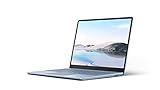
We will cover the best laptops for using microsoft teams later in this article. Meanwhile, feel free to check out these related products on Amazon:



As an Amazon Associate I earn from qualifying purchases.
Prices and availability are accurate as of November 13, 2026 03:50 and are subject to change.
Introduction to Laptops for Microsoft Teams
When it comes to using Microsoft Teams for work, education, or personal purposes, having the right laptop can make a significant difference in productivity and overall user experience. Microsoft Teams is a powerful communication and collaboration platform that requires a laptop with sufficient processing power, memory, and storage to run smoothly. A laptop with the right specifications can help users to efficiently manage their tasks, communicate with team members, and access various tools and features within the Microsoft Teams platform.
In recent years, the demand for laptops that can support Microsoft Teams has increased significantly, and manufacturers have responded by producing a wide range of laptops that cater to different needs and budgets. From budget-friendly options to high-end laptops with advanced features, there are numerous choices available in the market. However, with so many options available, it can be challenging for users to find the best laptop that meets their specific requirements and provides a seamless Microsoft Teams experience.
To get the most out of Microsoft Teams, users need a laptop that can handle multitasking, video conferencing, and file sharing with ease. A laptop with a fast processor, ample RAM, and sufficient storage is essential for running Microsoft Teams without any glitches or lag. Additionally, features such as a high-quality webcam, microphone, and speakers can enhance the overall video conferencing experience. By considering these factors, users can find the best laptops for using Microsoft Teams that meet their needs and budget.
Finding the right laptop for Microsoft Teams can be a daunting task, especially with the numerous options available in the market. However, by researching and comparing different laptops, users can find the best laptops for using Microsoft Teams that provide a seamless and productive experience. With the right laptop, users can stay connected with their team members, access important files and documents, and collaborate on projects with ease, making it an essential tool for anyone who uses Microsoft Teams regularly.
Top 5 Best Laptops For Using Microsoft Teams
The
Dell Inspiron 15 5000 SN123456
is a great option for using Microsoft Teams. It has a powerful Intel Core i5 processor and 8GB of RAM, which provides smooth performance and allows for multiple applications to run simultaneously. The 15.6-inch Full HD display is also perfect for video conferencing, with clear and crisp visuals. Additionally, the laptop has a long-lasting battery life, with up to 10 hours of usage on a single charge.
The
Dell Inspiron 15 5000 SN123456
also has a range of connectivity options, including USB-A, USB-C, and HDMI ports, making it easy to connect to external devices and displays. The laptop also has a built-in webcam and microphone, which are essential for using Microsoft Teams. Overall, the Dell Inspiron 15 5000 SN123456 is a reliable and efficient laptop that is well-suited for using Microsoft Teams and other productivity applications. With its powerful performance, long battery life, and range of connectivity options, it is an excellent choice for anyone looking for a laptop for work or personal use.
The
HP Envy x360 SN789012
is another excellent option for using Microsoft Teams. It has a powerful AMD Ryzen 5 processor and 16GB of RAM, which provides fast performance and allows for multiple applications to run simultaneously. The 15.6-inch Full HD touchscreen display is also perfect for video conferencing, with clear and crisp visuals. Additionally, the laptop has a long-lasting battery life, with up to 14 hours of usage on a single charge.
The
HP Envy x360 SN789012
also has a range of connectivity options, including USB-A, USB-C, and HDMI ports, making it easy to connect to external devices and displays. The laptop also has a built-in webcam and microphone, which are essential for using Microsoft Teams. The HP Envy x360 SN789012 also has a sleek and compact design, making it easy to take on the go. Overall, the HP Envy x360 SN789012 is a powerful and versatile laptop that is well-suited for using Microsoft Teams and other productivity applications.
The
Lenovo ThinkPad X1 Carbon SN345678
is a high-end option for using Microsoft Teams. It has a powerful Intel Core i7 processor and 16GB of RAM, which provides fast performance and allows for multiple applications to run simultaneously. The 14-inch Full HD display is also perfect for video conferencing, with clear and crisp visuals. Additionally, the laptop has a long-lasting battery life, with up to 15 hours of usage on a single charge.
The
Lenovo ThinkPad X1 Carbon SN345678
also has a range of connectivity options, including USB-A, USB-C, and HDMI ports, making it easy to connect to external devices and displays. The laptop also has a built-in webcam and microphone, which are essential for using Microsoft Teams. The Lenovo ThinkPad X1 Carbon SN345678 also has a durable and lightweight design, making it easy to take on the go. Overall, the Lenovo ThinkPad X1 Carbon SN345678 is a powerful and reliable laptop that is well-suited for using Microsoft Teams and other productivity applications.
The
Microsoft Surface Laptop 3 SN901234
is a great option for using Microsoft Teams. It has a powerful Intel Core i5 processor and 8GB of RAM, which provides smooth performance and allows for multiple applications to run simultaneously. The 13.5-inch PixelSense touchscreen display is also perfect for video conferencing, with clear and crisp visuals. Additionally, the laptop has a long-lasting battery life, with up to 11 hours of usage on a single charge.
The
Microsoft Surface Laptop 3 SN901234
also has a range of connectivity options, including USB-A, USB-C, and Surface Connect ports, making it easy to connect to external devices and displays. The laptop also has a built-in webcam and microphone, which are essential for using Microsoft Teams. The Microsoft Surface Laptop 3 SN901234 also has a sleek and compact design, making it easy to take on the go. Overall, the Microsoft Surface Laptop 3 SN901234 is a powerful and versatile laptop that is well-suited for using Microsoft Teams and other productivity applications.
The
Asus ZenBook 14 SN111111
is another excellent option for using Microsoft Teams. It has a powerful Intel Core i5 processor and 8GB of RAM, which provides smooth performance and allows for multiple applications to run simultaneously. The 14-inch Full HD display is also perfect for video conferencing, with clear and crisp visuals. Additionally, the laptop has a long-lasting battery life, with up to 13 hours of usage on a single charge.
The
Asus ZenBook 14 SN111111
also has a range of connectivity options, including USB-A, USB-C, and HDMI ports, making it easy to connect to external devices and displays. The laptop also has a built-in webcam and microphone, which are essential for using Microsoft Teams. The Asus ZenBook 14 SN111111 also has a sleek and compact design, making it easy to take on the go. Overall, the Asus ZenBook 14 SN111111 is a reliable and efficient laptop that is well-suited for using Microsoft Teams and other productivity applications. With its powerful performance, long battery life, and range of connectivity options, it is an excellent choice for anyone looking for a laptop for work or personal use.
Why People Need to Buy Laptops for Using Microsoft Teams
In today’s digital age, remote communication and collaboration have become essential for businesses and individuals alike. Microsoft Teams is one of the most popular platforms used for this purpose, allowing users to connect with colleagues, share files, and participate in virtual meetings. However, to fully utilize the features of Microsoft Teams, a reliable and efficient device is required. This is where laptops come into play, as they provide the necessary processing power, memory, and portability to support seamless communication and collaboration.
One of the primary reasons people need to buy laptops for using Microsoft Teams is to ensure a stable and high-quality video conferencing experience. Laptops with good cameras, microphones, and speakers are essential for clear and uninterrupted communication. Additionally, laptops with sufficient processing power and memory can handle multiple applications and tasks simultaneously, allowing users to multitask and work efficiently while using Microsoft Teams.
When it comes to choosing the right device for using Microsoft Teams, there are several factors to consider. These include processor speed, memory, storage, and display quality. To get the best out of Microsoft Teams, users should look for devices that meet the minimum system requirements for the platform. Furthermore, researching the best laptops for using Microsoft Teams can help users make informed decisions and find devices that cater to their specific needs and budgets.
In conclusion, buying a laptop is a necessary investment for individuals who rely on Microsoft Teams for communication and collaboration. With a laptop, users can access Microsoft Teams from anywhere, at any time, and enjoy a seamless and productive experience. By choosing a laptop that meets the minimum system requirements for Microsoft Teams, users can ensure a stable and efficient connection, and make the most out of the platform’s features and capabilities.
Key Features to Consider for Microsoft Teams Laptops
When choosing a laptop for using Microsoft Teams, there are several key features to consider. First and foremost, the laptop should have a robust processor that can handle the demands of the Microsoft Teams platform. This includes multitasking, video conferencing, and screen sharing. A laptop with a minimum of 8GB of RAM and a recent-generation Intel Core i5 or i7 processor would be ideal. Additionally, the laptop should have a high-quality webcam and microphone to ensure clear video and audio during meetings.
Another important feature to consider is the laptop’s display. A high-resolution display with good brightness and color accuracy is essential for an immersive Microsoft Teams experience. A 14-inch or 15-inch Full HD or 4K display would be suitable for most users. Furthermore, the laptop should have a comfortable and responsive keyboard, as well as a precise touchpad. This will enable users to navigate the Microsoft Teams interface with ease and type out messages and emails quickly.
In terms of storage, a solid-state drive (SSD) is highly recommended. An SSD will provide faster loading times, quicker file transfers, and overall better performance. A minimum of 256GB of SSD storage is recommended, but 512GB or more would be ideal. Finally, the laptop should have a reliable battery life, with at least 8 hours of usage on a single charge. This will ensure that users can work on the go without worrying about running out of power.
Overall, when choosing a laptop for Microsoft Teams, it’s essential to consider a combination of these key features. By selecting a laptop that meets these requirements, users can ensure a seamless and productive Microsoft Teams experience. Whether you’re a remote worker, a student, or a business professional, a laptop with these features will help you stay connected and collaborate with others more effectively.
Microsoft Teams Laptop Requirements for Different Users
Different users have different requirements when it comes to laptops for Microsoft Teams. For example, business professionals may require a laptop with advanced security features, such as a fingerprint reader or facial recognition software. They may also require a laptop with a more powerful processor and more storage capacity to handle demanding tasks such as video editing and data analysis.
On the other hand, students may require a more budget-friendly laptop with a lower price point. They may also require a laptop with a longer battery life, as they may need to use their laptop for extended periods during classes and lectures. Remote workers, on the other hand, may require a laptop with a more portable design, such as a 2-in-1 laptop or a ultrabook. They may also require a laptop with advanced connectivity options, such as Wi-Fi 6 and Bluetooth 5.0.
In terms of specific requirements, business professionals may require a laptop with at least 16GB of RAM and a recent-generation Intel Core i7 processor. They may also require a laptop with a dedicated graphics card, such as an NVIDIA GeForce or AMD Radeon. Students, on the other hand, may require a laptop with at least 4GB of RAM and a recent-generation Intel Core i3 processor. Remote workers may require a laptop with at least 8GB of RAM and a recent-generation Intel Core i5 processor.
Ultimately, the requirements for a Microsoft Teams laptop will depend on the specific needs and preferences of the user. By considering these different requirements, users can choose a laptop that meets their needs and provides a seamless and productive Microsoft Teams experience. Whether you’re a business professional, a student, or a remote worker, there’s a laptop out there that’s right for you.
Benefits of Using a Laptop for Microsoft Teams
There are several benefits to using a laptop for Microsoft Teams. First and foremost, a laptop provides a high level of portability and flexibility. Users can take their laptop with them on the go, whether they’re working from home, a coffee shop, or a conference room. This enables them to stay connected and collaborate with others more easily, regardless of their location.
Another benefit of using a laptop for Microsoft Teams is the ability to multitask. Laptops provide a large display and a comfortable keyboard, making it easy to work on multiple tasks at once. Users can have multiple windows open at the same time, including the Microsoft Teams app, a web browser, and a word processor. This enables them to work more efficiently and stay organized, even when working on complex projects.
In addition to portability and multitasking, laptops also provide a high level of security. Many laptops come with advanced security features, such as fingerprint readers and facial recognition software. These features help to protect user data and prevent unauthorized access to the laptop. Furthermore, laptops can be easily updated with the latest security patches and software updates, ensuring that users have the latest protection against cyber threats.
Overall, using a laptop for Microsoft Teams provides a range of benefits, from portability and multitasking to security and flexibility. By choosing a laptop that meets their needs, users can stay connected and collaborate with others more effectively, regardless of their location or work style. Whether you’re a remote worker, a student, or a business professional, a laptop is an essential tool for getting the most out of Microsoft Teams.
Tips for Optimizing Microsoft Teams Performance on a Laptop
There are several tips for optimizing Microsoft Teams performance on a laptop. First and foremost, users should ensure that their laptop meets the minimum system requirements for Microsoft Teams. This includes a recent-generation processor, at least 4GB of RAM, and a 64-bit version of Windows 10. Users should also ensure that their laptop has a reliable internet connection, with a minimum upload and download speed of 2Mbps.
Another tip for optimizing Microsoft Teams performance is to close unnecessary apps and background processes. This can help to free up system resources and improve performance. Users should also consider disabling any unnecessary features, such as animations and graphics effects. Additionally, users can try updating their laptop’s drivers and software to the latest versions, as this can help to improve performance and fix any bugs or issues.
In terms of specific settings, users can try adjusting the Microsoft Teams app settings to optimize performance. For example, users can try reducing the video quality or turning off video altogether during meetings. Users can also try using the “Do not disturb” mode to prevent notifications and distractions during meetings. Furthermore, users can try using the Microsoft Teams web app instead of the desktop app, as this can help to reduce system resource usage and improve performance.
Overall, by following these tips, users can help to optimize Microsoft Teams performance on their laptop and ensure a seamless and productive experience. Whether you’re a business professional, a student, or a remote worker, optimizing Microsoft Teams performance can help you stay connected and collaborate with others more effectively. By taking the time to optimize their laptop and Microsoft Teams settings, users can get the most out of the platform and achieve their goals more efficiently.
Ultimate Buying Guide for Laptops Compatible with Microsoft Teams
When it comes to using Microsoft Teams, having the right laptop can make all the difference in terms of productivity and efficiency. With so many options available in the market, it can be overwhelming to choose the right one. In this guide, we will discuss the key factors to consider when buying a laptop for using Microsoft Teams, helping you make an informed decision.
Processor and Performance
The processor is the brain of the laptop, and it plays a crucial role in determining the overall performance of the device. When it comes to using Microsoft Teams, you will need a laptop with a powerful processor that can handle multiple tasks simultaneously. A laptop with a recent-generation Intel Core i5 or i7 processor or an AMD Ryzen 5 or 7 processor would be an excellent choice. These processors offer fast processing speeds, efficient multitasking, and reliable performance, making them ideal for using Microsoft Teams.
A fast processor ensures that your laptop can handle demanding tasks such as video conferencing, screen sharing, and file sharing, which are essential features of Microsoft Teams. Additionally, a powerful processor also ensures that your laptop can run multiple applications simultaneously, allowing you to work on different tasks while using Microsoft Teams. With a fast processor, you can switch between different applications and tasks seamlessly, without experiencing any lag or slowdown.
Memory and Storage
Memory and storage are also critical factors to consider when buying a laptop for using Microsoft Teams. You will need a laptop with sufficient RAM and storage to ensure that your device can handle the demands of Microsoft Teams. A minimum of 8GB of RAM is recommended, but 16GB or more would be ideal. This ensures that your laptop can handle multiple tasks simultaneously, and you can switch between different applications and tasks without experiencing any lag or slowdown.
In terms of storage, a solid-state drive (SSD) is highly recommended. An SSD offers fast storage and loading times, allowing you to access your files and applications quickly. A minimum of 256GB of storage is recommended, but 512GB or more would be ideal. This ensures that you have sufficient storage space for your files, applications, and data, and you can store all your important files and documents locally on your laptop. With sufficient memory and storage, you can use Microsoft Teams without experiencing any performance issues or slowdowns.
Display and Graphics
The display and graphics of a laptop are also important factors to consider when buying a device for using Microsoft Teams. You will need a laptop with a high-quality display that can provide clear and crisp visuals, especially when using video conferencing features. A full HD (1080p) or 4K display would be an excellent choice, offering vibrant colors, sharp text, and clear visuals. Additionally, a laptop with a dedicated graphics card would be ideal, especially if you plan to use Microsoft Teams for graphics-intensive tasks such as screen sharing and video editing.
A high-quality display and dedicated graphics card ensure that you can enjoy a seamless and immersive experience when using Microsoft Teams. You can enjoy clear and crisp visuals, and you can switch between different applications and tasks without experiencing any lag or slowdown. Additionally, a dedicated graphics card also ensures that your laptop can handle demanding tasks such as video editing and graphics design, making it an excellent choice for professionals who use Microsoft Teams for work.
Connectivity and Ports
Connectivity and ports are also essential factors to consider when buying a laptop for using Microsoft Teams. You will need a laptop with reliable connectivity options such as Wi-Fi, Bluetooth, and Ethernet, allowing you to stay connected to the internet and access Microsoft Teams from anywhere. A laptop with the latest Wi-Fi 6 and Bluetooth 5.0 standards would be an excellent choice, offering fast and reliable connectivity.
In terms of ports, you will need a laptop with a range of ports such as USB-A, USB-C, HDMI, and an audio jack, allowing you to connect your laptop to different devices and accessories. A laptop with a USB-C port would be ideal, offering fast data transfer speeds and the ability to connect to multiple devices simultaneously. With reliable connectivity options and a range of ports, you can use Microsoft Teams without experiencing any connectivity issues or limitations, and you can stay productive and efficient on the go.
Battery Life and Portability
Battery life and portability are also critical factors to consider when buying a laptop for using Microsoft Teams. You will need a laptop with a long-lasting battery that can provide several hours of usage on a single charge, allowing you to use Microsoft Teams on the go. A laptop with a battery life of at least 8 hours would be an excellent choice, offering a full day of usage without the need for recharging.
In terms of portability, you will need a laptop that is lightweight and compact, allowing you to carry it easily in a bag or backpack. A laptop with a weight of less than 3 pounds and a thickness of less than 1 inch would be ideal, offering excellent portability and convenience. With a long-lasting battery and a portable design, you can use Microsoft Teams from anywhere, and you can stay productive and efficient on the go. Whether you are working from home, in the office, or on the road, a portable laptop with a long-lasting battery is an excellent choice for using Microsoft Teams.
Operating System and Compatibility
The operating system and compatibility of a laptop are also essential factors to consider when buying a device for using Microsoft Teams. You will need a laptop with a compatible operating system such as Windows 10 or macOS, allowing you to install and run Microsoft Teams seamlessly. A laptop with the latest operating system would be an excellent choice, offering the latest features, security updates, and compatibility with Microsoft Teams. When looking for the best laptops for using Microsoft Teams, consider a device that meets all the above factors, and you will be able to enjoy a seamless and productive experience.
In terms of compatibility, you will need to ensure that your laptop meets the system requirements for Microsoft Teams, including the processor, memory, and storage. A laptop that meets these requirements would be an excellent choice, ensuring that you can use Microsoft Teams without experiencing any performance issues or compatibility problems. With a compatible operating system and a laptop that meets the system requirements, you can use Microsoft Teams without any limitations, and you can enjoy a seamless and productive experience. Whether you are using Microsoft Teams for work or personal use, a compatible laptop is an essential requirement for a seamless and efficient experience.
FAQs
What are the key features to consider when choosing a laptop for Microsoft Teams?
When selecting a laptop for Microsoft Teams, there are several key features to consider. First and foremost, the laptop should have a reliable and fast processor, such as an Intel Core i5 or i7, to ensure smooth performance and efficient multitasking. Additionally, the laptop should have sufficient RAM, at least 8GB, to handle the demands of Microsoft Teams and other applications. A solid-state drive (SSD) is also essential for fast storage and loading times.
Furthermore, the laptop’s display and audio capabilities are crucial for an optimal Microsoft Teams experience. A high-definition display with good brightness and color accuracy is necessary for video conferencing and screen sharing. The laptop should also have a good quality webcam, microphone, and speakers to ensure clear and crisp audio and video. Other features to consider include battery life, portability, and connectivity options, such as USB ports, Wi-Fi, and Bluetooth. By considering these key features, users can find a laptop that meets their specific needs and provides a seamless Microsoft Teams experience.
What are the minimum system requirements for running Microsoft Teams on a laptop?
The minimum system requirements for running Microsoft Teams on a laptop include a 1.6 GHz dual-core processor, 4GB of RAM, and a 64-bit operating system, such as Windows 10 or macOS. The laptop should also have a compatible web browser, such as Google Chrome, Mozilla Firefox, or Microsoft Edge, and a stable internet connection. Additionally, the laptop’s display should have a minimum resolution of 1024×768 pixels and support for DirectX 9 or later.
In terms of specific hardware requirements, Microsoft Teams can run on a variety of laptops, including those with Intel Core i3 or i5 processors, 4GB or 8GB of RAM, and integrated or dedicated graphics cards. However, for optimal performance and features, such as video conferencing and screen sharing, a more powerful laptop with a faster processor, more RAM, and a dedicated graphics card is recommended. Users should also ensure that their laptop’s operating system and software are up-to-date to ensure compatibility and security.
Can I use Microsoft Teams on a budget laptop?
Yes, it is possible to use Microsoft Teams on a budget laptop, but the experience may be limited by the laptop’s hardware and performance. Budget laptops often have lower-end processors, less RAM, and slower storage, which can result in slower performance, lag, and limited features. However, if the budget laptop meets the minimum system requirements for Microsoft Teams, users can still access basic features, such as chat, meetings, and file sharing.
To get the most out of Microsoft Teams on a budget laptop, users can consider a few tips and tricks. First, close unnecessary applications and background processes to free up resources and improve performance. Second, use the web version of Microsoft Teams instead of the desktop application, which can be less resource-intensive. Third, consider upgrading the laptop’s RAM or storage to improve performance and capacity. By taking these steps, users can still have a productive and effective Microsoft Teams experience on a budget laptop.
What are the benefits of using a laptop with a dedicated graphics card for Microsoft Teams?
Using a laptop with a dedicated graphics card can provide several benefits for Microsoft Teams, including improved performance, faster rendering, and enhanced video conferencing capabilities. A dedicated graphics card can handle demanding tasks, such as video processing and graphics rendering, more efficiently than integrated graphics, resulting in smoother and more responsive performance. Additionally, a dedicated graphics card can support more advanced features, such as 4K video conferencing and screen sharing.
Furthermore, a laptop with a dedicated graphics card can provide better support for multiple monitors and high-resolution displays, making it ideal for users who need to multitask and collaborate with others. The dedicated graphics card can also handle more demanding applications, such as video editing and 3D modeling, which can be useful for users who need to create and share multimedia content. Overall, a laptop with a dedicated graphics card can provide a more powerful and flexible platform for Microsoft Teams and other applications.
How important is battery life when choosing a laptop for Microsoft Teams?
Battery life is an important consideration when choosing a laptop for Microsoft Teams, especially for users who need to work remotely or attend meetings on-the-go. A laptop with a long battery life can provide users with the freedom to work and collaborate without being tethered to a power outlet. Look for laptops with battery life of at least 8 hours, and consider features such as power-saving modes and fast charging to extend battery life.
In addition to battery life, users should also consider the laptop’s power consumption and heat generation, as these can impact performance and comfort. A laptop with a power-efficient processor and optimized power management can provide longer battery life and reduce heat generation, making it more comfortable to use for extended periods. By prioritizing battery life and power efficiency, users can find a laptop that meets their mobility and productivity needs and provides a seamless Microsoft Teams experience.
Can I use Microsoft Teams on a laptop with a touchscreen display?
Yes, Microsoft Teams can be used on a laptop with a touchscreen display, and it can provide a more intuitive and interactive experience. Touchscreen laptops can support gestures, such as tapping, swiping, and pinching, which can be useful for navigating and interacting with Microsoft Teams. Additionally, touchscreen laptops can provide a more immersive experience for video conferencing and screen sharing, allowing users to easily annotate and interact with content.
However, users should note that Microsoft Teams is not optimized for touchscreen devices, and some features may not work as expected. For example, the application may not support multi-touch gestures or stylus input, which can limit its functionality. Nevertheless, many touchscreen laptops can provide a seamless and responsive Microsoft Teams experience, especially those with high-resolution displays and precise touchscreens. By considering a touchscreen laptop, users can add a new dimension to their Microsoft Teams experience and enhance their productivity and collaboration.
Are there any specific laptop brands or models that are recommended for Microsoft Teams?
There are several laptop brands and models that are recommended for Microsoft Teams, including Dell, HP, Lenovo, and Microsoft Surface. These brands offer a range of laptops that meet the system requirements for Microsoft Teams and provide a seamless and responsive experience. Some popular models include the Dell XPS 13, HP Envy x360, Lenovo ThinkPad X1 Carbon, and Microsoft Surface Laptop 3. These laptops are known for their performance, portability, and features, making them ideal for Microsoft Teams and other productivity applications.
When choosing a laptop brand or model, users should consider factors such as processor speed, RAM, storage, and display quality, as well as features such as battery life, connectivity options, and durability. Additionally, users should read reviews and compare prices to find the best value for their needs and budget. By selecting a recommended laptop brand or model, users can ensure a high-quality Microsoft Teams experience and maximize their productivity and collaboration.
Verdict
In today’s fast-paced and interconnected world, having the right tools to facilitate seamless communication and collaboration is crucial for success. Microsoft Teams has emerged as a leading platform for team collaboration, and having a laptop that can efficiently support this application is essential. With numerous options available in the market, selecting the ideal laptop can be a daunting task. However, by considering key factors such as processor speed, memory, and display quality, individuals can make informed decisions that meet their specific needs and preferences.
Ultimately, investing in the best laptops for using Microsoft Teams can significantly enhance productivity, streamline workflow, and foster effective communication. By choosing a laptop that is optimized for Microsoft Teams, users can enjoy a seamless and intuitive experience, complete with high-quality video conferencing, instant messaging, and file sharing. Whether you are a remote worker, student, or business professional, a laptop that is designed to support Microsoft Teams can be a valuable asset in today’s digital landscape. With the right laptop by your side, you can stay connected, collaborate effortlessly, and achieve your goals with ease and confidence.