In today’s digital age, having a reliable and fast internet connection at home is no longer a luxury, but a necessity. With the increasing number of devices connected to the internet, a good modem is essential to ensure seamless browsing, streaming, and online gaming. A modem acts as the gateway to the internet, and its quality can significantly impact the overall performance of your home network. Whether you’re a heavy internet user or just need a stable connection for basic browsing, investing in a high-quality modem can make all the difference.
When it comes to choosing the right modem for your home, the options can be overwhelming. With so many models available in the market, it’s challenging to determine which one is the best fit for your needs. That’s why we’ve put together this comprehensive guide to help you find the best modems for home wifi. Our expert team has researched and reviewed the top models, considering factors such as speed, range, compatibility, and price. In this article, we’ll provide you with in-depth reviews and a buying guide to help you make an informed decision and find the perfect modem to enhance your home wifi experience.
We will cover the best modems for home wifi later in this article. Meanwhile, feel free to check out these related products on Amazon:



As an Amazon Associate I earn from qualifying purchases.
Prices and availability are accurate as of November 14, 2026 01:50 and are subject to change.
Introduction to Home Wifi Modems
A modem is an essential device that connects your home network to the internet, allowing you to access a wide range of online services and content. It plays a crucial role in determining the speed and reliability of your internet connection. With so many different types of modems available in the market, it can be challenging to choose the right one for your home wifi needs.
When it comes to setting up a home wifi network, a modem is the first point of contact between your network and the internet service provider. It converts the digital signals from your computer into analog signals that can be transmitted over the internet. This process allows you to access online services, stream videos, and communicate with others through email and social media.
In order to get the most out of your home wifi network, you need to invest in a high-quality modem that can provide fast and reliable internet speeds. The best modems for home wifi are those that offer advanced features such as high-speed data transfer rates, robust security, and easy installation. By choosing a modem that meets your specific needs, you can enjoy a seamless and uninterrupted internet experience.
Whether you are a casual internet user or a heavy gamer, a good modem is essential for a smooth and fast internet experience. By understanding how modems work and what features to look for, you can make an informed decision when it comes to choosing a modem for your home wifi network. With the right modem, you can enjoy fast and reliable internet speeds, and take your online experience to the next level.
Top 5 Best Modems For Home Wifi
The
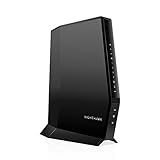
Netgear Nighthawk CM1100-100NAS
is a highly-rated modem that offers exceptional performance and reliability. It supports DOCSIS 3.1 and has 32×8 channel bonding, which provides fast and stable internet speeds. The modem also features a sleek and compact design, making it easy to place in any home or office. Additionally, it is compatible with major cable internet providers, including Comcast Xfinity, Cox, and Spectrum.
The
Netgear Nighthawk CM1100-100NAS
is also easy to set up and manage, thanks to its user-friendly web interface. The modem also features advanced security features, such as denial-of-service (DoS) attack prevention and intrusion detection. Overall, the Netgear Nighthawk CM1100-100NAS is an excellent choice for anyone looking for a high-performance modem that can handle demanding online activities like streaming and online gaming. With its fast speeds, reliable connection, and advanced security features, it is an ideal choice for home wifi networks.
The
Motorola MB8600-100NAS
is a high-performance modem that offers fast and reliable internet speeds. It supports DOCSIS 3.1 and has 32×8 channel bonding, which provides exceptional speeds and stability. The modem also features a compact design and is compatible with major cable internet providers, including Comcast Xfinity, Cox, and Spectrum. Additionally, it has a built-in AC1900 wifi router, which provides excellent wifi coverage and range.
The
Motorola MB8600-100NAS
is also easy to set up and manage, thanks to its user-friendly web interface. The modem also features advanced security features, such as firewall protection and denial-of-service (DoS) attack prevention. Overall, the Motorola MB8600-100NAS is an excellent choice for anyone looking for a high-performance modem that can handle demanding online activities like streaming and online gaming. With its fast speeds, reliable connection, and advanced security features, it is an ideal choice for home wifi networks.
The
Arris Surfboard SB8200-100NAS
is a highly-rated modem that offers exceptional performance and reliability. It supports DOCSIS 3.1 and has 32×8 channel bonding, which provides fast and stable internet speeds. The modem also features a compact design and is compatible with major cable internet providers, including Comcast Xfinity, Cox, and Spectrum. Additionally, it has a built-in Intel Puma 7 processor, which provides excellent processing power and efficiency.
The
Arris Surfboard SB8200-100NAS
is also easy to set up and manage, thanks to its user-friendly web interface. The modem also features advanced security features, such as denial-of-service (DoS) attack prevention and intrusion detection. Overall, the Arris Surfboard SB8200-100NAS is an excellent choice for anyone looking for a high-performance modem that can handle demanding online activities like streaming and online gaming. With its fast speeds, reliable connection, and advanced security features, it is an ideal choice for home wifi networks.
The
Netgear CM1000-100NAS
is a high-performance modem that offers fast and reliable internet speeds. It supports DOCSIS 3.1 and has 32×8 channel bonding, which provides exceptional speeds and stability. The modem also features a compact design and is compatible with major cable internet providers, including Comcast Xfinity, Cox, and Spectrum. Additionally, it has a built-in OFDM 2×2 and OFDMA 4×4 channel bonding, which provides excellent speeds and efficiency.
The
Netgear CM1000-100NAS
is also easy to set up and manage, thanks to its user-friendly web interface. The modem also features advanced security features, such as firewall protection and denial-of-service (DoS) attack prevention. Overall, the Netgear CM1000-100NAS is an excellent choice for anyone looking for a high-performance modem that can handle demanding online activities like streaming and online gaming. With its fast speeds, reliable connection, and advanced security features, it is an ideal choice for home wifi networks.
The
Arris Surfboard SB6190-100NAS
is a highly-rated modem that offers exceptional performance and reliability. It supports DOCSIS 3.0 and has 32×8 channel bonding, which provides fast and stable internet speeds. The modem also features a compact design and is compatible with major cable internet providers, including Comcast Xfinity, Cox, and Spectrum. Additionally, it has a built-in Intel Puma 6 processor, which provides excellent processing power and efficiency.
The
Arris Surfboard SB6190-100NAS
is also easy to set up and manage, thanks to its user-friendly web interface. The modem also features advanced security features, such as denial-of-service (DoS) attack prevention and intrusion detection. Overall, the Arris Surfboard SB6190-100NAS is an excellent choice for anyone looking for a high-performance modem that can handle demanding online activities like streaming and online gaming. With its fast speeds, reliable connection, and advanced security features, it is an ideal choice for home wifi networks.
Why People Need to Buy Modems for Home Wifi
In today’s digital age, having a reliable internet connection at home is essential for various activities such as online learning, remote work, streaming, and socializing. To establish a stable and fast internet connection, a modem is a crucial device that plays a key role in connecting homes to the internet. A modem, short for modulator-demodulator, is a hardware device that converts digital signals from a computer into analog signals that can be transmitted over phone or cable lines.
The primary function of a modem is to establish a connection between the user’s device and the internet service provider’s (ISP) network. When a user subscribes to an internet plan, the ISP typically provides a modem as part of the package. However, these modems may not always be the most efficient or suitable for the user’s specific needs. Moreover, renting a modem from the ISP can be costly in the long run, and users may end up paying more than they would if they purchased their own modem.
Purchasing a modem for home wifi offers several benefits, including cost savings, flexibility, and customization. By buying a modem, users can avoid monthly rental fees and have more control over their internet setup. Additionally, users can choose a modem that best suits their specific needs, such as the number of devices to be connected, internet speed requirements, and budget. When selecting a modem, it is essential to research and compare different models to find the best modems for home wifi that meet the user’s requirements.
In conclusion, having a modem is essential for establishing a reliable and fast internet connection at home. While ISPs often provide modems as part of their packages, purchasing a modem can offer several benefits, including cost savings and customization. By understanding the importance of modems and selecting the right one, users can enjoy a seamless and efficient internet experience, which is crucial for various aspects of modern life. With the right modem, users can stay connected, productive, and entertained, making it an indispensable device for any home.
Types of Modems Available in the Market
The market for modems is flooded with various types of devices, each with its unique features and functionalities. One of the most common types of modems is the cable modem, which uses the same cables that provide television channels to deliver high-speed internet. Another type is the DSL modem, which uses traditional phone lines to provide internet connectivity. There are also fiber-optic modems, which use light to transmit data through fiber-optic cables, providing the fastest internet speeds.
When choosing a modem, it’s essential to consider the type of internet connection available in your area. If you have a cable internet connection, a cable modem would be the best choice. On the other hand, if you have a DSL connection, a DSL modem would be more suitable. Fiber-optic modems are ideal for those who have access to fiber-optic internet connections.
In addition to these types, there are also modem-router combos, which combine the functions of a modem and a router in a single device. These combos are convenient and can save space, but they may not offer the same level of customization as separate modems and routers. It’s crucial to research and compares the different types of modems before making a purchase.
The type of modem you choose will also depend on your budget and internet needs. If you’re a heavy internet user, you may require a more advanced modem with faster speeds and greater connectivity options. On the other hand, if you’re a light internet user, a basic modem may suffice. By considering your options carefully, you can choose the best modem for your home Wi-Fi needs.
Key Features to Consider When Buying a Modem
When buying a modem, there are several key features to consider. One of the most important features is the modem’s speed, which is measured in megabits per second (Mbps) or gigabits per second (Gbps). Faster speeds are essential for streaming, online gaming, and other high-bandwidth activities. Another critical feature is the modem’s compatibility with your internet service provider (ISP).
The number of Ethernet ports is also an essential consideration, as it determines how many devices you can connect to the modem directly. If you have multiple devices that require wired connections, look for a modem with multiple Ethernet ports. Additionally, consider the modem’s Wi-Fi capabilities, including the range and strength of the signal.
The modem’s security features are also crucial, as they protect your network from hackers and other malicious activities. Look for a modem with built-in firewall protection and WPA2 encryption. Furthermore, consider the modem’s ease of use, including the setup process and user interface. A user-friendly modem can make it easier to manage your network and troubleshoot issues.
The modem’s durability and build quality are also important considerations. A well-built modem can withstand the rigors of constant use and last for many years. By considering these key features, you can choose a modem that meets your needs and provides reliable, high-speed internet connectivity.
Benefits of Using a Separate Modem and Router
Using a separate modem and router can offer several benefits over a modem-router combo. One of the primary advantages is greater customization and control over your network. With separate devices, you can choose a router that meets your specific needs, such as a router with advanced features like Quality of Service (QoS) or parental controls.
Another benefit is improved performance, as separate devices can provide faster speeds and greater reliability. This is because the modem and router are not competing for resources, allowing each device to perform its functions more efficiently. Additionally, separate devices can provide greater flexibility, as you can upgrade or replace either device independently without affecting the other.
Using separate devices can also provide better security, as you can choose a router with advanced security features like intrusion detection and antivirus protection. Furthermore, separate devices can provide better support for multiple devices, as you can choose a router that supports a large number of devices and provides reliable connectivity.
However, using separate devices can also have some drawbacks, such as increased complexity and cost. You’ll need to configure and manage two separate devices, which can be more challenging than using a single combo device. Additionally, separate devices can take up more space and require more power, which can increase your energy bills.
Tips for Setting Up and Optimizing Your Modem
Setting up and optimizing your modem can be a straightforward process if you follow a few simple tips. First, make sure you have all the necessary equipment, including the modem, power cord, and Ethernet cables. Next, follow the manufacturer’s instructions for setting up the modem, which usually involves connecting the modem to your computer and following a setup wizard.
Once you’ve set up the modem, optimize its performance by placing it in a central location, away from walls and other obstacles. This can help improve the Wi-Fi signal strength and range. Additionally, update the modem’s firmware regularly to ensure you have the latest features and security patches.
To further optimize your modem’s performance, consider using a Wi-Fi analyzer tool to identify the best channel for your network. This can help reduce interference from neighboring networks and improve your overall internet speeds. You can also use Quality of Service (QoS) settings to prioritize certain types of traffic, such as video streaming or online gaming.
Finally, consider setting up a guest network to provide separate access to visitors and guests. This can help improve security and reduce the risk of unauthorized access to your network. By following these tips, you can set up and optimize your modem for reliable, high-speed internet connectivity and enjoy a better online experience.
Ultimate Buying Guide for Best Home Wifi Modems
When it comes to setting up a reliable and fast home wifi network, a good modem is an essential component. With so many options available in the market, choosing the right one can be a daunting task. In this guide, we will discuss the key factors to consider when buying a modem for your home wifi network, helping you make an informed decision and find the best modems for home wifi that suits your needs.
Speed and Performance
The speed and performance of a modem are crucial factors to consider, as they determine how fast you can upload and download data. A modem with high speeds can support multiple devices connected to the network, making it ideal for large households or homes with heavy internet usage. When looking for a modem, check the download and upload speeds, measured in megabits per second (Mbps) or gigabits per second (Gbps). The faster the speed, the more devices you can connect to the network without experiencing any significant slowdown.
The speed of a modem also depends on the type of internet connection you have. For example, if you have a cable internet connection, you’ll need a modem that supports DOCSIS 3.0 or DOCSIS 3.1, which are the latest standards for cable modems. These standards offer faster speeds and better performance compared to older standards. On the other hand, if you have a fiber-optic internet connection, you’ll need a modem that supports the specific standards used by your internet service provider.
Compatibility
Compatibility is another important factor to consider when buying a modem. You’ll need to ensure that the modem is compatible with your internet service provider (ISP) and the type of internet connection you have. Not all modems are compatible with all ISPs, so it’s essential to check with your ISP before making a purchase. Additionally, you’ll need to consider the compatibility of the modem with your router and other devices connected to the network. A modem that is compatible with your devices will ensure seamless communication and optimal performance.
When checking compatibility, look for modems that support the latest standards and technologies, such as IPv6 and MU-MIMO. These technologies offer better performance and support for multiple devices connected to the network. You should also check the modem’s compatibility with your operating system, whether it’s Windows, macOS, or Linux. Some modems may have specific requirements or limitations when used with certain operating systems, so it’s essential to check the specifications before making a purchase.
Security
Security is a critical factor to consider when buying a modem, as it can affect the safety and integrity of your home wifi network. A modem with robust security features can protect your network from hackers and other malicious threats. Look for modems that support WPA2 encryption, which is the latest standard for wifi security. You should also consider modems with built-in firewalls and intrusion detection systems, which can detect and block suspicious activity on your network.
When evaluating the security features of a modem, check for certifications such as Wi-Fi Protected Setup (WPS) and Wi-Fi Alliance. These certifications ensure that the modem meets certain standards for security and interoperability. You should also consider the modem’s ability to support guest networks, which can help keep your main network secure by isolating visitors from your main network. Additionally, look for modems with regular firmware updates, which can help patch security vulnerabilities and keep your network protected.
Range and Coverage
The range and coverage of a modem can affect the performance of your home wifi network, especially in large homes or homes with multiple floors. A modem with a strong signal can provide better coverage and support more devices connected to the network. Look for modems with high-gain antennas or mesh network technology, which can help extend the range and coverage of your network. You should also consider the modem’s ability to support beamforming, which can help focus the signal on specific devices and improve performance.
When evaluating the range and coverage of a modem, check the specifications for the modem’s wifi standards, such as 802.11ac or 802.11ax. These standards offer better performance and range compared to older standards. You should also consider the modem’s ability to support Quality of Service (QoS), which can help prioritize traffic on your network and ensure that critical applications receive sufficient bandwidth. Additionally, look for modems with features such as wifi analytics, which can help you optimize the performance of your network and identify areas with weak coverage.
Price and Value
The price and value of a modem can vary significantly, depending on the features and performance you need. When buying a modem, consider your budget and the features you need, such as speed, range, and security. A more expensive modem may offer better performance and features, but it may not be necessary for your specific needs. Look for modems that offer a good balance of price and performance, and consider the cost of ownership over time, including any rental fees or maintenance costs.
When evaluating the price and value of a modem, check for discounts or promotions that can help you save money. You should also consider the modem’s warranty and support, which can affect the overall cost of ownership. A modem with a good warranty and support can provide peace of mind and help you troubleshoot any issues that may arise. Additionally, look for modems with features such as energy efficiency, which can help reduce your energy consumption and save you money over time.
Brand and Reputation
The brand and reputation of a modem can affect the quality and performance of the device. Look for reputable brands that have a history of producing high-quality modems, such as Netgear or Linksys. A reputable brand can provide better support and warranty, as well as regular firmware updates to ensure that your modem stays secure and performs well. You should also consider the brand’s reputation for producing modems that are compatible with your ISP and meet your specific needs.
When evaluating the brand and reputation of a modem, check for reviews and ratings from other customers, which can provide valuable insights into the performance and reliability of the modem. You should also consider the brand’s customer support, which can help you troubleshoot any issues that may arise. A brand with good customer support can provide peace of mind and help you get the most out of your modem. Additionally, look for brands that offer a wide range of modems, which can give you more options and flexibility when choosing a device that meets your specific needs.
FAQs
What is the importance of having a good modem for home wifi?
A good modem is essential for a reliable and fast internet connection. It acts as a bridge between your internet service provider (ISP) and your home network, converting the digital signal from your ISP into a format that your devices can understand. A good modem ensures that you get the best possible speeds and a stable connection, which is crucial for online activities such as streaming, gaming, and browsing.
When choosing a modem, consider the speed and technology it supports. Look for modems that support the latest DOCSIS (Data Over Cable Service Interface Specification) technology, such as DOCSIS 3.1, which offers faster speeds and better performance. Additionally, consider the number of Ethernet ports and the modem’s compatibility with your ISP. A good modem can make a significant difference in your internet experience, providing faster speeds, lower latency, and a more reliable connection.
How do I choose the best modem for my home wifi needs?
To choose the best modem for your home wifi needs, consider several factors, including your internet speed plan, the number of devices you have, and the size of your home. If you have a large home or many devices, you may need a modem with more Ethernet ports or one that supports the latest wifi technologies, such as wifi 6. Additionally, consider the modem’s compatibility with your ISP and the type of internet connection you have, such as cable, fiber, or DSL.
When selecting a modem, also consider the cost and any additional features you may need, such as a built-in router or voice support. Some modems may also have additional features, such as quality of service (QoS) settings, which allow you to prioritize certain devices or applications. By considering these factors, you can choose a modem that meets your specific needs and provides the best possible performance for your home wifi network.
What is the difference between a modem and a router?
A modem and a router are two separate devices that work together to provide internet access to your devices. A modem connects to your internet service provider (ISP) and converts the digital signal into a format that your devices can understand. A router, on the other hand, takes the signal from the modem and broadcasts it to your devices, allowing them to connect to the internet. While some devices combine the functions of a modem and router into one device, known as a gateway, it’s generally recommended to use a separate modem and router for better performance and flexibility.
Using a separate modem and router provides several benefits, including better performance, easier troubleshooting, and more flexibility. With a separate modem and router, you can choose the best device for each function, rather than being limited to a single device that may not perform as well. Additionally, if one device fails or needs to be upgraded, you can replace it without affecting the other device. This can save you time and money in the long run, and provide a more reliable and fast internet connection.
Can I use any modem with my internet service provider?
Not all modems are compatible with every internet service provider (ISP). Before choosing a modem, check with your ISP to see if they have any specific requirements or recommendations for modems. Some ISPs may only support certain types of modems, such as DOCSIS 3.0 or 3.1, or may have specific firmware requirements. Additionally, some ISPs may have their own approved list of modems that they recommend or require for their service.
If you choose a modem that is not compatible with your ISP, you may experience poor performance, dropped connections, or even be unable to connect to the internet at all. To avoid this, check your ISP’s website or contact their customer support to see what modems they recommend or require. You can also check the modem’s specifications and reviews to see if it is compatible with your ISP and meets your internet needs. By choosing a compatible modem, you can ensure a reliable and fast internet connection.
How often should I replace my modem?
The frequency at which you should replace your modem depends on several factors, including the age of the modem, its performance, and any changes to your internet service. If you’ve had your modem for several years, it may be time to consider replacing it, especially if you’ve upgraded your internet service to a faster speed. Newer modems often support the latest technologies and provide better performance, so replacing your modem can help you take advantage of faster speeds and improved reliability.
Additionally, if you’re experiencing issues with your internet connection, such as dropped connections or slow speeds, it may be a sign that your modem is failing or outdated. In this case, replacing your modem can help resolve these issues and provide a more reliable connection. It’s generally recommended to replace your modem every 2-3 years, or as needed, to ensure you’re getting the best possible performance from your internet service. By replacing your modem regularly, you can stay up-to-date with the latest technologies and enjoy a fast and reliable internet connection.
What are the benefits of using a DOCSIS 3.1 modem?
Using a DOCSIS 3.1 modem provides several benefits, including faster speeds, better performance, and improved reliability. DOCSIS 3.1 is the latest generation of cable modem technology, and it offers speeds of up to 10 Gbps, which is much faster than earlier versions. With a DOCSIS 3.1 modem, you can take advantage of faster internet speeds, which is ideal for applications such as online gaming, streaming, and browsing.
Additionally, DOCSIS 3.1 modems often have more advanced features, such as improved security, better support for multiple devices, and enhanced quality of service (QoS) settings. These features can help provide a more reliable and fast internet connection, even in busy households with many devices. By using a DOCSIS 3.1 modem, you can future-proof your internet connection and take advantage of the latest technologies, providing a better overall internet experience.
Can I buy a modem or do I have to rent one from my ISP?
You can buy a modem or rent one from your ISP, depending on your preferences and needs. Buying a modem can provide several benefits, including cost savings, better performance, and more flexibility. When you buy a modem, you can choose the best device for your needs, rather than being limited to the modem provided by your ISP. Additionally, buying a modem can save you money in the long run, as you won’t have to pay monthly rental fees.
On the other hand, renting a modem from your ISP can provide convenience and simplicity. When you rent a modem, your ISP will typically provide support and maintenance, which can be helpful if you’re not tech-savvy. However, renting a modem can be more expensive in the long run, and you may be limited to the modem provided by your ISP. By buying a modem, you can take control of your internet connection and choose the best device for your needs, providing a more reliable and fast internet experience.
Final Thoughts
In today’s digital age, having a reliable and fast internet connection is no longer a luxury, but a necessity. With the numerous options available in the market, choosing the right equipment for your home network can be a daunting task. However, by investing in the right modem, you can ensure that your internet experience is seamless and uninterrupted. A good modem can make all the difference in your online activities, from streaming your favorite shows to working from home.
When it comes to setting up your home network, it’s essential to choose from the best modems for home wifi that can provide you with the speed and reliability you need. By considering factors such as compatibility, speed, and price, you can make an informed decision that meets your specific needs. With the right modem, you can enjoy fast and reliable internet connectivity, and take your online experience to the next level. Whether you’re a gamer, a streamer, or just someone who wants to stay connected, a good modem is the foundation of a robust and efficient home network, and with the right choice, you can unlock a world of endless possibilities.