In today’s world of high-definition video production, capturing every detail is crucial for creating engaging and professional content. Whether you’re a filmmaker, vlogger, or live streamer, having the right equipment can make all the difference in the quality of your output. One of the most essential tools for any video producer is a good camera, and when it comes to capturing distant subjects or adding dynamic effects to your footage, a camera with excellent zoom capabilities is a must-have. With so many options available in the market, finding the perfect camera that meets your needs can be overwhelming, which is why we’ve put together this comprehensive guide to help you find the best zoom cameras for video.
From 4K resolution to advanced image stabilization, the latest cameras on the market offer a wide range of features that can enhance your video production. When choosing a camera, there are several factors to consider, including the type of lens, sensor size, and zoom range. Additionally, you’ll want to think about the camera’s ergonomics, battery life, and connectivity options to ensure that it’s easy to use and integrates seamlessly with your existing equipment. With so many factors to consider, it’s easy to get lost in the sea of options, but by understanding what to look for and what features are essential for your specific needs, you’ll be well on your way to creating stunning videos that captivate and inspire your audience.
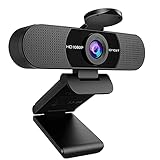
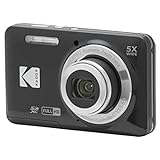
We will cover the best zoom cameras for video later in this article. Meanwhile, feel free to check out these related products on Amazon:


As an Amazon Associate I earn from qualifying purchases.
Prices and availability are accurate as of November 7, 2026 14:36 and are subject to change.
Introduction to Zoom Cameras
Zoom cameras have become an essential tool for capturing high-quality video footage, especially in situations where the subject is at a distance. These cameras offer a range of features that make them ideal for various applications, including filmmaking, live events, and surveillance. With their ability to zoom in and out of a scene, they provide a level of flexibility and creativity that is hard to achieve with other types of cameras.
The technology behind zoom cameras has evolved significantly over the years, with advancements in lens design, image sensors, and processing power. This has resulted in cameras that can produce stunning video footage with excellent resolution, color accuracy, and low light performance. Whether you’re a professional videographer or an enthusiast, there’s a zoom camera out there that can meet your needs and help you achieve your creative vision.
When it comes to choosing the right zoom camera for video production, there are several factors to consider. These include the camera’s sensor size, lens quality, zoom range, and features such as image stabilization and autofocus. By considering these factors, you can find the best zoom cameras for video that suit your specific needs and budget. With so many options available, it’s essential to do your research and read reviews to find the perfect camera for your next project.
In recent years, the market for zoom cameras has become increasingly crowded, with many manufacturers offering a range of models with varying features and price points. This has made it easier than ever to find a zoom camera that meets your needs, whether you’re looking for a budget-friendly option or a high-end model with advanced features. By understanding the key features and technologies behind zoom cameras, you can make an informed decision and find the perfect camera to help you capture stunning video footage.
Top 5 Best Zoom Cameras For Video
The
Panasonic Lumix DC-ZS70K 1
is a powerful zoom camera designed for video recording. It features a 20.3-megapixel sensor, 4K video resolution, and a 24-720mm lens with 30x optical zoom. This camera is perfect for capturing distant subjects, and its image stabilization system helps reduce camera shake and blur. The camera also has a vari-angle touchscreen LCD, making it easy to compose shots from different angles.
The
Panasonic Lumix DC-ZS70K 1
has a compact and lightweight design, making it easy to carry around. It also features built-in Wi-Fi and Bluetooth for easy sharing and transfer of files. The camera’s autofocus system is fast and accurate, and it can shoot up to 10 frames per second in burst mode. Overall, the
Panasonic Lumix DC-ZS70K 1
is an excellent choice for anyone looking for a zoom camera for video recording, offering a great balance of image quality, features, and portability.
The
Sony RX10 IV DSC-RX10M4 2
is a high-end zoom camera that excels in video recording. It features a 20.1-megapixel sensor, 4K video resolution, and a 24-600mm lens with 25x optical zoom. The camera’s fast autofocus system and optical image stabilization make it ideal for capturing fast-moving subjects and reducing camera shake. The camera also has a tilting touchscreen LCD and a built-in electronic viewfinder, making it easy to compose shots in different lighting conditions.
The
Sony RX10 IV DSC-RX10M4 2
has a rugged and weather-sealed design, making it suitable for use in harsh environments. It also features built-in Wi-Fi, NFC, and Bluetooth for easy sharing and transfer of files. The camera’s video features include slow-motion recording, time-lapse, and HDR, making it a great choice for creative videographers. Overall, the
Sony RX10 IV DSC-RX10M4 2
is an excellent choice for anyone looking for a high-quality zoom camera for video recording, offering exceptional image quality and advanced features.
The
Canon PowerShot SX740 HS 3
is a compact and feature-rich zoom camera designed for video recording. It features a 20.2-megapixel sensor, 4K video resolution, and a 24-960mm lens with 40x optical zoom. The camera’s image stabilization system and fast autofocus make it ideal for capturing distant subjects and reducing camera shake. The camera also has a tilting LCD and a built-in Wi-Fi and Bluetooth for easy sharing and transfer of files.
The
Canon PowerShot SX740 HS 3
has a compact and lightweight design, making it easy to carry around. It also features a variety of video modes, including time-lapse, slow-motion, and HDR. The camera’s DIGIC 8 image processor provides fast and accurate image processing, and its battery life is excellent, allowing for a full day of shooting. Overall, the
Canon PowerShot SX740 HS 3
is an excellent choice for anyone looking for a compact and feature-rich zoom camera for video recording, offering a great balance of image quality, features, and portability.
The
Nikon Coolpix P1000 4
is a powerful zoom camera designed for video recording. It features a 16-megapixel sensor, 4K video resolution, and an impressive 24-3000mm lens with 125x optical zoom. The camera’s image stabilization system and fast autofocus make it ideal for capturing distant subjects and reducing camera shake. The camera also has a vari-angle LCD and a built-in electronic viewfinder, making it easy to compose shots in different lighting conditions.
The
Nikon Coolpix P1000 4
has a rugged and weather-sealed design, making it suitable for use in harsh environments. It also features built-in Wi-Fi and Bluetooth for easy sharing and transfer of files. The camera’s video features include slow-motion recording, time-lapse, and HDR, making it a great choice for creative videographers. Overall, the
Nikon Coolpix P1000 4
is an excellent choice for anyone looking for a zoom camera with an extremely long zoom range, offering exceptional image quality and advanced features.
The
Fujifilm X-S10 XF18-55mm 5
is a high-end zoom camera designed for video recording. It features a 26.1-megapixel sensor, 4K video resolution, and a 24-82.5mm lens with 3.5x optical zoom. The camera’s fast autofocus system and optical image stabilization make it ideal for capturing fast-moving subjects and reducing camera shake. The camera also has a vari-angle touchscreen LCD and a built-in electronic viewfinder, making it easy to compose shots in different lighting conditions.
The
Fujifilm X-S10 XF18-55mm 5
has a rugged and weather-sealed design, making it suitable for use in harsh environments. It also features built-in Wi-Fi and Bluetooth for easy sharing and transfer of files. The camera’s video features include slow-motion recording, time-lapse, and HDR, making it a great choice for creative videographers. Overall, the
Fujifilm X-S10 XF18-55mm 5
is an excellent choice for anyone looking for a high-quality zoom camera for video recording, offering exceptional image quality and advanced features, although its zoom range is relatively short compared to other models.
Why People Need to Invest in Zoom Cameras for Video Production
In recent years, the demand for high-quality video content has increased significantly. With the rise of social media, online courses, and virtual events, individuals and businesses alike are looking for ways to create engaging and professional-looking videos. One essential component of video production is a good camera, and zoom cameras have become a popular choice among videographers. These cameras offer the ability to capture high-quality footage from a distance, making them ideal for a wide range of applications.
One of the primary reasons people need to buy zoom cameras for video is to achieve a professional-looking finish. Zoom cameras allow users to capture smooth and stable footage, even when recording from a distance. This is particularly important for applications such as event coverage, documentaries, and live streaming. Additionally, zoom cameras often come with advanced features such as image stabilization, which helps to reduce camera shake and ensure a smooth viewing experience.
When it comes to choosing the right camera for video production, there are many options available on the market. To find the best zoom cameras for video, it’s essential to consider factors such as resolution, frame rate, and optical zoom range. Other important features to look out for include low-light sensitivity, autofocus, and audio quality. By selecting a camera that meets these requirements, users can ensure that their videos look professional and engaging.
In conclusion, investing in a good zoom camera is essential for anyone looking to create high-quality video content. Whether you’re a professional videographer or an amateur enthusiast, a zoom camera can help you achieve a professional-looking finish and capture smooth and stable footage. With so many options available on the market, it’s essential to do your research and choose a camera that meets your specific needs and budget. By doing so, you can take your video production to the next level and create engaging and professional-looking content that resonates with your audience.
Key Features to Consider When Choosing a Zoom Camera for Video
When it comes to choosing a zoom camera for video, there are several key features to consider. One of the most important features is the camera’s zoom range, which is measured in terms of its optical zoom capability. A higher optical zoom range allows for more flexibility when it comes to capturing footage from a distance. Another important feature to consider is the camera’s image stabilization system, which helps to reduce camera shake and blur.
In addition to zoom range and image stabilization, the camera’s sensor size and resolution are also important factors to consider. A larger sensor size and higher resolution can result in better image quality and more detailed footage. The camera’s lens quality is also crucial, as a high-quality lens can help to reduce distortion and improve overall image quality.
The camera’s autofocus system is another key feature to consider, as it can help to ensure that footage is sharp and in focus. A fast and accurate autofocus system can make a big difference in the quality of the footage, especially when it comes to capturing fast-moving subjects. Additionally, the camera’s manual controls and customization options can also be important for advanced users who want to have more control over their footage.
Overall, considering these key features can help to ensure that you choose a zoom camera that meets your needs and provides high-quality footage. By weighing the importance of each feature and considering your specific needs and budget, you can make an informed decision and choose the best zoom camera for your video needs.
Benefits of Using a Zoom Camera for Video Production
Using a zoom camera for video production can have several benefits. One of the main advantages is the ability to capture high-quality footage from a distance, which can be especially useful for filming live events or capturing footage in situations where it’s not possible to get up close to the subject. The zoom camera’s ability to capture detailed footage from a distance can also help to add variety to your shots and create a more dynamic visual style.
Another benefit of using a zoom camera is the ability to create a more cinematic look and feel. By using the camera’s zoom capability to create smooth, slow zooms, you can add a touch of professionalism to your footage and create a more engaging visual style. The zoom camera’s image stabilization system can also help to reduce camera shake and blur, resulting in smoother, more stable footage.
In addition to these benefits, using a zoom camera can also help to improve the overall quality of your footage. By capturing high-quality footage from a distance, you can reduce the need for post-production editing and color correction, which can save time and improve the overall efficiency of your workflow. The zoom camera’s advanced features, such as manual controls and customization options, can also give you more control over your footage and allow you to achieve the desired look and feel.
Overall, using a zoom camera for video production can have several benefits, from capturing high-quality footage from a distance to creating a more cinematic look and feel. By considering these benefits and choosing a zoom camera that meets your needs, you can take your video production to the next level and achieve professional-looking results.
Common Applications of Zoom Cameras in Video Production
Zoom cameras have a wide range of applications in video production, from filming live events and concerts to capturing footage for documentaries and feature films. One of the most common applications of zoom cameras is in live event filming, where the camera’s ability to capture high-quality footage from a distance can be especially useful. The zoom camera’s image stabilization system and fast autofocus can also help to ensure that footage is smooth and stable, even in fast-paced and dynamic environments.
Another common application of zoom cameras is in documentary filmmaking, where the camera’s ability to capture detailed footage from a distance can be used to tell complex and engaging stories. The zoom camera’s advanced features, such as manual controls and customization options, can also give filmmakers more control over their footage and allow them to achieve the desired look and feel. Additionally, the zoom camera’s portability and versatility can make it an ideal choice for filmmakers who need to capture footage in a variety of different locations and environments.
In addition to these applications, zoom cameras are also commonly used in feature film production, where the camera’s ability to capture high-quality footage from a distance can be used to create complex and dynamic visual effects. The zoom camera’s advanced features, such as slow motion and time-lapse, can also be used to create a more cinematic look and feel, and to add variety to the footage. Overall, the versatility and portability of zoom cameras make them an ideal choice for a wide range of video production applications.
The use of zoom cameras in video production is also becoming increasingly popular in the field of social media and online content creation. Many social media influencers and content creators are using zoom cameras to capture high-quality footage for their videos, and to create a more professional and engaging visual style. By considering the benefits and applications of zoom cameras, content creators can take their video production to the next level and achieve professional-looking results.
Tips for Getting the Most Out of Your Zoom Camera
To get the most out of your zoom camera, it’s essential to understand how to use its advanced features and settings. One of the most important tips is to familiarize yourself with the camera’s manual controls and customization options, which can give you more control over your footage and allow you to achieve the desired look and feel. It’s also essential to understand how to use the camera’s image stabilization system and autofocus, which can help to ensure that footage is smooth and stable.
Another tip for getting the most out of your zoom camera is to experiment with different shooting styles and techniques. The camera’s zoom capability can be used to create a range of different visual effects, from slow zooms to fast pans. By experimenting with different shooting styles and techniques, you can add variety to your footage and create a more engaging visual style. Additionally, the camera’s advanced features, such as slow motion and time-lapse, can be used to create a more cinematic look and feel.
In addition to these tips, it’s also essential to consider the camera’s lighting and audio settings, which can have a big impact on the overall quality of the footage. The camera’s built-in microphone can be used to capture high-quality audio, but it’s also possible to use external microphones to improve the audio quality. By considering the camera’s lighting and audio settings, you can ensure that your footage is well-lit and well-recorded, and that it meets your needs and expectations.
Overall, by following these tips and understanding how to use the camera’s advanced features and settings, you can get the most out of your zoom camera and achieve professional-looking results. Whether you’re a seasoned filmmaker or just starting out, the key to success is to experiment, be creative, and have fun with the process of capturing high-quality footage with your zoom camera.
Buying Guide for Zoom Cameras
When it comes to capturing high-quality video, a good camera is essential. With so many options available in the market, it can be overwhelming to choose the right one. In this buying guide, we will discuss the key factors to consider when buying a zoom camera for video production. Whether you are a professional videographer or an enthusiast, this guide will help you make an informed decision.
Image Quality
Image quality is one of the most important factors to consider when buying a zoom camera for video. A good camera should be able to capture sharp and clear images with vibrant colors. The image quality depends on the camera’s sensor size, resolution, and lens quality. A larger sensor size and higher resolution result in better image quality. Additionally, the lens quality also plays a crucial role in determining the image quality. A good lens should be able to focus quickly and accurately, and should have a wide aperture to allow more light in.
The image quality is also affected by the camera’s ability to handle noise and artifacts. A good camera should be able to minimize noise and artifacts, especially in low-light conditions. Some cameras also have features such as image stabilization, which helps to reduce camera shake and blur. When evaluating the image quality of a camera, it’s essential to look at sample footage and read reviews from other users. This will give you a better idea of the camera’s capabilities and limitations.
Zoom Range
The zoom range is another critical factor to consider when buying a zoom camera for video. The zoom range refers to the camera’s ability to zoom in and out of a scene. A camera with a longer zoom range is more versatile and can be used in a variety of situations. However, a longer zoom range can also make the camera more prone to camera shake and blur. Some cameras have a zoom range of up to 20x or 30x, while others have a more limited zoom range of 5x or 10x.
When evaluating the zoom range of a camera, it’s essential to consider the type of video you will be shooting. If you will be shooting a lot of close-up footage, a camera with a shorter zoom range may be sufficient. However, if you will be shooting a lot of wide shots or establishing shots, a camera with a longer zoom range may be more suitable. Additionally, some cameras also have features such as digital zoom, which can extend the zoom range even further. However, digital zoom can also reduce the image quality, so it’s essential to use it sparingly.
Low Light Performance
Low light performance is a critical factor to consider when buying a zoom camera for video. Many video shoots take place in low-light conditions, such as indoors or at night. A good camera should be able to handle low-light conditions well, with minimal noise and artifacts. The low light performance depends on the camera’s sensor size, lens quality, and ISO range. A larger sensor size and wider aperture result in better low-light performance.
When evaluating the low light performance of a camera, it’s essential to look at sample footage and read reviews from other users. This will give you a better idea of the camera’s capabilities and limitations in low-light conditions. Some cameras also have features such as night mode or low-light mode, which can help to improve the low-light performance. Additionally, some cameras also have a wider ISO range, which can also help to improve the low-light performance. However, a wider ISO range can also introduce more noise and artifacts, so it’s essential to use it carefully.
Stabilization
Stabilization is a critical factor to consider when buying a zoom camera for video. Camera shake and blur can be a major problem, especially when shooting handheld or in low-light conditions. A good camera should have some form of stabilization, such as optical image stabilization or electronic image stabilization. Optical image stabilization is generally better than electronic image stabilization, as it uses the lens itself to stabilize the image.
When evaluating the stabilization of a camera, it’s essential to look at sample footage and read reviews from other users. This will give you a better idea of the camera’s ability to reduce camera shake and blur. Some cameras also have features such as active stabilization, which can help to reduce camera shake and blur even further. Additionally, some cameras also have a gimbal or a stabilizer, which can be used to smooth out camera movements and reduce shake and blur. When using a camera with stabilization, it’s essential to follow the manufacturer’s instructions and use the stabilization feature correctly.
Connectivity and Audio
Connectivity and audio are also important factors to consider when buying a zoom camera for video. A good camera should have a variety of connectivity options, such as HDMI, USB, and Wi-Fi. These connectivity options allow you to connect the camera to other devices, such as a monitor or a computer, and transfer footage or stream live video. Additionally, a good camera should also have good audio quality, with features such as a built-in microphone or an audio input.
When evaluating the connectivity and audio of a camera, it’s essential to consider the type of video you will be shooting. If you will be shooting a lot of live events or streaming live video, a camera with good connectivity and audio options may be more suitable. Some cameras also have features such as XLR audio inputs, which can be used to connect professional audio equipment. Additionally, some cameras also have a headphone jack, which can be used to monitor audio in real-time. When using a camera with connectivity and audio options, it’s essential to follow the manufacturer’s instructions and use the features correctly.
Price and Brand
Price and brand are also important factors to consider when buying a zoom camera for video. The price of a camera can vary widely, from a few hundred dollars to several thousand dollars. A good camera should be affordable and offer good value for the price. Additionally, the brand of the camera is also important, as some brands are known for producing high-quality cameras. When evaluating the price and brand of a camera, it’s essential to research the market and compare prices from different retailers. This will give you a better idea of the camera’s value and whether it’s worth the price. If you are looking for the best zoom cameras for video, it’s essential to consider the price and brand, as well as the other factors mentioned in this guide.
When evaluating the price and brand of a camera, it’s also essential to consider the warranty and support offered by the manufacturer. A good camera should have a comprehensive warranty and good customer support, in case you encounter any problems or issues. Some manufacturers also offer additional features, such as a free trial or a money-back guarantee, which can give you peace of mind when buying a camera. Additionally, some manufacturers also have a reputation for producing high-quality cameras, which can be an important factor to consider when making a decision.
FAQ
What is a zoom camera and how does it work?
A zoom camera is a type of camera that allows users to capture images or videos from a distance, using a lens that can be adjusted to zoom in or out. This is achieved through a combination of optical and digital components, which work together to provide a clear and stable image. The optical zoom feature uses a lens that can be physically moved to change the focal length, allowing users to zoom in or out without sacrificing image quality.
In addition to optical zoom, many modern zoom cameras also feature digital zoom, which uses software to crop and enlarge the image. While digital zoom can be useful for getting a closer look at a subject, it can also reduce image quality, making optical zoom a preferred option for many users. Overall, a zoom camera is a versatile and powerful tool that can be used for a wide range of applications, from filmmaking and photography to surveillance and live streaming.
What are the key features to look for in a zoom camera?
When shopping for a zoom camera, there are several key features to look for, including the camera’s sensor size, lens quality, and zoom range. A larger sensor size can provide better image quality, especially in low-light conditions, while a high-quality lens can help to reduce distortion and improve overall image clarity. The zoom range, measured in terms of optical and digital zoom, is also an important consideration, as it will determine how far away a subject can be and still be captured clearly.
In addition to these features, users should also consider the camera’s resolution, frame rate, and connectivity options. A higher resolution, such as 4K, can provide a more detailed and immersive image, while a faster frame rate, such as 60fps, can help to create a smoother and more realistic video. Connectivity options, such as HDMI or Wi-Fi, can also be important for transferring footage or streaming live video. By considering these features, users can find a zoom camera that meets their needs and provides high-quality images and video.
How do I choose the right zoom camera for my needs?
Choosing the right zoom camera for your needs involves considering several factors, including the type of content you plan to create, the environment in which you will be using the camera, and your budget. For example, if you plan to use the camera for filmmaking or photography, you may want to look for a camera with a high-quality lens and a large sensor size. If you plan to use the camera for live streaming or surveillance, you may want to look for a camera with a wide-angle lens and a fast frame rate.
In addition to considering these factors, users should also read reviews and compare different models to find the best zoom camera for their needs. This can involve researching the camera’s features and specifications, as well as watching sample footage and reading reviews from other users. By taking the time to research and compare different models, users can find a zoom camera that meets their needs and provides high-quality images and video. It’s also important to consider the camera’s durability and build quality, as well as any additional features that may be important to you, such as image stabilization or autofocus.
What is the difference between optical and digital zoom?
The main difference between optical and digital zoom is the way in which the camera achieves the zoom effect. Optical zoom uses a lens that can be physically moved to change the focal length, allowing users to zoom in or out without sacrificing image quality. Digital zoom, on the other hand, uses software to crop and enlarge the image, which can reduce image quality, especially if the zoom is extreme.
In general, optical zoom is preferred for its ability to provide a clear and stable image, even at high zoom levels. Digital zoom, while convenient, can be prone to pixelation and other forms of distortion, especially if the camera’s sensor size is small. However, many modern cameras combine both optical and digital zoom, allowing users to achieve a high level of zoom while minimizing the loss of image quality. By understanding the difference between optical and digital zoom, users can choose a camera that meets their needs and provides the best possible image quality.
Can I use a zoom camera for live streaming?
Yes, many zoom cameras are well-suited for live streaming, thanks to their ability to capture high-quality video and audio in real-time. To use a zoom camera for live streaming, users will typically need to connect the camera to a computer or other device using a capture card or other interface. The camera’s video signal can then be transmitted to a live streaming platform, such as YouTube or Facebook, using software such as OBS or XSplit.
In addition to the camera itself, users will also need to consider the quality of their internet connection and the capabilities of their streaming software. A fast and stable internet connection is essential for live streaming, as it will help to ensure that the video signal is transmitted smoothly and without interruption. The streaming software, meanwhile, should be able to handle the camera’s video signal and transmit it to the live streaming platform in real-time. By choosing a zoom camera that is well-suited for live streaming and using the right software and equipment, users can create high-quality live streams that engage and entertain their audience.
How do I stabilize my zoom camera to prevent shaky footage?
There are several ways to stabilize a zoom camera and prevent shaky footage, including the use of a tripod, gimbal, or image stabilization system. A tripod provides a stable base for the camera, allowing users to pan and tilt the camera smoothly and evenly. A gimbal, meanwhile, uses a system of motors and sensors to actively stabilize the camera, providing smooth and stable footage even in the most challenging environments.
In addition to these external stabilization systems, many modern zoom cameras also feature built-in image stabilization, which uses a combination of hardware and software to reduce camera shake and provide smoother footage. This can be especially useful for handheld shooting or for capturing footage in low-light conditions. By using a combination of these stabilization methods, users can minimize camera shake and create smooth, professional-looking footage that is free from distracting movements or vibrations. It’s also important to consider the camera’s weight and ergonomics, as a comfortable and well-balanced camera can be easier to hold and stabilize.
Final Verdict
In today’s fast-paced world of videography, having the right equipment can make all the difference in capturing high-quality footage. With the numerous options available in the market, it can be overwhelming to choose the perfect camera that meets your needs. However, by considering factors such as sensor size, lens quality, and zoom range, you can narrow down your options and find the ideal camera for your video production needs. Whether you’re a professional videographer or an enthusiast, investing in a good camera can elevate your video content and take it to the next level.
In conclusion, selecting the best zoom cameras for video can be a daunting task, but with the right guidance, you can make an informed decision. By weighing the pros and cons of each camera model and considering your specific needs, you can find the perfect camera that fits your budget and meets your expectations. With the latest advancements in technology, zoom cameras have become more versatile and feature-rich, offering a wide range of possibilities for videographers. By choosing the right camera, you can unlock new creative possibilities and produce high-quality video content that engages and inspires your audience.