Maintaining the perfect humidity level in your home is crucial, especially if you have hardwood floors. Excessive moisture can cause warping, cracking, and damage to the wood, leading to costly repairs and replacements. To prevent this, it’s essential to invest in a reliable dehumidifier that can efficiently remove excess moisture from the air. With so many options available in the market, choosing the right one can be overwhelming, especially for homeowners who are not familiar with the technical aspects of dehumidifiers.
If you’re looking for a solution to protect your hardwood floors from moisture damage, you’re in the right place. In this article, we’ll guide you through the process of selecting the best dehumidifiers for hardwood floors, highlighting the key features and factors to consider when making a purchase. We’ll also provide in-depth reviews of top-rated dehumidifiers, helping you make an informed decision that suits your specific needs and budget. Whether you’re a homeowner, a contractor, or a DIY enthusiast, this comprehensive guide will equip you with the knowledge and expertise to create a dry and healthy environment for your hardwood floors to thrive.
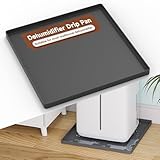
We will cover the best dehumidifiers for hardwood floors later in this article. Meanwhile, feel free to check out these related products on Amazon:


As an Amazon Associate I earn from qualifying purchases.
Prices and availability are accurate as of November 5, 2026 17:18 and are subject to change.
Introduction to Dehumidifiers for Hardwood Floors
Dehumidifiers are essential appliances for maintaining a healthy and comfortable indoor environment, particularly for homes with hardwood floors. Hardwood floors are sensitive to moisture, and excessive humidity can cause warping, cracking, and damage to the wood. To prevent such damage, it is crucial to control the humidity levels in the home.
High humidity can lead to mold and mildew growth, which can spread quickly and cause significant damage to the hardwood floors. Furthermore, excessive moisture can also attract pests and create an environment conducive to dust mites and other allergens. By using a dehumidifier, homeowners can reduce the humidity levels and prevent these issues from arising.
The best dehumidifiers for hardwood floors are designed to remove excess moisture from the air, creating a dry and comfortable environment that is ideal for hardwood floors. These appliances are especially useful in areas with high humidity, such as basements, crawl spaces, and bathrooms. By controlling the humidity levels, homeowners can protect their hardwood floors and ensure they remain beautiful and durable for years to come.
In summary, dehumidifiers play a vital role in maintaining the health and longevity of hardwood floors. By removing excess moisture from the air, these appliances help prevent damage, mold growth, and pest infestations. When selecting a dehumidifier for hardwood floors, it is essential to choose one of the best dehumidifiers for hardwood floors that meets the specific needs of the home and provides effective humidity control.
The Best Dehumidifiers For Hardwood Floors
The
Keystone KSTAD50B 50-Pint Dehumidifier #KSTAD50B-1
is an excellent choice for hardwood floors. It is designed to remove excess moisture from the air, which can damage hardwood floors over time. This dehumidifier is capable of removing up to 50 pints of moisture per day, making it suitable for large rooms or entire floors. It also features a built-in pump that allows for continuous drainage, eliminating the need for frequent emptying of the water tank.
The Keystone KSTAD50B 50-Pint Dehumidifier #KSTAD50B-1 is also energy-efficient and has a low noise level, making it suitable for use in living rooms or bedrooms. It also features a washable filter that helps to remove dust and other particles from the air, improving indoor air quality. Additionally, it has a 24-hour timer and an automatic shut-off feature, making it easy to use and maintain. Overall, the Keystone KSTAD50B 50-Pint Dehumidifier #KSTAD50B-1 is a reliable and effective solution for removing excess moisture from hardwood floors.
The
Frigidaire FFAD7033R1 70-Pint Dehumidifier #FFAD7033R1-2
is a high-capacity dehumidifier that is ideal for large spaces with hardwood floors. It is capable of removing up to 70 pints of moisture per day, making it suitable for entire floors or basements. This dehumidifier also features a built-in pump and a large water tank, eliminating the need for frequent emptying. It also has a washable filter and an automatic shut-off feature, making it easy to use and maintain.
The Frigidaire FFAD7033R1 70-Pint Dehumidifier #FFAD7033R1-2 is also energy-efficient and has a low noise level, making it suitable for use in living rooms or bedrooms. It also features a 24-hour timer and an automatic restart feature, making it easy to use and maintain. Additionally, it has a sleek and modern design that fits well with most home decor. Overall, the Frigidaire FFAD7033R1 70-Pint Dehumidifier #FFAD7033R1-2 is a reliable and effective solution for removing excess moisture from hardwood floors.
The
hOmeLabs HME020031N 30-Pint Dehumidifier #HME020031N-3
is a compact and energy-efficient dehumidifier that is ideal for small to medium-sized spaces with hardwood floors. It is capable of removing up to 30 pints of moisture per day, making it suitable for bedrooms or offices. This dehumidifier also features a built-in water tank and an automatic shut-off feature, making it easy to use and maintain. It also has a washable filter and a 24-hour timer, making it easy to customize the dehumidification process.
The hOmeLabs HME020031N 30-Pint Dehumidifier #HME020031N-3 is also lightweight and portable, making it easy to move from room to room. It also features a sleek and modern design that fits well with most home decor. Additionally, it has a low noise level, making it suitable for use in living rooms or bedrooms. Overall, the hOmeLabs HME020031N 30-Pint Dehumidifier #HME020031N-3 is a reliable and effective solution for removing excess moisture from hardwood floors.
The
LG PuriCare UD701KOG3 70-Pint Dehumidifier #UD701KOG3-4
is a high-capacity dehumidifier that is ideal for large spaces with hardwood floors. It is capable of removing up to 70 pints of moisture per day, making it suitable for entire floors or basements. This dehumidifier also features a built-in pump and a large water tank, eliminating the need for frequent emptying. It also has a washable filter and an automatic shut-off feature, making it easy to use and maintain.
The LG PuriCare UD701KOG3 70-Pint Dehumidifier #UD701KOG3-4 is also energy-efficient and has a low noise level, making it suitable for use in living rooms or bedrooms. It also features a 24-hour timer and an automatic restart feature, making it easy to use and maintain. Additionally, it has a sleek and modern design that fits well with most home decor. Overall, the LG PuriCare UD701KOG3 70-Pint Dehumidifier #UD701KOG3-4 is a reliable and effective solution for removing excess moisture from hardwood floors.
The
Whynter RPD-702WP 70-Pint Dehumidifier #RPD-702WP-5
is a high-capacity dehumidifier that is ideal for large spaces with hardwood floors. It is capable of removing up to 70 pints of moisture per day, making it suitable for entire floors or basements. This dehumidifier also features a built-in pump and a large water tank, eliminating the need for frequent emptying. It also has a washable filter and an automatic shut-off feature, making it easy to use and maintain.
The Whynter RPD-702WP 70-Pint Dehumidifier #RPD-702WP-5 is also energy-efficient and has a low noise level, making it suitable for use in living rooms or bedrooms. It also features a 24-hour timer and an automatic restart feature, making it easy to use and maintain. Additionally, it has a sleek and modern design that fits well with most home decor. Overall, the Whynter RPD-702WP 70-Pint Dehumidifier #RPD-702WP-5 is a reliable and effective solution for removing excess moisture from hardwood floors.
Why Dehumidifiers are a Must-Have for Hardwood Floors
Hardwood floors are a popular choice for many homeowners due to their durability and aesthetic appeal. However, they can be sensitive to moisture, which can cause warping, cracking, and other forms of damage. Excess moisture in the air can seep into the wood, causing it to expand and contract, leading to a range of problems. This is why it’s essential to maintain a stable humidity level in the home, especially in areas with hardwood flooring.
One of the primary reasons people need to buy dehumidifiers for hardwood floors is to prevent moisture damage. When the air is too humid, it can cause the wood to absorb excess moisture, leading to warping and buckling. This can be particularly problematic in areas with high humidity, such as basements or bathrooms. By using a dehumidifier, homeowners can remove excess moisture from the air, creating a stable environment that prevents damage to their hardwood floors.
In addition to preventing moisture damage, dehumidifiers can also help to reduce the risk of mold and mildew growth. When hardwood floors are exposed to excess moisture, they can become a breeding ground for mold and mildew. This can lead to a range of health problems, including allergies and respiratory issues. By using a dehumidifier, homeowners can create an environment that is inhospitable to mold and mildew, helping to keep their hardwood floors clean and healthy.
To get the most out of a dehumidifier for hardwood floors, it’s essential to choose the right model. Homeowners should look for the best dehumidifiers for hardwood floors, taking into account factors such as the size of the space, the level of humidity, and the type of hardwood flooring. By selecting the right dehumidifier and using it regularly, homeowners can help to protect their hardwood floors from moisture damage, reduce the risk of mold and mildew growth, and create a healthy and stable environment in their home.
Benefits of Using Dehumidifiers for Hardwood Floors
The primary benefit of using dehumidifiers for hardwood floors is to maintain a stable humidity level, which helps prevent damage to the wood. Hardwood floors are sensitive to moisture, and excessive humidity can cause warping, cracking, or discoloration. By controlling the humidity level, dehumidifiers help extend the lifespan of the hardwood floors. Additionally, dehumidifiers can also help reduce the growth of mold and mildew, which can thrive in humid environments and cause unpleasant odors and health issues.
Dehumidifiers can also help improve the overall appearance of hardwood floors. By removing excess moisture from the air, dehumidifiers can help prevent water spots and mineral deposits from forming on the surface of the wood. This can help maintain the natural beauty and shine of the hardwood floors, making them look newer for longer. Furthermore, dehumidifiers can also help reduce the risk of pest infestations, such as termites and carpenter ants, which are attracted to moist environments.
In addition to the benefits for hardwood floors, dehumidifiers can also improve the overall indoor air quality. By removing excess moisture from the air, dehumidifiers can help reduce the growth of mold, mildew, and bacteria, which can cause respiratory problems and other health issues. This can be especially beneficial for people who suffer from allergies or asthma. Moreover, dehumidifiers can also help reduce the musty smell that is often associated with humid environments, making the indoor space feel fresher and cleaner.
Overall, using dehumidifiers for hardwood floors can have numerous benefits, from maintaining the stability and appearance of the wood to improving indoor air quality. By controlling the humidity level, dehumidifiers can help create a healthier and more comfortable living space, which can be especially important for people who spend a lot of time indoors.
Types of Dehumidifiers Suitable for Hardwood Floors
There are several types of dehumidifiers that are suitable for hardwood floors, each with its own unique features and benefits. One of the most common types is the refrigerant dehumidifier, which uses a refrigerant to cool the air and remove moisture. These dehumidifiers are often the most effective at removing large amounts of moisture from the air and are suitable for larger spaces.
Another type of dehumidifier is the desiccant dehumidifier, which uses a desiccant material to absorb moisture from the air. These dehumidifiers are often more energy-efficient and quieter than refrigerant dehumidifiers, making them suitable for smaller spaces or for use in bedrooms or living rooms. Additionally, there are also whole-house dehumidifiers, which are designed to be installed as part of the home’s HVAC system and can provide comprehensive humidity control throughout the entire house.
Portable dehumidifiers are also a popular option for hardwood floors, as they can be easily moved from room to room and are often more affordable than whole-house dehumidifiers. These dehumidifiers are suitable for smaller spaces or for use in specific areas where humidity is a problem. Furthermore, there are also dehumidifiers with built-in pumps, which can automatically drain the collected water, making them more convenient to use.
When choosing a dehumidifier for hardwood floors, it’s essential to consider the size of the space, the level of humidity, and the type of dehumidifier that best suits the specific needs. By selecting the right type of dehumidifier, homeowners can help maintain the stability and appearance of their hardwood floors and improve the overall indoor air quality.
Features to Consider When Buying a Dehumidifier for Hardwood Floors
When buying a dehumidifier for hardwood floors, there are several features to consider to ensure that the device meets the specific needs of the space. One of the most critical factors is the dehumidifier’s capacity, which is measured in pints per day. The capacity should be suitable for the size of the space and the level of humidity, with larger spaces requiring dehumidifiers with higher capacities.
Another essential feature to consider is the dehumidifier’s humidity control, which allows users to set a specific humidity level. This feature is crucial for maintaining the stability of hardwood floors, as excessive humidity can cause damage. Additionally, features such as automatic shut-off, drainage pumps, and washable filters can also be beneficial, as they can make the dehumidifier more convenient to use and maintain.
The noise level of the dehumidifier is also an important consideration, especially if the device will be used in a bedroom or living room. Some dehumidifiers can be quite loud, while others are designed to be quieter and more discreet. Furthermore, energy efficiency is also a critical factor, as dehumidifiers can consume a significant amount of energy, especially if they are used continuously.
By considering these features and factors, homeowners can choose a dehumidifier that meets the specific needs of their hardwood floors and provides effective humidity control. This can help maintain the stability and appearance of the wood, improve indoor air quality, and create a healthier and more comfortable living space.
Installation and Maintenance of Dehumidifiers for Hardwood Floors
Installing a dehumidifier for hardwood floors is relatively straightforward, but it’s essential to follow the manufacturer’s instructions to ensure that the device is set up correctly. The dehumidifier should be placed in a location where it can effectively circulate the air, such as in a central area of the room or near the hardwood floors. It’s also crucial to ensure that the dehumidifier is level and stable to prevent it from tipping over.
Regular maintenance is also essential to ensure that the dehumidifier continues to function effectively. This includes cleaning the filter regularly, checking the drainage system, and monitoring the humidity level. The filter should be cleaned every 1-3 months, depending on the usage and environment, to prevent dust and debris from accumulating and reducing the dehumidifier’s efficiency.
Additionally, the dehumidifier’s drainage system should be checked regularly to ensure that it is functioning correctly. If the dehumidifier has a built-in pump, it’s essential to ensure that the pump is working correctly and that the drainage hose is not kinked or blocked. By performing regular maintenance, homeowners can help extend the lifespan of the dehumidifier and ensure that it continues to provide effective humidity control.
It’s also recommended to monitor the humidity level regularly to ensure that it is within the optimal range for hardwood floors. This can be done using a hygrometer, which can provide an accurate reading of the humidity level. By monitoring the humidity level and performing regular maintenance, homeowners can help maintain the stability and appearance of their hardwood floors and improve the overall indoor air quality.
Ultimate Buying Guide for Dehumidifiers to Protect Your Hardwood Floors
When it comes to maintaining the beauty and longevity of your hardwood floors, controlling the humidity levels in your home is crucial. Excessive moisture can cause warping, cracking, and damage to the wood, leading to costly repairs. A dehumidifier can be an effective solution to this problem, but with so many options available in the market, choosing the right one can be overwhelming. In this guide, we will discuss the key factors to consider when buying a dehumidifier to protect your hardwood floors.
Moisture Removal Capacity
The moisture removal capacity of a dehumidifier is one of the most important factors to consider. This capacity is usually measured in pints per day, and it indicates how much moisture the dehumidifier can remove from the air within a 24-hour period. A higher moisture removal capacity means that the dehumidifier can handle larger spaces or more humid environments. When choosing a dehumidifier, consider the size of the room where you plan to use it and the level of humidity you need to control. A dehumidifier with a higher moisture removal capacity will be more effective in maintaining a stable humidity level, but it may also be more expensive.
The moisture removal capacity of a dehumidifier can range from 20 to 90 pints per day, depending on the model and brand. For small to medium-sized rooms, a dehumidifier with a moisture removal capacity of 30-50 pints per day may be sufficient. However, for larger rooms or more humid environments, a dehumidifier with a higher moisture removal capacity of 60-90 pints per day may be needed. It’s essential to choose a dehumidifier that can handle the specific humidity needs of your space to ensure that your hardwood floors remain protected.
Humidity Control and Accuracy
Another critical factor to consider when buying a dehumidifier is its humidity control and accuracy. A good dehumidifier should be able to maintain a stable humidity level, usually between 30-50%, to prevent moisture damage to your hardwood floors. Look for a dehumidifier with a built-in humidistat that can accurately measure the humidity level in the room and adjust the dehumidification process accordingly. Some dehumidifiers also come with advanced features such as automatic humidity control, which can adjust the moisture removal capacity based on the current humidity level.
The accuracy of a dehumidifier’s humidity control can vary depending on the model and brand. Some dehumidifiers may have a more precise humidistat, while others may have a wider margin of error. When choosing a dehumidifier, look for one with a humidistat that can accurately measure the humidity level to within 5% of the set point. This will ensure that your dehumidifier can maintain a stable humidity level and protect your hardwood floors from moisture damage. Additionally, consider a dehumidifier with a digital display that shows the current humidity level, making it easier to monitor and adjust the settings as needed.
Energy Efficiency and Cost
Energy efficiency and cost are also important factors to consider when buying a dehumidifier. A dehumidifier can consume a significant amount of energy, especially if it’s used continuously. Look for a dehumidifier with a high Energy Star rating, which indicates that it meets energy efficiency standards set by the U.S. Environmental Protection Agency. A more energy-efficient dehumidifier can help reduce your energy bills and minimize its environmental impact.
The cost of a dehumidifier can vary widely, depending on the model, brand, and features. When choosing a dehumidifier, consider not only the initial purchase price but also the ongoing energy costs. A more expensive dehumidifier may be more energy-efficient and cost-effective in the long run, while a cheaper model may consume more energy and increase your utility bills. Additionally, consider the cost of replacement filters and maintenance, as these can add up over time. By choosing an energy-efficient dehumidifier, you can protect your hardwood floors while also reducing your energy costs and minimizing your environmental footprint.
Noise Level and Operation
The noise level and operation of a dehumidifier are also important factors to consider. A dehumidifier can be a noisy appliance, especially if it’s used in a bedroom or living room. Look for a dehumidifier with a low noise level, usually measured in decibels (dB). A dehumidifier with a noise level of 40 dB or less is considered quiet and suitable for use in most rooms.
The operation of a dehumidifier can also vary depending on the model and brand. Some dehumidifiers may have a more complex control panel, while others may have a simpler, more intuitive design. When choosing a dehumidifier, consider one with a user-friendly interface that allows you to easily adjust the settings and monitor the humidity level. Additionally, consider a dehumidifier with automatic features such as auto-restart, which can resume operation after a power outage, and auto-drain, which can drain the water tank automatically. By choosing a dehumidifier with a low noise level and user-friendly operation, you can ensure that it runs smoothly and effectively, protecting your hardwood floors from moisture damage.
Drainage and Maintenance
Drainage and maintenance are also crucial factors to consider when buying a dehumidifier. A dehumidifier can collect a significant amount of water, which needs to be drained regularly to prevent overflowing. Look for a dehumidifier with a built-in drainage system, such as a drain hose or pump, that can automatically drain the water tank. This can save you time and effort, as you won’t need to empty the tank manually.
The maintenance of a dehumidifier can also vary depending on the model and brand. Some dehumidifiers may require more frequent filter cleaning or replacement, while others may have a washable filter or no filter at all. When choosing a dehumidifier, consider one with a low-maintenance design that minimizes the need for frequent cleaning or replacement parts. Additionally, consider a dehumidifier with a durable construction and rust-resistant materials, which can withstand the humid environment and last longer. By choosing a dehumidifier with a built-in drainage system and low-maintenance design, you can ensure that it runs smoothly and effectively, protecting your hardwood floors from moisture damage.
Additional Features and Certifications
Finally, consider the additional features and certifications of a dehumidifier. Some dehumidifiers may come with advanced features such as air purification, ionization, or antimicrobial treatment, which can provide additional benefits beyond moisture removal. Look for a dehumidifier with certifications such as UL (Underwriters Laboratories) or ETL (Intertek), which indicate that it meets safety standards for electrical appliances. When choosing the best dehumidifiers for hardwood floors, consider one with a combination of features and certifications that meet your specific needs and provide the best protection for your floors.
The additional features of a dehumidifier can vary widely, depending on the model and brand. Some dehumidifiers may have a built-in air purifier, which can remove allergens and pollutants from the air, while others may have a deodorizing filter, which can eliminate odors and smells. When choosing a dehumidifier, consider one with features that align with your specific needs and preferences. Additionally, consider a dehumidifier with a comprehensive warranty and dedicated customer support, which can provide peace of mind and assistance in case of any issues or concerns. By choosing a dehumidifier with the right combination of features and certifications, you can ensure that it provides the best protection for your hardwood floors and meets your specific needs and preferences.
FAQs
What is the purpose of a dehumidifier for hardwood floors?
A dehumidifier is an essential appliance for maintaining the health and longevity of hardwood floors. Hardwood floors are sensitive to moisture, and excessive humidity can cause them to warp, crack, or rot. By removing excess moisture from the air, a dehumidifier helps to prevent damage to the floors and creates a more comfortable living environment. This is especially important in areas with high humidity, such as basements or bathrooms, where hardwood floors are often installed.
In addition to protecting the floors, a dehumidifier can also help to prevent the growth of mold and mildew, which can thrive in humid environments. By controlling the humidity levels, a dehumidifier can help to reduce the risk of mold and mildew growth, creating a healthier and more pleasant living space. Furthermore, a dehumidifier can also help to reduce dust mites, which are often found in humid environments and can exacerbate allergies and respiratory issues. Overall, a dehumidifier is a valuable investment for anyone with hardwood floors, as it helps to protect the floors and create a healthier living environment.
How do I choose the right dehumidifier for my hardwood floors?
Choosing the right dehumidifier for your hardwood floors involves considering several factors, including the size of the space, the level of humidity, and the type of dehumidifier. The first step is to determine the size of the space where the dehumidifier will be used, as this will help to determine the required capacity of the dehumidifier. It’s also important to consider the level of humidity in the space, as this will help to determine the type of dehumidifier needed. For example, if the space has extremely high humidity, a more powerful dehumidifier may be required.
In addition to considering the size and humidity level of the space, it’s also important to consider the type of dehumidifier. There are several types of dehumidifiers available, including refrigerant, desiccant, and whole-house dehumidifiers. Refrigerant dehumidifiers are the most common type and work by cooling the air to remove moisture. Desiccant dehumidifiers use a desiccant material to absorb moisture from the air, while whole-house dehumidifiers are designed to dehumidify entire homes. By considering these factors and choosing the right type of dehumidifier, you can help to protect your hardwood floors and create a healthier living environment.
What features should I look for in a dehumidifier for hardwood floors?
When looking for a dehumidifier for hardwood floors, there are several features to consider. One of the most important features is the dehumidifier’s capacity, which is measured in pints per day. A higher capacity dehumidifier is needed for larger spaces or spaces with extremely high humidity. Another important feature is the dehumidifier’s humidity control, which allows you to set a desired humidity level and the dehumidifier will automatically turn on and off to maintain that level.
In addition to capacity and humidity control, other features to consider include the dehumidifier’s noise level, energy efficiency, and drainage options. A dehumidifier with a low noise level is ideal for living spaces, while an energy-efficient dehumidifier can help to reduce energy costs. Some dehumidifiers also come with drainage options, such as a built-in pump or drainage hose, which can make it easier to remove collected water. By considering these features and choosing a dehumidifier that meets your needs, you can help to protect your hardwood floors and create a healthier living environment.
Can I use a dehumidifier in a basement with hardwood floors?
Yes, a dehumidifier can be used in a basement with hardwood floors. In fact, basements are often one of the most humid areas of a home, making a dehumidifier a necessity for protecting hardwood floors. By removing excess moisture from the air, a dehumidifier can help to prevent damage to the floors and create a more comfortable living environment. It’s especially important to use a dehumidifier in a basement with hardwood floors, as the moisture can cause the floors to warp or rot.
When using a dehumidifier in a basement with hardwood floors, it’s essential to choose a dehumidifier that is designed for basement use. These dehumidifiers are typically more powerful and have features such as a built-in pump or drainage hose, which can make it easier to remove collected water. It’s also important to ensure that the dehumidifier is properly sized for the space and to monitor the humidity levels to ensure that the dehumidifier is working effectively. By using a dehumidifier in a basement with hardwood floors, you can help to protect the floors and create a healthier living environment.
How often should I empty the water tank of my dehumidifier?
The frequency at which you need to empty the water tank of your dehumidifier depends on several factors, including the size of the tank, the humidity level of the space, and the capacity of the dehumidifier. As a general rule, it’s recommended to check the water tank daily and empty it as needed. If the tank is full, it’s essential to empty it to ensure that the dehumidifier continues to work effectively. Some dehumidifiers also come with automatic shut-off features, which turn off the dehumidifier when the tank is full.
In addition to checking the water tank daily, it’s also important to consider the overall performance of the dehumidifier. If the dehumidifier is not removing enough moisture from the air, it may be necessary to empty the tank more frequently. On the other hand, if the dehumidifier is removing too much moisture, it may be possible to empty the tank less frequently. By monitoring the performance of the dehumidifier and emptying the tank as needed, you can help to ensure that it continues to work effectively and protect your hardwood floors.
Can I use a dehumidifier with other flooring types, such as tile or carpet?
Yes, a dehumidifier can be used with other flooring types, such as tile or carpet. While hardwood floors are particularly sensitive to moisture, other flooring types can also benefit from a dehumidifier. For example, tile floors can become slippery and hazardous when wet, while carpeted floors can become damp and musty. By removing excess moisture from the air, a dehumidifier can help to prevent these issues and create a more comfortable living environment.
In addition to protecting the floors, a dehumidifier can also help to reduce dust mites, mold, and mildew, which can thrive in humid environments. This can be especially beneficial for people with allergies or respiratory issues, as it can help to reduce symptoms and create a healthier living environment. When using a dehumidifier with other flooring types, it’s essential to consider the specific needs of the space and to choose a dehumidifier that is designed for that type of flooring. By doing so, you can help to protect your floors and create a healthier living environment.
Final Words
In conclusion, maintaining the optimal humidity level in a home with hardwood floors is crucial to extend their lifespan and prevent damage. Excess moisture can lead to warping, cracking, and discoloration, which can be costly to repair. By investing in a reliable dehumidification system, homeowners can create a stable environment that preserves the beauty and integrity of their hardwood floors. This not only enhances the aesthetic appeal of the space but also contributes to a healthier and more comfortable living environment.
When selecting the best dehumidifiers for hardwood floors, it is essential to consider factors such as room size, humidity levels, and energy efficiency. By choosing the right model, homeowners can enjoy the benefits of a dry and stable environment, free from the risks associated with excessive moisture. With the numerous options available in the market, making an informed decision can be overwhelming. However, by following the guidelines and reviews outlined in this article, homeowners can make a confident choice and reap the rewards of a well-maintained and beautiful hardwood floor for years to come.