Traveling is an incredible experience that allows us to explore new destinations, immerse ourselves in different cultures, and capture breathtaking moments. As a traveler, you want to make sure that you have the right equipment to document your adventures, and a good camera is essential for this. With the advancement of technology, mirrorless cameras have become increasingly popular among travelers due to their compact size, lightweight design, and exceptional image quality. Whether you’re a professional photographer or an enthusiast, having the right camera can make all the difference in capturing stunning photos and videos on the go.
When it comes to choosing the best mirrorless cameras for traveling, there are several factors to consider, including image quality, lens selection, and durability. You want a camera that is not only capable of producing high-quality images but also compact and lightweight enough to carry around comfortably. In this article, we will explore the top options available in the market, highlighting their features, pros, and cons to help you make an informed decision. From budget-friendly options to high-end models, we will cover a range of cameras that cater to different needs and preferences, ensuring that you find the perfect companion for your travels. With the right camera by your side, you’ll be able to capture life’s precious moments and relive your travel experiences for years to come.
We will cover the best mirrorless cameras for traveling later in this article. Meanwhile, feel free to check out these related products on Amazon:
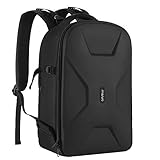


As an Amazon Associate I earn from qualifying purchases.
Prices and availability are accurate as of October 31, 2026 03:44 and are subject to change.
Introduction to Mirrorless Cameras for Travel
When it comes to capturing memories while traveling, having the right camera can make all the difference. With so many options available, it can be overwhelming to choose the perfect one. However, for many travelers, mirrorless cameras have become the go-to choice due to their versatility, compact size, and high-quality images.
Mirrorless cameras offer a unique combination of features that make them ideal for traveling. They are generally smaller and lighter than traditional DSLR cameras, making them easier to carry around. This compact size, combined with their interchangeable lenses, allows travelers to capture a wide range of shots without having to sacrifice image quality.
One of the key benefits of mirrorless cameras is their ability to adapt to different shooting situations. Whether you’re capturing sweeping landscapes, bustling city streets, or intimate portraits, mirrorless cameras can handle it all. With advanced features like autofocus, image stabilization, and 4K video, these cameras provide travelers with the tools they need to tell their story.
For those looking to invest in a camera that can keep up with their adventures, the best mirrorless cameras for traveling offer a perfect blend of form and function. With their compact size, advanced features, and high-quality images, it’s no wonder that mirrorless cameras have become a staple in many travelers’ bags. Whether you’re a seasoned photographer or just starting out, a mirrorless camera can help you capture your travels in stunning detail and make your memories last a lifetime.
Best Mirrorless Cameras For Traveling – Reviewed
The
Sony Alpha a6400 Mirrorless Camera 1
is an excellent choice for travelers due to its compact size and lightweight design. It features a 24.2-megapixel APS-C Exmor CMOS sensor, which provides excellent image quality with impressive detail and color accuracy. The camera also boasts fast autofocus and impressive video capabilities, making it suitable for capturing a wide range of scenes, from landscapes to wildlife and portraits.
In terms of travel-friendly features, the Sony Alpha a6400 Mirrorless Camera 1 has a tilting touchscreen LCD, which allows for easy composition and navigation, even in bright sunlight. The camera is also equipped with built-in Wi-Fi and NFC, making it easy to transfer images to a smartphone or tablet for sharing on social media. Additionally, the camera’s battery life is impressive, allowing for a full day of shooting without needing to recharge. Overall, the Sony Alpha a6400 Mirrorless Camera 1 is a great option for travelers who want a high-quality camera that is easy to carry and use.
The
Fujifilm X-T4 Mirrorless Camera 2
is a versatile and feature-rich camera that is well-suited for travel photography. It features a 26.1-megapixel APS-C X-Trans CMOS sensor, which provides excellent image quality with impressive detail and color accuracy. The camera also boasts impressive video capabilities, including 4K resolution at 60p, making it suitable for capturing high-quality footage on the go. Additionally, the camera’s weather-sealed design and ergonomic grip make it comfortable to hold and use, even in challenging weather conditions.
In terms of travel-friendly features, the Fujifilm X-T4 Mirrorless Camera 2 has a vari-angle touchscreen LCD, which allows for easy composition and navigation, even in bright sunlight. The camera is also equipped with built-in Wi-Fi and Bluetooth, making it easy to transfer images to a smartphone or tablet for sharing on social media. Additionally, the camera’s battery life is impressive, allowing for a full day of shooting without needing to recharge. Overall, the Fujifilm X-T4 Mirrorless Camera 2 is a great option for travelers who want a high-quality camera with advanced features and excellent image quality.
The
Canon EOS M50 Mirrorless Camera 3
is a compact and feature-rich camera that is well-suited for travel photography. It features a 24.2-megapixel APS-C CMOS sensor, which provides excellent image quality with impressive detail and color accuracy. The camera also boasts impressive video capabilities, including 4K resolution at 24p, making it suitable for capturing high-quality footage on the go. Additionally, the camera’s compact design and ergonomic grip make it comfortable to hold and use, even in challenging weather conditions.
In terms of travel-friendly features, the Canon EOS M50 Mirrorless Camera 3 has a vari-angle touchscreen LCD, which allows for easy composition and navigation, even in bright sunlight. The camera is also equipped with built-in Wi-Fi and NFC, making it easy to transfer images to a smartphone or tablet for sharing on social media. Additionally, the camera’s battery life is impressive, allowing for a full day of shooting without needing to recharge. Overall, the Canon EOS M50 Mirrorless Camera 3 is a great option for travelers who want a high-quality camera with advanced features and excellent image quality, without breaking the bank.
The
Panasonic Lumix GX850 Mirrorless Camera 4
is a compact and feature-rich camera that is well-suited for travel photography. It features a 16-megapixel Micro Four Thirds sensor, which provides excellent image quality with impressive detail and color accuracy. The camera also boasts impressive video capabilities, including 4K resolution at 30p, making it suitable for capturing high-quality footage on the go. Additionally, the camera’s compact design and ergonomic grip make it comfortable to hold and use, even in challenging weather conditions.
In terms of travel-friendly features, the Panasonic Lumix GX850 Mirrorless Camera 4 has a tilting touchscreen LCD, which allows for easy composition and navigation, even in bright sunlight. The camera is also equipped with built-in Wi-Fi and Bluetooth, making it easy to transfer images to a smartphone or tablet for sharing on social media. Additionally, the camera’s battery life is impressive, allowing for a full day of shooting without needing to recharge. Overall, the Panasonic Lumix GX850 Mirrorless Camera 4 is a great option for travelers who want a high-quality camera with advanced features and excellent image quality, without breaking the bank.
The
Olympus OM-D E-M10 Mark IV Mirrorless Camera 5
is a compact and feature-rich camera that is well-suited for travel photography. It features a 20.4-megapixel Micro Four Thirds sensor, which provides excellent image quality with impressive detail and color accuracy. The camera also boasts impressive video capabilities, including 4K resolution at 30p, making it suitable for capturing high-quality footage on the go. Additionally, the camera’s weather-sealed design and ergonomic grip make it comfortable to hold and use, even in challenging weather conditions.
In terms of travel-friendly features, the Olympus OM-D E-M10 Mark IV Mirrorless Camera 5 has a tilting touchscreen LCD, which allows for easy composition and navigation, even in bright sunlight. The camera is also equipped with built-in Wi-Fi and Bluetooth, making it easy to transfer images to a smartphone or tablet for sharing on social media. Additionally, the camera’s battery life is impressive, allowing for a full day of shooting without needing to recharge. Overall, the Olympus OM-D E-M10 Mark IV Mirrorless Camera 5 is a great option for travelers who want a high-quality camera with advanced features and excellent image quality, without breaking the bank.
Why People Need to Buy Mirrorless Cameras for Traveling
When traveling, capturing memories is an essential part of the experience. With the advancement of technology, cameras have become more compact, lightweight, and feature-rich. Among the various types of cameras available, mirrorless cameras have gained popularity due to their versatility and image quality. They offer the perfect balance between size, weight, and performance, making them an ideal choice for travelers.
One of the primary reasons people need to buy mirrorless cameras for traveling is their portability. Unlike DSLR cameras, mirrorless cameras are more compact and lightweight, allowing travelers to carry them easily in their backpacks or purses. This convenience enables travelers to capture stunning images and videos without the burden of carrying heavy equipment. Moreover, mirrorless cameras often come with interchangeable lenses, providing users with the flexibility to adapt to different shooting situations.
In addition to their portability, mirrorless cameras also offer excellent image quality, fast autofocus, and advanced features such as 4K video recording and image stabilization. These features make them perfect for capturing a wide range of scenes, from landscapes and cityscapes to portraits and wildlife. When searching for the best mirrorless cameras for traveling, it’s essential to consider factors such as sensor size, lens selection, and weather sealing to ensure that the camera can withstand various environmental conditions.
Overall, investing in a mirrorless camera can significantly enhance the travel experience. With their compact size, advanced features, and excellent image quality, mirrorless cameras provide travelers with the perfect tool to capture and preserve their memories. Whether exploring new cities, hiking in the mountains, or relaxing on the beach, a mirrorless camera can help travelers tell their story and relive their experiences for years to come. By choosing the right mirrorless camera, travelers can ensure that they have a reliable and high-quality camera that meets their needs and exceeds their expectations.
Key Features to Consider When Choosing a Mirrorless Camera for Travel
When traveling, it’s essential to consider the key features of a mirrorless camera that will make it suitable for capturing high-quality images in various environments. One of the most critical factors is the camera’s sensor size, as it directly affects the image quality. A full-frame sensor is ideal for travel photography, as it provides better low-light performance and shallower depth of field. However, crop sensors can also produce excellent results, especially when paired with the right lenses.
Another crucial feature to consider is the camera’s autofocus system. A fast and accurate autofocus is vital for capturing sharp images of moving subjects, such as wildlife or street performers. Additionally, the camera’s burst mode and continuous shooting capabilities should be considered, as they enable you to capture multiple shots in quick succession. This feature is particularly useful when shooting in dynamic environments, such as markets or festivals.
The camera’s video capabilities are also an important consideration, especially if you plan to capture footage of your travels. Look for a camera that can shoot high-quality 4K video, with features such as image stabilization and slow-motion recording. Furthermore, consider the camera’s connectivity options, such as Wi-Fi, Bluetooth, and USB, which enable you to transfer images and videos to your smartphone or computer.
In addition to these features, the camera’s durability and weather sealing should also be considered. A camera with a rugged design and weather sealing can withstand the rigors of travel, including extreme temperatures, humidity, and dust. This feature is particularly important if you plan to travel to destinations with harsh environments, such as beaches, mountains, or deserts.
Benefits of Using a Mirrorless Camera for Travel Photography
Using a mirrorless camera for travel photography offers numerous benefits, including increased portability and flexibility. Mirrorless cameras are generally smaller and lighter than DSLRs, making them easier to carry around, especially when traveling to destinations with strict baggage restrictions. This compact design also enables you to capture images in tight spaces, such as crowded markets or narrow alleys.
Another significant benefit of using a mirrorless camera is the ability to adapt to different shooting situations. With a mirrorless camera, you can quickly switch between different lenses, including wide-angle, telephoto, and macro lenses, to capture a wide range of perspectives and effects. Additionally, mirrorless cameras often feature advanced autofocus systems, which enable you to track moving subjects and capture sharp images in dynamic environments.
The electronic viewfinder (EVF) of a mirrorless camera is another significant advantage, as it provides a real-time preview of your images, including exposure, white balance, and depth of field. This feature enables you to make adjustments on the fly, ensuring that you capture the best possible image. Furthermore, the EVF can also help you conserve battery life, as you can review your images without having to use the camera’s LCD screen.
In addition to these benefits, mirrorless cameras often feature advanced image stabilization systems, which enable you to capture sharp images in low-light conditions or when using slower shutter speeds. This feature is particularly useful when shooting in environments with limited lighting, such as indoors or at night.
How to Pack and Protect Your Mirrorless Camera While Traveling
When traveling with a mirrorless camera, it’s essential to pack and protect it properly to prevent damage and ensure that it remains functional throughout your trip. Start by investing in a high-quality camera bag or case that provides adequate protection and padding. Look for a bag with multiple compartments and pockets to store your camera, lenses, and accessories, keeping them organized and easily accessible.
When packing your camera, consider the environment you’ll be traveling to and the activities you’ll be doing. If you’ll be traveling to destinations with harsh weather conditions, such as rain or extreme temperatures, consider packing a waterproof or weather-sealed camera bag. Additionally, pack a cleaning kit and a microfiber cloth to keep your camera’s lenses and sensor clean and free of debris.
It’s also essential to consider the security of your camera when traveling, especially in crowded areas or tourist destinations. Consider using a camera strap or wrist strap to keep your camera secure, and be mindful of your surroundings when shooting in public. Additionally, make sure to backup your images regularly, either to a external hard drive or to a cloud storage service, to prevent losing your photos in case your camera is lost, stolen, or damaged.
In addition to these precautions, consider purchasing travel insurance that covers your camera equipment, providing financial protection in case of loss, theft, or damage. This can provide peace of mind and help you recover quickly in case of an unexpected event.
Tips for Capturing Stunning Travel Photos with a Mirrorless Camera
Capturing stunning travel photos with a mirrorless camera requires a combination of technical skills, creativity, and attention to detail. Start by understanding the basics of photography, including exposure, composition, and lighting. Experiment with different shooting modes, such as aperture priority or manual mode, to gain control over your camera’s settings and capture images that reflect your vision.
When shooting in different environments, consider the local culture and customs, and be respectful of your subjects and surroundings. Take the time to observe and learn about the places you visit, and use your camera to tell stories and capture the essence of each destination. Don’t be afraid to experiment and try new things, such as shooting from unusual angles or using creative lenses and filters.
The golden hour, which occurs during the first and last hour of sunlight, is often considered the best time to capture stunning travel photos. The soft, warm light of the golden hour can add depth and atmosphere to your images, and create a sense of drama and emotion. Additionally, consider shooting in black and white, which can add a sense of timelessness and elegance to your photos, and help you focus on the essential elements of composition and texture.
In addition to these tips, consider using your mirrorless camera’s advanced features, such as focus stacking or panorama mode, to capture unique and creative images. These features can help you push the boundaries of your photography and capture images that reflect your personality and style.
Best Mirrorless Cameras For Traveling Buying Guide
When it comes to traveling, having the right camera can make all the difference in capturing those special moments. With so many options available, choosing the perfect camera can be overwhelming. In this guide, we will discuss the key factors to consider when buying a camera for traveling, helping you make an informed decision and find the best mirrorless cameras for traveling that suits your needs.
Image Quality
Image quality is one of the most important factors to consider when buying a camera for traveling. A good camera should be able to produce high-quality images with vibrant colors, sharp details, and minimal noise. When evaluating image quality, look for cameras with high megapixel counts, full-frame sensors, and wide dynamic ranges. These features will allow you to capture stunning images in various lighting conditions, from bright sunlight to low-light environments. Additionally, consider cameras with advanced image stabilization systems, which can help reduce camera shake and blur, resulting in sharper images.
The image quality of a camera is also dependent on the lens used. When traveling, it’s often impractical to carry multiple lenses, so look for cameras with high-quality kit lenses that can handle a variety of shooting situations. Some cameras also offer advanced features like multi-shot noise reduction, which can help improve image quality in low-light conditions. By considering these factors, you can find a camera that produces exceptional image quality, making it ideal for capturing your travel memories.
Camera Size and Weight
Camera size and weight are crucial factors to consider when traveling, as you’ll likely be carrying your camera with you throughout the day. A smaller and lighter camera is easier to carry and can be less conspicuous, allowing you to take photos without drawing attention to yourself. Look for cameras with compact bodies and ergonomic designs, which can make them more comfortable to hold and use. Additionally, consider cameras with weather-sealing or waterproofing, which can protect your camera from the elements and withstand rough handling.
When evaluating camera size and weight, also consider the size and weight of the lenses. Some cameras have larger and heavier lenses, which can add to the overall bulk of the camera. However, some lenses are designed to be compact and lightweight, making them ideal for travel. By choosing a camera with a compact body and lightweight lenses, you can enjoy a more comfortable and convenient shooting experience while traveling. This can be especially important if you plan to hike or walk long distances, as a heavy camera can become a burden.
Autofocus and Speed
Autofocus and speed are essential factors to consider when buying a camera for traveling, as they can greatly impact your ability to capture sharp images of moving subjects. Look for cameras with advanced autofocus systems, which can quickly and accurately track subjects and adjust focus in real-time. Some cameras also offer features like phase-detection autofocus, which can provide faster and more accurate focusing. Additionally, consider cameras with fast burst modes, which can allow you to capture multiple shots in quick succession.
The speed of a camera is also dependent on its processing power and buffer size. A faster processor can handle more complex tasks, like autofocus and image processing, while a larger buffer can store more images, allowing you to take more shots in quick succession. When evaluating autofocus and speed, also consider the camera’s ability to handle low-light conditions, as some cameras may struggle to focus in dim environments. By choosing a camera with advanced autofocus and speed capabilities, you can capture sharp images of moving subjects, even in challenging lighting conditions.
Video Capabilities
Video capabilities are an important factor to consider when buying a camera for traveling, as many travelers enjoy capturing video footage of their experiences. Look for cameras with advanced video features, like 4K resolution, slow-motion recording, and image stabilization. Some cameras also offer features like logarithmic recording, which can provide more flexibility when editing your footage. Additionally, consider cameras with external microphone inputs, which can allow you to capture high-quality audio to accompany your video footage.
When evaluating video capabilities, also consider the camera’s ability to handle different frame rates and resolutions. Some cameras may offer more flexible frame rate options, allowing you to capture smoother footage or create more dramatic effects. By choosing a camera with advanced video capabilities, you can capture high-quality video footage of your travels, which can be a great way to relive your memories and share them with others. Additionally, consider the camera’s ability to transfer video footage to your smartphone or computer, as some cameras may offer more convenient transfer options.
Battery Life and Power
Battery life and power are critical factors to consider when buying a camera for traveling, as you may not always have access to a power source. Look for cameras with long battery life, which can allow you to take more shots without needing to recharge. Some cameras also offer features like power-saving modes, which can help extend battery life by reducing power consumption. Additionally, consider cameras with USB charging, which can allow you to recharge your camera on the go using a portable power bank.
When evaluating battery life and power, also consider the camera’s power consumption in different modes. Some cameras may consume more power when using advanced features like autofocus or image stabilization, while others may be more efficient. By choosing a camera with long battery life and efficient power consumption, you can enjoy a more convenient shooting experience while traveling, without worrying about running out of power. Additionally, consider the camera’s ability to use external power sources, like battery grips or external batteries, which can provide more power and flexibility.
Connectivity and Sharing
Connectivity and sharing are important factors to consider when buying a camera for traveling, as many travelers enjoy sharing their photos and videos with others. Look for cameras with built-in Wi-Fi or Bluetooth connectivity, which can allow you to transfer your photos and videos to your smartphone or computer. Some cameras also offer features like NFC connectivity, which can provide a more convenient way to transfer files. Additionally, consider cameras with social media sharing capabilities, which can allow you to share your photos and videos directly to your favorite social media platforms.
When evaluating connectivity and sharing, also consider the camera’s ability to use cloud storage services, like Google Drive or Dropbox. Some cameras may offer more convenient integration with these services, allowing you to automatically upload your photos and videos to the cloud. By choosing a camera with advanced connectivity and sharing capabilities, you can enjoy a more convenient and seamless way to share your travel photos and videos with others. Additionally, consider the camera’s ability to use external devices, like smartphones or tablets, as remote shutters or viewfinders, which can provide more flexibility and creativity when shooting.
FAQ
What are the benefits of using a mirrorless camera for traveling?
The benefits of using a mirrorless camera for traveling are numerous. For one, mirrorless cameras are generally smaller and lighter than their DSLR counterparts, making them easier to carry around. This is especially important for travelers who need to pack lightly and efficiently. Additionally, mirrorless cameras often have faster autofocus and burst mode capabilities, allowing for better capture of moving subjects and fleeting moments.
Another benefit of mirrorless cameras is their ability to shoot high-quality video, making them a great option for travelers who want to capture more than just still images. Many mirrorless cameras also have built-in image stabilization, which helps to reduce camera shake and blur, resulting in sharper images. Overall, the combination of size, speed, and image quality makes mirrorless cameras an excellent choice for travelers who want to capture high-quality photos and videos without the bulk and weight of a DSLR.
How do I choose the best mirrorless camera for my travel needs?
Choosing the best mirrorless camera for travel involves considering several factors, including the type of photography you plan to do, the level of image quality you need, and the amount of money you are willing to spend. For example, if you plan to do a lot of landscape or wildlife photography, you may want a camera with a full-frame sensor and a wide range of lens options. On the other hand, if you plan to do mostly street or portrait photography, a camera with a smaller sensor and a more compact body may be a better choice.
It’s also important to consider the camera’s durability and weather-sealing, as well as its battery life and charging options. If you plan to be traveling in harsh or unpredictable environments, you’ll want a camera that can withstand the elements and keep up with your shooting demands. Additionally, consider the camera’s connectivity options, such as Wi-Fi or Bluetooth, which can make it easier to transfer photos and stay connected on the go. By considering these factors and doing your research, you can find the best mirrorless camera for your travel needs and budget.
What are some key features to look for in a travel mirrorless camera?
When shopping for a travel mirrorless camera, there are several key features to look for. One of the most important is image quality, which is determined by the camera’s sensor size, resolution, and lens quality. Look for a camera with a high-quality sensor and a wide range of lens options, including wide-angle and telephoto lenses. Another important feature is autofocus speed and accuracy, which is critical for capturing sharp images of moving subjects.
Other key features to consider include weather-sealing, image stabilization, and video capabilities. Weather-sealing can help protect the camera from dust, moisture, and other environmental hazards, while image stabilization can help reduce camera shake and blur. If you plan to shoot video, look for a camera with 4K resolution, fast autofocus, and a wide range of frame rates and codecs. Additionally, consider the camera’s ergonomics and usability, including the size and layout of the controls, the quality of the viewfinder, and the responsiveness of the touchscreen.
Can I use a mirrorless camera for both stills and video?
Yes, many mirrorless cameras are capable of shooting both high-quality stills and video. In fact, mirrorless cameras have become increasingly popular among videographers and filmmakers due to their compact size, fast autofocus, and high-quality video capabilities. When shopping for a mirrorless camera for both stills and video, look for a camera with 4K resolution, fast autofocus, and a wide range of frame rates and codecs.
To get the most out of your mirrorless camera for both stills and video, consider investing in a few key accessories, such as a high-quality lens, a external microphone, and a tripod or gimbal. These accessories can help you achieve professional-quality results and expand your creative possibilities. Additionally, consider the camera’s connectivity options, such as HDMI output and audio input, which can make it easier to connect to external monitors, recorders, and other equipment.
How much should I expect to pay for a travel mirrorless camera?
The price of a travel mirrorless camera can vary widely, depending on the brand, model, and features. Entry-level mirrorless cameras can start at around $500-$700, while mid-range cameras can cost between $1,000-$2,000. High-end mirrorless cameras with advanced features and full-frame sensors can cost $2,500-$4,000 or more.
When determining your budget for a travel mirrorless camera, consider not only the cost of the camera body, but also the cost of lenses, accessories, and other equipment. Additionally, consider the cost of any additional features or services you may need, such as a camera bag, tripod, or cloud storage subscription. By setting a realistic budget and doing your research, you can find a high-quality mirrorless camera that meets your needs and fits your budget.
Are mirrorless cameras more prone to damage than DSLRs?
Mirrorless cameras are not necessarily more prone to damage than DSLRs, but they do require some special care and handling. One of the main differences between mirrorless cameras and DSLRs is the lack of a mirror and prism system, which can make them more susceptible to dust and moisture. However, most mirrorless cameras have built-in weather-sealing and other protective features to help prevent damage.
To keep your mirrorless camera in good working order, make sure to follow the manufacturer’s instructions for cleaning and maintenance. Avoid exposing the camera to harsh environments or handling it roughly, and consider investing in a protective case or bag to carry it in. Additionally, make sure to update the camera’s firmware regularly and use high-quality lenses and accessories to minimize the risk of damage or malfunction.
Can I use my mirrorless camera in extreme weather conditions?
Many mirrorless cameras are designed to be used in a variety of weather conditions, including rain, snow, and extreme temperatures. However, it’s still important to take some precautions to protect your camera from the elements. Look for a camera with built-in weather-sealing, which can help prevent dust and moisture from entering the camera body.
When using your mirrorless camera in extreme weather conditions, make sure to follow the manufacturer’s instructions and take some common-sense precautions. For example, avoid exposing the camera to direct sunlight or extreme temperatures, and use a protective case or bag to carry it in. Additionally, consider investing in a rain cover or other protective accessory to help keep the camera dry and functional. By taking the right precautions, you can use your mirrorless camera in a wide range of weather conditions and capture high-quality photos and videos.
The Bottom Line
In conclusion, the world of photography has evolved significantly, and the development of compact, high-quality cameras has made it easier for travelers to capture stunning images on the go. When it comes to selecting the perfect camera for travel, there are numerous factors to consider, including image quality, portability, and durability. By taking the time to research and compare different models, travelers can find the ideal camera to suit their needs and enhance their photography experience.
Ultimately, investing in one of the best mirrorless cameras for traveling can make a significant difference in the quality of photos taken on the road. With the ability to capture high-resolution images, record stunning videos, and withstand various environmental conditions, these cameras are a worthwhile investment for any serious traveler. Whether you’re a professional photographer or an amateur enthusiast, a high-quality camera can help you preserve memories and tell compelling stories through photography, making every trip a memorable and visually stunning experience.