When it comes to hanging drywall, having the right tools and materials can make all the difference in achieving a smooth and professional finish. One crucial component that is often overlooked is the type of screw used to secure the drywall to the studs. Using the wrong type of screw can lead to a range of problems, including loose panels, uneven surfaces, and even damage to the surrounding structure. In order to avoid these issues, it is essential to choose the best drywall screws for manual screwdrivers, which are specifically designed to provide a strong and secure hold without stripping or damaging the drywall.
The right drywall screws can help to ensure a successful installation, saving time and effort in the long run. With so many different types of screws on the market, it can be difficult to know which ones to choose. Factors such as screw length, thread type, and head style all play a critical role in determining the overall performance and effectiveness of the screw. By understanding the key characteristics and features of drywall screws, homeowners and contractors can make informed decisions and select the most suitable screws for their specific needs and projects. In this article, we will provide an in-depth review of the top-rated drywall screws, highlighting their strengths and weaknesses, and offering expert advice on how to choose the perfect screws for your next drywall installation project.
We will cover the best drywall screws for manual screwdrivers later in this article. Meanwhile, feel free to check out these related products on Amazon:
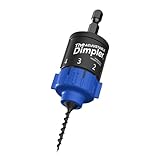


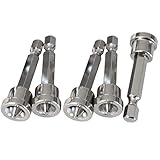

As an Amazon Associate I earn from qualifying purchases.
Prices and availability are accurate as of October 22, 2026 12:30 and are subject to change.
Introduction to Drywall Screws
Drywall screws are a type of fastener used to attach drywall panels to wood or metal studs. They have a unique design that allows them to easily penetrate the drywall and provide a strong hold. The screws have a coarse thread and a sharp point, which makes them ideal for use in drywall applications. They come in a variety of lengths and gauges, making them suitable for different types of drywall and stud configurations.
The use of drywall screws has become a standard practice in the construction industry, as they provide a quick and efficient way to install drywall panels. They are also used in DIY projects, as they are easy to use and require minimal specialized tools. When using drywall screws, it is essential to choose the right type and size to ensure a strong and secure hold. This can be achieved by considering factors such as the thickness of the drywall, the type of stud, and the desired level of holding power.
In addition to their functionality, drywall screws are also designed to be durable and long-lasting. They are typically made from high-quality materials, such as steel or brass, which provide excellent resistance to corrosion and wear. This makes them suitable for use in a variety of environments, including residential and commercial construction projects. When selecting drywall screws, it is crucial to consider the specific requirements of the project, including the type of drywall, the stud spacing, and the desired level of finish.
To achieve the best results, it is essential to use the best drywall screws for manual screwdrivers, as they provide a strong and secure hold, while also being easy to use and install. By choosing the right type and size of drywall screw, individuals can ensure a successful and efficient installation process. With the wide range of drywall screws available, it is crucial to research and compare different options to find the most suitable one for the specific project requirements. This will help to ensure a strong and durable hold, while also providing a professional-looking finish.
The Best Drywall Screws For Manual Screwdrivers
1. GRK Fasteners 1-1/4″ Drywall Screw #50100
The GRK Fasteners 1-1/4″ Drywall Screw #50100 is an excellent choice for those looking for a reliable and durable drywall screw. These screws are designed with a coarse thread that provides a strong hold in drywall, making them ideal for hanging heavy objects or securing drywall to wood studs. The sharp point on the screw allows for easy penetration into the drywall, reducing the risk of splitting or cracking.
The GRK Fasteners 1-1/4″ Drywall Screw #50100 is also coated with a rust-resistant material, making them suitable for use in areas prone to moisture. The screws are also easy to drive, with a bugle head that provides a smooth, consistent drive. Overall, the GRK Fasteners 1-1/4″ Drywall Screw #50100 is a high-quality drywall screw that is perfect for a variety of applications, from DIY projects to professional construction jobs.
2. Senco 1-1/2″ Drywall Screw #70010
The Senco 1-1/2″ Drywall Screw #70010 is a popular choice among drywall installers and DIYers alike. These screws are designed with a sharp point and a coarse thread, making them easy to drive and providing a strong hold in drywall. The screws are also made with a high-quality steel that is resistant to rust and corrosion, making them suitable for use in areas prone to moisture.
The Senco 1-1/2″ Drywall Screw #70010 is also designed with a bugle head that provides a smooth, consistent drive. The screws are easy to drive by hand, making them perfect for use with a manual screwdriver. Overall, the Senco 1-1/2″ Drywall Screw #70010 is a reliable and durable drywall screw that is perfect for a variety of applications, from hanging drywall to securing drywall to wood studs.
3. FastenMaster 1-1/4″ Drywall Screw #30050
The FastenMaster 1-1/4″ Drywall Screw #30050 is a high-quality drywall screw that is designed for use in a variety of applications. These screws are made with a high-quality steel that is resistant to rust and corrosion, making them suitable for use in areas prone to moisture. The screws are also designed with a coarse thread that provides a strong hold in drywall, making them ideal for hanging heavy objects or securing drywall to wood studs.
The FastenMaster 1-1/4″ Drywall Screw #30050 is also easy to drive, with a sharp point that allows for easy penetration into the drywall. The screws are also designed with a bugle head that provides a smooth, consistent drive. Overall, the FastenMaster 1-1/4″ Drywall Screw #30050 is a reliable and durable drywall screw that is perfect for a variety of applications, from DIY projects to professional construction jobs.
4. Hillman 1-1/2″ Drywall Screw #95020
The Hillman 1-1/2″ Drywall Screw #95020 is a popular choice among DIYers and professionals alike. These screws are designed with a sharp point and a coarse thread, making them easy to drive and providing a strong hold in drywall. The screws are also made with a high-quality steel that is resistant to rust and corrosion, making them suitable for use in areas prone to moisture.
The Hillman 1-1/2″ Drywall Screw #95020 is also designed with a bugle head that provides a smooth, consistent drive. The screws are easy to drive by hand, making them perfect for use with a manual screwdriver. Overall, the Hillman 1-1/2″ Drywall Screw #95020 is a reliable and durable drywall screw that is perfect for a variety of applications, from hanging drywall to securing drywall to wood studs.
5. Grabber 1-1/4″ Drywall Screw #12030
The Grabber 1-1/4″ Drywall Screw #12030 is a high-quality drywall screw that is designed for use in a variety of applications. These screws are made with a high-quality steel that is resistant to rust and corrosion, making them suitable for use in areas prone to moisture. The screws are also designed with a coarse thread that provides a strong hold in drywall, making them ideal for hanging heavy objects or securing drywall to wood studs.
The Grabber 1-1/4″ Drywall Screw #12030 is also easy to drive, with a sharp point that allows for easy penetration into the drywall. The screws are also designed with a bugle head that provides a smooth, consistent drive. Overall, the Grabber 1-1/4″ Drywall Screw #12030 is a reliable and durable drywall screw that is perfect for a variety of applications, from DIY projects to professional construction jobs.
Why People Need to Buy Drywall Screws for Manual Screwdrivers
When it comes to working with drywall, having the right tools and materials is essential. One of the most important components of any drywall project is the type of screw used to hang and finish the drywall. While power tools are often preferred for their speed and efficiency, many people still prefer to use manual screwdrivers for smaller projects or for added control. In these cases, it’s crucial to have the right type of screw that can be easily driven into the drywall without splitting or cracking it.
Drywall screws are specifically designed for use with drywall, with features such as coarse threads and sharp points that allow them to easily penetrate the drywall without causing damage. These screws are also typically made with a bugle head, which helps to countersink the screw into the drywall, creating a smooth finish. When using a manual screwdriver, it’s especially important to choose a screw that is designed for this type of application, as it will make the process much easier and help to prevent stripping or camming out.
For those looking to work with drywall using a manual screwdriver, it’s essential to find the best drywall screws for manual screwdrivers. These screws should be made with high-quality materials and have a design that is optimized for manual driving. By choosing the right screw, individuals can ensure that their drywall project turns out smoothly and professionally, without the need for costly repairs or rework. With the right screws and a bit of practice, anyone can achieve professional-looking results with their drywall project.
In addition to choosing the right screw, it’s also important to use proper technique when driving drywall screws with a manual screwdriver. This includes applying gentle and consistent pressure, as well as keeping the screw straight and level. By following these tips and using the right screws, individuals can complete their drywall project with confidence and achieve a high-quality finish. Whether you’re a seasoned professional or a DIY enthusiast, having the right tools and materials is essential for success, and drywall screws are no exception.
Types of Drywall Screws For Manual Screwdrivers
Drywall screws for manual screwdrivers come in various types, each designed for specific applications. The most common types include coarse-thread, fine-thread, and bugle-head screws. Coarse-thread screws are used for thicker drywall and provide a stronger hold, while fine-thread screws are used for thinner drywall and offer better resistance to pull-out. Bugle-head screws have a curved tip and are used for drywall applications where a flush finish is required.
The type of screw used can greatly impact the quality of the finish and the overall durability of the drywall installation. It is essential to choose the right type of screw for the specific application to ensure a professional-looking finish. Using the wrong type of screw can lead to a range of problems, including poor hold, pull-out, and damage to the surrounding drywall.
In addition to the type of screw, the material used to manufacture the screw is also crucial. Drywall screws can be made from a variety of materials, including steel, aluminum, and brass. Steel screws are the most common and offer a strong hold, while aluminum screws are lighter and more resistant to corrosion. Brass screws are more expensive but offer excellent resistance to corrosion and are often used in high-end applications.
The length of the screw is also an important consideration. Drywall screws come in a range of lengths, from 1/2 inch to 2 inches. The length of the screw will depend on the thickness of the drywall and the type of application. It is essential to choose a screw that is long enough to provide a secure hold but not so long that it penetrates the surrounding drywall.
Benefits of Using Drywall Screws For Manual Screwdrivers
Using drywall screws for manual screwdrivers offers a range of benefits, including increased efficiency, improved accuracy, and enhanced durability. Manual screwdrivers provide more control and precision than power tools, allowing for a more professional-looking finish. Additionally, manual screwdrivers are often quieter and produce less vibration than power tools, making them ideal for use in residential areas.
Drywall screws for manual screwdrivers are also more cost-effective than power tools. While power tools may be faster, they are often more expensive and require more maintenance. Manual screwdrivers, on the other hand, are relatively inexpensive and require minimal maintenance. Furthermore, manual screwdrivers are more versatile and can be used for a range of applications, including drywall, wood, and metal.
The use of drywall screws for manual screwdrivers also reduces the risk of damage to the surrounding drywall. Power tools can often be too powerful and can damage the drywall, leading to costly repairs. Manual screwdrivers, on the other hand, provide a more gentle and controlled application, reducing the risk of damage. This makes them ideal for use in high-end applications where a professional finish is required.
In addition to the benefits mentioned above, drywall screws for manual screwdrivers are also more environmentally friendly than power tools. Power tools require electricity and produce noise pollution, while manual screwdrivers are human-powered and produce no pollution. This makes them an attractive option for those looking to reduce their environmental impact.
Common Mistakes to Avoid When Using Drywall Screws For Manual Screwdrivers
When using drywall screws for manual screwdrivers, there are several common mistakes to avoid. One of the most common mistakes is using the wrong type of screw for the application. This can lead to a range of problems, including poor hold, pull-out, and damage to the surrounding drywall. It is essential to choose the right type of screw for the specific application to ensure a professional-looking finish.
Another common mistake is over-tightening the screw. This can cause the drywall to become damaged, leading to costly repairs. It is essential to tighten the screw just enough to provide a secure hold, without over-tightening. Additionally, using a screw that is too long can also cause problems, including damage to the surrounding drywall and poor hold.
The use of low-quality screws is also a common mistake. Low-quality screws can be prone to stripping and can provide a poor hold, leading to a range of problems. It is essential to choose high-quality screws that are designed for the specific application. Furthermore, failing to pre-drill holes can also cause problems, including splitting and cracking of the drywall.
To avoid these common mistakes, it is essential to follow proper installation techniques and choose the right type of screw for the application. This includes pre-drilling holes, using the right type of screw, and tightening the screw just enough to provide a secure hold. By following these tips, you can ensure a professional-looking finish and avoid costly repairs.
Future of Drywall Screws For Manual Screwdrivers
The future of drywall screws for manual screwdrivers looks promising, with advances in technology and materials leading to improved performance and durability. One of the most significant advancements is the development of new materials, including advanced polymers and composites. These materials offer improved strength, durability, and resistance to corrosion, making them ideal for use in drywall applications.
Another area of advancement is the development of new screw designs, including self-drilling and self-tapping screws. These screws offer improved ease of use and reduced installation time, making them ideal for use in high-volume applications. Additionally, the development of new coatings and finishes is also improving the performance and durability of drywall screws.
The use of drywall screws for manual screwdrivers is also becoming more popular, as more people look for alternative methods of installation. This is driven by the desire for a more professional-looking finish and the need for more control and precision. As a result, manufacturers are responding by developing new products and technologies that meet the needs of this growing market.
In conclusion, the future of drywall screws for manual screwdrivers is exciting, with advances in technology and materials leading to improved performance and durability. As the demand for these products continues to grow, manufacturers will respond by developing new products and technologies that meet the needs of this growing market. This will lead to improved efficiency, accuracy, and durability, making drywall screws for manual screwdrivers an attractive option for a range of applications.
Buying Guide: Best Drywall Screws For Manual Screwdrivers
When it comes to working with drywall, having the right tools and materials is essential for achieving professional-looking results. One of the most important components of drywall installation is the screws used to secure the drywall to the studs. With so many options available, choosing the right drywall screws for manual screwdrivers can be overwhelming. In this guide, we will discuss the key factors to consider when selecting the best drywall screws for your project.
Type of Screw Head
The type of screw head is a critical factor to consider when buying drywall screws for manual screwdrivers. The most common types of screw heads are bugle head, flat head, and pan head. Bugle head screws are the most popular choice for drywall installation, as they provide a strong hold and are less likely to pull through the drywall. Flat head screws, on the other hand, are better suited for applications where a flush finish is required. Pan head screws are a good all-purpose choice, but may not provide the same level of holding power as bugle head screws.
The type of screw head will also affect the ease of use with a manual screwdriver. For example, bugle head screws have a coarse thread that makes them easier to drive into the drywall, but may require more effort to screw in by hand. Flat head screws, on the other hand, have a finer thread that makes them easier to screw in, but may be more difficult to drive into the drywall. When choosing the best drywall screws for manual screwdrivers, it’s essential to consider the type of screw head and how it will affect the ease of use.
Screw Length and Gauge
The length and gauge of the screw are also important factors to consider when buying drywall screws for manual screwdrivers. The length of the screw will depend on the thickness of the drywall and the type of application. For example, for standard 1/2-inch drywall, a 1-1/2 inch or 1-5/8 inch screw is usually sufficient. However, for thicker drywall or for applications where extra holding power is required, a longer screw may be necessary. The gauge of the screw refers to the thickness of the screw shaft, with a higher gauge indicating a thinner shaft.
The screw length and gauge will also affect the holding power of the screw. A longer screw with a coarser gauge will provide more holding power, but may be more difficult to drive into the drywall. A shorter screw with a finer gauge will be easier to drive, but may not provide enough holding power. When choosing drywall screws, it’s essential to consider the length and gauge of the screw and how it will affect the holding power and ease of use. By selecting the right screw length and gauge, you can ensure a strong and secure hold for your drywall.
Material and Coating
The material and coating of the screw are also important factors to consider when buying drywall screws for manual screwdrivers. The most common materials used for drywall screws are steel and brass. Steel screws are the most popular choice, as they are strong and affordable. Brass screws, on the other hand, are more resistant to corrosion and are often used in applications where moisture is present. The coating of the screw can also affect its performance and durability. For example, a screw with a zinc coating will provide better corrosion resistance than a screw with a plain steel finish.
The material and coating of the screw will also affect its compatibility with different types of drywall. For example, some screws may be designed specifically for use with paper-faced drywall, while others may be better suited for use with glass-mat drywall. When choosing drywall screws, it’s essential to consider the material and coating of the screw and how it will affect its performance and compatibility. By selecting the right material and coating, you can ensure a strong and durable hold for your drywall, and avoid any potential compatibility issues.
Thread Type and Pitch
The thread type and pitch of the screw are also important factors to consider when buying drywall screws for manual screwdrivers. The thread type refers to the shape and pattern of the threads on the screw shaft. The most common thread types are coarse thread and fine thread. Coarse thread screws have a more aggressive thread pattern that provides better holding power in drywall, but may be more difficult to drive. Fine thread screws, on the other hand, have a smoother thread pattern that makes them easier to drive, but may not provide enough holding power.
The thread pitch of the screw refers to the distance between the threads. A screw with a coarser thread pitch will provide more holding power, but may be more difficult to drive. A screw with a finer thread pitch will be easier to drive, but may not provide enough holding power. When choosing drywall screws, it’s essential to consider the thread type and pitch and how it will affect the holding power and ease of use. By selecting the right thread type and pitch, you can ensure a strong and secure hold for your drywall, and avoid any potential issues with driving the screws.
Drive Type
The drive type of the screw is also an important factor to consider when buying drywall screws for manual screwdrivers. The most common drive types are Phillips, flathead, and square. Phillips drive screws have a cross-shaped slot that provides a secure drive and is less likely to slip out of the screwdriver. Flathead drive screws have a single slot that makes them easier to drive, but may be more prone to slipping out of the screwdriver. Square drive screws have a square-shaped slot that provides a secure drive and is less likely to slip out of the screwdriver.
The drive type of the screw will also affect the ease of use with a manual screwdriver. For example, Phillips drive screws are generally easier to drive than flathead drive screws, as they provide a more secure fit in the screwdriver. Square drive screws, on the other hand, may require a specialized screwdriver and may be more difficult to drive. When choosing the best drywall screws for manual screwdrivers, it’s essential to consider the drive type and how it will affect the ease of use. By selecting the right drive type, you can ensure a smooth and efficient driving process.
Brand and Quality
The brand and quality of the screw are also important factors to consider when buying drywall screws for manual screwdrivers. A reputable brand will typically produce high-quality screws that are designed to provide a strong and secure hold. Look for brands that specialize in drywall screws and have a reputation for producing high-quality products. The quality of the screw will also affect its performance and durability. A high-quality screw will be made with durable materials and will be designed to withstand the stresses of drywall installation.
The brand and quality of the screw will also affect its price. High-quality screws from reputable brands may be more expensive than lower-quality screws from lesser-known brands. However, the extra cost is often worth it, as high-quality screws will provide a stronger and more secure hold, and will be less likely to fail over time. When choosing drywall screws, it’s essential to consider the brand and quality of the screw and how it will affect the performance and durability. By selecting a high-quality screw from a reputable brand, you can ensure a strong and secure hold for your drywall, and avoid any potential issues with the screws failing over time. This is especially important when looking for the best drywall screws for manual screwdrivers, as a high-quality screw will make the driving process easier and more efficient.
FAQ
What are drywall screws and how do they differ from regular screws?
Drywall screws are a type of screw specifically designed for use with drywall, which is a common material used in construction for walls and ceilings. They have a unique design that allows them to easily penetrate the drywall without causing damage or creating holes that are too large. Drywall screws typically have a coarse thread and a sharp point, which helps them to grip the drywall securely.
The main difference between drywall screws and regular screws is the type of thread and the material they are made of. Regular screws are often made of a harder metal and have a finer thread, which makes them more suitable for use with wood or other materials. Drywall screws, on the other hand, are made of a softer metal that is less likely to split the drywall, and they have a coarser thread that provides a secure grip in the drywall. This makes them ideal for use in drywall construction and repair.
What are the benefits of using manual screwdrivers for drywall screws?
Using manual screwdrivers for drywall screws provides several benefits, including increased control and precision. With a manual screwdriver, you have more control over the screw and can feel when it is properly seated in the drywall. This helps to prevent over-tightening, which can cause the drywall to become damaged or the screw to become stripped. Additionally, manual screwdrivers are often less expensive than power tools and do not require any batteries or electricity to operate.
Another benefit of using manual screwdrivers for drywall screws is that they are often more portable and easier to maneuver in tight spaces. This makes them ideal for use in small areas or for making repairs in tight spaces. Manual screwdrivers also provide a good workout for the arm and hand, which can be beneficial for people who enjoy DIY projects and want to stay active. Overall, using manual screwdrivers for drywall screws is a great way to ensure that the job is done correctly and with precision.
What are the key factors to consider when choosing the best drywall screws for manual screwdrivers?
When choosing the best drywall screws for manual screwdrivers, there are several key factors to consider. One of the most important factors is the type of thread on the screw. Drywall screws with a coarse thread are generally easier to drive into the drywall and provide a more secure grip. Another factor to consider is the length of the screw. Drywall screws come in a variety of lengths, and choosing the right length for the job is crucial to ensure that the screw does not become over-tightened or under-tightened.
The material that the screw is made of is also an important factor to consider. Drywall screws are typically made of a soft metal, such as brass or aluminum, which is less likely to split the drywall. The head type of the screw is also important, as it determines the type of driver that is required to drive the screw. Some common head types include flat head, round head, and bugle head. By considering these factors, you can choose the best drywall screws for your manual screwdriver and ensure that the job is done correctly.
How do I determine the correct length of drywall screw to use for my project?
To determine the correct length of drywall screw to use for your project, you need to consider the thickness of the drywall and the type of material it is being attached to. For example, if you are attaching drywall to a wood stud, you will need a longer screw to ensure that it reaches the stud and provides a secure grip. On the other hand, if you are attaching drywall to a metal stud, you may be able to use a shorter screw.
A good rule of thumb is to choose a screw that is long enough to penetrate the drywall and at least half of the thickness of the material it is being attached to. For example, if you are using 1/2-inch drywall and attaching it to a 3/4-inch wood stud, you would want to use a screw that is at least 1 1/4 inches long. By choosing the correct length of screw, you can ensure that your drywall is securely attached and will not become loose over time.
Can I use drywall screws for other types of projects, such as woodworking or metalworking?
While drywall screws are specifically designed for use with drywall, they can be used for other types of projects in certain situations. For example, if you are working with a soft wood, such as pine or fir, you may be able to use drywall screws to attach the wood together. However, it is generally not recommended to use drywall screws for woodworking or metalworking projects, as they are not designed to provide the same level of strength and durability as screws specifically designed for those applications.
In woodworking, for example, you would typically want to use screws that are designed to withstand the stresses and strains of the wood, such as splitting or cracking. Drywall screws are not designed to provide this level of strength and may not hold up well in a woodworking project. Similarly, in metalworking, you would typically want to use screws that are designed to withstand the high stresses and strains of the metal, such as corrosion or fatigue. Drywall screws are not designed to provide this level of strength and may not hold up well in a metalworking project.
How do I store and organize my drywall screws to keep them from getting damaged or lost?
To store and organize your drywall screws, you can use a variety of methods, such as storing them in a screw box or container, or using a screw organizer. A screw box or container can help to keep the screws clean and dry, and can also help to prevent them from getting damaged or lost. A screw organizer, on the other hand, can help to keep the screws organized and easy to find, and can also help to prevent them from getting mixed up with other types of screws.
Another way to store and organize your drywall screws is to use a pegboard or a slatwall. These types of storage systems can help to keep the screws organized and easy to find, and can also help to prevent them from getting damaged or lost. You can also use small bags or envelopes to store the screws, and label them so that you can easily identify the type and length of the screw. By storing and organizing your drywall screws in a logical and consistent manner, you can help to ensure that they remain in good condition and are easy to find when you need them.
What are some common mistakes to avoid when using drywall screws with manual screwdrivers?
One common mistake to avoid when using drywall screws with manual screwdrivers is over-tightening the screw. This can cause the drywall to become damaged or the screw to become stripped, which can lead to a variety of problems, including cracks and holes in the drywall. Another common mistake is using the wrong type of screw for the job. For example, using a screw that is too short or too long can cause problems, such as the screw not providing a secure grip or the screw becoming loose over time.
To avoid these mistakes, it is a good idea to follow some basic best practices when using drywall screws with manual screwdrivers. For example, you should always use the correct type and length of screw for the job, and you should avoid over-tightening the screw. You should also make sure that the screw is properly seated in the drywall before tightening it, and you should use a screwdriver that is designed for use with drywall screws. By following these best practices, you can help to ensure that your drywall is securely attached and will not become loose over time.
Final Words
In conclusion, selecting the right drywall screws can make a significant difference in the quality and durability of your drywall installation. With the numerous options available in the market, it is essential to consider factors such as screw length, head type, and thread design to ensure that you choose the most suitable screws for your project. By taking the time to research and compare different products, you can avoid common mistakes and achieve a professional-looking finish.
Ultimately, investing in the best drywall screws for manual screwdrivers is crucial for a successful drywall installation. By choosing high-quality screws that are designed for manual screwdrivers, you can drive them in quickly and efficiently, without stripping the heads or damaging the surrounding drywall. With the right screws and a bit of practice, you can achieve a strong and secure hold, ensuring that your drywall remains in place for years to come. Whether you are a seasoned professional or a DIY enthusiast, using the right drywall screws can make all the difference in the outcome of your project.