When it comes to achieving fitness goals, proper nutrition plays a vital role, particularly after a workout. The right supplement can make all the difference in helping your body recover from the stress and strain of physical activity. This is where protein powders come into play, providing the necessary building blocks for muscle repair and growth. With so many options available on the market, it can be overwhelming to choose the right one, especially for those looking to optimize their recovery.
For individuals seeking to enhance their post-workout routine, finding the best whey proteins for recovery is crucial. Whey protein is a popular choice among athletes and fitness enthusiasts due to its high quality and ability to promote muscle recovery. However, not all whey proteins are created equal, and some may be more effective than others in supporting the body’s recovery process. In this article, we will delve into the world of whey protein supplements, exploring the key factors to consider when selecting a product and reviewing some of the top options available. By providing a comprehensive guide, we aim to help you make an informed decision and find the perfect supplement to support your fitness journey and achieve your goals.
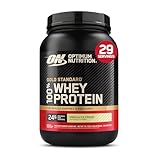
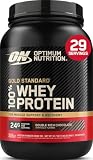
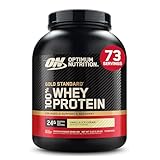
We will cover the best whey proteins for recovery later in this article. Meanwhile, feel free to check out these related products on Amazon:


As an Amazon Associate I earn from qualifying purchases.
Prices and availability are accurate as of November 30, 2026 05:14 and are subject to change.
Introduction to Whey Proteins for Recovery
Whey protein is a popular dietary supplement among athletes and fitness enthusiasts, known for its high-quality protein and numerous health benefits. It is derived from milk, specifically from the liquid part that separates during cheese production. Whey protein is rich in essential amino acids, which are vital for muscle growth and repair. This makes it an ideal supplement for individuals who engage in regular physical activity, as it helps to promote muscle recovery and reduce muscle soreness.
The human body relies on protein to build and repair tissues, including muscles. When we engage in physical activity, our muscles undergo micro-tears, which need to be repaired to promote muscle growth and recovery. Whey protein provides the necessary building blocks for this process, helping to stimulate muscle protein synthesis and reduce muscle breakdown. This is especially important for athletes and individuals who participate in high-intensity or endurance activities, as it helps to improve overall performance and reduce the risk of injury.
In addition to its muscle-building properties, whey protein also has anti-inflammatory effects, which can help to reduce muscle soreness and promote recovery. It is also rich in antioxidants, which help to protect the body against free radicals and oxidative stress. With so many different types of whey protein available, it can be challenging to choose the right one. However, by selecting the best whey proteins for recovery, individuals can ensure they are getting the nutrients they need to support their fitness goals.
Overall, whey protein is a valuable supplement for anyone looking to improve their athletic performance and support muscle recovery. Its high-quality protein and numerous health benefits make it an ideal choice for athletes and fitness enthusiasts. By incorporating whey protein into their diet, individuals can help to promote muscle growth, reduce muscle soreness, and improve overall health and well-being. Whether you’re a professional athlete or just starting out on your fitness journey, whey protein is definitely worth considering as a valuable addition to your supplement routine.
Top 5 Best Whey Proteins For Recovery
1. Optimum Nutrition Gold Standard 100% Whey
Optimum Nutrition Gold Standard 100% Whey is one of the most popular whey proteins on the market, and for good reason. It contains 24 grams of protein per serving, which can help to promote muscle growth and recovery after a workout. The protein is also highly bioavailable, meaning that it can be easily absorbed by the body. This makes it an ideal choice for athletes and bodybuilders who need a quick and effective way to recover from intense exercise.
In addition to its high protein content, Optimum Nutrition Gold Standard 100% Whey also contains a number of other nutrients that can help to support muscle recovery. These include branched-chain amino acids (BCAAs), which can help to reduce muscle soreness and fatigue. The product is also low in fat and sugar, making it a great choice for those who are watching their diet. Overall, Optimum Nutrition Gold Standard 100% Whey is a high-quality protein supplement that can help to support muscle recovery and growth.
2. BSN Syntha-6 Edge
BSN Syntha-6 Edge is a premium whey protein supplement that is designed to support muscle recovery and growth. It contains a blend of whey protein isolate, whey protein concentrate, and milk protein, which provides a sustained release of amino acids to the muscles. This can help to promote muscle growth and recovery over a longer period of time. The product also contains a number of other nutrients, including BCAAs and glutamine, which can help to reduce muscle soreness and fatigue.
In addition to its high-quality protein blend, BSN Syntha-6 Edge also contains a number of other ingredients that can help to support muscle recovery. These include a blend of vitamins and minerals, which can help to support immune function and overall health. The product is also low in fat and sugar, making it a great choice for those who are watching their diet. Overall, BSN Syntha-6 Edge is a high-quality protein supplement that can help to support muscle recovery and growth, making it an ideal choice for athletes and bodybuilders.
3. MusclePharm Combat Powder
MusclePharm Combat Powder is a high-quality whey protein supplement that is designed to support muscle recovery and growth. It contains a blend of whey protein isolate, whey protein concentrate, and egg protein, which provides a fast and sustained release of amino acids to the muscles. This can help to promote muscle growth and recovery after a workout. The product also contains a number of other nutrients, including BCAAs and glutamine, which can help to reduce muscle soreness and fatigue.
In addition to its high-quality protein blend, MusclePharm Combat Powder also contains a number of other ingredients that can help to support muscle recovery. These include a blend of vitamins and minerals, which can help to support immune function and overall health. The product is also low in fat and sugar, making it a great choice for those who are watching their diet. Overall, MusclePharm Combat Powder is a high-quality protein supplement that can help to support muscle recovery and growth, making it an ideal choice for athletes and bodybuilders.
4. NOW Sports Peptopro
NOW Sports Peptopro is a high-quality whey protein supplement that is designed to support muscle recovery and growth. It contains a blend of whey protein peptides, which are easily absorbed by the body and can help to promote muscle growth and recovery. The product also contains a number of other nutrients, including BCAAs and glutamine, which can help to reduce muscle soreness and fatigue. This makes it an ideal choice for athletes and bodybuilders who need a quick and effective way to recover from intense exercise.
In addition to its high-quality protein blend, NOW Sports Peptopro also contains a number of other ingredients that can help to support muscle recovery. These include a blend of vitamins and minerals, which can help to support immune function and overall health. The product is also low in fat and sugar, making it a great choice for those who are watching their diet. Overall, NOW Sports Peptopro is a high-quality protein supplement that can help to support muscle recovery and growth, making it an ideal choice for athletes and bodybuilders who need a fast and effective way to recover from intense exercise.
5. Dymatize ISO100
Dymatize ISO100 is a high-quality whey protein supplement that is designed to support muscle recovery and growth. It contains 25 grams of protein per serving, which can help to promote muscle growth and recovery after a workout. The protein is also highly bioavailable, meaning that it can be easily absorbed by the body. This makes it an ideal choice for athletes and bodybuilders who need a quick and effective way to recover from intense exercise. The product also contains a number of other nutrients, including BCAAs and glutamine, which can help to reduce muscle soreness and fatigue.
In addition to its high-quality protein blend, Dymatize ISO100 also contains a number of other ingredients that can help to support muscle recovery. These include a blend of vitamins and minerals, which can help to support immune function and overall health. The product is also low in fat and sugar, making it a great choice for those who are watching their diet. Overall, Dymatize ISO100 is a high-quality protein supplement that can help to support muscle recovery and growth, making it an ideal choice for athletes and bodybuilders who need a fast and effective way to recover from intense exercise.
Why Whey Proteins are Essential for Recovery
The human body is capable of performing various physical activities, but it also requires adequate rest and nutrition to recover from the strain. When engaging in strenuous exercises or sports, the muscles undergo micro-tears, which need to be repaired for optimal functioning. This is where the role of proteins comes into play, as they provide the necessary building blocks for muscle repair and growth. Among the various types of proteins available, whey proteins have been found to be particularly effective in supporting the recovery process.
Whey proteins are a type of protein derived from milk, known for their high quality and rapid absorption rate. They contain all the essential amino acids required by the body, including branched-chain amino acids (BCAAs) such as leucine, isoleucine, and valine. These amino acids play a crucial role in muscle recovery, as they help to reduce muscle soreness, promote muscle growth, and support the overall repair process. Furthermore, whey proteins are also rich in glutamine, an amino acid that helps to support the immune system and reduce muscle damage.
The benefits of whey proteins for recovery are numerous, and they have become a staple supplement among athletes and fitness enthusiasts. When consumed after a workout, whey proteins help to stimulate muscle protein synthesis, which is essential for muscle growth and repair. They also help to reduce muscle soreness and inflammation, allowing individuals to recover faster and get back to their training routine. For those looking to optimize their recovery, it is essential to choose the best whey proteins for recovery, as they can make a significant difference in the overall outcome.
In addition to their role in muscle recovery, whey proteins also offer several other benefits, including weight management and improved overall health. They are low in calories and rich in nutrients, making them an excellent addition to a healthy diet. Moreover, whey proteins are also convenient to consume, as they come in various forms, including powders, bars, and ready-to-drink shakes. Overall, incorporating whey proteins into one’s diet can have a significant impact on overall health and fitness, and they are an essential component of any recovery regimen.
Benefits of Whey Protein for Athletes and Bodybuilders
Whey protein is a popular supplement among athletes and bodybuilders due to its high-quality protein content and ability to aid in muscle recovery. After a intense workout, muscles are damaged and need to be repaired. Whey protein provides the necessary building blocks for muscle repair and growth. It is rich in essential amino acids, which are vital for muscle protein synthesis. Additionally, whey protein has been shown to reduce muscle soreness and improve recovery time.
The benefits of whey protein for athletes and bodybuilders are numerous. It can help to increase muscle mass and strength, improve endurance, and enhance overall performance. Whey protein is also low in lactose and fat, making it an ideal supplement for those who are lactose intolerant or watching their diet. Furthermore, whey protein is easily absorbed by the body, making it a convenient and effective way to get the necessary protein after a workout.
In addition to its physical benefits, whey protein can also have a positive impact on mental health. Exercise and physical activity can be stressful on the body, and whey protein can help to reduce stress and anxiety. It contains a number of amino acids, including tryptophan, which is converted into serotonin in the brain. Serotonin is a neurotransmitter that helps to regulate mood and reduce stress.
Overall, whey protein is a valuable supplement for athletes and bodybuilders. Its high-quality protein content, ability to aid in muscle recovery, and numerous physical and mental health benefits make it an ideal choice for those looking to improve their performance and overall health. Whether you are a professional athlete or just starting out with exercise, whey protein can be a useful addition to your supplement routine.
Types of Whey Protein and Their Differences
There are several types of whey protein, each with its own unique characteristics and benefits. The most common types of whey protein are whey protein concentrate, whey protein isolate, and whey protein hydrolysate. Whey protein concentrate is the most common and least expensive type of whey protein. It is made by filtering whey protein to remove excess fat and lactose, resulting in a protein content of around 70-80%.
Whey protein isolate, on the other hand, is made by further filtering whey protein concentrate to remove even more fat and lactose. This results in a protein content of around 90-95%, making it a more pure and concentrated form of whey protein. Whey protein hydrolysate is made by breaking down whey protein into smaller peptides, which can be easier to absorb by the body. This type of whey protein is often used by athletes and bodybuilders who require a fast and efficient source of protein.
The differences between these types of whey protein can have a significant impact on their effectiveness and suitability for different individuals. For example, whey protein concentrate may be more suitable for those who are looking for a more affordable and convenient source of protein. On the other hand, whey protein isolate may be more suitable for those who require a more pure and concentrated form of protein.
In addition to these types of whey protein, there are also other factors to consider, such as the source of the whey protein and the manufacturing process. Grass-fed whey protein, for example, is made from the milk of grass-fed cows and may be considered a more natural and sustainable option. Overall, the type of whey protein that is best for you will depend on your individual needs and preferences.
How to Choose the Best Whey Protein for Your Needs
Choosing the best whey protein for your needs can be a daunting task, especially with so many different types and brands available. One of the most important factors to consider is the protein content of the whey protein. Look for a whey protein that contains a high percentage of protein, preferably 80% or higher. You should also consider the source of the whey protein, as well as the manufacturing process.
Another important factor to consider is the additives and ingredients used in the whey protein. Some whey proteins may contain artificial flavors, sweeteners, or other additives that can be detrimental to your health. Look for a whey protein that is made with natural ingredients and does not contain any unnecessary additives. Additionally, consider the price of the whey protein and whether it fits within your budget.
It is also important to read reviews and do research on the brand and type of whey protein you are considering. Look for reviews from other customers who have used the product and pay attention to their feedback and experiences. You can also consult with a healthcare professional or registered dietitian to get their recommendation on the best whey protein for your needs.
Ultimately, the best whey protein for you will depend on your individual needs and preferences. By considering the protein content, source, manufacturing process, additives, and price, you can make an informed decision and choose a whey protein that meets your needs and helps you achieve your fitness goals.
Common Mistakes to Avoid When Using Whey Protein
When using whey protein, there are several common mistakes to avoid in order to get the most out of your supplement routine. One of the most common mistakes is not following the recommended dosage. Taking too much whey protein can be wasteful and expensive, while taking too little may not provide the desired benefits. Be sure to follow the recommended dosage on the label and adjust as needed.
Another common mistake is not combining whey protein with other nutrients. Whey protein is most effective when combined with other nutrients, such as carbohydrates and healthy fats. This can help to enhance absorption and provide a more balanced source of nutrition. Additionally, be sure to stay hydrated when using whey protein, as it can be dehydrating if not enough water is consumed.
It is also important to avoid using whey protein as a replacement for whole foods. While whey protein can be a convenient and effective supplement, it should not be used as a replacement for whole foods. Whole foods provide a range of essential nutrients, including vitamins, minerals, and fiber, that are important for overall health and well-being. By combining whey protein with a balanced diet, you can get the most out of your supplement routine and achieve your fitness goals.
Overall, by avoiding these common mistakes, you can get the most out of your whey protein supplement routine and achieve your fitness goals. Remember to follow the recommended dosage, combine whey protein with other nutrients, stay hydrated, and avoid using whey protein as a replacement for whole foods. With a little practice and patience, you can use whey protein to enhance your fitness routine and achieve optimal results.
Ultimate Buying Guide for Whey Proteins
When it comes to choosing the right whey protein supplement, there are numerous options available in the market, making it a daunting task for consumers to make an informed decision. With the rise of fitness and health consciousness, the demand for whey protein supplements has increased significantly, and manufacturers are offering a wide range of products with varying features and benefits. In this buying guide, we will discuss the key factors to consider when buying whey proteins for optimal recovery and muscle growth.
Protein Source and Quality
The protein source and quality are crucial factors to consider when buying whey protein supplements. Look for products that are made from high-quality protein sources, such as grass-fed cows or hormone-free milk. These sources provide a more natural and cleaner protein that is easier to digest and absorb. The quality of the protein can significantly impact the effectiveness of the supplement, and high-quality protein sources can help to promote faster recovery and muscle growth.
The protein source and quality can also impact the taste and texture of the supplement. For example, whey protein isolates are generally considered to be of higher quality than whey protein concentrates, but they can be more expensive. On the other hand, whey protein concentrates can be more affordable, but they may contain more lactose and fat. When choosing a whey protein supplement, consider your dietary needs and preferences, and look for products that are made from high-quality protein sources that align with your goals.
Protein Concentration and Content
The protein concentration and content are also essential factors to consider when buying whey protein supplements. Look for products that have a high protein concentration, typically above 80%, and low levels of fat, carbohydrates, and lactose. A higher protein concentration can help to promote faster recovery and muscle growth, while lower levels of fat and carbohydrates can help to support weight loss and overall health. Additionally, consider the type of protein used, such as whey protein isolate, concentrate, or hydrolysate, and choose a product that aligns with your dietary needs and preferences.
When evaluating the protein concentration and content, also consider the serving size and the number of scoops per container. A larger serving size may provide more protein per serving, but it can also increase the cost and calorie intake. On the other hand, a smaller serving size may be more affordable, but it can also provide less protein per serving. Consider your daily protein needs and choose a product that provides the right amount of protein to support your fitness goals. Furthermore, look for products that are certified by third-party organizations, such as NSF International or Informed-Choice, to ensure that the product meets high standards of quality and purity.
Additives and Sweeteners
The additives and sweeteners used in whey protein supplements can also impact their effectiveness and safety. Some products may contain artificial flavors, sweeteners, and colors, which can be detrimental to overall health. Look for products that use natural additives and sweeteners, such as stevia or monk fruit, and avoid products that contain artificial ingredients. Additionally, consider the type of thickeners and emulsifiers used, such as xanthan gum or soy lecithin, and choose products that use natural and safe ingredients.
When evaluating the additives and sweeteners, also consider the potential allergens and intolerances. Some products may contain common allergens, such as milk, eggs, or soy, which can be problematic for individuals with sensitivities. Look for products that are labeled as hypoallergenic or allergen-friendly, and choose products that are made in facilities that follow good manufacturing practices (GMPs). Furthermore, consider the environmental impact of the product, such as the packaging and sourcing of ingredients, and choose products that are sustainable and eco-friendly.
Brand Reputation and Transparency
The brand reputation and transparency are critical factors to consider when buying whey protein supplements. Look for brands that have a strong reputation for quality and purity, and choose products that are transparent about their ingredients and manufacturing processes. Consider the brand’s history, mission, and values, and choose products that align with your dietary needs and preferences. Additionally, look for brands that provide clear labeling and certification, such as NSF International or Informed-Choice, to ensure that the product meets high standards of quality and purity.
When evaluating the brand reputation and transparency, also consider the customer reviews and ratings. Look for products that have a high rating and positive reviews from customers, and choose products that are recommended by fitness professionals and athletes. Furthermore, consider the brand’s commitment to research and development, and choose products that are backed by scientific evidence and clinical trials. The best whey proteins for recovery are those that are made by reputable brands that prioritize quality, purity, and transparency, and that provide clear and accurate labeling and certification.
Price and Value
The price and value of whey protein supplements can vary significantly, and it’s essential to consider the cost per serving and the overall value of the product. Look for products that provide a high-quality protein source, natural additives, and transparent labeling at a competitive price. Consider the serving size, the number of scoops per container, and the cost per serving, and choose products that provide the best value for your money. Additionally, consider the brand’s reputation, customer service, and return policy, and choose products that are backed by a satisfaction guarantee.
When evaluating the price and value, also consider the potential discounts and promotions. Look for products that offer discounts for bulk purchases, subscriptions, or loyalty programs, and choose products that provide a free trial or sample. Furthermore, consider the product’s shelf life and expiration date, and choose products that have a long shelf life and can be stored safely. By considering the price and value, you can make an informed decision and choose a product that meets your dietary needs and preferences while providing the best value for your money.
Certifications and Compliance
The certifications and compliance of whey protein supplements are essential factors to consider when buying a product. Look for products that are certified by third-party organizations, such as NSF International or Informed-Choice, and choose products that comply with regulatory standards, such as FDA or EU regulations. Consider the product’s labeling and claims, and choose products that are transparent and accurate about their ingredients and benefits. Additionally, look for products that are manufactured in facilities that follow good manufacturing practices (GMPs) and that have a strong quality control process in place.
When evaluating the certifications and compliance, also consider the product’s testing and verification. Look for products that have been tested for purity, potency, and contaminants, and choose products that have been verified by third-party organizations. Furthermore, consider the product’s environmental impact, such as the packaging and sourcing of ingredients, and choose products that are sustainable and eco-friendly. By considering the certifications and compliance, you can ensure that the product meets high standards of quality and purity, and that it is safe and effective for consumption.
FAQ
What is whey protein and how does it aid in recovery?
Whey protein is a type of protein that is derived from milk, specifically during the cheese production process. It is considered a complete protein, meaning that it contains all nine essential amino acids that the human body cannot produce on its own. Whey protein is absorbed by the body quickly, making it an ideal choice for post-workout recovery. After a strenuous workout, the muscles are damaged and need to be repaired. Whey protein provides the necessary building blocks for muscle repair and growth.
The amino acids present in whey protein, particularly branched-chain amino acids (BCAAs), help to reduce muscle soreness and fatigue. They also promote the synthesis of new muscle proteins, which is essential for muscle growth and recovery. Additionally, whey protein has been shown to have anti-inflammatory properties, which can help to reduce muscle damage and promote recovery. Overall, whey protein is an effective supplement for aiding in recovery after a workout, and it is widely used by athletes and fitness enthusiasts.
What are the different types of whey protein?
There are several types of whey protein, including whey protein concentrate, whey protein isolate, and whey protein hydrolysate. Whey protein concentrate is the most common type of whey protein and is made by filtering whey to remove excess fat and lactose. Whey protein isolate is a more purified form of whey protein, made by removing even more fat and lactose through microfiltration or ultrafiltration. Whey protein hydrolysate is a type of whey protein that has been broken down into smaller peptides, making it easier to absorb.
The choice of whey protein type depends on individual preferences and needs. Whey protein concentrate is a good choice for those who want a more affordable option, while whey protein isolate is a better choice for those who want a more purified form of protein. Whey protein hydrolysate is a good choice for those who have trouble absorbing protein or who want a faster-acting protein. It’s also worth noting that some whey protein products may be blended with other types of protein, such as casein or egg protein, to create a unique formula.
How much whey protein should I take after a workout?
The amount of whey protein to take after a workout depends on individual needs and goals. Generally, it is recommended to take 20-30 grams of whey protein within 30-60 minutes after a workout. This amount can help to promote muscle recovery and growth. However, some research suggests that taking more protein, up to 40 grams, may be even more effective for promoting muscle growth.
It’s also important to consider the timing of whey protein intake. Taking whey protein immediately after a workout, when the muscles are most receptive to nutrient uptake, can help to promote recovery and growth. Additionally, taking whey protein before bedtime can help to promote muscle recovery during sleep. It’s also worth noting that individual protein needs may vary depending on factors such as body weight, activity level, and fitness goals. It’s always a good idea to consult with a healthcare professional or registered dietitian to determine the best protein intake for your individual needs.
Can I take whey protein if I am lactose intolerant?
Whey protein is derived from milk, which contains lactose, a sugar that can be difficult for some people to digest. However, most whey protein products have had the lactose removed during the manufacturing process, making them suitable for those who are lactose intolerant. Additionally, some whey protein products are made from milk that has been treated with lactase, an enzyme that breaks down lactose.
If you are lactose intolerant, it’s still possible to take whey protein, but you may need to choose a product that is specifically labeled as “lactose-free” or “low-lactose.” You may also want to start with a small dose to test your tolerance. Some people may still experience digestive issues, such as bloating or gas, after taking whey protein. If this occurs, you may want to consider alternative protein sources, such as pea or rice protein. It’s always a good idea to consult with a healthcare professional or registered dietitian to determine the best protein source for your individual needs.
Are there any side effects of taking whey protein?
Whey protein is generally considered safe and well-tolerated. However, some people may experience side effects, such as digestive issues, bloating, or gas. These side effects are usually mild and temporary, but they can be uncomfortable. Additionally, some people may be allergic to whey protein, which can cause more severe symptoms, such as hives, itching, or difficulty breathing.
To minimize the risk of side effects, it’s a good idea to start with a small dose and gradually increase as needed. It’s also important to choose a high-quality whey protein product from a reputable manufacturer. Some whey protein products may contain additives or sweeteners that can cause side effects, so it’s a good idea to read labels carefully. If you experience any side effects, you should discontinue use and consult with a healthcare professional or registered dietitian for advice.
Can I take whey protein if I am a vegetarian or vegan?
Whey protein is derived from animal milk, making it unsuitable for those who follow a vegan diet. However, there are many plant-based protein sources that can provide similar benefits to whey protein. Some popular options include pea protein, rice protein, and hemp protein. These proteins can be used as a substitute for whey protein in smoothies, shakes, and other recipes.
If you are a vegetarian who consumes dairy products, you may still be able to take whey protein. However, you should choose a product that is made from milk that has been produced using humane and sustainable farming practices. Some whey protein products may also be certified as “vegetarian-friendly” or “cruelty-free.” It’s always a good idea to read labels carefully and consult with a healthcare professional or registered dietitian to determine the best protein source for your individual needs and dietary preferences.
How do I choose the best whey protein product for my needs?
Choosing the best whey protein product can be overwhelming, with so many options available on the market. To make the best choice, consider your individual needs and goals. Think about your fitness goals, dietary preferences, and any allergies or sensitivities you may have. You should also consider the protein content, ingredient list, and manufacturing process of the product.
When evaluating whey protein products, look for a product that is made from high-quality protein sources, has minimal additives and sweeteners, and is manufactured by a reputable company. You should also read reviews and consult with a healthcare professional or registered dietitian to get a better understanding of the product and its potential benefits. Additionally, consider the cost and value of the product, as well as any certifications or labels that may be important to you, such as “non-GMO” or “gluten-free.”
Final Thoughts
In conclusion, the importance of proper recovery after a workout cannot be overstated, and the right supplements can make all the difference. A well-chosen protein powder can help to repair and rebuild muscle tissue, reducing soreness and improving overall performance. With so many options available on the market, it can be difficult to know where to start, but by considering factors such as protein content, additives, and flavor, athletes and fitness enthusiasts can make informed decisions about their supplement routine.
Ultimately, investing in the best whey proteins for recovery is a crucial step in achieving fitness goals and maintaining overall health. By selecting a high-quality protein powder that meets individual needs and preferences, individuals can optimize their recovery and take their workouts to the next level. Whether you’re a professional athlete or just starting out on your fitness journey, the right protein supplement can help you to achieve your goals and feel your best. With the right knowledge and resources, anyone can unlock the full potential of their workouts and achieve a stronger, healthier body.