As the world becomes increasingly aware of the importance of sustainable living, many gardeners and farmers are turning to eco-friendly alternatives for their gardening needs. One crucial aspect of this shift is the use of organic fertilizers, which provide a safer and more environmentally friendly way to promote plant growth and development. Unlike synthetic fertilizers, organic options work in harmony with nature, enriching the soil and supporting the local ecosystem. By choosing the right organic fertilizer, individuals can create a thriving garden that not only produces healthy and delicious crops but also contributes to a healthier planet.
For those looking to make the switch to organic gardening, selecting the best natural organic fertilizers can be a daunting task. With numerous options available on the market, it can be challenging to determine which products are truly effective and safe for use. In this article, we will delve into the world of organic fertilizers, exploring the different types, benefits, and key considerations for selecting the perfect product for your gardening needs. Whether you are a seasoned gardener or just starting out, this comprehensive guide will provide you with the knowledge and insights necessary to make informed decisions and create a lush, vibrant garden that flourishes with the help of the best natural organic fertilizers.
We will cover the best natural organic fertilizers later in this article. Meanwhile, feel free to check out these related products on Amazon:



As an Amazon Associate I earn from qualifying purchases.
Prices and availability are accurate as of November 30, 2026 01:26 and are subject to change.
Natural Organic Fertilizers Overview
Natural organic fertilizers are derived from living organisms or their by-products, offering a sustainable alternative to synthetic fertilizers. These fertilizers work by releasing nutrients into the soil as they break down, promoting healthy plant growth and improving soil structure. This approach to fertilization not only enhances crop yields but also supports ecosystem balance and biodiversity.
The use of natural organic fertilizers has gained popularity due to their environmental benefits and the growing demand for organic produce. Unlike synthetic fertilizers, organic fertilizers do not contain harsh chemicals that can pollute waterways and harm wildlife. Instead, they rely on natural processes to deliver essential nutrients to plants, making them a safer choice for both consumers and the environment.
When exploring the best natural organic fertilizers, it’s essential to consider the specific needs of your plants and soil type. Different organic fertilizers offer varying levels of nutrients, such as nitrogen, phosphorus, and potassium, which are crucial for plant development. By selecting the right organic fertilizer, gardeners and farmers can create a nutrient-rich soil environment that supports healthy plant growth and maximizes yields.
By adopting the use of best natural organic fertilizers, individuals can contribute to a more sustainable food system and reduce their environmental footprint. Organic fertilizers can be made from a variety of materials, including compost, manure, and green manure, offering a range of options for different gardening and farming practices. As the demand for sustainable and eco-friendly products continues to grow, natural organic fertilizers are likely to play an increasingly important role in shaping the future of agriculture and gardening.
Best Natural Organic Fertilizers – Reviews
1. E.B. Stone Organics Bloom! 5-3-4 Fertilizer
E.B. Stone Organics Bloom! 5-3-4 Fertilizer is a highly effective and popular choice among gardeners. This fertilizer is made from a blend of natural ingredients, including bone meal, alfalfa meal, and feather meal, which provide a slow release of nutrients to plants. It is specifically designed to promote blooming and fruiting in plants, making it an excellent choice for gardeners who want to see an abundance of flowers and fruit in their gardens.
The benefits of using E.B. Stone Organics Bloom! 5-3-4 Fertilizer are numerous. Not only does it promote healthy plant growth and blooming, but it also helps to improve soil structure and fertility. This fertilizer is also free from synthetic chemicals and artificial additives, making it a safe choice for gardeners who want to avoid exposing their plants and the environment to harmful substances. With its excellent nutrient profile and natural ingredients, E.B. Stone Organics Bloom! 5-3-4 Fertilizer is an excellent choice for gardeners who want to grow healthy and thriving plants.
2. Miracle-Gro Organic Choice All Purpose Plant Food 5-3-4
Miracle-Gro Organic Choice All Purpose Plant Food 5-3-4 is a reliable and effective fertilizer that is made from natural and organic ingredients. This fertilizer is designed to provide plants with a balanced diet of nutrients, including nitrogen, phosphorus, and potassium, which are essential for healthy growth and development. It is also free from synthetic chemicals and artificial additives, making it a safe choice for gardeners who want to avoid exposing their plants and the environment to harmful substances.
One of the benefits of using Miracle-Gro Organic Choice All Purpose Plant Food 5-3-4 is that it is easy to use and apply. The fertilizer comes in a convenient granular form that can be easily sprinkled around plants, and it can be used on a variety of plants, including flowers, vegetables, and trees. Additionally, this fertilizer is made from a blend of natural ingredients, including bone meal, alfalfa meal, and feather meal, which provide a slow release of nutrients to plants. This makes it an excellent choice for gardeners who want to provide their plants with a steady supply of nutrients over time.
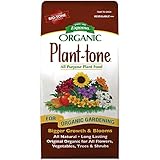
3. Espoma Organic 4-3-4 Plant Tone Fertilizer
Espoma Organic 4-3-4 Plant Tone Fertilizer is a high-quality fertilizer that is made from a blend of natural and organic ingredients. This fertilizer is designed to provide plants with a balanced diet of nutrients, including nitrogen, phosphorus, and potassium, which are essential for healthy growth and development. It is also free from synthetic chemicals and artificial additives, making it a safe choice for gardeners who want to avoid exposing their plants and the environment to harmful substances.
The benefits of using Espoma Organic 4-3-4 Plant Tone Fertilizer are numerous. Not only does it promote healthy plant growth and development, but it also helps to improve soil structure and fertility. This fertilizer is also made from a blend of natural ingredients, including bone meal, alfalfa meal, and feather meal, which provide a slow release of nutrients to plants. Additionally, Espoma Organic 4-3-4 Plant Tone Fertilizer is a versatile fertilizer that can be used on a variety of plants, including flowers, vegetables, and trees, making it an excellent choice for gardeners who want to fertilize their entire garden with a single product.
4. Scotts Osmocote 14-14-14 Professional Plant Food
Scotts Osmocote 14-14-14 Professional Plant Food is a highly effective and long-lasting fertilizer that is made from a blend of natural and organic ingredients. This fertilizer is designed to provide plants with a balanced diet of nutrients, including nitrogen, phosphorus, and potassium, which are essential for healthy growth and development. It is also free from synthetic chemicals and artificial additives, making it a safe choice for gardeners who want to avoid exposing their plants and the environment to harmful substances.
One of the benefits of using Scotts Osmocote 14-14-14 Professional Plant Food is that it provides a long-lasting supply of nutrients to plants. This fertilizer is made with a unique formula that releases nutrients slowly over time, providing plants with a steady supply of nutrients for up to 4 months. Additionally, Scotts Osmocote 14-14-14 Professional Plant Food is a versatile fertilizer that can be used on a variety of plants, including flowers, vegetables, and trees, making it an excellent choice for gardeners who want to fertilize their entire garden with a single product. With its excellent nutrient profile and long-lasting formula, Scotts Osmocote 14-14-14 Professional Plant Food is an excellent choice for gardeners who want to grow healthy and thriving plants.
5. Alaska Fish Fertilizer 5-1-1 Concentrated Fish Emulsion
Alaska Fish Fertilizer 5-1-1 Concentrated Fish Emulsion is a highly effective and natural fertilizer that is made from a blend of fish bone meal and fish emulsion. This fertilizer is designed to provide plants with a rich source of nutrients, including nitrogen, phosphorus, and potassium, which are essential for healthy growth and development. It is also free from synthetic chemicals and artificial additives, making it a safe choice for gardeners who want to avoid exposing their plants and the environment to harmful substances.
The benefits of using Alaska Fish Fertilizer 5-1-1 Concentrated Fish Emulsion are numerous. Not only does it promote healthy plant growth and development, but it also helps to improve soil structure and fertility. This fertilizer is also made from a natural and sustainable source, making it an excellent choice for gardeners who want to reduce their environmental impact. Additionally, Alaska Fish Fertilizer 5-1-1 Concentrated Fish Emulsion is a versatile fertilizer that can be used on a variety of plants, including flowers, vegetables, and trees, making it an excellent choice for gardeners who want to fertilize their entire garden with a single product. With its excellent nutrient profile and natural ingredients, Alaska Fish Fertilizer 5-1-1 Concentrated Fish Emulsion is an excellent choice for gardeners who want to grow healthy and thriving plants.
Why People Need to Buy Natural Organic Fertilizers
The use of chemical-based fertilizers has been a common practice in agriculture for many years. However, the negative impact of these fertilizers on the environment and human health has become a major concern. Chemical fertilizers can contaminate soil, water, and air, and have been linked to various health problems. As a result, people are now looking for alternative and more sustainable ways to fertilize their plants. Natural organic fertilizers have emerged as a popular choice, offering a safer and more environmentally friendly option.
Natural organic fertilizers are made from natural materials such as animal waste, compost, and plant residues. These fertilizers work by releasing nutrients slowly into the soil, promoting healthy plant growth and improving soil structure. Unlike chemical fertilizers, natural organic fertilizers do not harm the environment or human health. They also help to support biodiversity, as they provide a food source for beneficial microorganisms in the soil. By using natural organic fertilizers, people can create a healthier and more sustainable gardening practice.
The benefits of using natural organic fertilizers are numerous. They can improve soil fertility, increase crop yields, and reduce the need for pesticides and other chemicals. Natural organic fertilizers can also help to mitigate climate change by reducing greenhouse gas emissions and promoting carbon sequestration. Furthermore, they can help to conserve water, as they promote healthy soil structure and improve water retention. With so many benefits, it’s no wonder that people are turning to natural organic fertilizers as a better alternative to chemical-based fertilizers.
When it comes to choosing the right fertilizer, it’s essential to select the best natural organic fertilizers that are free from synthetic additives and other harmful chemicals. By making this choice, people can create a healthier and more sustainable gardening practice that benefits both the environment and human health. With natural organic fertilizers, people can enjoy a bountiful harvest while also promoting environmental sustainability and reducing their carbon footprint. By adopting this approach, people can contribute to a healthier and more sustainable food system, and help to create a better future for generations to come.
Benefits of Using Natural Organic Fertilizers
Natural organic fertilizers offer numerous benefits to plants, soil, and the environment. They are made from natural materials such as animal waste, plant waste, and minerals, which are rich in nutrients and microorganisms. These fertilizers help to improve soil structure, increase crop yields, and promote healthy plant growth. Additionally, natural organic fertilizers are environmentally friendly and do not pollute the soil, air, or water.
The use of natural organic fertilizers also helps to support biodiversity and ecosystem services. They provide a food source for beneficial microorganisms in the soil, which helps to break down organic matter and fight plant diseases. Natural organic fertilizers also help to sequester carbon in the soil, which can help to mitigate climate change. Furthermore, they are a cost-effective and sustainable alternative to synthetic fertilizers, which can be expensive and harmful to the environment.
Natural organic fertilizers are also better for human health. They do not contain toxic chemicals or heavy metals, which can be found in synthetic fertilizers. These toxic substances can contaminate soil, water, and air, and pose a risk to human health. Natural organic fertilizers are also a better choice for organic farming and gardening, as they meet the standards for organic certification.
In addition to the benefits mentioned above, natural organic fertilizers can also help to improve soil fertility and structure. They add organic matter to the soil, which helps to improve its water-holding capacity, aeration, and drainage. This can help to reduce soil erosion, increase crop yields, and promote healthy plant growth. Overall, natural organic fertilizers are a better choice for plants, soil, and the environment, and can help to promote sustainable and environmentally friendly farming and gardening practices.
Types of Natural Organic Fertilizers
There are several types of natural organic fertilizers available, each with its own unique characteristics and benefits. Compost is one of the most popular types of natural organic fertilizers, and is made from decomposed plant and animal waste. It is rich in nutrients and microorganisms, and helps to improve soil structure and fertility. Manure is another type of natural organic fertilizer, and is made from animal waste. It is high in nitrogen, phosphorus, and potassium, and helps to promote healthy plant growth.
Green sand is a type of natural organic fertilizer that is made from the mineral glauconite. It is rich in potassium and other micronutrients, and helps to improve soil fertility and structure. Alfalfa meal is a type of natural organic fertilizer that is made from the dried and ground leaves of the alfalfa plant. It is high in nitrogen, phosphorus, and potassium, and helps to promote healthy plant growth. Fish bone meal is a type of natural organic fertilizer that is made from the ground bones of fish. It is high in phosphorus and other micronutrients, and helps to promote healthy plant growth.
Other types of natural organic fertilizers include bone meal, feather meal, and blood meal. These fertilizers are made from animal by-products and are high in nitrogen, phosphorus, and potassium. They help to promote healthy plant growth and improve soil fertility and structure. Natural organic fertilizers can also be made from plant-based materials such as soybean meal, cottonseed meal, and canola meal. These fertilizers are high in nitrogen, phosphorus, and potassium, and help to promote healthy plant growth.
In addition to the types of natural organic fertilizers mentioned above, there are also several other types available. These include worm castings, which are made from the waste of worms, and are high in nutrients and microorganisms. Kelp meal is another type of natural organic fertilizer, and is made from the dried and ground seaweed. It is high in micronutrients and helps to improve soil fertility and structure. Overall, there are many types of natural organic fertilizers available, each with its own unique characteristics and benefits.
How to Make Your Own Natural Organic Fertilizers
Making your own natural organic fertilizers can be a fun and rewarding experience. One of the easiest ways to make your own natural organic fertilizer is to start a compost pile. To do this, simply collect plant and animal waste, such as food scraps, leaves, and grass clippings, and place them in a pile. Over time, the waste will decompose and turn into a nutrient-rich fertilizer. You can also add other materials to your compost pile, such as manure, blood meal, and bone meal, to increase its nutrient content.
Another way to make your own natural organic fertilizer is to make a worm composting system. This involves adding worms to a bin or container filled with plant and animal waste, and allowing them to break down the waste into a nutrient-rich fertilizer. You can also make your own natural organic fertilizer by collecting and drying plant materials, such as alfalfa or kelp, and grinding them into a meal. This meal can be used as a fertilizer to promote healthy plant growth.
To make a liquid natural organic fertilizer, you can steep plant materials, such as comfrey or nettle, in water. This will create a nutrient-rich liquid that can be used as a fertilizer. You can also make a natural organic fertilizer by collecting and fermenting plant materials, such as manure or food scraps. This will create a nutrient-rich liquid that can be used as a fertilizer. Overall, making your own natural organic fertilizers can be a fun and rewarding experience, and can help to promote sustainable and environmentally friendly farming and gardening practices.
In addition to the methods mentioned above, there are also several other ways to make your own natural organic fertilizers. These include making a fertilizer tea, which involves steeping plant materials in water, and making a natural organic fertilizer by collecting and grinding rock minerals. You can also make your own natural organic fertilizer by collecting and drying animal waste, such as chicken or cow manure, and using it as a fertilizer. Overall, there are many ways to make your own natural organic fertilizers, and the method you choose will depend on your specific needs and resources.
Common Mistakes to Avoid When Using Natural Organic Fertilizers
When using natural organic fertilizers, there are several common mistakes to avoid. One of the most common mistakes is over-fertilizing, which can damage plants and contaminate soil and water. Natural organic fertilizers are often slower-acting than synthetic fertilizers, and may require more frequent applications. However, it is still possible to over-fertilize with natural organic fertilizers, especially if you are using a high-nitrogen fertilizer.
Another common mistake is not following the instructions on the label. Natural organic fertilizers can be more complex and nuanced than synthetic fertilizers, and may require special handling and application. Failing to follow the instructions on the label can result in poor performance, or even damage to plants and soil. It is also important to choose the right type of natural organic fertilizer for your specific needs and soil type. Different natural organic fertilizers have different nutrient profiles and properties, and choosing the wrong one can result in poor performance.
In addition to the mistakes mentioned above, there are also several other common mistakes to avoid when using natural organic fertilizers. These include not testing your soil before applying fertilizer, and not considering the pH and nutrient levels of your soil. Natural organic fertilizers can be more sensitive to soil conditions than synthetic fertilizers, and may require more careful consideration of soil pH and nutrient levels. You should also avoid using natural organic fertilizers that are contaminated with heavy metals or other toxic substances, as these can damage plants and contaminate soil and water.
Overall, using natural organic fertilizers requires a more nuanced and careful approach than using synthetic fertilizers. By avoiding common mistakes and taking the time to choose the right type of fertilizer for your specific needs and soil type, you can get the most out of your natural organic fertilizers and promote healthy and sustainable plant growth. It is also important to remember that natural organic fertilizers are just one part of a larger strategy for promoting sustainable and environmentally friendly farming and gardening practices. By combining natural organic fertilizers with other sustainable practices, such as crop rotation and conservation tillage, you can create a more resilient and sustainable food system.
Buying Guide for Best Natural Organic Fertilizers
When it comes to choosing the right fertilizer for your garden, it can be overwhelming with the numerous options available in the market. With the increasing awareness of the importance of sustainable and eco-friendly practices, many gardeners are opting for natural and organic fertilizers. These types of fertilizers not only promote healthy plant growth but also contribute to a safer and more environmentally friendly gardening experience.
Types of Natural Organic Fertilizers
There are several types of natural organic fertilizers available, each with its own unique characteristics and benefits. Some common types include compost, manure, green sand, and fish emulsion. Compost is a popular choice among gardeners as it is rich in nutrients and can be made at home using kitchen scraps and yard waste. Manure, on the other hand, is a good source of nitrogen and phosphorus, but it may require aging to reduce its odor and pathogen content. Green sand is a slow-release fertilizer that is rich in potassium, while fish emulsion is a liquid fertilizer that is high in nitrogen and phosphorus.
When choosing a type of natural organic fertilizer, it is essential to consider the specific needs of your plants. Different plants have different nutrient requirements, and using the right type of fertilizer can make a significant difference in their growth and health. For example, if you are growing vegetables, you may want to use a fertilizer that is high in nitrogen, such as fish emulsion or manure. On the other hand, if you are growing flowers, you may want to use a fertilizer that is high in phosphorus, such as bone meal or rock phosphate.
Nutrient Content
The nutrient content of a natural organic fertilizer is another critical factor to consider. Natural organic fertilizers typically contain a mix of nitrogen, phosphorus, and potassium, as well as other micronutrients such as calcium, magnesium, and sulfur. The nutrient content of a fertilizer can vary depending on its type and source, so it is essential to check the label or consult with the manufacturer to determine the exact nutrient content. A balanced fertilizer that contains a mix of nitrogen, phosphorus, and potassium is usually a good choice for most plants.
When evaluating the nutrient content of a natural organic fertilizer, it is also essential to consider the nutrient release rate. Some natural organic fertilizers, such as compost and manure, release their nutrients slowly over time, while others, such as fish emulsion and blood meal, release their nutrients quickly. A slow-release fertilizer can provide long-term benefits to plants, while a quick-release fertilizer can provide a rapid boost of nutrients. By choosing a fertilizer with the right nutrient release rate, you can ensure that your plants receive the nutrients they need to grow and thrive.
Source and Quality
The source and quality of a natural organic fertilizer can also impact its effectiveness and safety. Some natural organic fertilizers, such as compost and manure, can be made at home using local materials, while others, such as green sand and rock phosphate, may be sourced from external suppliers. When choosing a natural organic fertilizer, it is essential to consider the source and quality of the materials used to make it. A high-quality fertilizer made from reliable sources can provide better results and minimize the risk of contamination.
When evaluating the source and quality of a natural organic fertilizer, it is also essential to look for certifications such as OMRI (Organic Materials Review Institute) or USDA Organic. These certifications ensure that the fertilizer meets certain standards for organic and sustainable production, and can provide peace of mind for gardeners who are committed to eco-friendly practices. By choosing a certified natural organic fertilizer, you can be confident that you are using a product that is not only effective but also safe and sustainable.
Application Rate and Method
The application rate and method of a natural organic fertilizer can also impact its effectiveness and safety. Different natural organic fertilizers have different application rates and methods, and using the right amount and method can make a significant difference in the results. For example, some natural organic fertilizers, such as compost and manure, can be applied as a soil amendment, while others, such as fish emulsion and blood meal, can be applied as a foliar spray.
When applying a natural organic fertilizer, it is essential to follow the instructions on the label or consult with the manufacturer to determine the recommended application rate and method. Over-application or under-application of a fertilizer can have negative consequences, such as burning plants or failing to provide adequate nutrients. By following the recommended application rate and method, you can ensure that your plants receive the right amount of nutrients to grow and thrive. Using the best natural organic fertilizers can make a significant difference in the health and productivity of your garden.
Cost and Value
The cost and value of a natural organic fertilizer are also important factors to consider. Natural organic fertilizers can vary significantly in price, depending on their type, source, and quality. Some natural organic fertilizers, such as compost and manure, can be made at home using local materials, while others, such as green sand and rock phosphate, may need to be purchased from external suppliers.
When evaluating the cost and value of a natural organic fertilizer, it is essential to consider the long-term benefits and results. While some natural organic fertilizers may be more expensive than synthetic fertilizers, they can provide long-term benefits such as improved soil health, increased crop yields, and reduced environmental impact. By choosing a natural organic fertilizer that provides good value and results, you can ensure that your gardening efforts are sustainable and effective.
Environmental Impact
The environmental impact of a natural organic fertilizer is also a critical factor to consider. Natural organic fertilizers are generally more environmentally friendly than synthetic fertilizers, as they are made from natural materials and can reduce the risk of pollution and contamination. However, some natural organic fertilizers, such as manure and fish emulsion, can have a significant environmental impact if not used properly.
When evaluating the environmental impact of a natural organic fertilizer, it is essential to consider the production process, packaging, and disposal methods. A natural organic fertilizer that is made using sustainable production methods, minimal packaging, and environmentally friendly disposal methods can minimize its environmental impact and provide a more eco-friendly gardening experience. By choosing a natural organic fertilizer that is environmentally friendly, you can reduce your carbon footprint and contribute to a more sustainable future.
Frequently Asked Questions
What are natural organic fertilizers and how do they work?
Natural organic fertilizers are substances that are derived from living organisms, such as plants, animals, and microorganisms. They work by providing essential nutrients to the soil, which are then absorbed by plants to promote healthy growth and development. These fertilizers can be made from a variety of materials, including compost, manure, and green sand.
The use of natural organic fertilizers has several benefits, including improving soil structure and fertility, increasing crop yields, and reducing the need for synthetic fertilizers. They can also help to support the growth of beneficial microorganisms in the soil, which can help to break down organic matter and make nutrients more available to plants. Additionally, natural organic fertilizers are generally safer for the environment and human health than synthetic fertilizers, which can pollute waterways and contaminate soil and air.
What are the benefits of using natural organic fertilizers?
The benefits of using natural organic fertilizers are numerous and well-documented. One of the main advantages is that they are a more sustainable and environmentally friendly alternative to synthetic fertilizers. Natural organic fertilizers are made from renewable resources and can help to reduce waste and pollution. They can also help to improve soil health and fertility, which can lead to increased crop yields and better plant growth.
Another benefit of using natural organic fertilizers is that they can help to support biodiversity and ecosystem health. By providing a source of nutrients for plants and microorganisms, natural organic fertilizers can help to create a more balanced and resilient ecosystem. They can also help to reduce the need for pesticides and other chemicals, which can harm beneficial insects and other organisms. Overall, the use of natural organic fertilizers is an important step towards creating a more sustainable and environmentally friendly food system.
How do I choose the best natural organic fertilizer for my garden?
Choosing the best natural organic fertilizer for your garden can be a bit overwhelming, given the many options available. One of the first things to consider is the type of plants you are growing and the specific nutrients they require. Different plants have different nutrient needs, so it’s essential to choose a fertilizer that is formulated to meet those needs. You should also consider the soil type and pH level in your garden, as some fertilizers may be more suitable for certain soil conditions.
Another factor to consider is the source and quality of the fertilizer. Look for products that are made from high-quality, organic materials and are free from contaminants and additives. You should also check the label to ensure that the fertilizer is certified by a reputable organization, such as the USDA National Organic Program. Additionally, consider the cost and availability of the fertilizer, as well as any potential environmental impacts. By taking the time to research and compare different options, you can find the best natural organic fertilizer for your garden and enjoy healthy, thriving plants.
Can I make my own natural organic fertilizer at home?
Yes, it is possible to make your own natural organic fertilizer at home. One of the simplest and most effective ways to do this is by composting food waste and other organic materials. Composting involves allowing microorganisms to break down organic matter into a nutrient-rich soil amendment. You can also make fertilizer by collecting and processing animal manure, such as chicken or cow manure, or by using other organic materials like green sand or alfalfa meal.
Making your own natural organic fertilizer at home can be a fun and rewarding experience, and it can also help to reduce waste and save money. However, it’s essential to follow proper composting and processing procedures to ensure that your fertilizer is safe and effective. This may involve investing in a compost bin or other equipment, as well as learning about the best methods for collecting and processing organic materials. With a little practice and patience, you can create a high-quality natural organic fertilizer that will help your plants thrive.
Are natural organic fertilizers safe for pets and children?
Natural organic fertilizers are generally safer for pets and children than synthetic fertilizers, which can contain toxic chemicals and other hazardous substances. However, it’s still essential to exercise caution when using natural organic fertilizers, especially if you have pets or children who spend time in the garden. Some natural organic fertilizers, such as those made from animal manure, can contain pathogens or other microorganisms that can be harmful if ingested.
To minimize the risks associated with natural organic fertilizers, it’s essential to follow proper handling and application procedures. This may involve wearing gloves and other protective clothing when handling the fertilizer, as well as keeping pets and children away from the area where the fertilizer is being applied. You should also follow the instructions on the label carefully and take any necessary precautions to avoid exposure. By taking these precautions, you can help to ensure a safe and healthy environment for everyone in your household.
How long does it take for natural organic fertilizers to work?
The amount of time it takes for natural organic fertilizers to work can vary depending on several factors, including the type of fertilizer, the soil type and condition, and the specific needs of the plants. Some natural organic fertilizers, such as those made from compost or manure, can start to work within a few days or weeks, while others may take several months or even years to produce noticeable results.
The slow release of nutrients from natural organic fertilizers can be beneficial for plants, as it provides a steady supply of nutrients over an extended period. However, it may require some patience and planning to see the full benefits of these fertilizers. To get the most out of natural organic fertilizers, it’s essential to apply them at the right time and in the right amount, and to monitor the soil and plant conditions regularly. With proper use and care, natural organic fertilizers can help to create a thriving and sustainable garden ecosystem.
Can I use natural organic fertilizers in container gardens or indoor plants?
Yes, natural organic fertilizers can be used in container gardens or indoor plants. In fact, these fertilizers can be especially beneficial in container gardens, where the soil volume is limited and nutrients can be quickly depleted. Natural organic fertilizers can help to provide a steady supply of nutrients to plants in containers, and can also help to improve soil structure and fertility.
When using natural organic fertilizers in container gardens or indoor plants, it’s essential to choose a fertilizer that is specifically formulated for use in containers or indoor plants. These fertilizers are often more concentrated and may have a slower release rate to avoid burning the roots of the plants. You should also follow the instructions on the label carefully and take any necessary precautions to avoid over-fertilizing, which can be harmful to plants in containers. By using natural organic fertilizers in container gardens or indoor plants, you can help to create a healthy and thriving environment for your plants to grow.
Verdict
In conclusion, the world of gardening and agriculture is shifting towards a more sustainable and environmentally-friendly approach. As consumers become increasingly aware of the importance of maintaining a healthy ecosystem, the demand for eco-friendly products is on the rise. This trend is particularly evident in the realm of fertilizers, where synthetic chemicals are being replaced by natural and organic alternatives. By opting for these greener options, individuals can not only improve the quality of their soil but also contribute to a more sustainable future.
When it comes to selecting the ideal fertilizer for your garden or farm, it is essential to choose a product that aligns with your values and priorities. The best natural organic fertilizers offer a range of benefits, from enhancing soil fertility to promoting healthy plant growth. By investing in these products, you can create a thriving ecosystem that is free from harmful chemicals and toxins. Whether you are a seasoned gardener or just starting out, incorporating the best natural organic fertilizers into your routine can have a significant impact on the health and productivity of your plants, making it a worthwhile consideration for anyone looking to cultivate a sustainable and bountiful harvest.