For individuals following a ketogenic diet, managing carbohydrate intake is crucial to achieving and maintaining a state of ketosis. One of the most significant challenges keto dieters face is satisfying their sweet tooth without compromising their diet. Traditional sugar is obviously off-limits, but fortunately, there are numerous alternatives available that can provide the sweetness without the carbs. Among these alternatives, artificial sweeteners have gained popularity due to their low or zero-calorie content and ability to mimic the taste of sugar. However, not all artificial sweeteners are created equal, and some may be more suitable for a keto lifestyle than others.
When navigating the world of sugar substitutes, it can be overwhelming to determine which options are safe and effective for keto dieters. With so many products on the market, each with its own set of ingredients and potential effects on the body, making an informed decision can be daunting. That’s why finding the best artificial sweeteners for keto is essential for anyone looking to indulge in sweet treats without kicking themselves out of ketosis. By understanding the different types of artificial sweeteners, their ingredients, and how they impact the body, keto dieters can make informed choices that align with their dietary goals. In this article, we will delve into the world of artificial sweeteners, exploring the top options, their benefits, and what to look for when selecting a sugar substitute that fits within a ketogenic lifestyle.
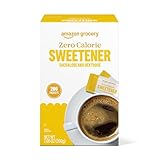
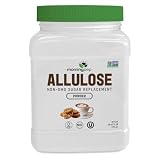
We will cover the best artificial sweeteners for keto later in this article. Meanwhile, feel free to check out these related products on Amazon:



As an Amazon Associate I earn from qualifying purchases.
Prices and availability are accurate as of November 28, 2026 12:10 and are subject to change.
Introduction to Artificial Sweeteners for Keto
Artificial sweeteners have become a popular choice for individuals following a ketogenic diet, as they provide a low-calorie alternative to sugar without affecting blood sugar levels. The ketogenic diet is a high-fat, low-carbohydrate diet that aims to put the body into a state of ketosis, where it burns fat for energy instead of carbohydrates. Artificial sweeteners can be a useful tool for those following this diet, as they can add sweetness to food and drinks without disrupting the delicate balance of macronutrients.
When it comes to choosing artificial sweeteners for a ketogenic diet, there are several options available. Some popular artificial sweeteners include sucralose, stevia, and erythritol. These sweeteners are often used in sugar-free products, such as diet sodas, sugar-free gum, and low-carb desserts. They can also be used as a substitute for sugar in recipes, allowing individuals to enjoy their favorite treats while still following a ketogenic diet.
One of the key benefits of artificial sweeteners is that they are generally calorie-free, making them an attractive option for those trying to lose weight or maintain a healthy weight. Additionally, many artificial sweeteners are non-glycemic, meaning they do not raise blood sugar levels. This makes them a good choice for individuals with diabetes or those who are trying to manage their blood sugar levels.
For individuals following a ketogenic diet, finding the best artificial sweeteners for keto is crucial. The best artificial sweeteners for keto can help individuals stick to their diet while still enjoying sweet treats. By choosing the right artificial sweeteners, individuals can ensure that they are getting the nutrients they need while minimizing their carbohydrate intake. With so many options available, it can be overwhelming to choose the right artificial sweetener, but by doing some research and reading reviews, individuals can make an informed decision and find the best artificial sweeteners for their needs.
5 Best Artificial Sweeteners For Keto
The
1. Erythritol Sweetener
is a popular choice among keto dieters due to its zero-carb and zero-calorie properties. It is a sugar substitute that is derived from natural sources and does not raise blood sugar levels. Erythritol is also known for its ability to promote oral health by preventing tooth decay and reducing the risk of cavities. Many users have reported that it has a clean and sweet taste without any aftertaste, making it a great option for baking and cooking.
One of the benefits of using
1. Erythritol Sweetener
is that it is easily digestible and does not cause any gastrointestinal side effects, which is a common issue with other sugar substitutes. It is also available in various forms, including granulated, powdered, and liquid, making it easy to incorporate into different recipes. Additionally, erythritol is relatively inexpensive compared to other sugar substitutes, making it a great option for those who are on a budget. Overall,
1. Erythritol Sweetener
is a great choice for anyone following a keto diet who wants a natural and effective sugar substitute.
The
2. Monk Fruit Sweetener
is another popular sugar substitute that is commonly used in keto diets. It is made from a type of melon and is known for its sweetness, which is 150-200 times sweeter than sugar. Monk fruit sweetener is also zero-calorie and does not raise blood sugar levels, making it a great option for those who are managing their blood sugar levels. Many users have reported that it has a sweet and fruity taste without any aftertaste, making it a great option for baking and cooking.
One of the benefits of using
2. Monk Fruit Sweetener
is that it is a natural and non-GMO product, making it a great option for those who are looking for a healthy and sustainable sugar substitute. It is also available in various forms, including granulated, powdered, and liquid, making it easy to incorporate into different recipes. Additionally, monk fruit sweetener is known for its ability to promote weight loss and improve overall health, making it a great option for those who are following a keto diet. Overall,
2. Monk Fruit Sweetener
is a great choice for anyone who wants a natural and effective sugar substitute that is also sustainable and healthy.
The
3. Stevia Sweetener
is a natural sugar substitute that is derived from the Stevia rebaudiana plant. It is known for its sweetness, which is 200-300 times sweeter than sugar, and is also zero-calorie and does not raise blood sugar levels. Stevia sweetener is a popular choice among keto dieters due to its ability to promote weight loss and improve overall health. Many users have reported that it has a sweet and licorice-like taste without any aftertaste, making it a great option for baking and cooking.
One of the benefits of using
3. Stevia Sweetener
is that it is a natural and non-GMO product, making it a great option for those who are looking for a healthy and sustainable sugar substitute. It is also available in various forms, including granulated, powdered, and liquid, making it easy to incorporate into different recipes. Additionally, stevia sweetener is known for its ability to lower blood pressure and improve cardiovascular health, making it a great option for those who are managing their blood pressure levels. Overall,
3. Stevia Sweetener
is a great choice for anyone who wants a natural and effective sugar substitute that is also sustainable and healthy.
The
4. Xylitol Sweetener
is a sugar substitute that is derived from the bark of the birch tree. It is known for its sweetness, which is similar to sugar, and is also zero-calorie and does not raise blood sugar levels. Xylitol sweetener is a popular choice among keto dieters due to its ability to promote oral health and prevent tooth decay. Many users have reported that it has a clean and sweet taste without any aftertaste, making it a great option for baking and cooking.
One of the benefits of using
4. Xylitol Sweetener
is that it is easily digestible and does not cause any gastrointestinal side effects, which is a common issue with other sugar substitutes. It is also available in various forms, including granulated, powdered, and liquid, making it easy to incorporate into different recipes. Additionally, xylitol sweetener is known for its ability to promote weight loss and improve overall health, making it a great option for those who are following a keto diet. However, it is important to note that xylitol can be toxic to dogs, so it is essential to keep it out of reach of pets. Overall,
4. Xylitol Sweetener
is a great choice for anyone who wants a natural and effective sugar substitute that is also sustainable and healthy.
The
5. Sucralose Sweetener
is a popular sugar substitute that is commonly used in keto diets. It is known for its sweetness, which is 600 times sweeter than sugar, and is also zero-calorie and does not raise blood sugar levels. Sucralose sweetener is a great option for those who are looking for a sugar substitute that is similar to sugar in terms of taste and texture. Many users have reported that it has a sweet and clean taste without any aftertaste, making it a great option for baking and cooking.
One of the benefits of using
5. Sucralose Sweetener
is that it is easily digestible and does not cause any gastrointestinal side effects, which is a common issue with other sugar substitutes. It is also available in various forms, including granulated, powdered, and liquid, making it easy to incorporate into different recipes. Additionally, sucralose sweetener is known for its ability to promote weight loss and improve overall health, making it a great option for those who are following a keto diet. However, it is essential to note that sucralose can be highly processed, so it is essential to choose a high-quality product that is made from natural ingredients. Overall,
5. Sucralose Sweetener
is a great choice for anyone who wants a natural and effective sugar substitute that is also sustainable and healthy.
Why People Need to Buy Artificial Sweeteners for Keto
Following a keto diet can be challenging, especially when it comes to managing sugar cravings. The keto diet is a low-carb, high-fat diet that aims to put the body into a state of ketosis, where it burns fat for energy instead of carbohydrates. One of the main restrictions of the keto diet is the limitation on sugar intake, which can make it difficult for people to satisfy their sweet tooth.
Artificial sweeteners can be a helpful alternative for people on the keto diet who still want to enjoy sweet-tasting foods and drinks without consuming sugar. These sweeteners are designed to provide a sweet taste without the calories or carbohydrates of sugar, making them a popular choice for those following a low-carb diet. However, not all artificial sweeteners are created equal, and some may be better suited for a keto diet than others.
When choosing an artificial sweetener for a keto diet, it’s essential to consider the ingredients and potential effects on the body. Some artificial sweeteners can be highly processed and may contain fillers or additives that can be detrimental to overall health. In contrast, natural sweeteners like stevia and erythritol are generally considered safer and more suitable for a keto diet. To make an informed decision, it’s crucial to research and find the best artificial sweeteners for keto that align with individual needs and preferences.
In addition to satisfying sugar cravings, artificial sweeteners can also be used to add flavor to keto-friendly foods and drinks. Many keto recipes rely on artificial sweeteners to enhance the taste of desserts, beverages, and other sweet treats. By incorporating artificial sweeteners into their diet, people on the keto diet can enjoy a wider range of foods and drinks while still maintaining their low-carb lifestyle. With the right artificial sweetener, individuals can stay on track with their keto diet and achieve their health and wellness goals.
Benefits of Using Artificial Sweeteners on a Keto Diet
Artificial sweeteners can be a game-changer for individuals following a keto diet, as they provide a way to satisfy sweet cravings without compromising the diet’s strict guidelines. One of the primary benefits of using artificial sweeteners on a keto diet is that they are low in calories and do not raise blood sugar levels. This makes them an ideal alternative to sugar and other natural sweeteners that can kick individuals out of ketosis. Additionally, artificial sweeteners can help individuals transitioning to a keto diet by making the process less daunting and more manageable.
Another benefit of artificial sweeteners is that they come in a variety of forms, including granules, liquids, and powders. This makes them versatile and convenient to use in different recipes and applications. For instance, granulated artificial sweeteners can be used as a 1:1 substitute for sugar in baking, while liquid artificial sweeteners are ideal for adding sweetness to beverages. The variety of forms also makes it easier for individuals to find an artificial sweetener that suits their taste preferences and dietary needs.
When using artificial sweeteners on a keto diet, it is essential to choose products that are sugar-free and do not contain any fillers or additives that can compromise the diet. Some artificial sweeteners may contain dextrose, maltodextrin, or other fillers that can raise blood sugar levels and kick individuals out of ketosis. Therefore, it is crucial to read labels carefully and choose products that are specifically designed for a keto diet. By doing so, individuals can enjoy the benefits of artificial sweeteners while maintaining a state of ketosis.
In addition to their convenience and versatility, artificial sweeteners can also help individuals on a keto diet to manage their cravings and stay on track. By providing a way to satisfy sweet cravings without compromising the diet, artificial sweeteners can help reduce the risk of cheat days and prevent individuals from straying from their dietary goals. This can be especially helpful for individuals who are new to a keto diet and may struggle with cravings for sugary foods and beverages.
Types of Artificial Sweeteners Suitable for Keto
There are several types of artificial sweeteners that are suitable for a keto diet, each with its unique characteristics and benefits. One of the most popular artificial sweeteners for keto is stevia, a natural sweetener derived from the Stevia rebaudiana plant. Stevia is calorie-free and does not raise blood sugar levels, making it an ideal choice for individuals on a keto diet. Another popular artificial sweetener is erythritol, a sugar substitute that is low in calories and does not contribute to tooth decay.
Other types of artificial sweeteners that are suitable for keto include xylitol, monk fruit sweetener, and sucralose. Xylitol is a sugar substitute that is low in calories and does not raise blood sugar levels, while monk fruit sweetener is a natural sweetener derived from the Siraitia grosvenorii plant. Sucralose, on the other hand, is a popular artificial sweetener that is commonly used in sugar-free products and is suitable for a keto diet. When choosing an artificial sweetener, it is essential to consider factors such as taste, calorie content, and potential side effects.
When selecting an artificial sweetener for a keto diet, it is crucial to consider the product’s ingredients and nutritional content. Some artificial sweeteners may contain fillers or additives that can compromise the diet, so it is essential to read labels carefully and choose products that are specifically designed for a keto diet. Additionally, individuals should be aware of the potential side effects of artificial sweeteners, such as digestive issues or allergic reactions, and choose products that are well-tolerated and safe to use.
In addition to their individual characteristics, artificial sweeteners can also be blended together to create unique flavor profiles and textures. For instance, a blend of stevia and erythritol can create a sweetener that is both calorie-free and has a sugar-like texture. By experimenting with different artificial sweeteners and blends, individuals on a keto diet can find the perfect sweetener to suit their taste preferences and dietary needs.
How to Choose the Best Artificial Sweetener for Keto
Choosing the best artificial sweetener for a keto diet can be overwhelming, given the numerous options available in the market. To make an informed decision, individuals should consider factors such as taste, calorie content, and potential side effects. One of the most critical factors to consider is the product’s ingredients and nutritional content, as some artificial sweeteners may contain fillers or additives that can compromise the diet.
Another essential factor to consider is the product’s glycemic index, which measures the impact of the sweetener on blood sugar levels. Artificial sweeteners with a low glycemic index are ideal for a keto diet, as they do not raise blood sugar levels and can help individuals maintain a state of ketosis. Additionally, individuals should consider the product’s taste and texture, as some artificial sweeteners can have a bitter or unpleasant aftertaste.
When evaluating artificial sweeteners, individuals should also consider the manufacturer’s reputation and the product’s certifications. Look for products that are certified by reputable organizations, such as the Keto Foundation or the Sugar-Free Association, and choose manufacturers that have a track record of producing high-quality products. By considering these factors, individuals can make an informed decision and choose the best artificial sweetener for their keto diet.
In addition to these factors, individuals should also consider their personal preferences and dietary needs. For instance, individuals who are sensitive to certain ingredients or have digestive issues may need to choose artificial sweeteners that are gentle on the stomach or hypoallergenic. By considering these factors and doing their research, individuals can find the perfect artificial sweetener to suit their needs and preferences.
Potential Risks and Side Effects of Artificial Sweeteners on Keto
While artificial sweeteners can be a valuable tool for individuals on a keto diet, they can also pose potential risks and side effects. One of the most common side effects of artificial sweeteners is digestive issues, such as bloating, gas, or stomach discomfort. This can be especially true for individuals who are sensitive to certain ingredients or have a history of digestive problems. To minimize the risk of digestive issues, individuals should start with small amounts and gradually increase their intake as needed.
Another potential risk of artificial sweeteners is their impact on gut health. Some artificial sweeteners, such as sucralose, have been shown to alter the gut microbiome and contribute to changes in the way the body processes glucose. This can be especially concerning for individuals on a keto diet, as changes in gut health can compromise the diet’s effectiveness and lead to a range of negative symptoms. To minimize the risk of gut health issues, individuals should choose artificial sweeteners that are gentle on the stomach and do not contain any fillers or additives that can compromise the diet.
In addition to these risks, artificial sweeteners can also have a negative impact on overall health and well-being. Some studies have suggested that artificial sweeteners can contribute to changes in appetite and metabolism, leading to weight gain and other negative health outcomes. To minimize the risk of these negative effects, individuals should use artificial sweeteners in moderation and as part of a balanced diet. By being aware of the potential risks and side effects, individuals can use artificial sweeteners safely and effectively as part of their keto diet.
To minimize the risks associated with artificial sweeteners, individuals should also be aware of the potential interactions with other medications or health conditions. For instance, certain artificial sweeteners may interact with medications for diabetes or blood pressure, while others may exacerbate conditions such as irritable bowel syndrome. By being aware of these potential interactions and taking steps to minimize the risks, individuals can use artificial sweeteners safely and effectively as part of their keto diet.
Best Artificial Sweeteners for Keto Buying Guide
When following a ketogenic diet, it’s essential to be mindful of the ingredients and products you consume, including artificial sweeteners. With so many options available, selecting the right one can be overwhelming. This guide will help you navigate the process of choosing the best artificial sweeteners for your keto lifestyle. By considering several key factors, you can make an informed decision that meets your dietary needs and preferences.
Ingredient Quality
The quality of ingredients used in artificial sweeteners is a crucial factor to consider. Look for products that use natural ingredients and avoid those with fillers, additives, or artificial flavors. Some artificial sweeteners may contain ingredients like aspartame, sucralose, or saccharin, which can be detrimental to your health. It’s essential to read the label carefully and research the ingredients to ensure they align with your dietary goals. When evaluating ingredient quality, consider the source of the ingredients, the manufacturing process, and any potential allergens or sensitivities.
The ingredient quality can significantly impact the overall effectiveness and safety of the artificial sweetener. For instance, some artificial sweeteners may contain gluten, soy, or dairy, which can be problematic for individuals with sensitivities or allergies. Additionally, some ingredients may be highly processed, which can affect their nutritional value and potential impact on your health. By prioritizing ingredient quality, you can minimize the risk of adverse reactions and ensure that the artificial sweetener supports your overall health and well-being.
Calorie and Carb Content
When following a ketogenic diet, it’s essential to monitor your calorie and carb intake closely. The best artificial sweeteners for keto should have minimal to no calories and carbs. Look for products that are labeled as “zero-calorie” or “sugar-free” and check the nutrition label to confirm. Some artificial sweeteners may contain small amounts of carbs, which can add up quickly and kick you out of ketosis. Be sure to calculate the net carbs and ensure they fit within your daily allowance.
The calorie and carb content of artificial sweeteners can vary significantly, depending on the ingredients and manufacturing process. Some products may contain sugar alcohols like xylitol, erythritol, or maltitol, which can affect blood sugar levels and insulin response. When evaluating calorie and carb content, consider the serving size and potential impact on your overall diet. It’s also essential to note that some artificial sweeteners may be more suitable for certain types of keto diets, such as a strict ketogenic diet or a more flexible low-carb diet.
Taste and Flavor
The taste and flavor of artificial sweeteners can be a significant factor in your purchasing decision. Some artificial sweeteners may have a bitter or metallic aftertaste, while others may be more neutral or sweet. Consider your personal taste preferences and look for products that align with your expectations. Some artificial sweeteners may be designed to mimic the taste of sugar, while others may have a more unique flavor profile. When evaluating taste and flavor, consider the type of products you plan to use the artificial sweetener with, such as coffee, tea, or baked goods.
The taste and flavor of artificial sweeteners can also impact their overall effectiveness. For instance, some artificial sweeteners may be more suitable for sweetening beverages, while others may be better suited for baking or cooking. When evaluating taste and flavor, consider the potential impact on your dietary habits and preferences. Additionally, some artificial sweeteners may be more likely to cause digestive issues or allergic reactions due to their flavor profile or ingredients. By prioritizing taste and flavor, you can ensure that the artificial sweetener enhances your overall dining experience and supports your keto lifestyle.
Brand Reputation and Certification
The reputation and certification of the brand can provide valuable insight into the quality and safety of the artificial sweetener. Look for brands that are well-established and have a strong reputation in the keto community. Consider certifications like keto-friendly, vegan, or gluten-free, which can indicate that the product meets certain standards. When evaluating brand reputation and certification, research the company’s values, mission, and manufacturing process to ensure they align with your dietary goals and preferences.
The brand reputation and certification can also impact the overall trust and confidence you have in the product. For instance, some brands may be more transparent about their ingredients, manufacturing process, and quality control measures. When evaluating brand reputation and certification, consider the potential risks and benefits associated with the product. Additionally, some brands may offer more comprehensive customer support, educational resources, and community engagement, which can be valuable assets for individuals following a keto diet. By prioritizing brand reputation and certification, you can minimize the risk of adverse reactions and ensure that the artificial sweetener meets your dietary needs and expectations.
Price and Value
The price and value of artificial sweeteners can vary significantly, depending on the brand, quality, and quantity. When evaluating price and value, consider the cost per serving, the overall quality of the product, and the potential benefits it offers. Some artificial sweeteners may be more expensive due to their high-quality ingredients, unique manufacturing process, or brand reputation. However, they may also offer more comprehensive benefits, such as improved taste, increased safety, or enhanced nutritional value.
The price and value of artificial sweeteners can also impact your overall budget and dietary habits. For instance, some artificial sweeteners may be more cost-effective in the long run, despite being more expensive upfront. When evaluating price and value, consider the potential impact on your overall diet and lifestyle. Additionally, some artificial sweeteners may offer more flexible pricing options, such as subscription services or bulk discounts, which can be beneficial for individuals who use artificial sweeteners regularly. By prioritizing price and value, you can ensure that the artificial sweetener fits within your budget and meets your dietary needs and expectations.
Customer Reviews and Feedback
Customer reviews and feedback can provide valuable insight into the effectiveness, safety, and overall quality of artificial sweeteners. Look for products with high customer ratings and reviews from reputable sources, such as keto communities or health food stores. When evaluating customer reviews and feedback, consider the overall sentiment, the specific benefits and drawbacks mentioned, and the potential biases or motivations behind the reviews. Some artificial sweeteners may have more comprehensive customer reviews, which can indicate a higher level of customer satisfaction and loyalty.
The customer reviews and feedback can also impact your overall confidence and trust in the product. For instance, some artificial sweeteners may have more detailed and informative reviews, which can help you make a more informed decision. When evaluating customer reviews and feedback, consider the potential risks and benefits associated with the product. Additionally, some brands may be more responsive to customer feedback, which can indicate a higher level of customer support and engagement. By prioritizing customer reviews and feedback, you can minimize the risk of adverse reactions and ensure that the artificial sweetener meets your dietary needs and expectations, making it one of the best artificial sweeteners for keto.
FAQ
What are artificial sweeteners and how do they fit into a keto diet?
Artificial sweeteners are low-calorie or calorie-free alternatives to sugar that are commonly used in foods and beverages. They are designed to provide sweetness without the negative health effects associated with consuming high amounts of sugar. On a keto diet, artificial sweeteners can be a useful tool for managing carbohydrate intake and reducing sugar cravings. By choosing the right artificial sweeteners, individuals following a keto diet can enjoy sweet-tasting foods and drinks while still maintaining a state of ketosis.
When selecting artificial sweeteners for a keto diet, it’s essential to consider the ingredients and potential effects on blood sugar and insulin levels. Some artificial sweeteners may be more suitable for a keto diet than others, depending on their ingredients and potential impact on ketosis. For example, some artificial sweeteners may contain fillers or additives that can affect blood sugar levels or trigger an insulin response. By choosing high-quality, keto-friendly artificial sweeteners, individuals can minimize the risk of disrupting their ketosis and maximize the benefits of their diet.
What are the benefits of using artificial sweeteners on a keto diet?
Using artificial sweeteners on a keto diet can have several benefits, including reducing sugar cravings and managing carbohydrate intake. Artificial sweeteners can provide a sweet taste without the negative health effects associated with consuming high amounts of sugar. This can be particularly helpful for individuals who are struggling to reduce their sugar intake or are experiencing strong sugar cravings. Additionally, artificial sweeteners can be used to add sweetness to keto-friendly foods and drinks, making it easier to stick to the diet and enjoy a variety of flavors.
Another benefit of using artificial sweeteners on a keto diet is that they can help individuals transition to a low-carb lifestyle. By providing a sweet taste without the carbohydrates, artificial sweeteners can make it easier to give up sugary foods and drinks. This can be especially helpful for individuals who are new to the keto diet and are struggling to adjust to the restrictive carbohydrate intake. Overall, using artificial sweeteners on a keto diet can be a useful tool for managing sugar cravings, reducing carbohydrate intake, and making the diet more enjoyable and sustainable.
What are the potential risks and side effects of artificial sweeteners?
While artificial sweeteners can be a useful tool for managing sugar cravings and reducing carbohydrate intake, they also have potential risks and side effects. Some artificial sweeteners have been linked to negative health effects, such as digestive issues, headaches, and allergic reactions. Additionally, some artificial sweeteners may contain fillers or additives that can affect blood sugar levels or trigger an insulin response. It’s essential to choose high-quality, keto-friendly artificial sweeteners and consume them in moderation to minimize the risk of adverse effects.
To minimize the risks and side effects of artificial sweeteners, it’s crucial to read labels carefully and choose products that are free from fillers, additives, and other unwanted ingredients. Individuals with sensitivities or allergies should also exercise caution when using artificial sweeteners and start with small amounts to test their tolerance. Additionally, individuals should be aware of the potential impact of artificial sweeteners on their overall health and adjust their consumption accordingly. By being mindful of the potential risks and side effects, individuals can use artificial sweeteners safely and effectively as part of their keto diet.
How do I choose the best artificial sweeteners for my keto diet?
Choosing the best artificial sweeteners for a keto diet requires careful consideration of the ingredients, potential effects on blood sugar and insulin levels, and personal preferences. Individuals should look for artificial sweeteners that are low in carbohydrates, free from fillers and additives, and made from natural ingredients. Some popular artificial sweeteners for keto diets include stevia, erythritol, and monk fruit sweetener. It’s also essential to read labels carefully and choose products that are specifically labeled as “keto-friendly” or “low-carb.”
When selecting artificial sweeteners, individuals should also consider their personal preferences and needs. For example, some artificial sweeteners may have a stronger or more bitter taste than others, which can affect their suitability for different recipes and applications. Additionally, individuals with sensitivities or allergies should choose artificial sweeteners that are hypoallergenic and free from common allergens. By considering these factors and choosing high-quality, keto-friendly artificial sweeteners, individuals can enjoy the benefits of their diet while minimizing the risks and side effects.
Can I use sugar substitutes like honey or maple syrup on a keto diet?
While honey and maple syrup are natural sugar substitutes, they are not suitable for a keto diet due to their high carbohydrate content. Both honey and maple syrup contain significant amounts of sugar, which can kick individuals out of ketosis and disrupt their diet. On a keto diet, it’s essential to limit carbohydrate intake to 20-50 grams per day, and using honey or maple syrup would exceed this limit. Instead, individuals should choose low-carb artificial sweeteners that are specifically designed for keto diets.
However, there are some natural sugar substitutes that may be suitable for a keto diet, such as stevia, monk fruit sweetener, or yacon syrup. These sweeteners are low in carbohydrates and do not raise blood sugar levels, making them a better choice for individuals following a keto diet. When using natural sugar substitutes, it’s essential to choose high-quality products that are free from additives and fillers, and to consume them in moderation to avoid disrupting ketosis. By choosing the right sugar substitutes, individuals can enjoy the benefits of their keto diet while minimizing the risks and side effects.
How much artificial sweetener should I use on a keto diet?
The amount of artificial sweetener to use on a keto diet depends on individual preferences and needs. Generally, it’s recommended to start with small amounts and adjust to taste. Using too much artificial sweetener can be counterproductive, as it can trigger an insulin response or cause digestive issues. Instead, individuals should aim to use the minimum amount necessary to achieve the desired level of sweetness.
When using artificial sweeteners, it’s also essential to consider the potential impact on blood sugar and insulin levels. Some artificial sweeteners may be more likely to trigger an insulin response than others, depending on their ingredients and potential effects on the body. To minimize the risks, individuals should choose high-quality, keto-friendly artificial sweeteners and use them in moderation. Additionally, individuals should monitor their blood sugar and insulin levels regularly to ensure that their artificial sweetener use is not disrupting their ketosis. By using artificial sweeteners judiciously, individuals can enjoy the benefits of their keto diet while minimizing the risks and side effects.
Are artificial sweeteners safe for long-term use on a keto diet?
The safety of artificial sweeteners for long-term use on a keto diet is a topic of ongoing debate. While some artificial sweeteners have been shown to be safe for consumption in the short-term, their long-term effects are not yet fully understood. Some studies have raised concerns about the potential health effects of artificial sweeteners, such as digestive issues, headaches, and allergic reactions. However, other studies have found no significant risks associated with artificial sweetener use.
To minimize the risks and ensure safe use, individuals should choose high-quality, keto-friendly artificial sweeteners and follow the recommended dosage guidelines. Additionally, individuals should monitor their health and adjust their artificial sweetener use accordingly. If individuals experience any adverse effects or concerns, they should consult with a healthcare professional for personalized advice. By being mindful of the potential risks and taking steps to minimize them, individuals can use artificial sweeteners safely and effectively as part of their long-term keto diet. Regular monitoring and adjustments can help individuals maintain a healthy and balanced diet while minimizing the risks associated with artificial sweetener use.
Final Thoughts
In conclusion, the quest for the perfect sweetener to complement a ketogenic lifestyle can be daunting, given the numerous options available in the market. However, by understanding the importance of choosing sweeteners that are not only sugar-free but also do not raise blood sugar levels, individuals can make informed decisions. The key to successfully incorporating sweeteners into a keto diet lies in their ability to provide the desired sweetness without compromising the dietary principles of ketosis.
Ultimately, selecting the best artificial sweeteners for keto is crucial for those who wish to indulge in sweet treats without derailing their progress. By considering factors such as taste, ingredients, and compatibility with keto principles, individuals can navigate the complex world of sugar substitutes with confidence. With the right sweetener, the keto journey becomes more manageable and enjoyable, allowing individuals to reap the benefits of this dietary approach while still satisfying their cravings for sweetness.