As the warm weather approaches, many of us look forward to spending time outdoors, enjoying nature and the company of the birds that visit our backyards. One of the simplest ways to attract these beautiful creatures is by installing a bird feeder, filled with their favorite seeds and nuts. However, this can also attract some unwanted visitors, such as ants, which can be a real nuisance. These tiny insects can climb up the poles and legs of the feeder, getting into the seed and making a mess, not to mention stealing food from the birds. To prevent this from happening, it’s essential to take some preventive measures, and one of the most effective ways to do so is by using ant guards.
Using the best ant guards for bird feeders can be a game-changer for anyone who loves birdwatching and wants to keep their feathered friends safe and happy. These clever devices are designed to fit around the pole or leg of the feeder, creating a barrier that prevents ants and other crawling insects from reaching the seed. They come in different shapes, sizes, and materials, and can be easily installed without any special tools or expertise. By choosing the right ant guard, you can enjoy watching the birds visit your feeder without the hassle of dealing with ants and other pests. In this article, we’ll take a closer look at some of the most popular and effective ant guards on the market, and provide you with some useful tips and advice on how to choose the perfect one for your bird feeder.
We will cover the best ant guards for bird feeders later in this article. Meanwhile, feel free to check out these related products on Amazon:
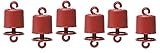


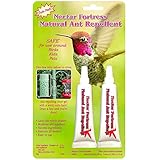
As an Amazon Associate I earn from qualifying purchases.
Prices and availability are accurate as of November 28, 2026 09:36 and are subject to change.
Introduction to Ant Guards for Bird Feeders
Ant guards for bird feeders are devices designed to prevent ants and other small insects from crawling up the poles or hangers that support bird feeders. These devices are typically placed below the bird feeder and work by creating a barrier that ants cannot cross. By using an ant guard, bird enthusiasts can help keep their bird feeders free from ants and other pests, ensuring that the seed and other food is available for the birds.
Ant guards come in a variety of styles and designs, ranging from simple physical barriers to more complex devices that use sticky surfaces or other materials to trap ants. Some ant guards are designed to be used with specific types of bird feeders, while others are more universal and can be used with a variety of feeder styles. When choosing an ant guard, it’s essential to consider the type of bird feeder being used, as well as the types of ants and other pests that are present in the area.
One of the primary benefits of using an ant guard is that it helps to keep the bird feeder clean and free from ants and other debris. This can be especially important for bird enthusiasts who live in areas with high ant activity, as ants can quickly overrun a bird feeder and make it difficult for birds to access the food. By using an ant guard, bird enthusiasts can help ensure that their bird feeders remain ant-free, making it easier for birds to feed and thrive.
When searching for the best ant guards for bird feeders, it’s essential to consider a variety of factors, including the type of ant guard, its ease of use, and its effectiveness. By choosing the right ant guard, bird enthusiasts can help keep their bird feeders free from ants and other pests, ensuring that their bird-feeding experience is enjoyable and rewarding. With the right ant guard in place, bird enthusiasts can focus on enjoying the beauty and song of the birds that visit their feeders, rather than worrying about ants and other pests.
The Best Ant Guards For Bird Feeders
The
1. Perky-Pet Ant Guard 1
is an excellent choice for bird enthusiasts who want to keep ants away from their bird feeders. This ant guard is designed to fit most bird feeder poles and is easy to install. It has a unique design that prevents ants from climbing up the pole, while allowing birds to feed freely. The Perky-Pet Ant Guard 1 is made of durable plastic and can withstand various weather conditions.
The Perky-Pet Ant Guard 1 is a simple yet effective solution to keep ants away from bird feeders. It is easy to clean and maintain, and it does not require any additional accessories. The ant guard is also affordable and can be purchased at a reasonable price. Overall, the Perky-Pet Ant Guard 1 is a great investment for anyone who wants to keep their bird feeder ant-free. It is a reliable and efficient product that can provide hours of ant-free bird watching.
The
2. Woodlink Ant Guard 2
is another popular choice among bird enthusiasts. This ant guard is designed to fit most bird feeder poles and is easy to install. It has a unique design that prevents ants from climbing up the pole, while allowing birds to feed freely. The Woodlink Ant Guard 2 is made of durable metal and can withstand various weather conditions. It is also easy to clean and maintain, making it a great choice for anyone who wants a low-maintenance ant guard.
The Woodlink Ant Guard 2 is a great choice for anyone who wants to keep ants away from their bird feeder. It is easy to install and can be adjusted to fit different pole sizes. The ant guard is also affordable and can be purchased at a reasonable price. Overall, the Woodlink Ant Guard 2 is a great investment for anyone who wants to keep their bird feeder ant-free. It is a reliable and efficient product that can provide hours of ant-free bird watching. The Woodlink Ant Guard 2 is also backed by a manufacturer’s warranty, making it a risk-free purchase.
The
3. Audubon Park Ant Guard 3
is a high-quality ant guard that is designed to keep ants away from bird feeders. This ant guard is made of durable plastic and can withstand various weather conditions. It is easy to install and can be adjusted to fit different pole sizes. The Audubon Park Ant Guard 3 is also easy to clean and maintain, making it a great choice for anyone who wants a low-maintenance ant guard.
The Audubon Park Ant Guard 3 is a great choice for anyone who wants to keep ants away from their bird feeder. It is designed to prevent ants from climbing up the pole, while allowing birds to feed freely. The ant guard is also affordable and can be purchased at a reasonable price. Overall, the Audubon Park Ant Guard 3 is a great investment for anyone who wants to keep their bird feeder ant-free. It is a reliable and efficient product that can provide hours of ant-free bird watching. The Audubon Park Ant Guard 3 is also backed by a manufacturer’s warranty, making it a risk-free purchase.
The
4. Roamwild Ant Guard 4
is a unique ant guard that uses a moat-like design to keep ants away from bird feeders. This ant guard is made of durable plastic and can withstand various weather conditions. It is easy to install and can be adjusted to fit different pole sizes. The Roamwild Ant Guard 4 is also easy to clean and maintain, making it a great choice for anyone who wants a low-maintenance ant guard.
The Roamwild Ant Guard 4 is a great choice for anyone who wants to keep ants away from their bird feeder. It is designed to prevent ants from climbing up the pole, while allowing birds to feed freely. The ant guard is also affordable and can be purchased at a reasonable price. Overall, the Roamwild Ant Guard 4 is a great investment for anyone who wants to keep their bird feeder ant-free. It is a reliable and efficient product that can provide hours of ant-free bird watching. The Roamwild Ant Guard 4 is also backed by a manufacturer’s warranty, making it a risk-free purchase.
The
5. Songbird Essentials Ant Guard 5
is a high-quality ant guard that is designed to keep ants away from bird feeders. This ant guard is made of durable metal and can withstand various weather conditions. It is easy to install and can be adjusted to fit different pole sizes. The Songbird Essentials Ant Guard 5 is also easy to clean and maintain, making it a great choice for anyone who wants a low-maintenance ant guard.
The Songbird Essentials Ant Guard 5 is a great choice for anyone who wants to keep ants away from their bird feeder. It is designed to prevent ants from climbing up the pole, while allowing birds to feed freely. The ant guard is also affordable and can be purchased at a reasonable price. Overall, the Songbird Essentials Ant Guard 5 is a great investment for anyone who wants to keep their bird feeder ant-free. It is a reliable and efficient product that can provide hours of ant-free bird watching. The Songbird Essentials Ant Guard 5 is also backed by a manufacturer’s warranty, making it a risk-free purchase.
Protecting Bird Feeders from Unwanted Guests
Bird feeders are a great way to attract various bird species to your yard, providing them with a convenient source of food. However, they can also attract other unwanted visitors, such as ants, squirrels, and raccoons. Ants, in particular, can be a nuisance, as they can climb up the feeder poles and contaminate the birdseed. This can lead to the spread of diseases among the birds and also make the feeder less appealing to them.
Ants are attracted to the sweet or oily substances present in the birdseed, and once they infest a feeder, they can be difficult to get rid of. They can also damage the feeder itself, causing it to become clogged or rusty. To prevent this from happening, it is essential to take measures to keep ants away from bird feeders. One effective way to do this is by using ant guards, which are devices that fit around the feeder pole, preventing ants from climbing up.
Ant guards come in different types and designs, and choosing the right one can make a significant difference in keeping ants away. The best ant guards for bird feeders are those that are easy to install, durable, and effective in preventing ants from reaching the feeder. They can be made of plastic, metal, or other materials, and some models may also have additional features, such as a moat or a sticky surface, to deter ants.
By installing an ant guard on your bird feeder, you can help keep ants away and ensure that the feeder remains a safe and healthy source of food for the birds. This can also help to reduce the maintenance required to keep the feeder clean and functional. Overall, using an ant guard is a simple and effective way to protect your bird feeder from ants and other pests, allowing you to enjoy watching the birds visit your yard without the hassle of dealing with unwanted visitors.
Types of Ant Guards For Bird Feeders
Ant guards for bird feeders come in various types, each designed to cater to specific needs and preferences. The most common types include physical barriers, moats, and repellents. Physical barriers are designed to prevent ants from climbing up the pole or feeder, while moats involve filling a container with water or oil to deter ants. Repellents, on the other hand, use scent or taste to keep ants away from the feeder.
When choosing an ant guard, it’s essential to consider the type of ants you’re dealing with and the design of your bird feeder. For instance, physical barriers may not be effective against ants that can jump or fly, while moats may not be suitable for feeders with multiple perches or trays. Repellents, however, can be an excellent option for feeders with complex designs or for those who prefer a non-invasive solution.
In addition to these types, some ant guards also feature a combination of methods, such as a physical barrier with a repellent coating. These combination guards can provide enhanced protection against ants and other pests. Ultimately, the choice of ant guard type depends on your specific needs, the type of ants you’re dealing with, and your personal preferences.
The effectiveness of each type of ant guard can vary depending on several factors, including the quality of the product, the design of the feeder, and the severity of the ant infestation. It’s crucial to read reviews, follow instructions carefully, and monitor the performance of the ant guard to ensure optimal results. By choosing the right type of ant guard, you can enjoy a pest-free bird-watching experience and keep your feathered friends happy and healthy.
Benefits of Using Ant Guards For Bird Feeders
Using ant guards for bird feeders offers numerous benefits, including protecting the birds’ food from contamination, preventing the spread of disease, and reducing the risk of ant infestations in your home. Ants can carry diseases and bacteria that can harm birds, and their presence in the feeder can contaminate the food, making it unhealthy for the birds to eat.
Ant guards can also help reduce the mess and cleanup associated with ant infestations. When ants invade a bird feeder, they can leave behind trails of dirt, debris, and feces, which can be difficult to clean and require frequent replacement of the feeder. By using an ant guard, you can prevent ants from reaching the feeder in the first place, reducing the need for frequent cleaning and maintenance.
In addition to these benefits, ant guards can also help protect the bird feeder itself from damage. Ants can chew through plastic, wood, and other materials, causing damage to the feeder and requiring costly repairs or replacement. By keeping ants away from the feeder, you can extend its lifespan and reduce the need for frequent replacements.
Furthermore, using ant guards can also enhance the overall bird-watching experience. When ants are present in the feeder, they can deter birds from visiting, reducing the frequency and diversity of bird sightings. By keeping ants away, you can attract a wider variety of bird species and enjoy a more rewarding bird-watching experience.
Installation and Maintenance of Ant Guards
Installing and maintaining ant guards for bird feeders is relatively straightforward, but it does require some attention to detail and regular upkeep. The first step is to choose the right ant guard for your feeder, taking into account the type of ants, the design of the feeder, and your personal preferences. Once you’ve selected the ant guard, follow the manufacturer’s instructions for installation, which typically involves attaching the guard to the feeder or pole.
Regular maintenance is essential to ensure the ant guard continues to function effectively. This includes cleaning the guard regularly to remove dirt, debris, and ant carcasses, as well as monitoring the guard’s performance and adjusting it as needed. Some ant guards may require refilling or replacing repellents, while others may need to be cleaned with soap and water.
It’s also important to inspect the ant guard regularly for signs of wear and tear, such as cracks, holes, or damage to the material. If you notice any damage, replace the ant guard immediately to prevent ants from exploiting the weakness. Additionally, consider using multiple ant guards in combination, such as a physical barrier and a repellent, to provide enhanced protection against ants.
By following the manufacturer’s instructions and performing regular maintenance, you can ensure your ant guard continues to function effectively and provides long-lasting protection against ants and other pests. This will help you enjoy a pest-free bird-watching experience and keep your feathered friends happy and healthy.
Common Mistakes to Avoid When Using Ant Guards
When using ant guards for bird feeders, there are several common mistakes to avoid, including improper installation, inadequate maintenance, and using the wrong type of ant guard. Improper installation can render the ant guard ineffective, allowing ants to bypass the guard and reach the feeder. Inadequate maintenance can also reduce the effectiveness of the ant guard, allowing ants to build up resistance to the repellent or exploit weaknesses in the guard.
Another common mistake is using the wrong type of ant guard for the specific type of ant or feeder. For example, using a physical barrier against ants that can jump or fly may not be effective, while using a repellent against ants that are resistant to the scent or taste may not work. It’s essential to research the type of ant you’re dealing with and choose an ant guard that is specifically designed to target that species.
Additionally, some users may make the mistake of relying solely on ant guards to keep ants away from the feeder. While ant guards can be highly effective, they should be used in conjunction with other methods, such as keeping the feeder clean, storing bird seed in airtight containers, and trimming back trees and shrubs that provide a bridge for ants to reach the feeder.
By avoiding these common mistakes, you can ensure your ant guard is effective in keeping ants away from your bird feeder and enjoy a pest-free bird-watching experience. Remember to always follow the manufacturer’s instructions, perform regular maintenance, and choose the right type of ant guard for your specific needs.
Buying Guide for Best Ant Guards For Bird Feeders
When it comes to bird feeders, one of the most common problems that people face is the infestation of ants. These tiny creatures can climb up the pole and reach the bird feeder, scaring away the birds and eating the seeds. To prevent this from happening, ant guards for bird feeders have become a necessary accessory. In this buying guide, we will discuss the key factors to consider when buying ant guards for bird feeders, helping you make an informed decision.
Material and Durability
The material and durability of the ant guard are crucial factors to consider. A good ant guard should be made of a durable material that can withstand the elements and last for a long time. Some ant guards are made of plastic, while others are made of metal or silicone. The material should be easy to clean and resistant to rust or corrosion. A durable ant guard will ensure that it continues to function effectively, keeping ants away from the bird feeder.
The durability of the ant guard also depends on its design and construction. A well-designed ant guard should be able to withstand strong winds and extreme temperatures. It should also be able to fit snugly around the pole, preventing ants from climbing up. Some ant guards come with a warranty, which can give you peace of mind and protect your investment. When choosing an ant guard, look for one that is made of high-quality materials and has a sturdy construction.
Size and Compatibility
The size and compatibility of the ant guard are also important factors to consider. The ant guard should be able to fit around the pole of the bird feeder, and it should be compatible with the type of bird feeder you have. Some ant guards are designed to fit specific types of bird feeders, while others are universal and can fit any type of bird feeder. The size of the ant guard should also be considered, as it should be large enough to prevent ants from climbing up the pole.
When choosing an ant guard, make sure to measure the pole of your bird feeder to ensure that the ant guard will fit snugly around it. You should also consider the type of bird feeder you have and choose an ant guard that is compatible with it. Some ant guards come with adjustable sizes, which can make them more versatile and easier to use. By choosing an ant guard that is the right size and compatible with your bird feeder, you can ensure that it will be effective in keeping ants away.
Ease of Installation
The ease of installation is another factor to consider when buying an ant guard. A good ant guard should be easy to install and require minimal effort. Some ant guards come with a simple design that can be slipped over the pole, while others require more complex installation. The ant guard should also be easy to remove and clean, making maintenance a breeze.
When choosing an ant guard, look for one that has a simple and intuitive design. The installation process should be straightforward, and the ant guard should come with clear instructions. Some ant guards also come with additional features, such as a quick-release mechanism, which can make installation and removal easier. By choosing an ant guard that is easy to install, you can save time and effort, and ensure that it will be effective in keeping ants away from your bird feeder.
Effectiveness Against Ants
The effectiveness of the ant guard against ants is the most important factor to consider. A good ant guard should be able to prevent ants from climbing up the pole and reaching the bird feeder. Some ant guards use a physical barrier to prevent ants from climbing, while others use a sticky surface or a moat filled with water. The ant guard should also be able to prevent ants from finding alternative routes to the bird feeder.
When choosing an ant guard, look for one that has a proven track record of effectiveness against ants. Some ant guards come with a guarantee, which can give you peace of mind and protect your investment. You should also consider the type of ants that are common in your area and choose an ant guard that is specifically designed to prevent those types of ants. By choosing the best ant guards for bird feeders, you can ensure that your bird feeder will be ant-free and that you will be able to enjoy watching the birds without any distractions.
Additional Features
Some ant guards come with additional features that can enhance their effectiveness and convenience. Some ant guards come with a built-in bird feeder tray, which can make it easier to clean and maintain the bird feeder. Others come with a squirrel baffle, which can prevent squirrels from reaching the bird feeder. The ant guard should also be easy to clean and maintain, making it a convenient addition to your bird feeder.
When choosing an ant guard, consider the additional features that it comes with. Some ant guards come with a removable tray, which can make it easier to clean and refill the bird feeder. Others come with a built-in water reservoir, which can provide a source of water for the birds. By choosing an ant guard with additional features, you can enhance the overall effectiveness and convenience of your bird feeder, and create a more enjoyable bird-watching experience.
Maintenance and Cleaning
The maintenance and cleaning of the ant guard are also important factors to consider. A good ant guard should be easy to clean and maintain, making it a convenient addition to your bird feeder. The ant guard should be able to withstand the elements and resist rust or corrosion. It should also be easy to remove and clean, making maintenance a breeze.
When choosing an ant guard, look for one that is made of a material that is easy to clean and maintain. Some ant guards come with a smooth surface, which can make it easier to clean and prevent the buildup of debris. Others come with a removable tray, which can make it easier to clean and refill the bird feeder. By choosing an ant guard that is easy to maintain and clean, you can ensure that it will continue to function effectively, keeping ants away from your bird feeder and providing a safe and healthy environment for the birds.
FAQ
What are ant guards and how do they work?
Ant guards are devices designed to prevent ants and other small insects from climbing up bird feeder poles and accessing the birdseed. They work by creating a barrier that ants cannot cross, typically using a moat of water, a slippery surface, or an electrical charge to deter the ants. This helps to keep the birdseed clean and free from ant contamination, which can be harmful to birds.
The ant guards are usually installed below the bird feeder, and they come in different designs and materials. Some ant guards are filled with water, which creates a moat that ants cannot cross. Others have a slippery surface that ants cannot climb, or they use an electrical charge to repel ants. The choice of ant guard depends on personal preference, the type of bird feeder, and the severity of the ant problem. By installing an ant guard, bird enthusiasts can enjoy watching their birds without the hassle of dealing with ants in the feeder.
Why are ant guards necessary for bird feeders?
Ant guards are necessary for bird feeders because ants can be a significant problem for bird enthusiasts. Ants are attracted to the birdseed and can climb up the feeder pole to access it. Once they reach the feeder, they can contaminate the seed and even harm the birds. Ants can also cause damage to the feeder itself, especially if they are able to get inside and nest. By using an ant guard, bird enthusiasts can prevent ants from reaching the feeder and keep the seed clean and safe for the birds.
In addition to preventing ant contamination, ant guards can also help to reduce the spread of disease among birds. When ants are able to access the birdseed, they can also spread diseases such as avian pox and salmonella. By keeping ants out of the feeder, ant guards can help to reduce the risk of disease transmission among birds. Overall, ant guards are a simple and effective way to keep bird feeders ant-free and ensure that the birds have a safe and healthy source of food.
What types of ant guards are available for bird feeders?
There are several types of ant guards available for bird feeders, including water-filled moats, slippery surface guards, and electrical guards. Water-filled moats are one of the most common types of ant guards and work by creating a barrier of water that ants cannot cross. Slippery surface guards, on the other hand, have a surface that is too slippery for ants to climb, preventing them from reaching the feeder. Electrical guards use a mild electrical charge to repel ants and are often more effective than other types of guards.
The choice of ant guard depends on personal preference, the type of bird feeder, and the severity of the ant problem. Some ant guards are designed specifically for certain types of feeders, such as pole-mounted or hanging feeders. Others are more versatile and can be used with a variety of feeder types. When choosing an ant guard, it’s essential to consider the ease of installation, maintenance, and effectiveness in keeping ants out of the feeder. By selecting the right ant guard, bird enthusiasts can enjoy a ant-free bird feeder and a healthy bird population.
How do I choose the best ant guard for my bird feeder?
To choose the best ant guard for your bird feeder, consider the type of feeder you have, the severity of the ant problem, and your personal preferences. If you have a pole-mounted feeder, look for an ant guard that is specifically designed for pole-mounted feeders. If you have a hanging feeder, consider an ant guard that can be attached to the hanging chain. Also, think about the material and durability of the ant guard, as well as its ease of installation and maintenance.
When selecting an ant guard, also consider the size of the guard and the size of the feeder. A larger ant guard may be more effective for larger feeders, while a smaller guard may be sufficient for smaller feeders. Additionally, consider the type of ants you are trying to keep out, as some ant guards may be more effective against certain species of ants. By taking the time to research and compare different ant guards, you can find the best one for your bird feeder and enjoy a ant-free bird-watching experience.
Can I make my own ant guard for my bird feeder?
Yes, it is possible to make your own ant guard for your bird feeder. One common DIY method is to use a plastic container, such as a plastic cup or bowl, and fill it with water. The container is then placed below the bird feeder, creating a moat that ants cannot cross. Another method is to use a slippery surface, such as a piece of plastic or metal, and attach it to the feeder pole. This creates a surface that ants cannot climb, preventing them from reaching the feeder.
However, making your own ant guard may not be as effective as using a commercial ant guard. Commercial ant guards are specifically designed to keep ants out of bird feeders and are often more durable and long-lasting than DIY solutions. Additionally, commercial ant guards may have features such as adjustable sizes and easy cleaning, which can make them more convenient to use. If you do decide to make your own ant guard, be sure to use materials that are safe for birds and the environment, and follow proper installation and maintenance procedures to ensure the guard is effective.
How do I install and maintain my ant guard?
To install an ant guard, follow the manufacturer’s instructions for the specific type of guard you have. Typically, this involves attaching the guard to the bird feeder pole or hanging chain, and adjusting the size to fit the feeder. Make sure the guard is securely attached and level to ensure it works effectively. To maintain the ant guard, regularly clean and inspect the guard to ensure it is free from debris and ant bodies. For water-filled moats, check the water level regularly and refill as needed to ensure the moat remains effective.
Regular maintenance is essential to ensure the ant guard continues to work effectively. Check the guard regularly for signs of wear and tear, and replace it if necessary. Also, be sure to clean the bird feeder itself regularly to prevent the buildup of mold and bacteria, which can attract ants and other pests. By properly installing and maintaining your ant guard, you can enjoy a ant-free bird feeder and a healthy bird population. Additionally, consider using a combination of ant guards and other pest control methods, such as using ant-repellent birdseed or trimming back trees and shrubs to reduce ant habitat.
Are ant guards safe for birds and the environment?
Yes, ant guards are safe for birds and the environment when used properly. Most commercial ant guards are designed with bird safety in mind and are made from non-toxic materials. However, it’s essential to follow the manufacturer’s instructions and take precautions to ensure the ant guard does not harm birds or the environment. For example, when using a water-filled moat, make sure the water is not deep enough to drown birds or other small animals.
When choosing an ant guard, look for products that are specifically designed to be safe for birds and the environment. Consider using ant guards made from natural or recycled materials, and avoid using guards that contain harsh chemicals or pesticides. Additionally, be sure to properly dispose of any ant guard that is no longer needed or has reached the end of its lifespan. By taking the time to research and choose a safe and effective ant guard, you can enjoy a ant-free bird feeder while also protecting the health and well-being of birds and the environment.
Final Thoughts
In conclusion, protecting bird feeders from unwanted pests is essential to ensure a pleasant and healthy environment for the birds. Ants, in particular, can be a significant nuisance, contaminating the food and driving away the birds. By investing in a high-quality solution, bird enthusiasts can enjoy watching their feathered friends thrive and flourish. The key to achieving this lies in selecting the right product that effectively prevents ants from reaching the feeder.
Ultimately, the best ant guards for bird feeders offer a simple yet effective way to safeguard bird feeders from ant infestations. By choosing a reliable and efficient ant guard, individuals can create a haven for birds to feed and nest without the hassle of unwanted pests. With the numerous options available in the market, it is crucial to research and compare different products to find the one that best suits specific needs and preferences. By doing so, bird enthusiasts can enjoy a rewarding and fulfilling experience, watching their favorite birds thrive in a safe and ant-free environment.