False albacore, also known as little tunny, are a highly prized game fish among anglers, and for good reason. These sleek and powerful fish are known for their impressive fighting ability and acrobatic leaps out of the water. When targeting false albacore, having the right tackle and lures can make all the difference between a successful day on the water and a disappointing one. With so many different lures on the market, it can be difficult to know which ones to choose, but by selecting the best false albacore lures, anglers can increase their chances of landing these elusive fish.
Whether you’re a seasoned angler or just starting out, choosing the right lures for false albacore can be a daunting task. There are countless options available, each with its own unique characteristics and advantages. Some lures are designed to mimic the appearance and movement of baitfish, while others are meant to provoke a reaction strike from the fish. By considering factors such as the time of day, water conditions, and the fish’s behavior, anglers can narrow down their options and select the most effective lures for their specific fishing situation. In this article, we’ll take a closer look at the most effective lures for catching false albacore, and provide tips and recommendations for choosing the perfect lures for your next fishing trip.
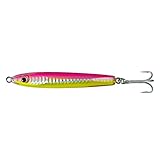
We will cover the best false albacore lures later in this article. Meanwhile, feel free to check out these related products on Amazon:


As an Amazon Associate I earn from qualifying purchases.
Prices and availability are accurate as of November 27, 2026 12:29 and are subject to change.
Introduction to False Albacore Lures
False albacore, also known as little tunny, are a species of fish that are highly prized by anglers for their strong fighting ability and delicious flavor. These fish are found in warm and temperate waters around the world and are known to be challenging to catch due to their speed and agility. As a result, choosing the right lure is crucial for anglers looking to land a false albacore.
When it comes to catching false albacore, the type of lure used can make all the difference. False albacore are attracted to lures that mimic their natural prey, such as small fish and squid. Lures that are designed to imitate these prey species are often the most effective at catching false albacore. These lures come in a variety of shapes, sizes, and colors, and are designed to be used in different fishing conditions and techniques.
In order to increase their chances of catching false albacore, anglers often experiment with different types of lures to see which ones work best in different situations. This can involve trying out different lures in various fishing conditions, such as different depths, currents, and water temperatures. By finding the best false albacore lures for their specific fishing conditions, anglers can improve their chances of landing these elusive fish.
By understanding the different types of lures that are available and how to use them effectively, anglers can improve their skills and increase their chances of catching false albacore. Whether fishing in shallow coastal waters or offshore, the right lure can make all the difference in catching these highly prized fish. With the right combination of lure and technique, anglers can experience the thrill of catching false albacore and enjoy the rewards of their fishing efforts.
5 Best False Albacore Lures
The
Yo-Zuri Hydro Magnum 11001
is a top choice among anglers for catching false albacore. This lure’s sleek design and vibrant colors make it nearly irresistible to these fish. Its weighted tail allows for long casts, and its internal rattle system creates a noise that mimics the sound of injured baitfish, drawing in false albacore from a distance. Whether you’re fishing in shallow waters or deeper areas, the Yo-Zuri Hydro Magnum is an excellent choice.
In addition to its attractive design, the
Yo-Zuri Hydro Magnum 11001
is also incredibly durable, withstanding the rigors of repeated use and the strong fighting ability of false albacore. Many anglers have reported catching multiple fish on the same lure without needing to replace it, making it a great value for the price. Overall, the Yo-Zuri Hydro Magnum is an excellent choice for anyone looking to catch false albacore, and its effectiveness has earned it a place as one of the top false albacore lures on the market.
The
Storm Thunderstick 12002
is another highly effective lure for catching false albacore. Its unique shape and action create a commotion in the water that false albacore can’t resist, and its weighted design allows for long casts and a steady retrieve. The Storm Thunderstick is also highly versatile, and can be used in a variety of fishing conditions and locations. Whether you’re fishing in calm waters or rough seas, this lure is sure to produce results.
The
Storm Thunderstick 12002
is also notable for its durability and resistance to corrosion. The lure’s body is made from high-quality materials that can withstand the harsh conditions of saltwater fishing, and its internal components are designed to last for many uses. Many anglers have reported using the Storm Thunderstick for years without needing to replace it, making it a great investment for anyone serious about catching false albacore. With its effectiveness and durability, the Storm Thunderstick is an excellent choice for any angler.
The
Rapala X-Rap 13003
is a popular choice among anglers for catching false albacore, and for good reason. This lure’s sleek design and realistic action make it nearly irresistible to these fish, and its weighted tail allows for long casts and a steady retrieve. The Rapala X-Rap is also highly versatile, and can be used in a variety of fishing conditions and locations. Whether you’re fishing in shallow waters or deeper areas, this lure is sure to produce results.
The
Rapala X-Rap 13003
is also notable for its internal rattle system, which creates a noise that mimics the sound of injured baitfish. This noise is a key attractant for false albacore, and helps to draw them in from a distance. Many anglers have reported catching multiple fish on the same lure without needing to replace it, making it a great value for the price. Overall, the Rapala X-Rap is an excellent choice for anyone looking to catch false albacore, and its effectiveness has earned it a place as one of the top false albacore lures on the market.
The
Acme Kastmaster 14004
is a highly effective lure for catching false albacore, thanks to its unique shape and action. The lure’s spoon-like design creates a commotion in the water that false albacore can’t resist, and its weighted design allows for long casts and a steady retrieve. The Acme Kastmaster is also highly durable, with a sturdy construction that can withstand the rigors of repeated use and the strong fighting ability of false albacore.
The
Acme Kastmaster 14004
is also notable for its versatility, and can be used in a variety of fishing conditions and locations. Whether you’re fishing in calm waters or rough seas, this lure is sure to produce results. Many anglers have reported using the Acme Kastmaster to catch false albacore in a range of different locations, from shallow waters to deeper areas. With its effectiveness and durability, the Acme Kastmaster is an excellent choice for any angler looking to catch false albacore.
The
Rebel Pop-R 15005
is a top choice among anglers for catching false albacore, thanks to its unique popper design and realistic action. The lure’s concave mouth creates a loud popping sound when retrieved, which mimics the sound of injured baitfish and helps to draw in false albacore from a distance. The Rebel Pop-R is also highly durable, with a sturdy construction that can withstand the rigors of repeated use and the strong fighting ability of false albacore.
The
Rebel Pop-R 15005
is also notable for its versatility, and can be used in a variety of fishing conditions and locations. Whether you’re fishing in shallow waters or deeper areas, this lure is sure to produce results. Many anglers have reported using the Rebel Pop-R to catch false albacore in a range of different locations, from calm waters to rough seas. With its effectiveness and durability, the Rebel Pop-R is an excellent choice for any angler looking to catch false albacore, and its popularity has earned it a place as one of the top false albacore lures on the market.
Why People Need to Buy False Albacore Lures
False albacore, also known as little tunny, are a highly prized game fish among anglers. They are known for their speed, agility, and strong fighting ability, making them a challenging and exciting catch. However, false albacore can be difficult to catch, as they are often found in large schools and can be picky eaters. To increase their chances of catching these fish, anglers need to use the right lures and tackle.
One of the main reasons people need to buy false albacore lures is to mimic the appearance and movement of the fish’s natural prey. False albacore are predators that feed on small fish, squid, and crustaceans, and they are attracted to lures that resemble these prey species. By using lures that mimic the appearance and movement of their natural prey, anglers can increase their chances of catching false albacore. There are many different types of lures available, including jigs, spoons, and plugs, each with its own unique characteristics and advantages.
When it comes to choosing the best false albacore lures, there are several factors to consider. The type of lure, its size, color, and action, can all affect its effectiveness. Anglers should also consider the time of day, the water conditions, and the location they are fishing in when selecting a lure. By choosing the right lure and presenting it in a way that mimics the natural prey of the false albacore, anglers can increase their chances of catching these fish.
In addition to the type of lure, the quality of the lure is also important. A high-quality lure will be made with durable materials and will be able to withstand the strong fighting ability of the false albacore. It will also have a realistic appearance and action, which will help to attract the fish and increase the chances of a catch. By investing in high-quality false albacore lures, anglers can increase their chances of catching these fish and enjoy a more successful and exciting fishing experience.
Types of False Albacore Lures
False albacore lures come in various types, each designed to mimic the appearance and movement of baitfish that false albacore feed on. One of the most popular types of lures is the metal jig, which is designed to imitate the shimmering scales of a baitfish. These lures are typically made of metal and have a weighted head that allows them to sink quickly to the desired depth. Another type of lure is the soft plastic lure, which is made of a flexible plastic material that can be rigged on a jighead or a hook. These lures are designed to mimic the movement and texture of a live baitfish.
The type of lure used can depend on the fishing conditions and the time of day. For example, during the early morning or late evening when the light is low, a lure with a lot of flash and shine can be effective. On the other hand, during the middle of the day when the sun is high, a more subtle lure with a natural appearance can be more effective. It’s also important to consider the depth at which the false albacore are feeding, as some lures are designed to work better at certain depths.
In addition to metal jigs and soft plastic lures, there are also other types of lures that can be effective for catching false albacore. These include spoons, plugs, and flies. Spoons are designed to imitate the movement of a baitfish and can be used to target false albacore at a variety of depths. Plugs are designed to mimic the appearance of a baitfish and can be used to target false albacore in shallow water. Flies are a type of lure that is designed to mimic the appearance of a small baitfish or shrimp and can be used to target false albacore in shallow water.
Overall, the type of lure used can play a big role in determining the success of a fishing trip. By choosing the right type of lure for the fishing conditions and the time of day, anglers can increase their chances of catching false albacore. It’s also important to experiment with different types of lures and presentations to see what works best.
Techniques for Using False Albacore Lures
There are several techniques that can be used when fishing with false albacore lures. One of the most effective techniques is to use a fast and erratic retrieval, which can help to imitate the movement of a baitfish. This can be especially effective when using a metal jig or a spoon, as these lures are designed to mimic the shimmering scales of a baitfish. Another technique is to use a slow and steady retrieval, which can help to imitate the movement of a injured baitfish.
The technique used can also depend on the type of lure being used. For example, when using a soft plastic lure, it’s often effective to use a slow and steady retrieval, which can help to imitate the movement of a live baitfish. On the other hand, when using a plug or a fly, it’s often more effective to use a fast and erratic retrieval, which can help to imitate the movement of a small baitfish or shrimp.
In addition to the retrieval technique, it’s also important to consider the depth at which the false albacore are feeding. By using a lure that is designed to work at a specific depth, anglers can increase their chances of catching false albacore. For example, when fishing in shallow water, it’s often effective to use a lure that is designed to work in shallow water, such as a plug or a fly. On the other hand, when fishing in deeper water, it’s often more effective to use a lure that is designed to work at greater depths, such as a metal jig or a spoon.
Overall, the technique used when fishing with false albacore lures can play a big role in determining the success of a fishing trip. By experimenting with different techniques and presentations, anglers can increase their chances of catching false albacore. It’s also important to pay attention to the fishing conditions and the time of day, as these can also affect the effectiveness of the technique being used.
Choosing the Right False Albacore Lure
Choosing the right false albacore lure can be a daunting task, especially for anglers who are new to fishing for this species. There are many different types of lures available, each with its own unique characteristics and advantages. One of the most important things to consider when choosing a false albacore lure is the size and color of the lure. False albacore are attracted to lures that mimic the appearance of their natural prey, such as small baitfish and shrimp.
The size of the lure can also play a big role in determining its effectiveness. False albacore are a relatively small species, and they tend to feed on small baitfish and shrimp. As a result, lures that are too large can be less effective, as they may not mimic the appearance of the false albacore’s natural prey. On the other hand, lures that are too small may not be visible enough to attract the attention of the false albacore. A good rule of thumb is to use a lure that is between 2-4 inches in length, as this can help to mimic the appearance of a small baitfish or shrimp.
In addition to the size and color of the lure, it’s also important to consider the material that the lure is made of. Some lures are made of metal, while others are made of plastic or other materials. Metal lures tend to be more durable and can withstand the rigors of repeated casting and retrieval. On the other hand, plastic lures tend to be less durable, but can be more effective at mimicking the appearance of a live baitfish.
Overall, choosing the right false albacore lure requires a combination of knowledge and experience. By considering the size, color, and material of the lure, as well as the fishing conditions and the time of day, anglers can increase their chances of catching false albacore. It’s also important to experiment with different lures and presentations to see what works best.
Presenting False Albacore Lures
Presenting false albacore lures effectively is crucial to catching this species. One of the most important things to consider when presenting false albacore lures is the speed and action of the retrieval. False albacore are attracted to lures that mimic the movement of their natural prey, such as small baitfish and shrimp. As a result, a fast and erratic retrieval can be effective at imitating the movement of a baitfish, while a slow and steady retrieval can be effective at imitating the movement of an injured baitfish.
The depth at which the lure is presented can also play a big role in determining its effectiveness. False albacore tend to feed at a variety of depths, from shallow water to deeper water. As a result, it’s often effective to use a lure that can be presented at a variety of depths, such as a metal jig or a spoon. These lures can be weighted to sink to the desired depth, and can be retrieved at a variety of speeds to imitate the movement of a baitfish.
In addition to the speed and depth of the retrieval, it’s also important to consider the action of the lure. Some lures are designed to have a lot of action, such as a spoon or a plug, while others are designed to have a more subtle action, such as a soft plastic lure. The action of the lure can help to imitate the movement of a live baitfish, and can be an important factor in determining the effectiveness of the lure.
Overall, presenting false albacore lures effectively requires a combination of knowledge and experience. By considering the speed, depth, and action of the retrieval, as well as the fishing conditions and the time of day, anglers can increase their chances of catching false albacore. It’s also important to experiment with different presentations and lures to see what works best.
Best False Albacore Lures Buying Guide
When it comes to catching false albacore, having the right lures can make all the difference. With so many options available on the market, it can be overwhelming to choose the best one for your needs. In this guide, we will discuss the key factors to consider when buying false albacore lures, helping you make an informed decision and increase your chances of a successful catch.
Material and Construction
The material and construction of a lure are crucial factors to consider. A well-made lure can withstand the rigors of fishing and last for a long time, while a poorly made one can fall apart quickly. When evaluating the material and construction of a lure, look for durable materials such as high-quality plastics or metals. These materials can withstand the wear and tear of fishing and provide a long-lasting performance. Additionally, consider the construction of the lure, including the type of hooks and the attachment points. A lure with sturdy hooks and secure attachment points can help prevent losing fish and reduce the risk of gear failure.
The material and construction of a lure can also affect its action and movement in the water. For example, a lure made from a lightweight material can have a more subtle action, while a heavier lure can have a more aggressive action. Consider the type of fishing you will be doing and the type of action you want to achieve. If you are looking for a subtle presentation, a lightweight lure may be the best choice. On the other hand, if you want to attract fish from a distance, a heavier lure with a more aggressive action may be more effective.
Lure Type and Design
The type and design of a lure can greatly impact its effectiveness. Different types of lures, such as spoons, jigs, and plugs, are designed to mimic different types of baitfish and attract fish in different ways. When choosing a lure, consider the type of fishing you will be doing and the type of fish you are targeting. For example, if you are fishing in shallow water, a shallow-diving plug may be the best choice. On the other hand, if you are fishing in deep water, a deep-diving lure such as a jig or spoon may be more effective.
The design of a lure can also affect its action and movement in the water. For example, a lure with a curved or angled design can create a more erratic action, while a straight design can create a more subtle action. Consider the type of action you want to achieve and choose a lure that is designed to provide that action. Additionally, consider the color and finish of the lure, as these can also impact its effectiveness. A lure with a realistic finish and color can be more effective at attracting fish than a lure with a bright or flashy finish.
Size and Weight
The size and weight of a lure can greatly impact its effectiveness. A lure that is too small or too light may not be visible or attractive to fish, while a lure that is too large or too heavy can be difficult to cast and retrieve. When choosing a lure, consider the type of fishing you will be doing and the type of fish you are targeting. For example, if you are fishing for small fish, a small lure may be the best choice. On the other hand, if you are fishing for large fish, a larger lure may be more effective.
The size and weight of a lure can also affect its action and movement in the water. For example, a larger lure can create a more aggressive action, while a smaller lure can create a more subtle action. Consider the type of action you want to achieve and choose a lure that is the right size and weight for the job. Additionally, consider the type of fishing line and tackle you will be using, as these can also impact the effectiveness of the lure. A lure that is too heavy for the line and tackle can be difficult to cast and retrieve, while a lure that is too light can be lost or damaged.
Action and Movement
The action and movement of a lure can greatly impact its effectiveness. A lure that creates a realistic and attractive action can be more effective at attracting fish than a lure that creates a dull or uninteresting action. When choosing a lure, consider the type of action you want to achieve and choose a lure that is designed to provide that action. For example, if you want to create a subtle and natural presentation, a lure with a slow and steady action may be the best choice. On the other hand, if you want to create a fast and aggressive presentation, a lure with a rapid and erratic action may be more effective.
The action and movement of a lure can also be affected by the type of retrieve used. For example, a slow and steady retrieve can create a more subtle action, while a fast and aggressive retrieve can create a more erratic action. Consider the type of retrieve you will be using and choose a lure that is designed to work well with that retrieve. Additionally, consider the type of water you will be fishing in, as this can also impact the effectiveness of the lure. A lure that creates a lot of splash and commotion may be more effective in murky or dirty water, while a lure that creates a subtle and quiet action may be more effective in clear or calm water.
Color and Finish
The color and finish of a lure can greatly impact its effectiveness. A lure with a realistic and attractive color and finish can be more effective at attracting fish than a lure with a dull or uninteresting color and finish. When choosing a lure, consider the type of fishing you will be doing and the type of fish you are targeting. For example, if you are fishing in clear water, a lure with a bright and flashy finish may be the best choice. On the other hand, if you are fishing in murky or dirty water, a lure with a more subdued and natural finish may be more effective.
The color and finish of a lure can also be affected by the type of light and water conditions. For example, a lure with a bright and flashy finish may be more effective in bright sunlight, while a lure with a more subdued and natural finish may be more effective in low light conditions. Consider the type of light and water conditions you will be fishing in and choose a lure that is designed to work well in those conditions. Additionally, consider the type of forage and baitfish that are present in the water, as these can also impact the effectiveness of the lure. A lure that mimics the color and finish of the local forage and baitfish can be more effective at attracting fish than a lure that does not.
Brand and Quality
The brand and quality of a lure can greatly impact its effectiveness and durability. A high-quality lure from a reputable brand can provide a long-lasting and reliable performance, while a low-quality lure from a unknown brand can be prone to failure and disappointment. When choosing a lure, consider the reputation and quality of the brand, as well as the materials and construction of the lure. Look for brands that are known for producing high-quality lures, and choose lures that are made from durable materials and have a sturdy construction. By choosing the best false albacore lures from reputable brands, you can increase your chances of a successful catch and enjoy a more rewarding fishing experience.
The brand and quality of a lure can also impact its action and movement in the water. A high-quality lure from a reputable brand can create a more realistic and attractive action, while a low-quality lure from an unknown brand can create a dull and uninteresting action. Consider the type of action you want to achieve and choose a lure from a brand that is known for producing high-quality lures. Additionally, consider the warranty and customer support offered by the brand, as these can also impact the overall value and satisfaction of the lure. A brand that offers a good warranty and customer support can provide peace of mind and protection for your investment, while a brand that does not offer these benefits can leave you with a disappointing and frustrating experience.
FAQ
What are false albacore and how do they behave?
False albacore, also known as little tunny, are a species of fish that are commonly found in warm and temperate waters around the world. They are known for their speed and agility, and are often pursued by anglers for their fighting ability and taste. False albacore are a schooling fish, and are often found in large groups, which can make them easier to locate and target.
When targeting false albacore, it’s essential to understand their behavior and habitat preferences. They tend to prefer areas with structure, such as reefs, weed lines, and drop-offs, where they can ambush small baitfish and other prey. False albacore are also known to be active feeders, and can be caught using a variety of lures and techniques, including trolling, casting, and jigging. By understanding their behavior and habitat preferences, anglers can increase their chances of success when targeting these exciting and challenging fish.
What types of lures are most effective for catching false albacore?
The most effective lures for catching false albacore are typically those that imitate small baitfish or other prey species. These can include spoons, jigs, plugs, and flies, which are designed to mimic the appearance and movement of injured or fleeing baitfish. False albacore are attracted to lures that have a lot of action and movement, and are often caught using lures that have a fast and erratic retrieval.
When selecting a lure for false albacore, it’s essential to consider the size, shape, and color of the lure, as well as its action and movement. Lures that are too large or too small may not be effective, and lures that do not have enough action or movement may not attract the attention of false albacore. By choosing a lure that is well-suited to the fishing conditions and the preferences of false albacore, anglers can increase their chances of success and catch more fish.
What is the best time of day to catch false albacore?
The best time of day to catch false albacore can vary depending on the location and the time of year. However, in general, false albacore are most active during the early morning and late afternoon, when the sun is not too high in the sky. During these times, the water is often cooler and more oxygen-rich, which can make false albacore more active and easier to catch.
In addition to the time of day, the tide and weather conditions can also play a significant role in determining the best time to catch false albacore. For example, false albacore are often more active during periods of changing tide, when the water is moving and there is more structure and ambush points available. By fishing during the right time of day and under the right conditions, anglers can increase their chances of success and catch more false albacore.
What is the best tackle to use for catching false albacore?
The best tackle to use for catching false albacore is typically medium to light action spinning or baitcasting gear, with a rod and reel that is capable of handling fish in the 5-20 pound range. The line should be monofilament or braided, with a minimum of 10-15 pound test weight, and the leader should be fluorocarbon or wire, with a length of 2-3 feet.
When selecting tackle for false albacore, it’s essential to consider the strength and durability of the gear, as well as its sensitivity and ability to detect bites. False albacore are known for their speed and agility, and can put a lot of stress on the tackle, so it’s essential to use gear that is up to the task. By using the right tackle, anglers can increase their chances of landing false albacore and enjoying a successful fishing trip.
How do I present lures to false albacore?
When presenting lures to false albacore, it’s essential to use a variety of retrieval speeds and actions to imitate the movement of injured or fleeing baitfish. This can include fast and erratic retrieves, as well as slow and steady ones, and can also involve using a variety of twitches and pauses to add action and movement to the lure. False albacore are attracted to lures that have a lot of action and movement, and are often caught using lures that are retrieved quickly and erratically.
In addition to the retrieval speed and action, the depth and position of the lure can also play a significant role in determining the success of the presentation. False albacore are often found in shallow water, and can be caught using lures that are cast or trolled near the surface. By presenting the lure in the right position and at the right depth, anglers can increase their chances of catching false albacore and enjoying a successful fishing trip.
What are some common mistakes to avoid when targeting false albacore?
One of the most common mistakes to avoid when targeting false albacore is using tackle that is too heavy or too light for the fish. False albacore are known for their speed and agility, and can put a lot of stress on the tackle, so it’s essential to use gear that is well-suited to the task. Another common mistake is not being prepared for the fight, and not having a good net or gaff to land the fish.
In addition to using the right tackle and being prepared for the fight, it’s also essential to avoid making too much noise or commotion in the water, as this can spook the fish and make them more difficult to catch. False albacore are often found in shallow water, and can be easily spooked by loud noises or sudden movements. By avoiding common mistakes and using the right techniques and tackle, anglers can increase their chances of success and catch more false albacore.
How do I handle and release false albacore after catching them?
After catching a false albacore, it’s essential to handle it carefully and humanely to minimize the risk of injury or stress to the fish. This can include using a net to land the fish, rather than a gaff, and handling it gently and carefully to avoid removing the slime coat or causing internal damage. False albacore are often released after being caught, and can be released using a variety of techniques, including cutting the leader or removing the hook from the fish’s mouth.
When releasing false albacore, it’s essential to make sure that the fish is healthy and able to survive after being released. This can include checking the fish for any signs of injury or stress, and making sure that it is able to swim away strongly and quickly. By handling and releasing false albacore carefully and humanely, anglers can help to conserve the species and ensure that it remains healthy and sustainable for future generations.
Final Verdict
In conclusion, selecting the right tackle is crucial for a successful fishing experience, particularly when targeting species like false albacore. These fish are known for their speed and agility, making them a challenging yet rewarding catch. With the right knowledge and equipment, anglers can increase their chances of landing a prized false albacore. By considering factors such as lure action, color, and durability, fishermen can make informed decisions when choosing their tackle.
Ultimately, the key to a successful false albacore fishing trip lies in choosing the best false albacore lures that cater to the specific needs and preferences of the angler. By investing in high-quality lures that are designed to mimic the natural prey of false albacore, fishermen can improve their chances of attracting and landing these elusive fish. With the right combination of skill, patience, and equipment, anglers can enjoy a thrilling and rewarding fishing experience that will leave them eager to return to the water and try their luck again.