Walking is one of the most accessible and beneficial forms of exercise, suitable for people of all ages and fitness levels. It’s an excellent way to improve cardiovascular health, boost mood, and increase energy levels. However, to reap the full benefits of walking and minimize the risk of injury, it’s essential to wear the right footwear. A good pair of walking shoes can make all the difference in providing comfort, support, and protection for your feet. Whether you’re a casual walker or a serious athlete, investing in a quality pair of shoes is crucial for a safe and enjoyable walking experience.
When searching for the ideal footwear, many walkers prioritize stability as a key feature. The best walking shoes for stability are designed to provide superior arch support, cushioning, and traction, helping to reduce the risk of ankle rolls, foot pain, and other common walking injuries. With so many options available on the market, choosing the right pair can be overwhelming. In this article, we’ll guide you through the process of selecting the perfect walking shoes, highlighting the key features to look for, and reviewing some of the top models available. By the end of this article, you’ll be equipped with the knowledge to make an informed decision and find the perfect pair of shoes to support your walking needs.
We will cover the best walking shoes for stability later in this article. Meanwhile, feel free to check out these related products on Amazon:
| # | Preview | Product | Price | |
|---|---|---|---|---|
| 1 | Brooks Women’s Adrenaline GTS 25 Supportive Running & Walking Shoe… | $109.95 | View on Amazon | |
| 2 | Ryka Women's, Devotion X Walking Shoe | $79.99 | View on Amazon | |
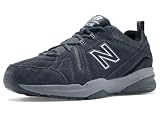
| 3 | New Balance Men's 608 V5 Casual Comfort Cross Trainer, Orca/Gunmetal/Orca, 12 W | $63.74 | View on Amazon | |
| 4 | Tipping Toward Balance: A Fitness Trainer's Guide To Stability and Walking | $9.99 | View on Amazon | |
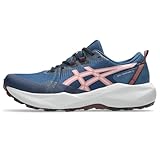
| 5 | ASICS Women's Gel-Venture 11 Running Shoes, 7.5, Twilight Blue/MORGANITE | $59.95 | View on Amazon |



As an Amazon Associate I earn from qualifying purchases.
Prices and availability are accurate as of November 27, 2026 09:56 and are subject to change.
Introduction to Walking Shoes for Stability
Walking shoes for stability are designed to provide support and balance for individuals who require extra stability in their footwear. These shoes are typically designed with features such as sturdy soles, comfortable cushioning, and secure lacing systems to help prevent excessive foot movement. This type of footwear is ideal for people who suffer from foot or ankle problems, or those who participate in activities that require a lot of walking or standing.
The primary purpose of walking shoes for stability is to reduce the risk of injury and provide comfort for the wearer. They are designed to accommodate different foot types and walking styles, ensuring that the wearer can move around with confidence and ease. By providing the necessary support and stability, these shoes can help to improve overall mobility and reduce the risk of falls or other accidents.
When it comes to choosing the right walking shoes, there are several factors to consider. These include the type of activity or terrain, the level of support required, and personal preferences such as style and color. With so many different options available, it can be difficult to know where to start. However, by doing some research and reading reviews, individuals can find the best walking shoes for stability that meet their specific needs and provide the necessary support and comfort.
By wearing walking shoes that are designed for stability, individuals can enjoy a range of benefits, from improved mobility and reduced risk of injury, to increased comfort and confidence. Whether walking for exercise, commuting to work, or simply running errands, the right shoes can make all the difference. With the right pair of walking shoes, individuals can take steps towards a healthier and more active lifestyle, and enjoy the many benefits that come with it.
5 Best Walking Shoes For Stability
1. Brooks Adrenaline GTS 22
The Brooks Adrenaline GTS 22 is a top-notch walking shoe designed to provide superior stability and support. It features a segmented crash pad for smooth heel-to-toe transition, as well as a DNA LOFT midsole for customized cushioning. The shoe’s upper is made of a breathable mesh material that allows for excellent airflow and moisture management. Whether you’re walking on trails or on the road, the Brooks Adrenaline GTS 22 is an excellent choice for anyone who needs a stable and supportive shoe.
The Brooks Adrenaline GTS 22 is also designed to reduce the risk of injury, with a GuideRail system that helps to keep the foot in its natural alignment. This feature is especially useful for walkers who tend to overpronate or supinate, as it helps to reduce the stress and strain on the feet and ankles. Overall, the Brooks Adrenaline GTS 22 is a high-quality walking shoe that is well-suited for walkers who need a stable and supportive shoe. With its excellent cushioning, breathable upper, and customizable support, it’s an excellent choice for anyone who wants a comfortable and secure walking experience.
2. ASICS Gel-Kayano 29
The ASICS Gel-Kayano 29 is a high-performance walking shoe that is designed to provide superior stability and support for high-mileage walkers. It features a spacious toe box and a comfortable, breathable upper that allows for excellent airflow and moisture management. The shoe’s midsole is made of a lightweight, responsive material that provides excellent cushioning and energy return. Whether you’re walking on trails or on the road, the ASICS Gel-Kayano 29 is an excellent choice for anyone who needs a stable and supportive shoe.
The ASICS Gel-Kayano 29 is also designed to reduce the risk of injury, with a Spacer Mesh upper that provides excellent breathability and moisture management. The shoe’s heel counter is also designed to be more comfortable and secure, with a more substantial external heel counter that helps to keep the foot in place. Overall, the ASICS Gel-Kayano 29 is a high-quality walking shoe that is well-suited for walkers who need a stable and supportive shoe. With its excellent cushioning, breathable upper, and customizable support, it’s an excellent choice for anyone who wants a comfortable and secure walking experience.
3. New Balance Fresh Foam 1080v12
The New Balance Fresh Foam 1080v12 is a supportive and stable walking shoe that is designed to provide a comfortable and secure walking experience. It features a Fresh Foam midsole that provides excellent cushioning and energy return, as well as a supportive and breathable upper that allows for excellent airflow and moisture management. The shoe’s heel counter is also designed to be more comfortable and secure, with a more substantial external heel counter that helps to keep the foot in place. Whether you’re walking on trails or on the road, the New Balance Fresh Foam 1080v12 is an excellent choice for anyone who needs a stable and supportive shoe.
The New Balance Fresh Foam 1080v12 is also designed to reduce the risk of injury, with a supportive and stable ride that helps to reduce the stress and strain on the feet and ankles. The shoe’s upper is also designed to be more comfortable and breathable, with a mesh material that allows for excellent airflow and moisture management. Overall, the New Balance Fresh Foam 1080v12 is a high-quality walking shoe that is well-suited for walkers who need a stable and supportive shoe. With its excellent cushioning, breathable upper, and customizable support, it’s an excellent choice for anyone who wants a comfortable and secure walking experience.
4. Hoka One One Bondi 8
The Hoka One One Bondi 8 is a max cushioning walking shoe that is designed to provide superior stability and support for high-mileage walkers. It features a thick, cushioned midsole that provides excellent shock absorption and energy return, as well as a comfortable and breathable upper that allows for excellent airflow and moisture management. The shoe’s heel counter is also designed to be more comfortable and secure, with a more substantial external heel counter that helps to keep the foot in place. Whether you’re walking on trails or on the road, the Hoka One One Bondi 8 is an excellent choice for anyone who needs a stable and supportive shoe.
The Hoka One One Bondi 8 is also designed to reduce the risk of injury, with a rocker-shaped sole that helps to reduce the stress and strain on the feet and ankles. The shoe’s upper is also designed to be more comfortable and breathable, with a mesh material that allows for excellent airflow and moisture management. Overall, the Hoka One One Bondi 8 is a high-quality walking shoe that is well-suited for walkers who need a stable and supportive shoe. With its excellent cushioning, breathable upper, and customizable support, it’s an excellent choice for anyone who wants a comfortable and secure walking experience.
5. Saucony Guide 14
The Saucony Guide 14 is a supportive and stable walking shoe that is designed to provide a comfortable and secure walking experience. It features a PWRTRAC technology that provides excellent traction and stability, as well as a comfortable and breathable upper that allows for excellent airflow and moisture management. The shoe’s midsole is made of a lightweight, responsive material that provides excellent cushioning and energy return. Whether you’re walking on trails or on the road, the Saucony Guide 14 is an excellent choice for anyone who needs a stable and supportive shoe.
The Saucony Guide 14 is also designed to reduce the risk of injury, with a GuideRail system that helps to keep the foot in its natural alignment. The shoe’s upper is also designed to be more comfortable and breathable, with a mesh material that allows for excellent airflow and moisture management. Overall, the Saucony Guide 14 is a high-quality walking shoe that is well-suited for walkers who need a stable and supportive shoe. With its excellent cushioning, breathable upper, and customizable support, it’s an excellent choice for anyone who wants a comfortable and secure walking experience.
Importance of Stability in Walking Shoes
When it comes to walking, having the right shoes can make a significant difference in comfort, performance, and overall well-being. One of the key factors to consider when choosing walking shoes is stability. Stability refers to the shoe’s ability to support the foot and ankle during movement, preventing excessive pronation or supination. Without proper stability, walkers may experience discomfort, pain, or even injuries.
People who walk regularly, whether for exercise or as a mode of transportation, need shoes that can provide adequate support and stability. This is especially important for individuals with flat feet, high arches, or other foot conditions that can affect their gait. Walking shoes with good stability features can help reduce the risk of foot problems, such as plantar fasciitis, and provide a more comfortable walking experience.
The best walking shoes for stability are designed to provide superior support and cushioning, allowing walkers to move with confidence and ease. These shoes typically feature a sturdy sole, a comfortable and breathable upper, and a supportive midfoot section. By wearing shoes with good stability, walkers can improve their overall walking experience, reduce the risk of injuries, and enjoy the many benefits of walking, including improved cardiovascular health and increased mobility.
In addition to providing stability, walking shoes can also offer other benefits, such as arch support, cushioning, and traction. By choosing shoes that meet their specific needs and preferences, walkers can enhance their walking experience and enjoy the many rewards of this popular form of exercise. Whether walking for fitness, recreation, or transportation, having the right shoes can make all the difference, and investing in a good pair of walking shoes is an important step in maintaining overall health and well-being.
Features to Look for in Walking Shoes for Stability
When searching for the best walking shoes for stability, there are several key features to consider. One of the most important is a sturdy and supportive sole. A good walking shoe should have a sole that is both flexible and durable, providing traction and stability on a variety of surfaces. Additionally, the shoe should have a comfortable and breathable upper, made from materials such as mesh or leather. This will help to keep the foot cool and dry, reducing the risk of blisters and discomfort.
Another feature to look for is a secure and adjustable closure system. This could be in the form of laces, straps, or a combination of both. A secure closure system will help to keep the foot in place, reducing the risk of slipping or sliding around inside the shoe. This is particularly important for people who plan to wear their walking shoes for stability on uneven or slippery surfaces. Furthermore, a good walking shoe should also have a cushioned and supportive insole, providing additional comfort and stability for the foot.
In terms of specific technologies, many walking shoes for stability feature advanced materials and designs. For example, some shoes may have a rocker sole, which is designed to encourage a natural rolling motion of the foot as you walk. Others may have a more substantial heel-to-toe offset, providing additional stability and support. Additionally, some shoes may feature advanced cushioning systems, such as gel or foam midsoles, which can help to absorb shock and reduce the impact on the foot.
Overall, the best walking shoes for stability will combine a range of features and technologies to provide a comfortable, supportive, and stable walking experience. By considering the key features and technologies outlined above, walkers can make an informed decision and choose the best shoe for their needs. Whether you’re a casual walker or a more serious athlete, a good pair of walking shoes for stability can make all the difference in terms of comfort, performance, and overall enjoyment.
Benefits of Wearing Walking Shoes for Stability
Wearing walking shoes for stability can have a range of benefits, from improving comfort and reducing the risk of injury, to enhancing overall performance and enjoyment. One of the most significant benefits is the reduction of stress and strain on the feet and ankles. By providing additional support and stability, walking shoes for stability can help to alleviate conditions such as plantar fasciitis, Achilles tendonitis, and ankle sprains.
Another benefit of wearing walking shoes for stability is the improvement in overall walking technique. By providing a stable and supportive platform, these shoes can help to encourage a more natural and efficient gait. This can lead to a range of benefits, including increased speed, reduced fatigue, and improved overall performance. Additionally, walking shoes for stability can also help to reduce the risk of falls and other accidents, particularly on uneven or slippery surfaces.
In addition to the physical benefits, walking shoes for stability can also have a range of psychological benefits. For example, wearing a comfortable and supportive pair of shoes can help to boost confidence and self-esteem, making it more enjoyable to walk and engage in other physical activities. Furthermore, the knowledge that you are wearing a stable and supportive shoe can help to reduce anxiety and stress, allowing you to focus on the walking experience and enjoy the surroundings.
Overall, the benefits of wearing walking shoes for stability are numerous and significant. From improving comfort and reducing the risk of injury, to enhancing overall performance and enjoyment, these shoes can make a real difference in the walking experience. Whether you’re a casual walker or a more serious athlete, investing in a good pair of walking shoes for stability can be a worthwhile investment in your health, happiness, and overall well-being.
Common Injuries Associated with Walking and How to Prevent Them
Walking is a low-impact activity that can be enjoyed by people of all ages and fitness levels. However, like any physical activity, it can also be associated with a range of common injuries. One of the most common injuries is plantar fasciitis, which is a condition characterized by inflammation of the plantar fascia, a band of tissue that runs along the bottom of the foot. This can be caused by a range of factors, including overuse, poor foot mechanics, and inadequate footwear.
Another common injury associated with walking is Achilles tendonitis, which is a condition characterized by inflammation of the Achilles tendon, a band of tissue that connects the calf muscles to the heel bone. This can be caused by a range of factors, including overuse, poor foot mechanics, and inadequate footwear. Additionally, walkers may also be at risk of ankle sprains, which can be caused by rolling or twisting the ankle. This can be particularly common on uneven or slippery surfaces, where the risk of falls and other accidents is higher.
To prevent these common injuries, walkers can take a range of precautions. One of the most important is to wear a good pair of walking shoes for stability, which can provide additional support and protection for the feet and ankles. Additionally, walkers can also take steps to improve their overall foot mechanics, such as stretching and strengthening the foot and ankle muscles. Furthermore, walkers can also take precautions to reduce the risk of falls and other accidents, such as walking on flat and even surfaces, and using handrails or other support when walking on stairs or other uneven surfaces.
In terms of specific prevention strategies, walkers can also take steps to reduce the risk of overuse and other common injuries. For example, walkers can start with short distances and gradually increase their walking routine, allowing their muscles and joints to adapt to the demands of walking. Additionally, walkers can also incorporate stretching and strengthening exercises into their routine, which can help to improve overall flexibility and reduce the risk of injury.
How to Choose the Right Size and Fit for Your Walking Shoes for Stability
Choosing the right size and fit for your walking shoes for stability is crucial for a comfortable and supportive walking experience. One of the most important things to consider is the length and width of the shoe, which should fit comfortably and provide enough room for the toes to wiggle. Additionally, the shoe should also have a secure and adjustable closure system, which can help to keep the foot in place and provide a customized fit.
Another important consideration is the depth and volume of the shoe, which should provide enough room for the foot to breathe and move naturally. This can be particularly important for people with larger or more voluminous feet, who may require a shoe with a deeper or more spacious toe box. Furthermore, the shoe should also have a cushioned and supportive insole, which can help to provide additional comfort and stability for the foot.
In terms of specific fitting guidelines, walkers can follow a range of tips and recommendations. For example, walkers can try on shoes at the end of the day, when the feet are at their largest. Additionally, walkers can also wear the same type of socks or orthotics that they plan to wear when walking, to ensure a comfortable and accurate fit. Furthermore, walkers can also walk around the store or try out the shoes on a treadmill or other walking surface, to get a sense of how they feel and perform.
Overall, choosing the right size and fit for your walking shoes for stability requires a combination of research, trial and error, and attention to detail. By considering the key factors outlined above, walkers can find a shoe that provides a comfortable, supportive, and stable walking experience, and helps to reduce the risk of injury and discomfort. Whether you’re a casual walker or a more serious athlete, investing in a good pair of walking shoes for stability can be a worthwhile investment in your health, happiness, and overall well-being.
Best Walking Shoes For Stability Buying Guide
When it comes to walking, having the right shoes can make all the difference in terms of comfort, support, and overall performance. Stability walking shoes are designed to provide additional support and stability for individuals who require it, and with so many options available, it can be overwhelming to choose the right one. In this buying guide, we will discuss the key factors to consider when buying walking shoes, to help you make an informed decision.
Arch Support and Stability
Arch support and stability are crucial features to look for in walking shoes, especially for individuals who suffer from flat feet, plantar fasciitis, or other foot conditions. A good walking shoe should have a sturdy arch support system that can provide stability and prevent excessive pronation or supination. This can be achieved through features such as a rigid heel counter, a supportive midfoot, and a cushioned forefoot. When trying on walking shoes, pay attention to how your foot feels, and whether the arch support feels comfortable and supportive.
When evaluating arch support and stability, consider the type of material used in the shoe’s midsole and outsole. A shoe with a more substantial and supportive midsole, such as one made from polyurethane or EVA, will provide better arch support and stability than a shoe with a thinner and more flexible midsole. Additionally, look for shoes with a more substantial outsole, as this will provide better traction and stability on various surfaces. By considering these features, you can find a shoe that provides the right amount of arch support and stability for your needs.
Cushioning and Comfort
Cushioning and comfort are essential features to consider when buying walking shoes. A good walking shoe should have sufficient cushioning in the forefoot, midfoot, and heel to absorb the impact of each step and provide a comfortable ride. Look for shoes with features such as a cushioned insole, a padded collar, and a soft and breathable upper material. These features will help to reduce the risk of blisters, hotspots, and other discomforts that can occur during walking.
When evaluating cushioning and comfort, consider the type of walking you will be doing and the terrain you will be walking on. For example, if you will be walking on trails or uneven surfaces, you may want a shoe with more aggressive tread and a more substantial outsole for better traction and stability. On the other hand, if you will be walking on smooth surfaces such as sidewalks or treadmills, a shoe with a more minimalist design and a softer ride may be more suitable. By considering these factors, you can find a shoe that provides the right amount of cushioning and comfort for your needs.
Weight and Breathability
Weight and breathability are important factors to consider when buying walking shoes. A lightweight shoe can make walking feel less strenuous and more enjoyable, while a breathable shoe can help to keep your feet cool and dry. Look for shoes with features such as a mesh upper, a breathable membrane, and a lightweight midsole. These features will help to reduce the weight of the shoe and improve its breathability.
When evaluating weight and breathability, consider the climate and environment you will be walking in. For example, if you will be walking in hot and humid conditions, a shoe with a more breathable upper and a moisture-wicking lining may be more suitable. On the other hand, if you will be walking in cooler conditions, a shoe with a more substantial and insulated upper may be more suitable. By considering these factors, you can find a shoe that provides the right amount of weight and breathability for your needs.
Traction and Tread
Traction and tread are critical features to consider when buying walking shoes. A good walking shoe should have a tread pattern that provides sufficient traction on various surfaces, including sidewalks, trails, and uneven terrain. Look for shoes with features such as a rubber outsole, a lug pattern, and a tread depth that is suitable for your walking terrain. These features will help to reduce the risk of slipping and falling, and provide better stability and control.
When evaluating traction and tread, consider the type of walking you will be doing and the terrain you will be walking on. For example, if you will be walking on trails or uneven surfaces, a shoe with a more aggressive tread pattern and a deeper tread depth may be more suitable. On the other hand, if you will be walking on smooth surfaces such as sidewalks or treadmills, a shoe with a less aggressive tread pattern and a shallower tread depth may be more suitable. By considering these factors, you can find a shoe that provides the right amount of traction and tread for your needs.
Fit and Sizing
Fit and sizing are essential factors to consider when buying walking shoes. A good walking shoe should fit comfortably and provide sufficient support and stability. Look for shoes with features such as a comfortable and breathable upper, a supportive midfoot, and a roomy toe box. These features will help to reduce the risk of blisters, hotspots, and other discomforts that can occur during walking.
When evaluating fit and sizing, consider the shape and size of your foot, as well as any foot conditions you may have. For example, if you have a wider foot, you may want a shoe with a more spacious toe box and a softer upper material. On the other hand, if you have a narrower foot, you may want a shoe with a more snug fit and a more substantial upper material. By considering these factors, you can find a shoe that provides the right fit and sizing for your needs, and is among the best walking shoes for stability.
Price and Value
Price and value are important factors to consider when buying walking shoes. A good walking shoe should provide a good balance between price and value, with features such as durability, support, and comfort. Look for shoes with features such as a high-quality upper material, a supportive midsole, and a durable outsole. These features will help to extend the life of the shoe and provide better value for your money.
When evaluating price and value, consider the type of walking you will be doing and the frequency of use. For example, if you will be walking frequently or for long distances, you may want a shoe with more premium features and a higher price point. On the other hand, if you will be walking occasionally or for short distances, a shoe with more basic features and a lower price point may be more suitable. By considering these factors, you can find a shoe that provides the right balance between price and value for your needs.
FAQs
What are the key features to look for in walking shoes for stability?
When looking for walking shoes that provide stability, there are several key features to consider. These include a supportive and sturdy sole, a comfortable and breathable upper material, and a secure lacing system. The shoe should also have a low to moderate heel-to-toe drop, which helps to reduce the risk of ankle rolling and promotes a more natural stride. Additionally, shoes with a wider base and a more substantial heel counter can provide added stability and support.
A good pair of walking shoes for stability should also have a responsive and cushioned midsole, which helps to absorb shock and reduce the impact on joints. The shoe should also be lightweight and flexible, allowing for a full range of motion and a comfortable walking experience. Some shoes may also feature additional stability-enhancing technologies, such as roll bars or stability posts, which can help to guide the foot and reduce excessive pronation or supination. By considering these features, walkers can find a shoe that provides the right amount of stability and support for their needs.
How do I determine my foot type and choose the right shoe?
Determining your foot type is an important step in choosing the right walking shoe for stability. There are several ways to determine your foot type, including visiting a specialty running or walking store, where a knowledgeable staff member can assess your foot and gait. You can also try the wet test, which involves wetting your foot and stepping onto a dry surface to see the shape of your footprint. If you have a flat footprint with little to no arch, you may have flat feet and require a shoe with additional support and stability.
Once you have determined your foot type, you can begin to look for shoes that cater to your specific needs. For example, if you have flat feet, you may want to look for shoes with motion control or stability features, such as a stiffer heel counter or a more supportive midfoot. If you have high arches, you may want to look for shoes with more cushioning and flexibility, as these can help to reduce the impact on your joints and provide a more comfortable walking experience. By choosing a shoe that is designed for your foot type, you can help to ensure a comfortable and stable walking experience.
Can walking shoes for stability help with foot pain and injuries?
Walking shoes for stability can be a great option for people who experience foot pain or injuries, as they provide additional support and protection for the feet. Shoes with stability features, such as a stiffer heel counter or a more supportive midfoot, can help to reduce the risk of overuse injuries, such as plantar fasciitis or Achilles tendonitis. They can also help to alleviate pain and discomfort in the feet and ankles, making it easier to walk and engage in other activities.
In addition to providing support and protection, walking shoes for stability can also help to promote proper foot mechanics and reduce the risk of injury. By guiding the foot and reducing excessive pronation or supination, these shoes can help to reduce the stress and strain on the feet and ankles, making it easier to walk and engage in other activities. Some shoes may also feature additional technologies, such as orthotics or arch support, which can help to provide customized support and protection for the feet. By choosing a shoe that is designed to provide stability and support, walkers can help to reduce their risk of foot pain and injuries.
How often should I replace my walking shoes for stability?
The frequency at which you should replace your walking shoes for stability depends on several factors, including how often you walk, the distance you walk, and the condition of the shoes. As a general rule, walking shoes should be replaced every 300-500 miles or every 3-6 months, whichever comes first. This is because the midsole and outsole of the shoe can break down over time, reducing the level of support and cushioning provided.
Signs that it’s time to replace your walking shoes for stability include visible wear and tear on the outsole, a decrease in cushioning and support, and an increase in foot pain or discomfort. You may also notice that the shoe is no longer providing the same level of stability and support, or that you are experiencing more fatigue or discomfort during and after walking. By replacing your shoes regularly, you can help to ensure a comfortable and stable walking experience, and reduce your risk of foot pain and injuries.
Can I wear walking shoes for stability for other activities, such as hiking or running?
While walking shoes for stability can be a great option for walking, they may not be the best choice for other activities, such as hiking or running. This is because these activities require different types of support and protection, and walking shoes may not provide the necessary features. For example, hiking shoes typically require a more aggressive tread and a higher ankle collar to provide support and protection on uneven terrain.
Running shoes, on the other hand, require a more cushioned and responsive midsole to absorb the impact of repeated footstrikes. Walking shoes for stability may not provide the necessary level of cushioning or support for these activities, and may increase the risk of injury or discomfort. However, some walking shoes may be suitable for light hiking or trail walking, and some may also be suitable for jogging or running on a treadmill or track. It’s always a good idea to consult with a shoe fitter or a medical professional to determine the best shoe for your specific needs and activities.
Are walking shoes for stability more expensive than other types of walking shoes?
Walking shoes for stability can be more expensive than other types of walking shoes, as they often feature advanced technologies and materials to provide additional support and protection. However, the cost of these shoes can vary widely, depending on the brand, model, and features. Some walking shoes for stability may be priced similarly to other types of walking shoes, while others may be more expensive.
Despite the potential higher cost, walking shoes for stability can be a worthwhile investment for people who require additional support and protection for their feet. By providing a comfortable and stable walking experience, these shoes can help to reduce the risk of foot pain and injuries, and promote overall health and well-being. Additionally, many shoe manufacturers offer a range of models and prices, so it’s possible to find a shoe that meets your needs and budget. By considering the features and benefits of walking shoes for stability, walkers can make an informed decision about whether these shoes are right for them.
Final Verdict
In conclusion, selecting the right footwear is crucial for individuals who prioritize comfort and support during their daily walks. A good pair of shoes can make all the difference in preventing injuries and enhancing overall walking experience. With numerous options available in the market, it is essential to consider factors such as arch support, cushioning, and traction to ensure a smooth and stable walk. By investing in a high-quality pair of shoes, individuals can enjoy their walks with confidence and peace of mind.
Ultimately, finding the best walking shoes for stability is a personal decision that depends on individual preferences and needs. However, by considering the key features and factors outlined in this article, walkers can make an informed decision and choose a pair that meets their requirements. Whether walking for fitness, recreation, or simply as a mode of transportation, a good pair of shoes can significantly enhance the overall experience. By prioritizing stability and support, walkers can enjoy their daily strolls with greater comfort and confidence, and make the most out of their walking routine.