The air we breathe has a significant impact on our health and wellbeing, and it’s not just the air outside that we need to be concerned about. Indoor air pollution can be just as hazardous, with pollutants like particulate matter, carbon monoxide, and volatile organic compounds lurking in the air we breathe at home and in the office. In fact, the Environmental Protection Agency estimates that indoor air pollution can be up to five times worse than outdoor air pollution, making it essential to take steps to monitor and improve the air quality in our indoor spaces.
To take control of the air we breathe, investing in one of the best indoor air quality monitors can be a game-changer. These devices can detect even the smallest particles and pollutants in the air, providing us with valuable insights into the air quality in our homes and workplaces. With so many different models and brands on the market, it can be difficult to know where to start when it comes to choosing the right monitor for our needs. In this article, we’ll explore the key features to look for in an indoor air quality monitor, and review some of the top models available, to help you make an informed decision and start breathing easier in no time.
We will cover the best indoor air quality monitors later in this article. Meanwhile, feel free to check out these related products on Amazon:
| # | Preview | Product | Price | |
|---|---|---|---|---|
| 1 | Amazon Smart Air Quality Monitor, Detects temperature, humidity, carbon… | $48.99 | View on Amazon | |
| 2 | GoveeLife Smart Air Quality Monitor with PM2.5 H5106, LED Display Wired… | $35.99 | View on Amazon | |
| 3 | Air Quality Monitor Indoor, 10-in-1 Portable Smart Real-Time CO2 Detector | for… | $25.49 | View on Amazon | |
| 4 | Ring Air Quality Monitor, know what you’re breathing, CO & PM 2.5 monitoring… | $54.99 | View on Amazon | |
| 5 | 16 in 1 Air Quality Monitor Indoor High-Precision CO2 Monitor & HD Screen… | $66.49 | View on Amazon |


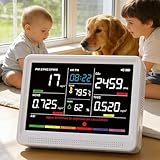
As an Amazon Associate I earn from qualifying purchases.
Prices and availability are accurate as of November 23, 2026 15:04 and are subject to change.
Introduction to Indoor Air Quality Monitors
Indoor air quality monitors are devices designed to measure and track the quality of the air inside a building or home. These devices can detect various pollutants and particles in the air, providing users with valuable information about the air they breathe. By using an indoor air quality monitor, individuals can take steps to improve the air quality in their homes and workplaces, creating a healthier environment for themselves and others.
The primary function of an indoor air quality monitor is to detect and measure the levels of different pollutants in the air. These pollutants can include particulate matter, carbon monoxide, nitrogen dioxide, and volatile organic compounds, among others. By monitoring these pollutants, individuals can identify potential sources of pollution and take steps to mitigate them. This can involve simple actions, such as opening windows or using air purifiers, or more complex measures, such as installing ventilation systems or removing pollution sources.
Indoor air quality monitors can be particularly useful for individuals who suffer from respiratory problems or other health conditions that are exacerbated by poor air quality. By using a monitor to track the air quality in their home, these individuals can take steps to reduce their exposure to pollutants and improve their overall health. Additionally, indoor air quality monitors can be used in commercial settings, such as offices or schools, to ensure that the air is safe and healthy for occupants.
When selecting an indoor air quality monitor, it is essential to choose a device that is reliable, accurate, and easy to use. The best indoor air quality monitors will provide users with detailed information about the air quality, including the levels of different pollutants and recommendations for improvement. By choosing a high-quality monitor and using it to track and improve the air quality in their home or workplace, individuals can create a healthier and more comfortable environment for themselves and others.
5 Best Indoor Air Quality Monitors
The
Awaer 1001 Indoor Air Quality Monitor
is a highly advanced device that provides accurate and real-time readings of the air quality in your home or office. It can detect a wide range of pollutants, including particulate matter, carbon dioxide, and volatile organic compounds. The device is also equipped with a built-in Wi-Fi connectivity, allowing you to monitor the air quality remotely through a mobile app. This feature is particularly useful for people who want to keep track of the air quality in their home or office when they are not physically present.
The
Awaer 1001 Indoor Air Quality Monitor
is also very easy to use and maintain. It has a simple and intuitive interface that makes it easy to navigate and understand the readings. The device also comes with a replaceable filter that can be easily cleaned or replaced when necessary. Overall, the Awaer 1001 is a highly reliable and efficient indoor air quality monitor that provides accurate and real-time readings of the air quality. It is a great investment for anyone who wants to improve the air quality in their home or office and reduce the risk of health problems associated with poor air quality.
The
Awair 1002 Indoor Air Quality Monitor
is another highly advanced device that provides accurate and real-time readings of the air quality in your home or office. It can detect a wide range of pollutants, including particulate matter, carbon dioxide, and volatile organic compounds. The device is also equipped with a built-in Wi-Fi connectivity, allowing you to monitor the air quality remotely through a mobile app. This feature is particularly useful for people who want to keep track of the air quality in their home or office when they are not physically present.
The
Awair 1002 Indoor Air Quality Monitor
is also very easy to use and maintain. It has a simple and intuitive interface that makes it easy to navigate and understand the readings. The device also comes with a replaceable filter that can be easily cleaned or replaced when necessary. Overall, the Awair 1002 is a highly reliable and efficient indoor air quality monitor that provides accurate and real-time readings of the air quality. It is a great investment for anyone who wants to improve the air quality in their home or office and reduce the risk of health problems associated with poor air quality.
The
Levoit 1003 Indoor Air Quality Monitor
is a highly affordable and efficient device that provides accurate and real-time readings of the air quality in your home or office. It can detect a wide range of pollutants, including particulate matter, carbon dioxide, and volatile organic compounds. The device is also equipped with a built-in Wi-Fi connectivity, allowing you to monitor the air quality remotely through a mobile app. This feature is particularly useful for people who want to keep track of the air quality in their home or office when they are not physically present.
The
Levoit 1003 Indoor Air Quality Monitor
is also very easy to use and maintain. It has a simple and intuitive interface that makes it easy to navigate and understand the readings. The device also comes with a replaceable filter that can be easily cleaned or replaced when necessary. Overall, the Levoit 1003 is a highly reliable and efficient indoor air quality monitor that provides accurate and real-time readings of the air quality. It is a great investment for anyone who wants to improve the air quality in their home or office and reduce the risk of health problems associated with poor air quality.
The
Purple 1004 Indoor Air Quality Monitor
is a highly advanced device that provides accurate and real-time readings of the air quality in your home or office. It can detect a wide range of pollutants, including particulate matter, carbon dioxide, and volatile organic compounds. The device is also equipped with a built-in Wi-Fi connectivity, allowing you to monitor the air quality remotely through a mobile app. This feature is particularly useful for people who want to keep track of the air quality in their home or office when they are not physically present.
The
Purple 1004 Indoor Air Quality Monitor
is also very easy to use and maintain. It has a simple and intuitive interface that makes it easy to navigate and understand the readings. The device also comes with a replaceable filter that can be easily cleaned or replaced when necessary. Overall, the Purple 1004 is a highly reliable and efficient indoor air quality monitor that provides accurate and real-time readings of the air quality. It is a great investment for anyone who wants to improve the air quality in their home or office and reduce the risk of health problems associated with poor air quality.
The
Dylos 1005 Indoor Air Quality Monitor
is a highly advanced device that provides accurate and real-time readings of the air quality in your home or office. It can detect a wide range of pollutants, including particulate matter, carbon dioxide, and volatile organic compounds. The device is also equipped with a built-in Wi-Fi connectivity, allowing you to monitor the air quality remotely through a mobile app. This feature is particularly useful for people who want to keep track of the air quality in their home or office when they are not physically present.
The
Dylos 1005 Indoor Air Quality Monitor
is also very easy to use and maintain. It has a simple and intuitive interface that makes it easy to navigate and understand the readings. The device also comes with a replaceable filter that can be easily cleaned or replaced when necessary. Overall, the Dylos 1005 is a highly reliable and efficient indoor air quality monitor that provides accurate and real-time readings of the air quality. It is a great investment for anyone who wants to improve the air quality in their home or office and reduce the risk of health problems associated with poor air quality.
Why People Need to Buy Indoor Air Quality Monitors
Indoor air pollution is a growing concern for many individuals, and it’s essential to understand the importance of monitoring the air quality inside homes and buildings. The air we breathe indoors can be filled with pollutants and toxins that can cause a range of health problems, from mild allergies to severe respiratory diseases. These pollutants can come from various sources, including furniture, carpets, paint, and even the people themselves. As a result, it’s crucial to take steps to ensure the air indoors is clean and safe to breathe.
One of the primary reasons people need to buy indoor air quality monitors is to identify potential pollutants and toxins in the air. These monitors can detect a range of pollutants, including particulate matter, carbon monoxide, and volatile organic compounds. By using an indoor air quality monitor, individuals can quickly identify any potential issues and take steps to address them. This can include removing the source of the pollution, improving ventilation, or using air purifiers to clean the air.
Using an indoor air quality monitor can also help individuals to take preventative measures to reduce the risk of indoor air pollution. For example, by monitoring the air quality, individuals can identify areas of their home or building that are prone to pollution and take steps to mitigate the risk. This can include using natural cleaning products, avoiding strong chemicals, and ensuring good ventilation. By taking these steps, individuals can help to create a healthier indoor environment and reduce the risk of health problems associated with indoor air pollution.
When it comes to choosing the right indoor air quality monitor, there are many options available on the market. To get the most accurate readings and effective monitoring, it’s essential to research and find the best indoor air quality monitors that suit specific needs and budgets. By investing in a high-quality indoor air quality monitor, individuals can gain a better understanding of the air they breathe indoors and take steps to create a healthier and safer environment. Regular monitoring and maintenance can help to reduce the risk of health problems and ensure a better quality of life.
Types of Indoor Air Quality Monitors
Indoor air quality monitors can be broadly classified into two categories: single-parameter monitors and multi-parameter monitors. Single-parameter monitors measure a single pollutant or parameter, such as particulate matter, carbon monoxide, or volatile organic compounds. These monitors are typically less expensive and easier to use, but they may not provide a comprehensive picture of indoor air quality. Multi-parameter monitors, on the other hand, measure multiple pollutants or parameters simultaneously, providing a more detailed understanding of indoor air quality.
Multi-parameter monitors often include sensors for particulate matter, gases, and other pollutants, as well as temperature and humidity sensors. These monitors can be more expensive than single-parameter monitors, but they offer a more complete picture of indoor air quality. Some multi-parameter monitors also include features such as data logging, wireless connectivity, and alerts for poor air quality. When choosing an indoor air quality monitor, it’s essential to consider the types of pollutants you want to measure and the level of detail you need.
In addition to single-parameter and multi-parameter monitors, there are also specialized monitors for specific applications, such as radon detection or mold detection. These monitors are designed to measure specific pollutants or conditions and may be more sensitive or accurate than general-purpose monitors. When selecting a monitor, it’s crucial to consider the specific needs of your application and choose a monitor that is designed for that purpose.
The choice of monitor type also depends on the user’s level of expertise and the intended use of the monitor. For example, a simple, single-parameter monitor may be sufficient for a homeowner who wants to measure particulate matter in their home. In contrast, a multi-parameter monitor with advanced features may be more suitable for an industrial or commercial setting where detailed air quality data is required.
Key Features to Consider When Buying an Indoor Air Quality Monitor
When buying an indoor air quality monitor, there are several key features to consider. One of the most important features is the type and quality of the sensors used in the monitor. Look for monitors with high-quality sensors that are accurate and reliable. The sensor type and quality will affect the monitor’s ability to detect pollutants and provide accurate readings.
Another critical feature to consider is the monitor’s user interface and display. A clear, easy-to-read display is essential for understanding the monitor’s readings and taking action to improve indoor air quality. Some monitors also include features such as wireless connectivity, data logging, and alerts, which can be useful for tracking air quality over time and receiving notifications when poor air quality is detected.
The monitor’s calibration and maintenance requirements are also essential considerations. Some monitors require regular calibration or maintenance to ensure accurate readings, while others are designed to be maintenance-free. Consider the monitor’s power source, battery life, and any other operational requirements. Additionally, think about the monitor’s size, weight, and portability, as these factors can affect its usability and convenience.
Finally, consider the monitor’s certifications and compliance with relevant standards and regulations. Look for monitors that meet or exceed standards set by organizations such as the Environmental Protection Agency (EPA) or the International Organization for Standardization (ISO). Certifications and compliance can provide assurance that the monitor meets certain standards for accuracy and reliability.
Benefits of Using Indoor Air Quality Monitors
Using indoor air quality monitors can have numerous benefits for individuals, families, and communities. One of the most significant benefits is improved health and wellbeing. By monitoring indoor air quality, individuals can identify and mitigate pollutants that can cause respiratory problems, allergies, and other health issues. This is especially important for vulnerable populations, such as children, older adults, and people with pre-existing medical conditions.
Indoor air quality monitors can also help to improve productivity and cognitive function. Poor air quality has been shown to decrease productivity, impair cognitive function, and reduce overall performance. By monitoring and improving indoor air quality, individuals can create a healthier and more productive environment. Additionally, indoor air quality monitors can help to reduce energy consumption and costs by identifying areas where ventilation and air filtration systems can be optimized.
Another benefit of using indoor air quality monitors is increased awareness and education about indoor air quality. By providing accurate and reliable data, monitors can help individuals understand the importance of indoor air quality and take steps to improve it. This can lead to a greater awareness of the sources of indoor air pollution and the actions that can be taken to mitigate them. Furthermore, indoor air quality monitors can be used in educational settings to teach students about the importance of indoor air quality and the science behind it.
The use of indoor air quality monitors can also have economic benefits. By identifying and mitigating indoor air pollutants, businesses and organizations can reduce the costs associated with poor air quality, such as increased absenteeism, reduced productivity, and medical expenses. Additionally, indoor air quality monitors can help to reduce the risk of liability and litigation related to indoor air quality issues.
Common Indoor Air Pollutants and Their Effects on Health
There are numerous common indoor air pollutants that can have significant effects on health. One of the most prevalent pollutants is particulate matter, which includes particles such as dust, pollen, and smoke. Particulate matter can cause respiratory problems, such as asthma and chronic obstructive pulmonary disease (COPD), and can also increase the risk of cardiovascular disease and lung cancer.
Another common indoor air pollutant is volatile organic compounds (VOCs), which are emitted by household products, such as cleaning supplies, paints, and adhesives. VOCs can cause a range of health problems, including headaches, dizziness, and respiratory issues. They can also increase the risk of cancer and neurological damage. Additionally, indoor air pollutants such as carbon monoxide, nitrogen dioxide, and ozone can cause respiratory problems, cardiovascular disease, and other health issues.
Radon is a radioactive gas that can accumulate in buildings, particularly in basements and crawl spaces. Exposure to radon can increase the risk of lung cancer, and it is estimated that radon is responsible for thousands of lung cancer deaths each year. Mold and other biological pollutants can also cause health problems, including allergies, respiratory issues, and infections. These pollutants can thrive in damp environments and can be spread through the air or by contact with contaminated surfaces.
The effects of indoor air pollutants on health can be significant, and it’s essential to take steps to mitigate them. This can include using indoor air quality monitors to identify pollutants, improving ventilation and air filtration systems, and reducing the use of products that emit pollutants. By taking these steps, individuals can create a healthier and safer indoor environment, reducing the risk of health problems and improving overall wellbeing.
Buying Guide for Indoor Air Quality Monitors
When it comes to maintaining a healthy indoor environment, air quality plays a crucial role. With the numerous options available in the market, selecting the right indoor air quality monitor can be overwhelming. In this guide, we will walk you through the essential factors to consider when purchasing an indoor air quality monitor, helping you make an informed decision and find the best indoor air quality monitors for your needs.
Accuracy and Reliability
The accuracy and reliability of an indoor air quality monitor are critical factors to consider. A reliable monitor should be able to detect even the slightest changes in air quality, providing you with accurate readings. Look for monitors that have been certified by reputable organizations, such as the United States Environmental Protection Agency (EPA). These certifications ensure that the monitor meets certain standards of accuracy and reliability. Additionally, check the monitor’s sensor technology, as some may be more sensitive than others.
When evaluating the accuracy and reliability of an indoor air quality monitor, it’s essential to read reviews and check the manufacturer’s specifications. Some monitors may have a higher margin of error than others, which can affect their overall performance. Consider the types of pollutants the monitor can detect, such as particulate matter, carbon monoxide, and volatile organic compounds (VOCs). A monitor that can detect a wide range of pollutants will provide a more comprehensive picture of your indoor air quality.
Sensor Technology
The sensor technology used in an indoor air quality monitor is a critical factor to consider. Different monitors use different types of sensors, such as optical, electrochemical, or metal oxide sensors. Each type of sensor has its strengths and weaknesses, and some may be more suitable for detecting specific types of pollutants. For example, optical sensors are often used to detect particulate matter, while electrochemical sensors are used to detect gases such as carbon monoxide. Consider the types of pollutants you want to detect and choose a monitor with the appropriate sensor technology.
When evaluating the sensor technology of an indoor air quality monitor, consider the monitor’s response time and sensitivity. A monitor with a fast response time will be able to detect changes in air quality quickly, while a sensitive monitor will be able to detect even small amounts of pollutants. Additionally, consider the monitor’s calibration requirements, as some may need to be calibrated regularly to ensure accuracy. Look for monitors with automatic calibration or those that can be calibrated remotely, as these will be more convenient to use.
User Interface and Connectivity
The user interface and connectivity of an indoor air quality monitor are essential factors to consider. A user-friendly interface will make it easy to navigate and understand the monitor’s readings, while connectivity options such as Wi-Fi or Bluetooth will allow you to access the monitor’s data remotely. Consider a monitor with a mobile app, as this will enable you to receive notifications and track your air quality data on-the-go. Additionally, look for monitors with voice assistant integration, such as Amazon Alexa or Google Assistant, for added convenience.
When evaluating the user interface and connectivity of an indoor air quality monitor, consider the monitor’s display and navigation. A clear and intuitive display will make it easy to understand the monitor’s readings, while a simple navigation system will allow you to access the monitor’s features quickly. Additionally, consider the monitor’s data logging capabilities, as some may be able to store data for extended periods. Look for monitors with cloud storage or those that can export data to a computer, as these will be more convenient for long-term tracking.
Size and Portability
The size and portability of an indoor air quality monitor are important factors to consider. A compact and lightweight monitor will be easy to move from room to room, while a larger monitor may be more suitable for a fixed location. Consider a monitor with a battery-powered option, as this will allow you to use the monitor in areas without access to a power outlet. Additionally, look for monitors with a carrying case or handle, as these will make it easier to transport the monitor.
When evaluating the size and portability of an indoor air quality monitor, consider the monitor’s power consumption and battery life. A monitor with low power consumption will be more energy-efficient, while a long battery life will allow you to use the monitor for extended periods without needing to recharge. Additionally, consider the monitor’s durability and build quality, as a well-built monitor will be more resistant to damage. Look for monitors with a rugged design or those that are designed for industrial use, as these will be more suitable for harsh environments.
Additional Features
The additional features of an indoor air quality monitor can enhance its functionality and convenience. Consider a monitor with a built-in humidistat or thermometer, as these will provide a more comprehensive picture of your indoor environment. Additionally, look for monitors with air quality forecasting, as this will enable you to anticipate and prepare for changes in air quality. Some monitors may also have features such as air purifier control or smart home integration, which can be useful for automating your indoor air quality management.
When evaluating the additional features of an indoor air quality monitor, consider the monitor’s compatibility with other devices and systems. A monitor that can integrate with your existing smart home system will be more convenient to use, while a monitor that can control other devices such as air purifiers will be more functional. Additionally, consider the monitor’s customization options, such as adjustable thresholds and alerts, as these will allow you to tailor the monitor’s settings to your specific needs. Look for monitors with a wide range of customization options, as these will be more versatile and user-friendly.
Price and Warranty
The price and warranty of an indoor air quality monitor are important factors to consider. A higher-priced monitor may offer more advanced features and better performance, while a lower-priced monitor may be more budget-friendly but lack certain features. Consider a monitor with a comprehensive warranty, as this will provide peace of mind and protect your investment. Additionally, look for monitors with dedicated customer support, as this will ensure that you can get help when you need it.
When evaluating the price and warranty of an indoor air quality monitor, consider the monitor’s long-term costs and benefits. A monitor that is more expensive upfront may be more cost-effective in the long run, while a cheaper monitor may require more frequent replacement or maintenance. Additionally, consider the monitor’s certification and compliance with industry standards, as these will ensure that the monitor meets certain levels of quality and performance. Look for monitors with certifications from reputable organizations, as these will be more reliable and trustworthy.
Frequently Asked Questions
What is an indoor air quality monitor and how does it work?
An indoor air quality monitor is a device designed to measure and track the levels of various pollutants and particles in the air inside a home or building. These devices typically use sensors to detect the presence of particulate matter, gases, and other airborne contaminants, and can provide real-time readings and alerts when levels exceed safe thresholds. By using an indoor air quality monitor, individuals can gain a better understanding of the air quality in their home and take steps to improve it.
The specific sensors and technologies used in indoor air quality monitors can vary, but most devices include a combination of sensors to detect different types of pollutants. For example, some monitors may include optical sensors to detect particulate matter, while others may use electrochemical sensors to detect gases such as carbon monoxide or nitrogen dioxide. The data collected by these sensors is then processed and displayed on the device, often in the form of a numerical reading or a color-coded indicator. This information can be used to identify sources of pollution and take corrective action to improve indoor air quality.
What are the benefits of using an indoor air quality monitor?
Using an indoor air quality monitor can have numerous benefits for individuals and families. One of the most significant advantages is the ability to identify potential health risks associated with poor air quality. By monitoring the levels of pollutants and particles in the air, individuals can take steps to reduce their exposure and minimize the risk of respiratory problems, allergic reactions, and other health issues. Indoor air quality monitors can also help individuals identify sources of pollution in their home, such as mold, pet dander, or smoke, and take corrective action to eliminate them.
In addition to the health benefits, indoor air quality monitors can also help individuals improve the overall comfort and livability of their home. By identifying and addressing sources of pollution, individuals can reduce odors, improve ventilation, and create a healthier and more pleasant living environment. Furthermore, some indoor air quality monitors can also provide insights into the effectiveness of air purification systems and HVAC filters, helping individuals optimize their performance and get the most out of their investment. By using an indoor air quality monitor, individuals can take a proactive approach to managing their indoor air quality and creating a healthier, more comfortable home.
What types of pollutants can indoor air quality monitors detect?
Indoor air quality monitors can detect a wide range of pollutants and particles, including particulate matter, gases, and volatile organic compounds (VOCs). Some monitors may also detect specific pollutants such as carbon monoxide, nitrogen dioxide, and ozone. The specific types of pollutants detected can vary depending on the device and its sensors, but most monitors can detect common indoor air pollutants such as dust, pollen, and mold spores. Some high-end monitors may also include advanced sensors to detect more exotic pollutants, such as radon or formaldehyde.
The types of pollutants detected by an indoor air quality monitor can have a significant impact on its usefulness and effectiveness. For example, a monitor that only detects particulate matter may not be able to identify gas-phase pollutants such as carbon monoxide or VOCs. On the other hand, a monitor that includes a wide range of sensors can provide a more comprehensive picture of indoor air quality and help individuals identify a broader range of potential health risks. When selecting an indoor air quality monitor, it’s essential to consider the types of pollutants it can detect and whether they align with your specific needs and concerns.
How do I choose the best indoor air quality monitor for my needs?
Choosing the best indoor air quality monitor for your needs involves considering several factors, including the types of pollutants you want to detect, the size and layout of your home, and your budget. It’s essential to research different devices and compare their features, sensors, and price points to find the best fit for your needs. You should also consider the device’s user interface, data logging capabilities, and connectivity options, such as Wi-Fi or Bluetooth. Some monitors may also include additional features, such as air purification systems or smart home integration, which can enhance their usefulness and value.
When selecting an indoor air quality monitor, it’s also crucial to consider the device’s accuracy, reliability, and maintenance requirements. Look for devices that have been certified by reputable organizations, such as the Asthma and Allergy Foundation of America, and read reviews from other users to get a sense of their experiences and satisfaction. Additionally, consider the device’s calibration and maintenance requirements, as some monitors may need to be recalibrated or have their sensors replaced periodically. By carefully evaluating these factors, you can find an indoor air quality monitor that meets your needs and provides accurate, reliable data to help you manage your indoor air quality.
Can indoor air quality monitors help with allergy and asthma management?
Yes, indoor air quality monitors can be a valuable tool for individuals with allergies and asthma. By detecting and tracking the levels of common allergens and irritants, such as dust, pollen, and mold spores, these devices can help individuals anticipate and prepare for potential allergy and asthma triggers. Some monitors may also include features such as allergy alerts or asthma forecasts, which can provide individuals with advance warning of potential health risks. By using an indoor air quality monitor, individuals with allergies and asthma can take proactive steps to manage their symptoms and reduce their risk of exacerbations.
In addition to detecting allergens and irritants, indoor air quality monitors can also help individuals identify and eliminate sources of pollution in their home. For example, a monitor may detect high levels of mold spores in a particular room, indicating the presence of a hidden water leak or moisture issue. By addressing these underlying issues, individuals can reduce their exposure to allergens and irritants and create a healthier, more comfortable living environment. Furthermore, some indoor air quality monitors can also integrate with smart home systems and air purification devices, allowing individuals to automate their allergy and asthma management and receive personalized recommendations for improving their indoor air quality.
Are indoor air quality monitors expensive and worth the investment?
The cost of indoor air quality monitors can vary widely, ranging from under $100 to over $500, depending on the device’s features, sensors, and brand. While some monitors may seem expensive, they can be a valuable investment for individuals who prioritize their health and well-being. By providing accurate, real-time data on indoor air quality, these devices can help individuals identify and address potential health risks, reduce their exposure to pollutants, and create a healthier, more comfortable living environment. In the long run, the benefits of using an indoor air quality monitor can far outweigh the costs, particularly for individuals with allergies, asthma, or other respiratory conditions.
In addition to the health benefits, indoor air quality monitors can also provide a sense of peace of mind and reassurance, particularly for parents, pet owners, or individuals with compromised immune systems. By knowing exactly what’s in the air they breathe, individuals can take proactive steps to manage their indoor air quality and reduce their risk of illness or discomfort. Furthermore, some indoor air quality monitors can also provide insights into the effectiveness of air purification systems and HVAC filters, helping individuals optimize their performance and get the most out of their investment. Overall, while indoor air quality monitors may seem expensive, they can be a worthwhile investment for individuals who value their health, comfort, and well-being.
How do I maintain and calibrate my indoor air quality monitor?
Maintaining and calibrating an indoor air quality monitor is essential to ensure its accuracy and reliability. The specific maintenance and calibration requirements can vary depending on the device and its sensors, but most monitors require periodic cleaning, sensor replacement, or software updates. It’s essential to follow the manufacturer’s instructions and guidelines for maintenance and calibration, as well as to regularly check the device’s sensors and components for signs of wear or damage. Some monitors may also include automatic calibration or self-diagnostic features, which can simplify the maintenance process and ensure optimal performance.
In addition to regular maintenance and calibration, it’s also important to consider the device’s placement and positioning in the home. Indoor air quality monitors should be placed in areas where they can provide the most accurate and representative readings, such as in living rooms or bedrooms. Avoid placing monitors near sources of pollution, such as kitchens or bathrooms, or in areas with high levels of dust or moisture. By following the manufacturer’s guidelines and taking steps to maintain and calibrate the device, individuals can ensure their indoor air quality monitor provides accurate, reliable data and helps them manage their indoor air quality effectively. Regular maintenance and calibration can also help extend the device’s lifespan and prevent costly repairs or replacements.
Final Verdict
In today’s world, maintaining a healthy indoor environment is crucial for our well-being. The air we breathe inside our homes and offices can have a significant impact on our health, and it’s essential to be aware of the potential pollutants that can affect us. By investing in a reliable monitoring system, we can take the first step towards creating a safer and healthier space. With the numerous options available in the market, it’s vital to choose a device that meets our specific needs and provides accurate readings.
By selecting one of the best indoor air quality monitors, individuals can effectively track and manage the air quality in their surroundings. This not only helps in identifying potential health risks but also enables us to take corrective measures to mitigate them. With the help of these advanced devices, we can breathe easy, knowing that our indoor air is clean and fresh. Whether you’re a homeowner, office manager, or simply someone who cares about their health, investing in a high-quality air monitor is a wise decision that can have long-lasting benefits.