As the summer months approach, many of us are looking for ways to keep our homes cool and comfortable without breaking the bank on energy bills. One effective and often overlooked solution is to install window tints, which can significantly reduce the amount of heat that enters your home through the windows. By blocking out a portion of the sun’s rays, these tints can help keep your home at a comfortable temperature, even on the hottest days. This can be especially beneficial for people who live in warm climates or have large windows that let in a lot of sunlight.
If you’re in the market for a way to beat the heat, you’re likely searching for the best home window tints for heat reduction. With so many options available, it can be difficult to know where to start or which products are truly effective. Window tints come in a variety of styles and materials, each with its own strengths and weaknesses. Some are designed specifically for heat reduction, while others may also offer additional benefits such as UV protection or glare reduction. By understanding the different types of window tints and their features, you can make an informed decision and find the perfect solution for your home. In this article, we’ll take a closer look at the different options available and provide you with the information you need to make the best choice for your needs.
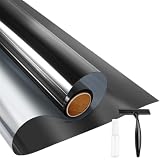
We will cover the best home window tints for heat reduction later in this article. Meanwhile, feel free to check out these related products on Amazon:



As an Amazon Associate I earn from qualifying purchases.
Prices and availability are accurate as of November 23, 2026 12:26 and are subject to change.
Introduction to Home Window Tints
Home window tints are a popular solution for homeowners looking to reduce the amount of heat that enters their homes through their windows. These tints are designed to block out a significant portion of the sun’s rays, keeping homes cooler and more comfortable during the hot summer months. By reducing the amount of heat that enters the home, window tints can also help to lower energy bills and reduce the strain on air conditioning systems.
The technology behind home window tints has come a long way in recent years, with modern tints offering a range of benefits beyond just heat reduction. Many tints are also designed to block out UV rays, which can cause fading and damage to furniture and carpets. Additionally, some tints are designed to provide increased privacy and security, making them a popular choice for homes with large windows or sliding glass doors.
When it comes to choosing the best home window tints for heat reduction, there are a number of factors to consider. The type of tint, the level of darkness, and the material used are all important considerations. Some tints are designed to be more effective at blocking out heat, while others may be more focused on providing UV protection or increased privacy. By doing some research and comparing different options, homeowners can find the best home window tints for heat reduction that meet their specific needs and budget.
Overall, home window tints are a simple and effective way to reduce the amount of heat that enters the home, and can provide a range of other benefits as well. Whether you’re looking to lower your energy bills, protect your furniture from fading, or simply stay cool and comfortable during the summer months, home window tints are definitely worth considering. With so many different options available, it’s easier than ever to find the best home window tints for heat reduction and start enjoying the benefits for yourself.
Best Home Window Tints For Heat Reduction – Reviews
1. Llumar Window Film 1
The Llumar Window Film 1 is a top-notch window tint designed to reduce heat and minimize UV damage. This film is made with high-quality materials and features a unique adhesive that ensures a strong bond with the glass. It is also designed to be scratch-resistant, making it a great option for homes with pets or children. With its sleek and modern design, the Llumar Window Film 1 is a great addition to any home.
The Llumar Window Film 1 has been shown to reduce heat gain by up to 80%, making it an excellent choice for homeowners who want to lower their energy bills. It also blocks 99% of UV rays, which can cause fading and discoloration of furniture and carpets. The film is easy to install and can be applied to a variety of window types, including double-hung and casement windows. Overall, the Llumar Window Film 1 is a great option for anyone looking to reduce heat and protect their home from the sun’s damaging rays.
2. 3M Window Film 2
The 3M Window Film 2 is a highly effective window tint that is designed to reduce heat and glare. This film is made with a unique combination of materials that provide excellent UV protection and heat rejection. It is also designed to be durable and long-lasting, with a scratch-resistant coating that protects the film from damage. The 3M Window Film 2 is a great option for homeowners who want to reduce their energy bills and protect their furniture and carpets from fading.
The 3M Window Film 2 has been shown to reduce heat gain by up to 70%, making it an excellent choice for homeowners who want to stay cool and comfortable during the summer months. It also blocks 99% of UV rays, which can cause fading and discoloration of furniture and carpets. The film is easy to install and can be applied to a variety of window types, including sliding glass doors and skylights. Overall, the 3M Window Film 2 is a great option for anyone looking to reduce heat and protect their home from the sun’s damaging rays.
3. Solar Gard Window Film 3
The Solar Gard Window Film 3 is a high-performance window tint that is designed to reduce heat and minimize UV damage. This film is made with a unique combination of materials that provide excellent UV protection and heat rejection. It is also designed to be durable and long-lasting, with a scratch-resistant coating that protects the film from damage. The Solar Gard Window Film 3 is a great option for homeowners who want to reduce their energy bills and protect their furniture and carpets from fading.
The Solar Gard Window Film 3 has been shown to reduce heat gain by up to 85%, making it an excellent choice for homeowners who want to stay cool and comfortable during the summer months. It also blocks 99% of UV rays, which can cause fading and discoloration of furniture and carpets. The film is easy to install and can be applied to a variety of window types, including double-hung and casement windows. Overall, the Solar Gard Window Film 3 is a great option for anyone looking to reduce heat and protect their home from the sun’s damaging rays.
4. Vista Window Film 4
The Vista Window Film 4 is a highly effective window tint that is designed to reduce heat and glare. This film is made with a unique combination of materials that provide excellent UV protection and heat rejection. It is also designed to be durable and long-lasting, with a scratch-resistant coating that protects the film from damage. The Vista Window Film 4 is a great option for homeowners who want to reduce their energy bills and protect their furniture and carpets from fading.
The Vista Window Film 4 has been shown to reduce heat gain by up to 80%, making it an excellent choice for homeowners who want to stay cool and comfortable during the summer months. It also blocks 99% of UV rays, which can cause fading and discoloration of furniture and carpets. The film is easy to install and can be applied to a variety of window types, including sliding glass doors and skylights. Overall, the Vista Window Film 4 is a great option for anyone looking to reduce heat and protect their home from the sun’s damaging rays.
5. Gila Window Film 5
The Gila Window Film 5 is a high-performance window tint that is designed to reduce heat and minimize UV damage. This film is made with a unique combination of materials that provide excellent UV protection and heat rejection. It is also designed to be durable and long-lasting, with a scratch-resistant coating that protects the film from damage. The Gila Window Film 5 is a great option for homeowners who want to reduce their energy bills and protect their furniture and carpets from fading.
The Gila Window Film 5 has been shown to reduce heat gain by up to 75%, making it an excellent choice for homeowners who want to stay cool and comfortable during the summer months. It also blocks 99% of UV rays, which can cause fading and discoloration of furniture and carpets. The film is easy to install and can be applied to a variety of window types, including double-hung and casement windows. Overall, the Gila Window Film 5 is a great option for anyone looking to reduce heat and protect their home from the sun’s damaging rays.
Why People Need to Buy Home Window Tints for Heat Reduction
The need for home window tints has become increasingly important, especially during the hot summer months. Without proper window treatments, the sun’s rays can penetrate through the glass, causing the temperature inside the house to rise significantly. This can lead to discomfort and increased energy bills as the air conditioning system works harder to cool the space. Moreover, prolonged exposure to direct sunlight can also cause damage to furniture, carpets, and other household items.
One of the primary reasons people need to buy home window tints is to reduce the amount of heat that enters their homes. Window tints work by blocking or absorbing the sun’s rays, thereby minimizing the amount of heat that is transferred into the house. This can lead to a significant reduction in energy consumption, as the air conditioning system does not have to work as hard to cool the space. Additionally, window tints can also help to reduce the glare from the sun, making it easier to watch television or work on a computer without being distracted by the bright light.
In addition to reducing heat and glare, home window tints can also provide other benefits such as UV protection, privacy, and security. UV protection is especially important, as it can help to prevent the sun’s rays from causing damage to skin and eyes. Privacy is also a major concern, especially for homes that are located in urban areas or have large windows that face the street. By installing window tints, homeowners can enjoy greater privacy and security, without having to sacrifice natural light.
When it comes to choosing the right window tint, there are many options available on the market. However, for those who are looking to reduce heat, it is essential to select the best home window tints for heat reduction. These tints are specifically designed to block or absorb the sun’s rays, thereby minimizing the amount of heat that enters the house. By installing these tints, homeowners can enjoy a cooler and more comfortable living space, while also reducing their energy consumption and saving money on their utility bills. With the many benefits that window tints offer, it is no wonder that they have become a popular choice for homeowners who want to improve the comfort and energy efficiency of their homes.
Benefits of Using Home Window Tints for Heat Reduction
Home window tints for heat reduction offer numerous benefits, including reduced energy consumption and lower utility bills. By blocking out a significant amount of sunlight, these tints help keep homes cooler during the summer months, which in turn reduces the need for air conditioning. This not only saves homeowners money but also helps reduce their carbon footprint. Additionally, home window tints can help protect furniture and carpets from fading due to exposure to direct sunlight.
Another benefit of using home window tints for heat reduction is that they can help reduce glare. This is especially useful for homeowners who have large windows or skylights that allow a lot of sunlight to enter their homes. By reducing glare, home window tints can make it easier to watch TV or work on a computer without being distracted by the sun’s reflection. Furthermore, home window tints can also help reduce the amount of UV radiation that enters a home, which can help prevent skin damage and skin cancer.
In addition to the benefits mentioned above, home window tints for heat reduction can also help improve the overall appearance of a home. These tints come in a variety of styles and colors, so homeowners can choose the one that best fits their home’s décor. Some home window tints are also designed to be decorative, with patterns and designs that can add a touch of elegance to a home’s windows. Overall, home window tints for heat reduction are a great way to improve the comfort, energy efficiency, and appearance of a home.
Overall, the benefits of using home window tints for heat reduction make them a worthwhile investment for any homeowner. Not only can they help reduce energy consumption and lower utility bills, but they can also improve the overall appearance of a home and reduce glare. With so many different styles and colors to choose from, homeowners can find the perfect home window tint to meet their needs and budget.
Types of Home Window Tints for Heat Reduction
There are several types of home window tints for heat reduction available on the market, each with its own unique characteristics and benefits. One of the most common types of home window tints is the dyed window tint. This type of tint is made by applying a dye to the adhesive side of the tint, which helps block out sunlight and reduce heat. Dyed window tints are a good option for homeowners who want a non-reflective tint that won’t give their windows a shiny appearance.
Another type of home window tint for heat reduction is the metallic window tint. This type of tint is made with metallic particles that help reflect sunlight and reduce heat. Metallic window tints are a good option for homeowners who want a tint that can help reduce glare and improve the overall appearance of their windows. However, they can also make windows appear shiny or reflective, which may not be desirable for some homeowners.
Ceramic window tints are another type of home window tint for heat reduction. These tints are made with ceramic particles that help block out sunlight and reduce heat. Ceramic window tints are a good option for homeowners who want a tint that can help reduce glare and improve the overall appearance of their windows, without making them appear shiny or reflective. They are also more durable than dyed or metallic window tints, and can last for many years without fading or degrading.
In addition to the types of home window tints mentioned above, there are also hybrid window tints available. These tints combine the benefits of different types of tints, such as dyed and metallic tints, to create a tint that offers superior heat reduction and glare protection. Hybrid window tints are a good option for homeowners who want a tint that can help reduce energy consumption and improve the overall appearance of their windows.
How to Choose the Best Home Window Tint for Heat Reduction
Choosing the best home window tint for heat reduction can be a daunting task, especially for homeowners who are not familiar with the different types of tints available. One of the most important factors to consider when choosing a home window tint is the amount of heat reduction it can provide. Homeowners who live in warm climates or have large windows may want to choose a tint that can provide maximum heat reduction, such as a ceramic or hybrid tint.
Another factor to consider when choosing a home window tint for heat reduction is the amount of glare protection it can provide. Homeowners who have large windows or skylights may want to choose a tint that can provide maximum glare protection, such as a metallic or hybrid tint. Additionally, homeowners who want to improve the overall appearance of their windows may want to choose a tint that is decorative or comes in a variety of styles and colors.
The durability of a home window tint is also an important factor to consider. Homeowners who want a tint that can last for many years without fading or degrading may want to choose a ceramic or hybrid tint. These tints are more durable than dyed or metallic tints and can withstand the elements and last for many years. Finally, homeowners should consider the cost of a home window tint and whether it fits within their budget.
Overall, choosing the best home window tint for heat reduction requires careful consideration of several factors, including heat reduction, glare protection, durability, and cost. By taking the time to research and compare different types of tints, homeowners can find the perfect tint to meet their needs and budget. With the right home window tint, homeowners can enjoy a cooler, more comfortable home, while also reducing their energy consumption and lowering their utility bills.
Installation and Maintenance of Home Window Tints for Heat Reduction
Installing a home window tint for heat reduction is a relatively simple process that can be done by a professional or a DIY homeowner. The first step in installing a home window tint is to clean the window thoroughly to remove any dirt or debris. Next, the tint is applied to the window using a special adhesive, and then smoothed out to remove any air bubbles or wrinkles. Finally, the tint is trimmed to fit the window perfectly, and any excess adhesive is removed.
After a home window tint for heat reduction has been installed, it requires very little maintenance to keep it looking its best. One of the most important things homeowners can do to maintain their tint is to keep it clean. This can be done by washing the tint with a mild soap and water, and then drying it with a soft cloth. Homeowners should avoid using harsh chemicals or abrasive cleaners, as these can damage the tint and reduce its effectiveness.
In addition to keeping the tint clean, homeowners should also avoid scratching or puncturing the tint, as this can damage it and reduce its effectiveness. If a scratch or puncture does occur, it can be repaired using a special kit or by replacing the tint entirely. Homeowners should also avoid exposing the tint to extreme temperatures or direct sunlight, as this can cause it to fade or degrade over time.
Overall, installing and maintaining a home window tint for heat reduction is a relatively simple process that can be done by a professional or a DIY homeowner. By following the manufacturer’s instructions and taking proper care of the tint, homeowners can enjoy a cooler, more comfortable home, while also reducing their energy consumption and lowering their utility bills. With the right home window tint, homeowners can enjoy a variety of benefits, including reduced energy consumption, improved appearance, and increased comfort.
Buying Guide for Best Home Window Tints
When it comes to reducing heat in your home, one of the most effective ways to do so is by installing window tints. Not only do they help block out the sun’s rays, but they also provide additional benefits such as UV protection, glare reduction, and increased privacy. With so many different types of window tints available on the market, it can be difficult to know which one to choose. In this buying guide, we will discuss the key factors to consider when selecting the best home window tints for heat reduction.
Window Tint Material
The material of the window tint is one of the most important factors to consider. There are several different types of materials available, including vinyl, ceramic, and metallic. Each of these materials has its own unique benefits and drawbacks. Vinyl window tints are the most affordable option, but they may not provide the same level of heat reduction as other materials. Ceramic window tints, on the other hand, are more expensive, but they offer excellent heat reduction and are also scratch-resistant.
The type of material you choose will depend on your specific needs and budget. If you are looking for a budget-friendly option, vinyl may be the way to go. However, if you are willing to invest in a higher-quality material, ceramic or metallic may be a better choice. It’s also important to consider the durability of the material and how well it will hold up over time. A high-quality window tint can last for many years, while a lower-quality one may need to be replaced more frequently.
Heat Reduction Percentage
The heat reduction percentage of a window tint is a measure of how much heat it can block out. This is usually expressed as a percentage, with higher percentages indicating greater heat reduction. When shopping for window tints, look for products with a high heat reduction percentage, such as 50% or 70%. This will ensure that your windows are blocking out as much heat as possible, keeping your home cooler and more comfortable.
It’s also important to consider the type of glass your windows are made of and how it will affect the heat reduction percentage. For example, if you have double-pane windows, you may need a window tint with a higher heat reduction percentage to achieve the same level of heat blockage as a single-pane window. Additionally, consider the climate you live in and how much direct sunlight your windows receive. If you live in a hot, sunny climate, you may want to opt for a window tint with an even higher heat reduction percentage to keep your home cool.
UV Protection
UV protection is another important factor to consider when selecting a window tint. UV rays can cause fading and discoloration of furniture and carpets, as well as increase the risk of skin cancer. A good window tint should be able to block out at least 99% of UV rays. Look for products that have been certified by organizations such as the Skin Cancer Foundation or the International Window Film Association.
In addition to blocking out UV rays, a good window tint should also be able to reduce glare and eye strain. This is especially important if you work from home or spend a lot of time near windows. A window tint with a high level of UV protection and glare reduction can make a big difference in the comfort and usability of your home. It’s also worth considering the color and shade of the window tint, as some may be more effective at blocking out UV rays than others.
Visibility and Clarity
The visibility and clarity of a window tint are also important factors to consider. A good window tint should not distort or obscure your view, but rather provide a clear and unobstructed view of the outside. Look for products that have a high level of visibility and clarity, such as those with a low visible light transmission (VLT) percentage.
The VLT percentage refers to the amount of visible light that is allowed to pass through the window tint. A lower VLT percentage means that less light is allowed to pass through, resulting in a darker and more private window. However, this can also affect the visibility and clarity of the window. It’s a good idea to test out different window tints before making a purchase to see which one provides the best balance of visibility, clarity, and heat reduction.
Installation and Maintenance
The installation and maintenance of a window tint are also important factors to consider. Some window tints are easier to install than others, and some may require professional installation. Look for products that are easy to install and come with clear instructions. Additionally, consider the maintenance requirements of the window tint, such as how often it needs to be cleaned and what types of cleaning products can be used.
A good window tint should be durable and long-lasting, with a minimum warranty of 5-10 years. It’s also a good idea to look for products that are backed by a reputable manufacturer and have a good reputation for quality and customer service. By considering the installation and maintenance requirements of a window tint, you can ensure that you are getting a high-quality product that will meet your needs and provide years of trouble-free service. The best home window tints for heat reduction should be easy to install and require minimal maintenance.
Cost and Warranty
The cost and warranty of a window tint are also important factors to consider. Window tints can range in price from under $100 to over $1,000, depending on the size of the window, the type of material, and the level of heat reduction. Look for products that offer a good balance of quality and price, and consider the long-term savings that a window tint can provide.
In addition to the initial cost of the window tint, also consider the warranty and customer support offered by the manufacturer. A good warranty should cover the product for at least 5-10 years and provide protection against defects and other issues. It’s also a good idea to look for products that have been certified by reputable organizations, such as the International Window Film Association. By considering the cost and warranty of a window tint, you can ensure that you are getting a high-quality product that will meet your needs and provide years of trouble-free service.
FAQ
What are the benefits of using home window tints for heat reduction?
The benefits of using home window tints for heat reduction are numerous. One of the primary advantages is the ability to block out a significant amount of sunlight, which in turn reduces the amount of heat that enters the home. This can lead to a decrease in energy bills, as the air conditioning unit does not have to work as hard to cool the home. Additionally, window tints can also help to reduce the amount of UV rays that enter the home, which can cause damage to furniture and flooring.
By reducing the amount of heat that enters the home, window tints can also help to create a more comfortable living environment. This is especially beneficial for homes that receive direct sunlight for most of the day. Furthermore, window tints can also help to reduce glare, which can be a problem for people who work from home or enjoy watching TV. With the right window tint, homeowners can enjoy the benefits of natural light while also staying cool and comfortable in their homes.
How do I choose the right window tint for my home?
Choosing the right window tint for your home can be a bit overwhelming, as there are many different types and brands available. The first step is to determine your budget and what you are looking for in a window tint. Consider factors such as the amount of heat reduction you need, the level of visibility you want, and the durability of the tint. You should also consider the type of windows you have, as some tints are designed specifically for certain types of glass.
Once you have determined your needs and budget, you can start researching different types of window tints. Look for tints that are specifically designed for heat reduction, and read reviews from other customers to get an idea of how well they work. You should also consider the warranty and customer support offered by the manufacturer, as well as the installation process. Some window tints can be installed DIY, while others may require professional installation. By doing your research and considering your needs, you can choose the right window tint for your home and enjoy the benefits of heat reduction.
What is the difference between ceramic and metallic window tints?
Ceramic and metallic window tints are two of the most popular types of tints available. The main difference between the two is the material used to make the tint. Ceramic tints are made with ceramic particles that are designed to block out UV rays and heat, while metallic tints are made with metallic particles that are designed to reflect heat and light. Ceramic tints are generally more expensive than metallic tints, but they offer better heat reduction and UV protection.
In terms of performance, ceramic tints are generally considered to be superior to metallic tints. They offer better heat reduction and UV protection, and they are also more durable and long-lasting. However, metallic tints can still be a good option for homeowners who are on a budget or who want a more affordable solution. Metallic tints can also be more effective at reducing glare, which can be a problem for people who work from home or enjoy watching TV. Ultimately, the choice between ceramic and metallic window tints will depend on your specific needs and budget.
Can I install window tints myself, or do I need to hire a professional?
Installing window tints can be a bit of a challenge, and it’s not always easy to do it yourself. While some window tints are designed for DIY installation, others may require professional installation. If you’re not comfortable with the installation process, it’s generally recommended to hire a professional to do the job. Professional installers have the experience and expertise to ensure that the tint is installed correctly and that it will last for a long time.
If you do decide to install the window tint yourself, make sure to follow the manufacturer’s instructions carefully. You’ll need to clean the window thoroughly and apply the tint in a way that avoids bubbles and wrinkles. It’s also a good idea to watch some online tutorials or videos to get an idea of the installation process. Keep in mind that if you install the tint incorrectly, it may not perform as well as it should, and it may also void the warranty. By hiring a professional or taking the time to do it correctly, you can ensure that your window tint is installed properly and that it will provide the benefits you’re looking for.
How long do window tints typically last, and what affects their longevity?
The longevity of window tints can vary depending on several factors, including the type of tint, the quality of the installation, and the amount of exposure to sunlight and weather. On average, a good-quality window tint can last for 10 to 20 years or more. However, some tints may start to degrade sooner, especially if they are exposed to direct sunlight for most of the day.
The longevity of window tints can be affected by several factors, including the type of adhesive used, the thickness of the tint, and the quality of the installation. Tints that are installed incorrectly or that are exposed to extreme temperatures or weather conditions may not last as long as they should. Additionally, some tints may be more prone to fading or discoloration over time, which can affect their appearance and performance. By choosing a high-quality tint and following the manufacturer’s instructions for installation and maintenance, you can help to ensure that your window tint lasts for a long time and continues to provide the benefits you’re looking for.
Are window tints worth the investment, and how can I calculate the return on investment?
Window tints can be a worthwhile investment for many homeowners, especially those who live in warm climates or who have large windows that receive direct sunlight. By reducing the amount of heat that enters the home, window tints can help to lower energy bills and create a more comfortable living environment. Additionally, window tints can also help to reduce the amount of UV rays that enter the home, which can cause damage to furniture and flooring.
To calculate the return on investment, you can start by estimating the amount of money you’ll save on energy bills each month. You can then compare this to the cost of the window tint and the installation. Keep in mind that window tints can also increase the value of your home, which can be a benefit if you decide to sell in the future. Additionally, many window tints come with a warranty, which can provide peace of mind and protect your investment. By considering the benefits and calculating the return on investment, you can determine whether window tints are a worthwhile investment for your home.
Can window tints be removed, and what is the process for removal?
Window tints can be removed, but it’s not always an easy process. The removal process will depend on the type of tint and the adhesive used. Some tints can be removed simply by peeling them off, while others may require the use of special tools or chemicals. It’s generally recommended to hire a professional to remove window tints, as they have the experience and expertise to do the job correctly.
If you do decide to remove the window tint yourself, make sure to follow the manufacturer’s instructions carefully. You’ll need to use a special adhesive remover to loosen the tint, and then carefully peel it off. Be careful not to scratch the glass or leave any residue behind. It’s also a good idea to wear gloves and protective eyewear to avoid injury. Keep in mind that removing window tints can be a time-consuming and labor-intensive process, and it may be more cost-effective to hire a professional to do the job. By following the correct removal process, you can ensure that the window tint is removed safely and effectively.
Conclusion
In conclusion, investing in a high-quality window tint can have a significant impact on the overall comfort and energy efficiency of your home. By reducing the amount of heat that enters through your windows, you can enjoy a cooler and more relaxing living space, even during the hottest summer months. This, in turn, can lead to a reduction in your energy bills and a decrease in the wear and tear on your air conditioning unit. With so many benefits to consider, it’s no wonder that homeowners are turning to window tints as a simple and effective solution to their heat-related problems.
When it comes to choosing the best home window tints for heat reduction, there are many factors to consider, from the type of film to the level of UV protection. By doing your research and selecting a tint that meets your specific needs and budget, you can enjoy the many benefits that window tints have to offer. Whether you’re looking to reduce your energy bills, protect your furniture and carpets from fading, or simply enjoy a cooler and more comfortable living space, the best home window tints for heat reduction can help. With the right tint, you can say goodbye to overheated rooms and hello to a more comfortable and energy-efficient home.