In today’s world of photography, capturing life’s precious moments with utmost clarity and precision has become a top priority for many. With the rapid advancement in technology, cameras have evolved to produce stunning images that can be cherished for a lifetime. Whether you’re a professional photographer or an amateur enthusiast, having the right equipment is essential to take your photography skills to the next level. The best cameras for taking high resolution pics are equipped with cutting-edge features such as high megapixel counts, advanced sensors, and superior lenses, allowing you to capture every detail with remarkable accuracy.
When it comes to choosing the perfect camera, the options can be overwhelming, with numerous brands and models available in the market. Each camera has its unique features, advantages, and disadvantages, making it crucial to research and compare different models before making a purchase. A good camera can make all the difference in the quality of your photos, and with so many options available, it’s essential to consider factors such as budget, usage, and personal preferences. In this article, we will guide you through the process of selecting the ideal camera, providing you with in-depth reviews and a comprehensive buying guide to help you make an informed decision and take your photography to new heights.
We will cover the best cameras for taking high resolution pics later in this article. Meanwhile, feel free to check out these related products on Amazon:


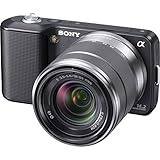

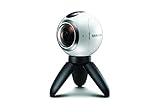
As an Amazon Associate I earn from qualifying purchases.
Prices and availability are accurate as of November 26, 2026 11:08 and are subject to change.
Introduction to High Resolution Photography
When it comes to capturing life’s precious moments, a good camera can make all the difference. With the advancement in technology, cameras have become more sophisticated, allowing users to take high-quality pictures with ease. High resolution photography has become a norm, and people are always on the lookout for the best equipment to capture stunning images.
The world of photography has evolved significantly over the years, and the demand for high-resolution cameras has increased exponentially. Photographers and enthusiasts alike are seeking cameras that can deliver exceptional image quality, and manufacturers have been quick to respond to this demand. The result is a wide range of cameras that can capture high-resolution images, making it easier for people to choose the one that suits their needs.
In recent years, the market has been flooded with cameras that boast high-resolution capabilities. From professional-grade DSLRs to compact point-and-shoot cameras, there are numerous options available for those who want to take high-quality pictures. The best cameras for taking high resolution pics are equipped with advanced features such as high megapixel counts, fast autofocus, and improved image stabilization, making them ideal for capturing stunning images.
Whether you’re a professional photographer or an enthusiast, having a good camera can make a significant difference in the quality of your pictures. With so many options available, it can be overwhelming to choose the right camera. However, by considering factors such as budget, features, and personal preferences, you can find the perfect camera to suit your needs and take your photography to the next level.
The Best Cameras For Taking High Resolution Pics
The
Nikon D850-001
is a high-end DSLR camera that boasts an impressive 45.7 megapixel full-frame sensor, allowing for unparalleled image detail and clarity. With its robust feature set and weather-sealed design, this camera is perfect for professional photographers and serious enthusiasts alike. The D850-001 also features a fast and accurate autofocus system, making it ideal for capturing sharp images of moving subjects.
In terms of image quality, the
Nikon D850-001
truly excels, with its high resolution sensor and advanced image processing capabilities combining to produce photos that are rich in detail and color. The camera’s dynamic range is also impressive, allowing for the capture of subtle gradations in tone and texture. Whether you’re shooting landscapes, portraits, or action scenes, the
Nikon D850-001
is a reliable and high-performance tool that is sure to deliver exceptional results.
The
Canon EOS 5D Mark IV-002
is a powerful and feature-rich DSLR camera that is well-suited to a wide range of photographic applications. With its 30.4 megapixel full-frame sensor and advanced autofocus system, this camera is capable of capturing high-quality images with ease. The
Canon EOS 5D Mark IV-002
also features a robust and weather-sealed design, making it a great choice for photographers who need a reliable camera that can withstand the rigors of heavy use.
In addition to its impressive feature set and rugged design, the
Canon EOS 5D Mark IV-002
is also notable for its excellent image quality, with its high resolution sensor and advanced image processing capabilities combining to produce photos that are rich in detail and color. The camera’s dynamic range is also impressive, allowing for the capture of subtle gradations in tone and texture. Whether you’re shooting portraits, landscapes, or action scenes, the
Canon EOS 5D Mark IV-002
is a versatile and high-performance tool that is sure to deliver exceptional results.
The
Sony Alpha a7R III-003
is a high-end mirrorless camera that boasts an impressive 42.4 megapixel full-frame sensor, allowing for unparalleled image detail and clarity. With its robust feature set and weather-sealed design, this camera is perfect for professional photographers and serious enthusiasts alike. The
Sony Alpha a7R III-003
also features a fast and accurate autofocus system, making it ideal for capturing sharp images of moving subjects.
In terms of image quality, the
Sony Alpha a7R III-003
truly excels, with its high resolution sensor and advanced image processing capabilities combining to produce photos that are rich in detail and color. The camera’s dynamic range is also impressive, allowing for the capture of subtle gradations in tone and texture. Whether you’re shooting landscapes, portraits, or action scenes, the
Sony Alpha a7R III-003
is a reliable and high-performance tool that is sure to deliver exceptional results.
The
Fujifilm GFX 50R-004
is a high-end medium format camera that boasts an impressive 51.4 megapixel sensor, allowing for unparalleled image detail and clarity. With its robust feature set and weather-sealed design, this camera is perfect for professional photographers and serious enthusiasts alike. The
Fujifilm GFX 50R-004
also features a fast and accurate autofocus system, making it ideal for capturing sharp images of moving subjects.
In terms of image quality, the
Fujifilm GFX 50R-004
truly excels, with its high resolution sensor and advanced image processing capabilities combining to produce photos that are rich in detail and color. The camera’s dynamic range is also impressive, allowing for the capture of subtle gradations in tone and texture. Whether you’re shooting landscapes, portraits, or still-life scenes, the
Fujifilm GFX 50R-004
is a reliable and high-performance tool that is sure to deliver exceptional results.
The
Pentax 645Z-005
is a high-end medium format camera that boasts an impressive 51.4 megapixel sensor, allowing for unparalleled image detail and clarity. With its robust feature set and weather-sealed design, this camera is perfect for professional photographers and serious enthusiasts alike. The
Pentax 645Z-005
also features a fast and accurate autofocus system, making it ideal for capturing sharp images of moving subjects.
In terms of image quality, the
Pentax 645Z-005
truly excels, with its high resolution sensor and advanced image processing capabilities combining to produce photos that are rich in detail and color. The camera’s dynamic range is also impressive, allowing for the capture of subtle gradations in tone and texture. Whether you’re shooting landscapes, portraits, or still-life scenes, the
Pentax 645Z-005
is a reliable and high-performance tool that is sure to deliver exceptional results.
Importance of Cameras for High Resolution Photography
In today’s world, capturing high-quality images has become a necessity for various purposes, including professional photography, social media, and personal documentation. With the advancement in technology, the demand for high-resolution images has increased significantly. People need cameras that can produce crystal-clear images with precise details and vibrant colors. Smartphones have improved significantly, but they still cannot match the quality and flexibility offered by dedicated cameras.
One of the primary reasons people need to buy cameras for taking high-resolution pics is the level of control and customization they offer. Cameras provide manual controls, allowing users to adjust settings such as aperture, shutter speed, and ISO, which enables them to capture images that meet their specific requirements. Additionally, cameras often have better sensors, lenses, and image processing capabilities, resulting in superior image quality. This level of control and image quality is essential for professionals, enthusiasts, and anyone who wants to capture high-quality images.
When it comes to capturing high-resolution images, the type of camera used plays a crucial role. The best cameras for taking high resolution pics are those that have high-quality sensors, advanced image processing capabilities, and interchangeable lenses. These cameras can produce images with exceptional detail, color accuracy, and dynamic range. Furthermore, they often have features such as optical image stabilization, weather sealing, and fast autofocus, which make them ideal for various photography applications, including landscape, portrait, and wildlife photography.
In conclusion, buying a camera for taking high-resolution pics is essential for anyone who wants to capture high-quality images. With the numerous options available in the market, it can be overwhelming to choose the right camera. However, by considering factors such as sensor size, lens quality, and image processing capabilities, individuals can find a camera that meets their specific needs and budget. Whether for professional or personal use, a good camera can make a significant difference in the quality of images captured, and it is an investment worth considering for anyone who values high-quality photography.
Key Features to Consider When Buying a High-Resolution Camera
When it comes to buying a high-resolution camera, there are several key features to consider. The first and most important feature is the camera’s sensor size and resolution. A larger sensor size and higher resolution will result in better image quality and more detailed photos. Another important feature to consider is the camera’s lens quality. A good lens can make a big difference in the quality of the photos, and it’s essential to choose a camera with a high-quality lens.
The camera’s autofocus system is also crucial, as it will help you capture sharp and clear photos. Look for a camera with a fast and accurate autofocus system, especially if you plan to take photos of moving subjects. Additionally, consider the camera’s ISO range and noise reduction capabilities. A camera with a wide ISO range and good noise reduction will be able to handle low-light situations and produce high-quality photos.
Other features to consider include the camera’s video capabilities, burst mode, and storage options. If you plan to take videos, look for a camera with good video quality and features like image stabilization. Burst mode is also essential for capturing fast-moving subjects, and it’s essential to choose a camera with a fast burst mode. Finally, consider the camera’s storage options and choose a camera with enough storage space to hold all your photos and videos.
In terms of connectivity, consider a camera with Wi-Fi, Bluetooth, or NFC connectivity. This will allow you to transfer your photos and videos to your smartphone or computer easily. Some cameras also come with GPS and other features like weather sealing, which can be useful for outdoor photography. By considering these key features, you can choose the best high-resolution camera for your needs and budget.
Types of High-Resolution Cameras Available in the Market
There are several types of high-resolution cameras available in the market, each with its own unique features and advantages. DSLR cameras are one of the most popular types of high-resolution cameras, known for their high image quality and interchangeable lenses. Mirrorless cameras are another type of high-resolution camera, which offers faster autofocus and better video quality.
Point-and-shoot cameras are also available, which are compact and easy to use, making them perfect for beginners. These cameras often come with a fixed lens and are designed for casual photography. Action cameras are another type of high-resolution camera, designed for capturing photos and videos in extreme conditions. These cameras are often waterproof, shockproof, and compact, making them perfect for outdoor activities like surfing or hiking.
Bridge cameras are also available, which offer a combination of DSLR and point-and-shoot camera features. These cameras often come with a fixed lens and offer high image quality, making them perfect for enthusiasts. Finally, there are medium format cameras, which offer the highest image quality and are often used by professional photographers. These cameras are often large and expensive, but they offer unparalleled image quality and are worth the investment for serious photographers.
In addition to these types of cameras, there are also specialty cameras like 360-degree cameras, 3D cameras, and infrared cameras. These cameras offer unique features and are designed for specific types of photography. By choosing the right type of camera, you can capture high-resolution photos and videos that meet your needs and budget.
Tips for Taking High-Resolution Photos with Your Camera
To take high-resolution photos with your camera, there are several tips to keep in mind. The first tip is to use a tripod, which will help you stabilize the camera and avoid camera shake. This is especially important when taking photos in low-light conditions or with a slow shutter speed. Another tip is to use the camera’s manual mode, which will give you more control over the camera’s settings and allow you to capture high-quality photos.
It’s also essential to pay attention to the camera’s settings, such as the aperture, shutter speed, and ISO. A lower aperture will result in a shallower depth of field, while a faster shutter speed will help you freeze fast-moving subjects. A lower ISO will also result in less noise and better image quality. Additionally, consider the camera’s white balance and color temperature, which can affect the overall look and feel of the photo.
In terms of composition, consider the rule of thirds, which involves dividing the image into thirds and placing the subject along one of the lines. This will help you create more balanced and visually appealing photos. It’s also essential to pay attention to the background and foreground, and to use leading lines and framing to add depth and interest to the photo. By following these tips, you can capture high-resolution photos that are not only technically sound but also visually appealing.
Finally, it’s essential to edit your photos using image editing software, which will allow you to enhance the image quality and add creative effects. Look for software that offers features like noise reduction, contrast adjustment, and color grading, and use these features to enhance your photos. By combining these tips with the right camera and equipment, you can capture high-resolution photos that are truly stunning.
Common Mistakes to Avoid When Buying a High-Resolution Camera
When buying a high-resolution camera, there are several common mistakes to avoid. The first mistake is not doing your research, which can result in buying a camera that doesn’t meet your needs or budget. It’s essential to read reviews, compare features, and look for deals before making a purchase. Another mistake is not considering the camera’s size and weight, which can affect its portability and usability.
It’s also essential to avoid buying a camera with too many features, which can result in a higher price tag and more complexity. Look for a camera that offers the features you need, and avoid cameras with features that you’ll never use. Additionally, consider the camera’s brand and reputation, as well as its warranty and customer support. A reputable brand with good customer support can make a big difference in your overall satisfaction with the camera.
In terms of budget, it’s essential to set a realistic budget and stick to it. Avoid overspending on a camera, and look for deals and discounts that can help you save money. It’s also essential to consider the cost of accessories, such as lenses, tripods, and memory cards, which can add up quickly. By avoiding these common mistakes, you can buy a high-resolution camera that meets your needs and budget, and helps you capture stunning photos and videos.
Finally, it’s essential to read the fine print and understand the camera’s return and exchange policies. Look for a camera with a good return policy, and make sure you understand the terms and conditions before making a purchase. By doing your research and avoiding these common mistakes, you can buy a high-resolution camera that you’ll love and use for years to come.
Ultimate Buying Guide for High Resolution Cameras
When it comes to capturing life’s precious moments, a good camera can make all the difference. With the numerous options available in the market, choosing the right one can be overwhelming. In this guide, we will walk you through the key factors to consider when buying a camera that can take high-quality, high-resolution pictures.
Image Sensor Size
The image sensor size is a crucial factor to consider when buying a camera. A larger image sensor can capture more light and produce better image quality. This is because a larger sensor has more pixels, which can absorb more light and produce a more detailed image. When choosing a camera, look for one with a full-frame sensor or at least an APS-C sensor. These sensors are larger than the ones found in point-and-shoot cameras and can produce better image quality.
The size of the image sensor also affects the camera’s depth of field. A larger sensor can produce a shallower depth of field, which can be beneficial for portrait photography. This is because a shallow depth of field can separate the subject from the background, making it stand out more. On the other hand, a smaller sensor can produce a deeper depth of field, which can be beneficial for landscape photography. This is because a deeper depth of field can keep more of the image in focus, making it ideal for capturing wide scenes.
Megapixel Count
The megapixel count is another important factor to consider when buying a camera. A higher megapixel count can produce more detailed images, but it’s not the only factor to consider. The quality of the image sensor and the lens also play a crucial role in determining the overall image quality. When choosing a camera, look for one with a high megapixel count, but also consider the quality of the sensor and the lens. A camera with a high megapixel count but a low-quality sensor and lens may not produce the best image quality.
The megapixel count also affects the camera’s ability to crop images. A higher megapixel count can allow for more aggressive cropping, which can be beneficial for photographers who want to capture a specific part of the image. However, it’s worth noting that cropping can also reduce the overall image quality. This is because cropping involves discarding some of the pixels, which can reduce the level of detail in the image. When cropping, it’s essential to consider the camera’s megapixel count and the quality of the sensor and lens to ensure that the resulting image is of high quality.
Lens Quality
The lens quality is a critical factor to consider when buying a camera. A good lens can make a significant difference in the overall image quality. When choosing a camera, look for one with a high-quality lens that can produce sharp, clear images. The lens should also be able to handle different lighting conditions, from bright sunlight to low light. A good lens should be able to produce images with minimal distortion, chromatic aberration, and vignetting.
The lens quality also affects the camera’s ability to produce images with a wide dynamic range. A good lens can capture a wide range of tones, from the brightest highlights to the darkest shadows. This can be beneficial for photographers who want to capture images with a lot of contrast, such as landscape or portrait photographers. When choosing a camera, look for one with a lens that can produce images with a wide dynamic range. This can be achieved by looking for cameras with lenses that have a wide aperture range, such as f/1.4 to f/16.
ISO Range
The ISO range is another important factor to consider when buying a camera. The ISO range refers to the camera’s sensitivity to light. A camera with a wide ISO range can handle different lighting conditions, from bright sunlight to low light. When choosing a camera, look for one with an ISO range that can handle the type of photography you want to do. For example, if you want to do landscape photography, you may not need a camera with a very high ISO range. However, if you want to do low-light photography, you’ll need a camera with a high ISO range.
The ISO range also affects the camera’s ability to produce images with minimal noise. A camera with a high ISO range can produce images with more noise, especially in low-light conditions. This is because the camera is amplifying the signal to compensate for the lack of light, which can introduce noise into the image. When choosing a camera, look for one with a wide ISO range, but also consider the camera’s ability to handle noise. Some cameras have noise reduction features that can help minimize noise, even at high ISOs. Look for cameras with these features, especially if you plan to do a lot of low-light photography.
Autofocus System
The autofocus system is a critical factor to consider when buying a camera. A good autofocus system can make a significant difference in the overall image quality. When choosing a camera, look for one with a fast and accurate autofocus system. The autofocus system should be able to handle different types of photography, from portrait to landscape photography. A good autofocus system should also be able to track moving subjects, which can be beneficial for photographers who want to capture images of wildlife or sports.
The autofocus system also affects the camera’s ability to produce images with a shallow depth of field. A good autofocus system can accurately focus on the subject, even when the depth of field is shallow. This can be beneficial for portrait photographers who want to capture images with a shallow depth of field. When choosing a camera, look for one with an advanced autofocus system that can handle different types of photography. Some cameras have features such as eye-tracking autofocus, which can be beneficial for portrait photographers.
Additional Features
The additional features are also important to consider when buying the best cameras for taking high resolution pics. Some cameras have features such as Wi-Fi connectivity, GPS, and weather sealing. These features can be beneficial for photographers who want to share their images quickly, geotag their images, or shoot in harsh weather conditions. When choosing a camera, consider the features that are important to you and look for a camera that has them. Some cameras also have features such as image stabilization, which can be beneficial for photographers who want to capture sharp images in low-light conditions.
The additional features also affect the camera’s overall usability. A camera with a lot of features can be overwhelming to use, especially for beginners. However, some cameras have features such as a touchscreen interface, which can make it easier to use the camera. When choosing a camera, consider the features that are important to you and look for a camera that has them. Also, consider the camera’s overall usability and look for one that is easy to use, even for beginners. Some cameras have features such as a mode dial, which can make it easier to switch between different modes, such as aperture priority or shutter priority.
FAQs
What is the best camera for taking high-resolution pictures?
The best camera for taking high-resolution pictures depends on various factors, including budget, personal preferences, and intended use. Some of the top-rated cameras for high-resolution photography include DSLRs, mirrorless cameras, and point-and-shoot cameras with high megapixel counts. When choosing a camera, consider the sensor size, lens quality, and image processing capabilities, as these factors can significantly impact image quality.
In addition to these technical specifications, it’s also important to consider the camera’s ergonomics, user interface, and additional features such as image stabilization, autofocus, and video recording capabilities. Some cameras may also offer advanced features like RAW image capture, HDR, and panorama mode, which can enhance the overall photography experience. By researching and comparing different camera models, you can find the best camera that meets your needs and budget, and helps you capture stunning high-resolution images.
What is the difference between a DSLR and a mirrorless camera?
The main difference between a DSLR (Digital Single-Lens Reflex) camera and a mirrorless camera is the way they handle light and focus. DSLRs use a mirror and prism system to reflect light from the lens to the viewfinder, whereas mirrorless cameras use a digital display to preview the image. This difference in design affects the camera’s size, weight, and functionality. Mirrorless cameras are generally smaller and more compact, making them ideal for travel and street photography.
In terms of image quality, both DSLRs and mirrorless cameras can produce excellent results, but they may have different strengths and weaknesses. DSLRs tend to have better autofocus and battery life, while mirrorless cameras often have faster burst modes and more advanced video capabilities. Ultimately, the choice between a DSLR and a mirrorless camera depends on your personal preferences, shooting style, and the type of photography you plan to do. By understanding the differences between these two types of cameras, you can make an informed decision and choose the best camera for your needs.
How many megapixels do I need for high-resolution photography?
The number of megapixels required for high-resolution photography depends on the intended use of the images. For most applications, including printing and sharing on social media, a camera with 16-24 megapixels is sufficient. However, if you plan to crop or enlarge your images significantly, or if you need to capture extremely fine details, you may want to consider a camera with a higher megapixel count, such as 36-50 megapixels or more.
It’s worth noting that megapixel count is not the only factor that determines image quality. Other important considerations include the camera’s sensor size, lens quality, and image processing capabilities. A camera with a higher megapixel count but a smaller sensor or lower-quality lens may not produce better results than a camera with a lower megapixel count but a larger sensor and higher-quality lens. By considering these factors and understanding your specific needs, you can choose a camera that delivers the right balance of image quality and functionality.
What is the best lens for high-resolution photography?
The best lens for high-resolution photography depends on the type of photography you plan to do and the camera you are using. For general-purpose photography, a high-quality zoom lens with a focal length range of 24-70mm or 24-105mm is often a good choice. These lenses offer a versatile range of focal lengths and can be used for everything from landscapes to portraits. For more specialized applications, such as wildlife or sports photography, you may want to consider a telephoto lens with a longer focal length, such as 100-400mm or more.
In addition to the focal length, it’s also important to consider the lens’s aperture, image stabilization, and chromatic aberration correction. A lens with a wide aperture (such as f/2.8 or wider) can help create a shallow depth of field and improve low-light performance, while image stabilization can help reduce camera shake and blur. By choosing a high-quality lens that meets your needs and budget, you can take your photography to the next level and capture stunning high-resolution images.
Do I need image stabilization for high-resolution photography?
Image stabilization (IS) can be a valuable feature for high-resolution photography, especially in low-light conditions or when using longer focal lengths. IS helps to reduce camera shake and blur, which can be particularly problematic when shooting at high resolutions. By minimizing camera movement, IS can help ensure that your images are sharp and clear, even in challenging shooting conditions.
However, not all types of photography require image stabilization. If you plan to shoot primarily in bright light or using a tripod, you may not need IS. Additionally, some cameras and lenses have built-in IS, while others may require a separate IS lens or accessory. By understanding your specific needs and shooting style, you can determine whether image stabilization is necessary for your high-resolution photography and choose a camera or lens that meets your requirements.
Can I use a point-and-shoot camera for high-resolution photography?
While point-and-shoot cameras have improved significantly in recent years, they may not be the best choice for high-resolution photography. These cameras typically have smaller sensors and lenses, which can limit their image quality and resolution. However, some high-end point-and-shoot cameras with larger sensors and higher-quality lenses can produce excellent results, especially in good lighting conditions.
If you plan to use a point-and-shoot camera for high-resolution photography, look for models with features such as a 1-inch or larger sensor, a high-quality lens with a wide aperture, and advanced image processing capabilities. Additionally, consider the camera’s zoom range, autofocus speed, and RAW image capture capabilities, as these can also impact image quality. By choosing a high-end point-and-shoot camera and understanding its limitations, you can still capture excellent high-resolution images, although you may need to compromise on features and flexibility.
How do I choose the best camera for my budget?
Choosing the best camera for your budget requires careful research and consideration of your needs and priorities. Start by determining how much you are willing to spend, and then look for cameras that meet your budget and offer the features you need. Consider factors such as image quality, lens quality, autofocus speed, and additional features like video recording and Wi-Fi connectivity.
In addition to researching camera specifications and features, it’s also a good idea to read reviews and compare prices from different retailers. Look for deals and discounts, and consider purchasing last year’s model or a refurbished camera to save money. By taking the time to research and compare different cameras, you can find the best camera for your budget and capture stunning high-resolution images without breaking the bank.
Final Words
In today’s world of photography, capturing life’s precious moments with utmost clarity and precision has become a top priority for many enthusiasts and professionals alike. With the plethora of camera options available in the market, selecting the right device can be a daunting task, especially for those who are new to the world of photography. However, by considering key factors such as sensor size, lens quality, and image processing capabilities, one can make an informed decision that meets their specific needs and budget.
Ultimately, investing in the best cameras for taking high resolution pics can make all the difference in taking one’s photography to the next level. Whether you’re a professional photographer or an avid hobbyist, having a high-quality camera that can deliver stunning images with exceptional detail and clarity is essential. By following the guidelines and reviews outlined in this article, you can confidently choose a camera that meets your requirements and helps you capture life’s moments with unparalleled precision and beauty. With the right camera in hand, you’ll be well on your way to creating a stunning portfolio of high-resolution images that will leave a lasting impression on all who see them.