When it comes to woodworking and metal cutting, having the right tools is essential for achieving precise and efficient results. Among the various power tools used in these industries, band saws are highly valued for their versatility and ability to make complex cuts with ease. However, the performance of a band saw largely depends on the quality of its blade, which is why many professionals and hobbyists alike are on the lookout for the best carbide band saw blades that can deliver superior cutting performance and durability. With so many options available in the market, selecting the right blade can be a daunting task, especially for those who are new to woodworking or metal cutting.
In this article, we will delve into the world of band saw blades, exploring the key features and characteristics that distinguish a high-quality blade from a mediocre one. We will discuss the benefits of using carbide-tipped blades, including their exceptional wear resistance and ability to withstand high temperatures. Whether you are a seasoned woodworker or a DIY enthusiast, this guide is designed to provide you with the knowledge and insights needed to make an informed decision when choosing a band saw blade that meets your specific needs and preferences. By the end of this article, you will be well-equipped to navigate the market and find the perfect blade to enhance your band saw’s performance and take your projects to the next level.
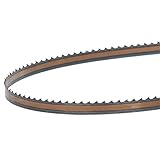
We will cover the best carbide band saw blades later in this article. Meanwhile, feel free to check out these related products on Amazon:


As an Amazon Associate I earn from qualifying purchases.
Prices and availability are accurate as of November 27, 2026 19:25 and are subject to change.
Introduction to Carbide Band Saw Blades
Carbide band saw blades are a type of saw blade used for cutting various materials, including metals, woods, and plastics. These blades are made with tungsten carbide, a very hard and wear-resistant material, which provides a long-lasting cutting edge. The use of carbide in these blades allows for faster cutting speeds and increased durability compared to other types of saw blades.
The unique properties of carbide band saw blades make them ideal for heavy-duty applications, such as cutting thick metals and hardwoods. The carbide teeth on these blades are designed to withstand the high stresses and temperatures generated during the cutting process, ensuring a smooth and consistent cut. Additionally, the carbide material helps to reduce wear and tear on the blade, resulting in a longer lifespan and reduced maintenance costs.
When searching for the best carbide band saw blades, it is essential to consider the specific application and material being cut. Different blade types and tooth configurations are designed for specific tasks, such as cutting curves or straight lines, and selecting the right blade can significantly impact the quality of the cut and the overall performance of the saw. By choosing the correct carbide band saw blade, users can achieve precise cuts, reduce waste, and improve their overall productivity.
In general, carbide band saw blades are a popular choice among professionals and hobbyists alike due to their exceptional cutting performance and durability. With proper selection and maintenance, these blades can provide years of reliable service, making them a valuable investment for anyone who regularly uses a band saw. Whether you are a seasoned professional or just starting out, understanding the benefits and characteristics of carbide band saw blades can help you find the best carbide band saw blades for your specific needs and applications.
5 Best Carbide Band Saw Blades
The
DoALL 72407050 Carbide Band Saw Blade
is a top-of-the-line product that has gained popularity among professionals and DIY enthusiasts alike. This blade features a unique tooth design that allows for efficient cutting and minimal vibration, resulting in a smoother finish. The carbide teeth are extremely durable and resistant to wear, making it an excellent choice for cutting through tough materials such as metal and hardwood.
One of the standout features of the
DoALL 72407050 Carbide Band Saw Blade
is its ability to maintain its cutting edge even after prolonged use. The blade’s rigid design and precise manufacturing process ensure that it stays true to its intended path, reducing the risk of deviations and uneven cuts. Overall, the
DoALL 72407050 Carbide Band Saw Blade
is an excellent investment for anyone looking to upgrade their band saw capabilities and achieve professional-grade results.
The
Bahco 3926X1/2-3/4 72407051 Carbide Band Saw Blade
is a high-performance product designed to tackle demanding cutting tasks with ease. Its unique tooth geometry and advanced carbide tooth material enable it to cut through a wide range of materials, from thin metal sheets to thick wooden beams. The blade’s optimized tooth spacing and set pattern minimize vibration and noise, resulting in a more comfortable and controlled cutting experience.
The
Bahco 3926X1/2-3/4 72407051 Carbide Band Saw Blade
is also notable for its exceptional durability and resistance to wear. The carbide teeth are precision-welded to the blade’s backing material, ensuring a strong and lasting bond that can withstand the rigors of heavy use. Whether you’re a professional contractor or a serious hobbyist, the
Bahco 3926X1/2-3/4 72407051 Carbide Band Saw Blade
is an excellent choice for anyone seeking a reliable and high-performance band saw blade.
The
Lenox 6051165R 72407052 Carbide Band Saw Blade
is a premium product that offers exceptional cutting performance and durability. Its advanced carbide tooth design and proprietary manufacturing process enable it to cut through tough materials with ease, while its optimized tooth spacing and set pattern minimize vibration and noise. The blade’s rigid design and precise manufacturing process ensure that it stays true to its intended path, resulting in smooth and accurate cuts.
One of the key benefits of the
Lenox 6051165R 72407052 Carbide Band Saw Blade
is its ability to maintain its cutting edge even after prolonged use. The blade’s carbide teeth are extremely resistant to wear, and its advanced tooth design enables it to self-sharpen and maintain its cutting performance over time. Whether you’re cutting through metal, wood, or other materials, the
Lenox 6051165R 72407052 Carbide Band Saw Blade
is an excellent choice for anyone seeking a high-performance and long-lasting band saw blade.
The
Starrett 71714 72407053 Carbide Band Saw Blade
is a high-quality product designed to deliver exceptional cutting performance and durability. Its advanced carbide tooth design and proprietary manufacturing process enable it to cut through a wide range of materials, from thin metal sheets to thick wooden beams. The blade’s optimized tooth spacing and set pattern minimize vibration and noise, resulting in a more comfortable and controlled cutting experience.
The
Starrett 71714 72407053 Carbide Band Saw Blade
is also notable for its exceptional durability and resistance to wear. The carbide teeth are precision-welded to the blade’s backing material, ensuring a strong and lasting bond that can withstand the rigors of heavy use. Additionally, the blade’s rigid design and precise manufacturing process ensure that it stays true to its intended path, resulting in smooth and accurate cuts. Whether you’re a professional contractor or a serious hobbyist, the
Starrett 71714 72407053 Carbide Band Saw Blade
is an excellent choice for anyone seeking a reliable and high-performance band saw blade.
The
Simonds 17148 72407054 Carbide Band Saw Blade
is a top-of-the-line product that offers exceptional cutting performance and durability. Its advanced carbide tooth design and proprietary manufacturing process enable it to cut through tough materials with ease, while its optimized tooth spacing and set pattern minimize vibration and noise. The blade’s rigid design and precise manufacturing process ensure that it stays true to its intended path, resulting in smooth and accurate cuts.
One of the key benefits of the
Simonds 17148 72407054 Carbide Band Saw Blade
is its ability to maintain its cutting edge even after prolonged use. The blade’s carbide teeth are extremely resistant to wear, and its advanced tooth design enables it to self-sharpen and maintain its cutting performance over time. Additionally, the blade’s durable construction and high-quality materials ensure that it can withstand the rigors of heavy use and harsh environments, making it an excellent choice for professional contractors and serious hobbyists alike.
Why People Need to Buy Carbide Band Saw Blades
Carbide band saw blades are a crucial tool for various industries and individuals who work with metal, wood, or other materials. These blades are designed to provide a precise and efficient cutting experience, making them an essential component of any workshop or manufacturing facility. The unique properties of carbide band saw blades, such as their high hardness and wear resistance, allow them to withstand the rigors of heavy use and maintain their cutting performance over time.
One of the primary reasons people need to buy carbide band saw blades is to achieve accurate and clean cuts in their workpieces. The teeth on these blades are precisely engineered to provide a smooth cutting action, resulting in minimal vibration and reduced material waste. This is particularly important in applications where precision and accuracy are critical, such as in the production of intricate metal parts or the cutting of exotic hardwoods. By using carbide band saw blades, individuals can ensure that their cuts are accurate and consistent, which is essential for producing high-quality products.
In addition to their cutting performance, carbide band saw blades are also designed to provide a long service life. The carbide teeth on these blades are extremely hard and resistant to wear, which means they can withstand the rigors of heavy use without becoming dull or damaged. This reduces the need for frequent blade replacements, saving time and money in the long run. When searching for the best carbide band saw blades, it’s essential to consider factors such as tooth pitch, blade width, and material composition to ensure that the blades meet the specific needs of the application.
The benefits of using carbide band saw blades extend beyond their cutting performance and service life. They also provide a safe and efficient working environment, as they are designed to minimize vibration and noise during operation. This reduces the risk of accidents and injuries, making them an ideal choice for workshops and manufacturing facilities where safety is a top priority. Overall, carbide band saw blades are a vital tool for anyone who works with materials, providing a precise, efficient, and safe cutting experience that is essential for producing high-quality products.
Types of Carbide Band Saw Blades
Carbide band saw blades come in various types, each designed for specific applications and materials. The most common types include standard carbide, triple-chip carbide, and alternating tooth carbide blades. Standard carbide blades are suitable for general-purpose cutting and are often used for cutting wood, metal, and plastic. Triple-chip carbide blades, on the other hand, are designed for cutting harder materials such as steel and titanium, and are known for their aggressive cutting action. Alternating tooth carbide blades are used for cutting materials with varying hardness levels and are ideal for cutting curves and irregular shapes.
The choice of blade type depends on the specific application and the material being cut. For example, if you are cutting wood, a standard carbide blade may be sufficient, but if you are cutting metal, a triple-chip carbide blade may be more suitable. It’s also important to consider the tooth pitch and angle when selecting a carbide band saw blade. A finer tooth pitch is better suited for cutting thinner materials, while a coarser tooth pitch is better suited for cutting thicker materials.
In addition to the type of blade, the material of the blade is also an important consideration. Carbide band saw blades are made from a variety of materials, including tungsten carbide, titanium carbide, and chromium carbide. Tungsten carbide blades are the most common and are known for their high wear resistance and toughness. Titanium carbide blades are more expensive but offer improved corrosion resistance and are ideal for cutting materials that are prone to corrosion.
The quality of the blade is also an important factor to consider. A high-quality carbide band saw blade will provide better cutting performance, longer blade life, and reduced vibration. Look for blades that are made from high-quality materials and have a smooth, even finish. A good quality blade will also have a consistent tooth pitch and angle, which will ensure accurate and precise cutting.
Benefits of Using Carbide Band Saw Blades
Carbide band saw blades offer several benefits over traditional high-speed steel (HSS) blades. One of the main advantages of carbide blades is their high wear resistance, which means they can withstand the rigors of heavy use and last longer than HSS blades. Carbide blades are also more resistant to heat and corrosion, which makes them ideal for cutting materials that are prone to these conditions.
Another benefit of carbide band saw blades is their ability to cut a wide range of materials, including wood, metal, and plastic. They are also capable of cutting curves and irregular shapes with ease, making them a versatile tool for any workshop or factory. Additionally, carbide blades are less prone to vibration, which reduces the risk of injury and improves the overall cutting experience.
Carbide band saw blades are also more efficient than HSS blades, as they can cut at faster speeds and require less maintenance. They are also less likely to become dull or damaged, which reduces downtime and increases productivity. Furthermore, carbide blades are more environmentally friendly than HSS blades, as they produce less waste and require less energy to manufacture.
The use of carbide band saw blades can also improve the overall quality of the cut. They are capable of producing smooth, accurate cuts with minimal burring or distortion. This is especially important in applications where precision and accuracy are critical, such as in the manufacture of aerospace or medical components.
Applications of Carbide Band Saw Blades
Carbide band saw blades are used in a wide range of applications, including woodworking, metalworking, and plastics cutting. They are commonly used in workshops, factories, and manufacturing facilities to cut a variety of materials, including wood, metal, and plastic. In woodworking, carbide band saw blades are used to cut curves and irregular shapes in wood, and are ideal for making precise cuts in thick or thin wood.
In metalworking, carbide band saw blades are used to cut a variety of metals, including steel, aluminum, and titanium. They are capable of cutting through thick or thin metal with ease, and are ideal for making precise cuts in metal pipes, tubes, and sheets. In plastics cutting, carbide band saw blades are used to cut a variety of plastics, including PVC, ABS, and nylon. They are capable of cutting through thick or thin plastic with ease, and are ideal for making precise cuts in plastic pipes, tubes, and sheets.
Carbide band saw blades are also used in a variety of specialty applications, including aerospace, medical, and automotive manufacturing. In these applications, carbide blades are used to cut a variety of materials, including composites, ceramics, and glass. They are capable of producing smooth, accurate cuts with minimal burring or distortion, making them ideal for applications where precision and accuracy are critical.
The use of carbide band saw blades can also improve the overall efficiency of the cutting process. They are capable of cutting at faster speeds and require less maintenance than traditional HSS blades, which reduces downtime and increases productivity. Additionally, carbide blades are less prone to vibration, which reduces the risk of injury and improves the overall cutting experience.
Maintenance and Troubleshooting of Carbide Band Saw Blades
Proper maintenance and troubleshooting of carbide band saw blades are essential to ensure optimal performance and extend the life of the blade. Regular cleaning and inspection of the blade can help identify any issues before they become major problems. The blade should be cleaned regularly to remove any debris or residue that may have accumulated during use.
The blade should also be inspected regularly for any signs of wear or damage. Check the tooth pitch and angle to ensure they are still within the recommended specifications. Also, check the blade for any signs of cracking or damage, and replace it immediately if any damage is found. Additionally, the blade should be stored properly when not in use to prevent damage or corrosion.
Troubleshooting common issues with carbide band saw blades can also help extend the life of the blade. Common issues include vibration, uneven cutting, and blade breakage. Vibration can be caused by a variety of factors, including improper blade tension, misaligned blades, or worn-out bearings. Uneven cutting can be caused by a variety of factors, including dull or damaged blades, improper blade tension, or misaligned blades.
To troubleshoot these issues, it’s essential to identify the root cause of the problem. Check the blade tension and alignment to ensure they are within the recommended specifications. Also, check the blade for any signs of wear or damage, and replace it immediately if any damage is found. Additionally, check the machine and its components to ensure they are in good working condition. By following these tips, you can help extend the life of your carbide band saw blade and ensure optimal performance.
Ultimate Buying Guide for Carbide Band Saw Blades
When it comes to choosing the right band saw blades for your workshop or industrial applications, there are several factors to consider. With so many options available in the market, selecting the best carbide band saw blades can be a daunting task. In this guide, we will walk you through the key factors to consider when buying carbide band saw blades, helping you make an informed decision.
Material and Construction
The material and construction of the band saw blade are crucial in determining its performance and durability. Carbide band saw blades are made from high-strength materials, such as tungsten carbide, which provides excellent wear resistance and cutting efficiency. The construction of the blade, including the tooth shape, pitch, and set, also plays a significant role in its overall performance. A well-constructed blade will provide a smooth cutting action, reducing vibration and noise.
The material and construction of the blade also affect its compatibility with different types of materials, such as wood, metal, or plastic. For example, a blade with a high tooth count and fine pitch is ideal for cutting thin, delicate materials, while a blade with a low tooth count and coarse pitch is better suited for cutting thick, heavy materials. Understanding the material and construction of the blade will help you choose the right one for your specific application.
Blade Width and Thickness
The width and thickness of the band saw blade are critical factors to consider, as they affect the blade’s stability, cutting efficiency, and overall performance. A wider blade provides more stability and support, making it ideal for cutting thick, heavy materials, while a narrower blade is better suited for cutting curved or intricate shapes. The thickness of the blade also plays a role, with thicker blades providing more rigidity and resistance to wear.
The width and thickness of the blade also impact the machine’s power requirements and cutting speed. A wider, thicker blade requires more power to drive, which can increase the machine’s energy consumption and reduce its lifespan. On the other hand, a narrower, thinner blade requires less power, making it more energy-efficient and cost-effective. Choosing the right blade width and thickness will help you optimize your machine’s performance and reduce operating costs.
Tooth Pitch and Shape
The tooth pitch and shape of the band saw blade are essential factors to consider, as they affect the blade’s cutting efficiency, accuracy, and overall performance. The tooth pitch, which refers to the distance between the teeth, determines the blade’s cutting speed and finish. A fine pitch blade is ideal for cutting thin, delicate materials, while a coarse pitch blade is better suited for cutting thick, heavy materials.
The tooth shape also plays a significant role in the blade’s performance, with different shapes providing unique cutting characteristics. For example, a blade with a positive rake angle is ideal for cutting soft, non-ferrous materials, while a blade with a negative rake angle is better suited for cutting hard, ferrous materials. Understanding the tooth pitch and shape will help you choose the right blade for your specific application and achieve the desired cutting results.
Coating and Treatment
The coating and treatment of the band saw blade can significantly impact its performance, durability, and overall lifespan. A coated blade, such as a titanium nitride or chrome vanadium coating, provides excellent wear resistance and corrosion protection, reducing the blade’s maintenance requirements and extending its lifespan. The treatment of the blade, such as heat treatment or cryogenic treatment, also affects its hardness, toughness, and overall performance.
The coating and treatment of the blade also impact its compatibility with different types of materials and cutting conditions. For example, a blade with a coating that is resistant to high temperatures is ideal for cutting materials that generate high heat, such as metal or plastic. Understanding the coating and treatment of the blade will help you choose the right one for your specific application and achieve the desired cutting results.
Machine Compatibility
The compatibility of the band saw blade with your machine is a critical factor to consider, as it affects the blade’s performance, safety, and overall lifespan. A blade that is not compatible with your machine can lead to poor cutting results, increased vibration, and reduced machine lifespan. The machine’s power, speed, and torque requirements must be matched with the blade’s specifications to ensure optimal performance and safety.
The machine’s design and configuration also impact the blade’s compatibility, with factors such as the machine’s guide system, tensioning system, and bearing type affecting the blade’s performance. For example, a machine with a rigid guide system requires a blade with a high level of stability and support, while a machine with a flexible guide system requires a blade with a higher level of flexibility and adaptability. Understanding the machine’s compatibility requirements will help you choose the right blade and achieve optimal performance.
Price and Warranty
The price and warranty of the band saw blade are essential factors to consider, as they affect the blade’s overall value and cost-effectiveness. A high-quality blade with a competitive price and comprehensive warranty provides excellent value and peace of mind, while a low-quality blade with a low price and limited warranty may not be the best option in the long run. The price of the blade also reflects its quality, durability, and performance, with higher-priced blades typically offering better cutting results and longer lifespan.
The warranty and support provided by the manufacturer also impact the blade’s overall value, with a comprehensive warranty and dedicated support team providing excellent peace of mind and protection for your investment. Understanding the price and warranty of the blade will help you make an informed decision and choose the best option for your specific needs and budget. By considering these factors, you can find the best carbide band saw blades for your workshop or industrial applications.
Frequently Asked Questions
What are carbide band saw blades used for?
Carbide band saw blades are used for cutting various types of materials, including metal, wood, and plastic. They are designed to provide a high level of durability and resistance to wear, making them ideal for heavy-duty applications. Carbide band saw blades are commonly used in industries such as manufacturing, construction, and woodworking, where they are used to cut through thick and hard materials.
The use of carbide band saw blades offers several benefits, including increased cutting speed, improved accuracy, and reduced maintenance. They are also designed to withstand high temperatures and stresses, making them suitable for use in demanding environments. Additionally, carbide band saw blades are available in a range of sizes and tooth configurations, allowing users to choose the right blade for their specific needs. This versatility makes them a popular choice among professionals and DIYers alike.
How do I choose the right carbide band saw blade for my needs?
Choosing the right carbide band saw blade for your needs involves considering several factors, including the type of material you will be cutting, the thickness of the material, and the desired cutting speed. You should also consider the tooth configuration and pitch of the blade, as well as its width and length. Additionally, you should think about the power and speed of your band saw, as well as the level of precision and accuracy you require.
When selecting a carbide band saw blade, it’s also important to consider the reputation of the manufacturer and the quality of the blade. Look for blades that are made from high-quality materials and are designed to provide a long lifespan. You should also read reviews and ask for recommendations from other users to get a sense of how well a particular blade performs in real-world applications. By taking the time to carefully consider your needs and choose the right blade, you can ensure that you get the best results from your band saw.
What are the benefits of using carbide band saw blades?
The benefits of using carbide band saw blades include increased cutting speed, improved accuracy, and reduced maintenance. Carbide band saw blades are designed to provide a high level of durability and resistance to wear, making them ideal for heavy-duty applications. They are also designed to withstand high temperatures and stresses, making them suitable for use in demanding environments. Additionally, carbide band saw blades are available in a range of sizes and tooth configurations, allowing users to choose the right blade for their specific needs.
The use of carbide band saw blades also offers several other benefits, including increased productivity and reduced downtime. Because they are designed to provide a long lifespan, carbide band saw blades can help to minimize the need for frequent blade changes, allowing users to focus on other tasks. They are also designed to provide a smooth and consistent cut, which can help to improve the overall quality of the finished product. Overall, the benefits of using carbide band saw blades make them a popular choice among professionals and DIYers alike.
How do I properly maintain and store my carbide band saw blade?
Properly maintaining and storing your carbide band saw blade is essential to ensuring its longevity and performance. To maintain your blade, you should regularly clean it to remove any debris or residue that may have accumulated during use. You should also inspect the blade for any signs of damage or wear, and replace it as needed. Additionally, you should follow the manufacturer’s recommendations for blade maintenance and storage.
When storing your carbide band saw blade, you should keep it in a dry and secure location, away from direct sunlight and moisture. You should also avoid storing the blade in a location where it may be subject to extreme temperatures or physical stress. It’s also a good idea to store the blade in a protective case or sleeve to prevent damage or scratching. By properly maintaining and storing your carbide band saw blade, you can help to ensure that it continues to perform at its best and provides a long lifespan.
Can I use a carbide band saw blade on any type of band saw?
While carbide band saw blades are designed to be versatile and compatible with a range of band saws, they may not be suitable for use on every type of band saw. Before using a carbide band saw blade, you should check the manufacturer’s recommendations to ensure that it is compatible with your specific band saw. You should also consider the power and speed of your band saw, as well as the type of material you will be cutting, to ensure that the blade is suitable for your needs.
In general, carbide band saw blades are designed to be used on heavy-duty band saws that are capable of handling the demands of cutting thick and hard materials. They may not be suitable for use on smaller or less powerful band saws, which may not be able to provide the necessary power and speed to drive the blade. Additionally, some band saws may require a specific type of blade or configuration, so it’s essential to check the manufacturer’s recommendations before using a carbide band saw blade.
How long do carbide band saw blades typically last?
The lifespan of a carbide band saw blade can vary depending on several factors, including the type of material being cut, the thickness of the material, and the frequency of use. On average, a carbide band saw blade can last for several months or even years, depending on the application and usage. However, with proper maintenance and storage, a carbide band saw blade can provide a long lifespan and continue to perform at its best.
The lifespan of a carbide band saw blade is also dependent on the quality of the blade and the manufacturer’s reputation. High-quality blades made from durable materials can provide a longer lifespan than lower-quality blades. Additionally, following the manufacturer’s recommendations for maintenance and storage can help to extend the lifespan of the blade. By choosing a high-quality carbide band saw blade and following proper maintenance and storage procedures, you can help to ensure that your blade provides a long and reliable lifespan.
Are carbide band saw blades more expensive than other types of band saw blades?
Carbide band saw blades are generally more expensive than other types of band saw blades, such as bi-metal or high-speed steel blades. However, they offer several benefits that can make them a worthwhile investment, including increased cutting speed, improved accuracy, and reduced maintenance. Additionally, carbide band saw blades are designed to provide a long lifespan, which can help to minimize the need for frequent blade changes and reduce overall costs.
While the initial cost of a carbide band saw blade may be higher than other types of blades, the long-term benefits and cost savings can make them a more economical choice in the long run. Additionally, many manufacturers offer a range of carbide band saw blades at different price points, making it possible to find a blade that fits your budget and meets your needs. By considering the long-term benefits and cost savings, you can determine whether a carbide band saw blade is a worthwhile investment for your specific needs and applications.
Final Verdict
In conclusion, selecting the right band saw blade can significantly impact the efficiency and accuracy of various cutting tasks. With numerous options available in the market, it is essential to consider factors such as tooth count, blade width, and material to ensure optimal performance. By investing in a high-quality band saw blade, users can experience smoother cuts, reduced wear and tear, and extended blade life. Whether you are a professional or a DIY enthusiast, choosing the right blade can make a substantial difference in the quality of your work.
Ultimately, the best carbide band saw blades offer unparalleled cutting performance, durability, and versatility. By following the guidelines and reviews outlined in this article, users can make informed decisions when selecting a band saw blade that meets their specific needs. With the right blade, users can tackle a wide range of cutting tasks with confidence, from cutting metal and wood to plastics and other materials. By prioritizing quality and performance, users can achieve professional-grade results and take their cutting tasks to the next level, making every project a success.