Tinted windows can add a touch of style and sophistication to any vehicle, while also providing protection from the sun’s harsh rays. However, keeping them clean can be a challenge, as many conventional glass cleaners can damage the tint or leave streaks and residue behind. This is why it’s essential to use a cleaner specifically designed for tinted windows, one that can effectively remove dirt and grime without compromising the integrity of the tint. With so many options available on the market, it can be difficult to know which cleaner to choose, which is why we’ve put together this comprehensive guide to help you find the best cleaners for tinted windows.
When it comes to cleaning tinted windows, it’s not just about finding a cleaner that won’t damage the tint, but also one that will leave your windows sparkling clean and streak-free. A good cleaner should be able to remove dirt, dust, and other debris without leaving any residue or marks behind. Additionally, it should be safe to use on a variety of tint types, including ceramic, carbon, and dyed films. By considering these factors and doing your research, you can find a cleaner that meets your needs and keeps your tinted windows looking their best. In this article, we’ll review some of the top cleaners on the market, and provide you with the information you need to make an informed decision and keep your tinted windows clean and looking great.
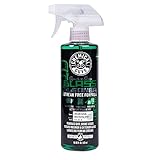
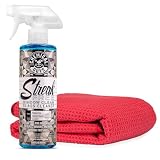
We will cover the best cleaners for tinted windows later in this article. Meanwhile, feel free to check out these related products on Amazon:



As an Amazon Associate I earn from qualifying purchases.
Prices and availability are accurate as of November 24, 2026 19:54 and are subject to change.
Introduction to Cleaners for Tinted Windows
Cleaners for tinted windows are specialized products designed to effectively clean and maintain the appearance of tinted windows without damaging the tint. These cleaners are typically free of harsh chemicals and abrasives that can cause damage to the window tint. They are also designed to leave no streaks or residue behind, ensuring that the windows remain clear and visible.
When it comes to cleaning tinted windows, it is essential to use the right cleaner to avoid damaging the tint. Many conventional glass cleaners contain ammonia or other harsh chemicals that can cause the tint to fade, bubble, or even peel off. Cleaners for tinted windows, on the other hand, are specifically formulated to be gentle on the tint while still providing a thorough cleaning.
The best cleaners for tinted windows are those that are specifically designed for this purpose and have been tested to ensure their safety and effectiveness. These cleaners are usually made with mild ingredients that are gentle on the window tint and the surrounding surfaces. They are also easy to use and require minimal effort to achieve a sparkling clean finish.
Using the right cleaner for tinted windows can make a significant difference in maintaining their appearance and longevity. By choosing a high-quality cleaner, you can ensure that your tinted windows remain clean, clear, and free of streaks and residue. Whether you are cleaning your car’s windows or your home’s windows, using a specialized cleaner can help you achieve professional-looking results and keep your windows looking their best.
Top 5 Best Cleaners For Tinted Windows
The
1. Meguiar’s Perfect Clarity Window Cleaner 1
is a top choice for cleaning tinted windows. This cleaner is specifically designed to be safe for use on tinted windows, and it does an excellent job of removing dirt and grime without leaving any streaks or residue behind. It’s also ammonia-free, which makes it a great option for those who are looking for a gentle cleaner that won’t damage their tint.
One of the things that sets the
1. Meguiar’s Perfect Clarity Window Cleaner 1
apart from other cleaners is its unique formula, which is designed to help prevent streaks and residue from forming on the window. This makes it easy to get a clear, streak-free finish, even on large or hard-to-reach windows. Additionally, the
1. Meguiar’s Perfect Clarity Window Cleaner 1
is easy to use, and it comes in a convenient spray bottle that makes it simple to apply the cleaner to the window.
The
2. Rain-X Glass Treatment and Cleaner 2
is another popular choice for cleaning tinted windows. This cleaner is designed to not only clean the window, but also to provide a protective coating that helps to repel water and reduce streaks. It’s also safe to use on tinted windows, and it won’t leave any residue or streaks behind. The
2. Rain-X Glass Treatment and Cleaner 2
is a great option for those who are looking for a cleaner that will provide long-lasting protection for their windows.
One of the benefits of the
2. Rain-X Glass Treatment and Cleaner 2
is its ability to provide a protective coating that helps to repel water and reduce streaks. This makes it a great option for those who live in areas with heavy rainfall or snowfall, as it can help to improve visibility and reduce the risk of accidents. Additionally, the
2. Rain-X Glass Treatment and Cleaner 2
is easy to apply, and it comes in a convenient spray bottle that makes it simple to use.
The
3. Chemical Guys Window Cleaner 3
is a highly effective cleaner that is safe to use on tinted windows. This cleaner is designed to remove dirt and grime quickly and easily, without leaving any streaks or residue behind. It’s also ammonia-free, which makes it a great option for those who are looking for a gentle cleaner that won’t damage their tint. The
3. Chemical Guys Window Cleaner 3
is a great option for those who are looking for a high-quality cleaner that will provide a clear, streak-free finish.
One of the things that sets the
3. Chemical Guys Window Cleaner 3
apart from other cleaners is its unique formula, which is designed to help break down and remove tough dirt and grime. This makes it a great option for those who are looking for a cleaner that can handle even the toughest cleaning jobs. Additionally, the
3. Chemical Guys Window Cleaner 3
is easy to use, and it comes in a convenient spray bottle that makes it simple to apply the cleaner to the window.
The
4. Invisible Glass Cleaner 4
is a popular choice for cleaning tinted windows. This cleaner is designed to provide a clear, streak-free finish, and it’s safe to use on tinted windows. It’s also ammonia-free, which makes it a great option for those who are looking for a gentle cleaner that won’t damage their tint. The
4. Invisible Glass Cleaner 4
is a great option for those who are looking for a high-quality cleaner that will provide a clear, streak-free finish.
One of the benefits of the
4. Invisible Glass Cleaner 4
is its ability to provide a clear, streak-free finish, even on large or hard-to-reach windows. This makes it a great option for those who are looking for a cleaner that will provide a professional-quality finish. Additionally, the
4. Invisible Glass Cleaner 4
is easy to use, and it comes in a convenient spray bottle that makes it simple to apply the cleaner to the window.
The
5. Stoner Invisible Glass Cleaner 5
is a highly effective cleaner that is safe to use on tinted windows. This cleaner is designed to remove dirt and grime quickly and easily, without leaving any streaks or residue behind. It’s also ammonia-free, which makes it a great option for those who are looking for a gentle cleaner that won’t damage their tint. The
5. Stoner Invisible Glass Cleaner 5
is a great option for those who are looking for a high-quality cleaner that will provide a clear, streak-free finish.
One of the things that sets the
5. Stoner Invisible Glass Cleaner 5
apart from other cleaners is its unique formula, which is designed to help break down and remove tough dirt and grime. This makes it a great option for those who are looking for a cleaner that can handle even the toughest cleaning jobs. Additionally, the
5. Stoner Invisible Glass Cleaner 5
is easy to use, and it comes in a convenient spray bottle that makes it simple to apply the cleaner to the window.
Why Do People Need to Buy Cleaners for Tinted Windows
Tinted windows are a common feature in many vehicles, providing benefits such as reduced glare, improved UV protection, and enhanced privacy. However, the unique characteristics of tinted windows require special care when it comes to cleaning. Regular glass cleaners can be too harsh and may damage the tint, causing it to fade, bubble, or peel. This is why people need to buy cleaners specifically designed for tinted windows.
The main reason for using specialized cleaners is to avoid damaging the tint. Many regular glass cleaners contain ammonia or other harsh chemicals that can break down the adhesive holding the tint in place. Over time, this can cause the tint to degrade, leading to a range of problems. By using a cleaner designed for tinted windows, individuals can ensure that their windows remain clean and the tint remains intact.
In addition to avoiding damage, cleaners for tinted windows are also designed to effectively remove dirt and grime without leaving streaks or residue. This is particularly important for drivers who spend a lot of time on the road, as dirty windows can impair visibility and increase the risk of accidents. By using the best cleaners for tinted windows, individuals can keep their windows clean and clear, even in challenging driving conditions.
When shopping for a cleaner for tinted windows, it’s essential to read the label carefully and look for products that are specifically designed for this purpose. These cleaners are usually gentle, non-toxic, and free of ammonia and other harsh chemicals. By choosing the right cleaner and following the manufacturer’s instructions, individuals can keep their tinted windows clean and well-maintained, ensuring they continue to provide the benefits they were designed to offer.
Types of Cleaners Suitable for Tinted Windows
When it comes to cleaning tinted windows, it’s essential to choose the right type of cleaner to avoid damaging the tint. There are several types of cleaners available, including glass cleaners, ammonia-free cleaners, and vinegar-based cleaners. Glass cleaners are the most common type and are suitable for most tinted windows. However, some glass cleaners may contain ammonia, which can damage the tint. Ammonia-free cleaners are a safer option and are specifically designed for cleaning tinted windows.
Ammonia-free cleaners are gentle on the tint and won’t cause it to fade or discolor. They are also safe to use on other types of window films, such as ceramic and metallic films. Vinegar-based cleaners are another option and are a popular choice among those who prefer a more natural cleaning solution. They are gentle on the tint and the environment, and are also budget-friendly.
In addition to these types of cleaners, there are also specialized cleaners available for specific types of tinted windows. For example, some cleaners are designed specifically for cleaning tinted windows with a ceramic coating. These cleaners are formulated to gently remove dirt and grime without damaging the coating. It’s essential to read the label and choose a cleaner that is suitable for your specific type of tinted window.
Overall, the type of cleaner you choose will depend on the type of tinted window you have and your personal preferences. It’s essential to choose a cleaner that is gentle on the tint and won’t cause it to fade or discolor. By choosing the right type of cleaner, you can keep your tinted windows clean and well-maintained.
Benefits of Using the Right Cleaner for Tinted Windows
Using the right cleaner for your tinted windows can have several benefits. For one, it can help to extend the life of the tint by preventing damage and fading. When you use a cleaner that is not suitable for your tinted windows, it can cause the tint to fade or discolor, which can reduce its effectiveness and appearance. By using a cleaner that is specifically designed for tinted windows, you can help to keep the tint looking its best.
Another benefit of using the right cleaner is that it can help to prevent streaks and residue from forming on the window. When you use a cleaner that is not designed for tinted windows, it can leave behind streaks and residue that can be difficult to remove. This can reduce the visibility and appearance of the window, and can also attract dirt and dust. By using a cleaner that is specifically designed for tinted windows, you can help to prevent streaks and residue from forming.
Using the right cleaner can also help to improve the overall appearance of your vehicle. When your tinted windows are clean and well-maintained, it can give your vehicle a sleek and polished look. On the other hand, when your tinted windows are dirty and streaked, it can give your vehicle a dull and neglected appearance. By using a cleaner that is specifically designed for tinted windows, you can help to keep your vehicle looking its best.
In addition to these benefits, using the right cleaner can also help to protect your investment. Tinted windows can be a significant investment, and using a cleaner that is not suitable for them can cause damage and reduce their lifespan. By using a cleaner that is specifically designed for tinted windows, you can help to protect your investment and keep your tinted windows looking their best.
How to Clean Tinted Windows Effectively
Cleaning tinted windows requires a gentle touch and the right techniques. To start, you’ll need to gather a few basic supplies, including a cleaner specifically designed for tinted windows, a microfiber cloth, and a lint-free towel. Begin by spraying the cleaner onto the window, making sure to cover the entire surface. Then, use the microfiber cloth to gently wipe down the window, starting from the top and working your way down.
As you wipe down the window, be sure to use a gentle circular motion to avoid scratching the tint. It’s also important to avoid using too much pressure, as this can cause the tint to stretch or distort. Once you’ve wiped down the entire window, use the lint-free towel to dry it and remove any excess moisture. This will help to prevent streaks and residue from forming.
In addition to these basic techniques, there are a few other tips to keep in mind when cleaning tinted windows. For one, it’s best to clean the windows in the shade, as direct sunlight can cause the cleaner to evaporate too quickly. It’s also a good idea to avoid cleaning the windows during extreme temperatures, as this can cause the tint to become brittle or prone to cracking.
By following these tips and techniques, you can help to keep your tinted windows clean and well-maintained. Remember to always use a cleaner specifically designed for tinted windows, and to avoid using too much pressure or harsh chemicals. With a little practice and patience, you can keep your tinted windows looking their best and enjoy the benefits of a clean and well-maintained vehicle.
Common Mistakes to Avoid When Cleaning Tinted Windows
When it comes to cleaning tinted windows, there are several common mistakes to avoid. One of the most common mistakes is using a cleaner that is not specifically designed for tinted windows. This can cause the tint to fade or discolor, and can also leave behind streaks and residue. Another mistake is using too much pressure or harsh chemicals, which can cause the tint to stretch or distort.
Another mistake is cleaning the windows in direct sunlight, which can cause the cleaner to evaporate too quickly. This can leave behind streaks and residue, and can also cause the tint to become brittle or prone to cracking. It’s also a mistake to use paper towels or other abrasive materials to clean the windows, as these can scratch the tint and leave behind lint.
In addition to these mistakes, it’s also important to avoid using too much water when cleaning tinted windows. Excess water can seep behind the tint and cause it to become discolored or damaged. It’s also a good idea to avoid cleaning the windows during extreme temperatures, as this can cause the tint to become brittle or prone to cracking.
By avoiding these common mistakes, you can help to keep your tinted windows clean and well-maintained. Remember to always use a cleaner specifically designed for tinted windows, and to avoid using too much pressure or harsh chemicals. With a little practice and patience, you can keep your tinted windows looking their best and enjoy the benefits of a clean and well-maintained vehicle.
Buying Guide for Cleaners for Tinted Windows
When it comes to maintaining the appearance and functionality of tinted windows, using the right cleaning products is essential. With so many options available in the market, choosing the right cleaner can be overwhelming. In this guide, we will discuss the key factors to consider when buying cleaners for your tinted windows, helping you make an informed decision and keep your windows looking their best.
Window Tint Type
The type of window tint you have is a crucial factor to consider when buying a cleaner. Different types of tints have unique characteristics and requirements, and using the wrong cleaner can damage the tint or leave streaks and residue. For example, if you have a ceramic or metallic tint, you may need a cleaner that is specifically designed for these types of tints. On the other hand, if you have a standard dyed tint, a more general-purpose cleaner may be suitable. It’s essential to check the manufacturer’s recommendations for the best cleaning products to use on your specific type of tint.
When choosing a cleaner for your tinted windows, make sure to read the label and look for any specific instructions or recommendations for your type of tint. Some cleaners may be designed for use on multiple types of tints, while others may be specifically formulated for a particular type. By choosing a cleaner that is compatible with your window tint, you can help ensure that your windows remain clean and streak-free, and that the tint itself is not damaged or compromised in any way.
Cleaning Solution pH Level
The pH level of the cleaning solution is another critical factor to consider when buying a cleaner for your tinted windows. A cleaner with a high or low pH level can potentially damage the tint or the window itself, so it’s essential to choose a cleaner with a pH level that is close to neutral. A pH level of around 7 is usually considered safe for most types of window tints, but it’s always best to check the manufacturer’s recommendations to be sure. Some cleaners may have a higher or lower pH level, and these should be avoided unless specifically recommended for your type of tint.
When evaluating the pH level of a cleaner, it’s also important to consider the potential risks of using a cleaner that is too alkaline or too acidic. For example, a cleaner with a high pH level can potentially damage the adhesive that holds the tint in place, causing it to bubble or peel away from the window. On the other hand, a cleaner with a low pH level can potentially etch or damage the glass itself, leading to a cloudy or hazy appearance. By choosing a cleaner with a neutral pH level, you can help minimize these risks and keep your tinted windows looking their best.
Ammonia and Alcohol Content
The presence of ammonia and alcohol in a cleaner can be a significant concern when it comes to cleaning tinted windows. Both of these substances can potentially damage or discolor the tint, so it’s essential to choose a cleaner that is ammonia- and alcohol-free. Some cleaners may contain small amounts of these substances, but it’s generally best to avoid them altogether. Instead, look for cleaners that use alternative ingredients that are safe for use on tinted windows.
When evaluating the ingredients of a cleaner, it’s also important to consider the potential risks of using a cleaner that contains ammonia or alcohol. For example, ammonia can potentially damage the dye or pigment in the tint, causing it to fade or discolor over time. Alcohol, on the other hand, can potentially damage the adhesive that holds the tint in place, causing it to bubble or peel away from the window. By choosing a cleaner that is free from these substances, you can help minimize these risks and keep your tinted windows looking their best. Look for the best cleaners for tinted windows that are specifically designed to be safe and effective.
Microfiber Cloth Compatibility
The type of cloth used to clean tinted windows is also an important consideration. Microfiber cloths are generally the best choice, as they are gentle on the tint and can help prevent streaks and scratches. However, not all cleaners are compatible with microfiber cloths, so it’s essential to choose a cleaner that is specifically designed for use with these types of cloths. Some cleaners may contain ingredients that can damage or leave residue on microfiber cloths, so it’s crucial to read the label and look for any specific instructions or recommendations.
When using a microfiber cloth to clean your tinted windows, it’s also important to consider the potential benefits of using a cleaner that is specifically designed for use with these types of cloths. For example, a cleaner that is designed for use with microfiber cloths can help to reduce streaks and scratches, leaving your windows with a smooth and even finish. Additionally, a cleaner that is compatible with microfiber cloths can help to extend the life of the cloth itself, reducing the need for frequent replacement and saving you money in the long run.
Streak-Free Formula
A streak-free formula is essential when it comes to cleaning tinted windows. A cleaner that leaves streaks or residue on the window can be frustrating and difficult to remove, so it’s crucial to choose a cleaner that is specifically designed to leave a streak-free finish. Some cleaners may contain ingredients that help to reduce streaks and residue, such as surfactants or wetting agents. These ingredients can help to improve the cleaning power of the cleaner and leave a smooth, even finish.
When evaluating the streak-free formula of a cleaner, it’s also important to consider the potential benefits of using a cleaner that is specifically designed to leave a streak-free finish. For example, a cleaner that is designed to leave a streak-free finish can help to reduce the amount of time and effort required to clean your tinted windows, making it easier to keep them looking their best. Additionally, a cleaner that leaves a streak-free finish can help to improve the overall appearance of your windows, making them look clearer and more transparent.
Environmental Impact
The environmental impact of a cleaner is also an important consideration when it comes to cleaning tinted windows. Some cleaners may contain ingredients that are harmful to the environment, such as volatile organic compounds (VOCs) or other toxic substances. These ingredients can contribute to air pollution and other environmental problems, so it’s essential to choose a cleaner that is environmentally friendly. Look for cleaners that are labeled as “green” or “eco-friendly,” and avoid cleaners that contain harsh or toxic ingredients.
When evaluating the environmental impact of a cleaner, it’s also important to consider the potential benefits of using a cleaner that is environmentally friendly. For example, a cleaner that is labeled as “green” or “eco-friendly” can help to reduce your carbon footprint and contribute to a healthier environment. Additionally, a cleaner that is environmentally friendly can help to improve indoor air quality, reducing the risk of health problems and other issues associated with exposure to harsh chemicals. By choosing a cleaner that is environmentally friendly, you can help to minimize your impact on the environment and keep your tinted windows looking their best.
FAQs
What are the benefits of using a cleaner specifically designed for tinted windows?
Using a cleaner specifically designed for tinted windows can help prevent damage to the tint and ensure a streak-free shine. Many household cleaners contain harsh chemicals that can degrade the adhesive on the tint, causing it to bubble or peel away from the glass. By using a cleaner that is specifically designed for tinted windows, you can avoid these problems and keep your tint looking its best.
In addition to preventing damage to the tint, cleaners designed for tinted windows are also often formulated to leave a streak-free shine. This is especially important for tinted windows, as streaks and residue can be more noticeable on tinted glass than on clear glass. By using a cleaner that is designed to leave a streak-free shine, you can keep your tinted windows looking their best and enjoy a clear view of the road.
How do I choose the best cleaner for my tinted windows?
Choosing the best cleaner for your tinted windows involves considering a few key factors. First, look for a cleaner that is specifically designed for use on tinted windows. These cleaners are typically formulated to be gentle on the tint and to leave a streak-free shine. You should also consider the type of tint you have on your windows, as some cleaners may be more suitable for certain types of tint than others.
In addition to considering the type of tint you have, you should also think about the level of dirt and grime on your windows. If your windows are particularly dirty, you may want to look for a cleaner that is specifically designed to cut through tough dirt and grime. You should also consider the price of the cleaner and the size of the bottle. By considering these factors, you can choose the best cleaner for your tinted windows and keep them looking their best.
Can I use household cleaners on my tinted windows?
It is generally not recommended to use household cleaners on your tinted windows. Many household cleaners contain harsh chemicals that can damage the tint or leave streaks and residue on the glass. Additionally, some household cleaners may contain ammonia or other ingredients that can degrade the adhesive on the tint, causing it to bubble or peel away from the glass. If you want to keep your tinted windows looking their best, it is usually best to use a cleaner that is specifically designed for use on tinted windows.
Using a household cleaner on your tinted windows can also void the warranty on the tint. Many manufacturers of window tint specify that only certain types of cleaners can be used on their products, and using a household cleaner may not be allowed. By using a cleaner that is specifically designed for tinted windows, you can avoid voiding the warranty and ensure that your tint continues to look its best for years to come.
How often should I clean my tinted windows?
The frequency with which you should clean your tinted windows depends on a few factors. If you live in an area with high levels of air pollution or dust, you may need to clean your windows more frequently. You should also clean your windows more frequently if you notice that they are becoming dirty or streaked. As a general rule, it is a good idea to clean your tinted windows at least once a week, and more often if they are exposed to heavy use or harsh weather conditions.
In addition to cleaning your windows regularly, you should also consider using a cleaner that is designed to leave a protective coating on the glass. This can help to repel dirt and water, making it easier to keep your windows clean. You should also avoid using paper towels or other abrasive materials to clean your windows, as these can scratch the glass or damage the tint. Instead, use a soft cloth and a gentle cleaner to keep your tinted windows looking their best.
What are the most common mistakes people make when cleaning tinted windows?
One of the most common mistakes people make when cleaning tinted windows is using the wrong type of cleaner. Many people use household cleaners that contain harsh chemicals, which can damage the tint or leave streaks and residue on the glass. Another common mistake is using paper towels or other abrasive materials to clean the windows, which can scratch the glass or damage the tint. You should also avoid using too much water, as this can cause the tint to bubble or peel away from the glass.
To avoid these mistakes, it is a good idea to use a cleaner that is specifically designed for use on tinted windows, and to follow the instructions carefully. You should also use a soft cloth to clean the windows, and avoid using too much water or scrubbing too hard. By taking the time to clean your tinted windows carefully and correctly, you can keep them looking their best and enjoy a clear view of the road. Additionally, you can also use a microfiber cloth, which is gentle on the tint and can help to prevent streaks and residue.
Can I use a cleaner that contains ammonia on my tinted windows?
It is generally not recommended to use a cleaner that contains ammonia on your tinted windows. Ammonia can degrade the adhesive on the tint, causing it to bubble or peel away from the glass. Additionally, ammonia can also damage the tint itself, causing it to become discolored or brittle. If you want to keep your tinted windows looking their best, it is usually best to use a cleaner that is specifically designed for use on tinted windows and does not contain ammonia.
Using a cleaner that contains ammonia on your tinted windows can also void the warranty on the tint. Many manufacturers of window tint specify that only certain types of cleaners can be used on their products, and using a cleaner that contains ammonia may not be allowed. By using a cleaner that is specifically designed for tinted windows and does not contain ammonia, you can avoid voiding the warranty and ensure that your tint continues to look its best for years to come. You should always read the label carefully and look for a cleaner that is safe to use on your tinted windows.
How do I remove stubborn stains or dirt from my tinted windows?
Removing stubborn stains or dirt from your tinted windows can be a challenge. The first step is to use a gentle cleaner that is specifically designed for use on tinted windows. Apply the cleaner to the stain or dirt and let it sit for a few minutes to allow it to penetrate and loosen the dirt. Then, use a soft cloth to gently scrub the area and remove the dirt or stain. Avoid using too much water or scrubbing too hard, as this can damage the tint or scratch the glass.
If the stain or dirt is particularly stubborn, you may need to use a more specialized cleaner or a gentle scrubbing pad. However, be careful not to scratch the glass or damage the tint. It is also a good idea to test a small area of the window first to make sure the cleaner or scrubbing pad does not damage the tint. By taking the time to carefully remove stubborn stains or dirt, you can keep your tinted windows looking their best and enjoy a clear view of the road. Additionally, you can also use a cleaning product that is specifically designed to remove stubborn stains or dirt from tinted windows.
Verdict
In conclusion, maintaining the clarity and appearance of tinted windows is crucial for both aesthetic and functional purposes. The right cleaning products can make a significant difference in preserving the longevity and visibility of these windows. With the numerous options available in the market, it is essential to choose a cleaner that is specifically designed for tinted surfaces to avoid damage or discoloration. By selecting a high-quality cleaner, individuals can ensure that their tinted windows remain in excellent condition, providing the desired level of privacy and UV protection.
Ultimately, investing in the best cleaners for tinted windows is a wise decision for anyone looking to protect their investment and maintain optimal visibility. By following the guidelines and recommendations outlined in this article, consumers can make informed decisions when selecting a cleaner that meets their specific needs. With the right cleaner, tinted windows can continue to provide the benefits of reduced glare, improved privacy, and enhanced style, making them a valuable addition to any vehicle or building. By choosing the right cleaning product, individuals can enjoy the full benefits of their tinted windows for years to come.