Florida’s subtropical climate makes it an ideal place for growing a wide variety of delicious fruit trees, from citrus and mangoes to avocados and peaches. However, to ensure these trees thrive and produce an abundance of fruit, they require proper care and nutrition. One of the most important aspects of fruit tree care is fertilization, as it provides the necessary nutrients for healthy growth and fruit production. With so many fertilizer options available, it can be overwhelming to choose the right one for your fruit trees, especially when considering the unique soil and climate conditions found in Florida.
To help you make an informed decision, we’ve put together a comprehensive guide to the best fertilizers for fruit trees in Florida, including reviews of top-rated products and expert advice on how to select the perfect fertilizer for your specific needs. Whether you’re a seasoned gardener or just starting out, this guide will provide you with the knowledge and confidence to give your fruit trees the nutrition they need to flourish. From organic and natural options to synthetic and specialized fertilizers, we’ll cover it all, helping you to create a thriving and productive fruit tree garden that will provide you with fresh, delicious fruit for years to come.
We will cover the best fertilizers for fruit trees in florida later in this article. Meanwhile, feel free to check out these related products on Amazon:



As an Amazon Associate I earn from qualifying purchases.
Prices and availability are accurate as of November 24, 2026 14:44 and are subject to change.
Introduction to Fertilizers for Fruit Trees in Florida
Fruit trees in Florida require a balanced diet of nutrients to grow and thrive. The state’s warm climate and diverse soil types can make it challenging to determine the right fertilization strategy. However, with the right approach, fruit trees can flourish and produce an abundance of delicious fruit. Florida’s fruit tree growers must consider factors such as soil pH, nutrient deficiencies, and the specific needs of their tree species when selecting a fertilizer.
In general, fruit trees in Florida benefit from a fertilizer that provides a mix of nitrogen, phosphorus, and potassium. These essential nutrients support healthy growth, fruit production, and disease resistance. Additionally, fruit trees may require supplemental nutrients such as magnesium, sulfur, and micronutrients to optimize their performance. By understanding the nutritional needs of their fruit trees, growers can select the most effective fertilizers and application methods to achieve optimal results.
The best fertilizers for fruit trees in Florida are those that are specifically formulated to address the unique challenges of the state’s climate and soil conditions. These fertilizers often contain a balanced blend of nutrients, as well as additives that help to improve soil health and support beneficial microbial activity. By choosing a high-quality fertilizer that is tailored to the needs of their fruit trees, growers can help to ensure a bountiful harvest and a healthy, thriving orchard.
When it comes to selecting the best fertilizers for fruit trees in Florida, there are many options to consider. Growers must weigh factors such as cost, ease of application, and environmental impact when making their decision. By taking the time to research and understand the nutritional needs of their fruit trees, growers can make informed choices and select the products that will help their trees to thrive. With the right fertilizer and a little bit of knowledge, anyone can grow a thriving and productive fruit tree in Florida.
The Best Fertilizers For Fruit Trees In Florida
The
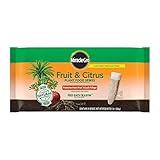
1. Miracle-Gro Fruit & Citrus Food
is an excellent fertilizer for fruit trees in Florida, providing essential nutrients for healthy growth and fruit production. It is a water-soluble fertilizer that can be applied every 1-2 weeks, making it easy to incorporate into your regular gardening routine. This fertilizer is specifically formulated for fruit and citrus trees, and it contains micronutrients like manganese and zinc that are essential for fruit development.
The
1. Miracle-Gro Fruit & Citrus Food
is also relatively inexpensive compared to other fertilizers on the market, making it a great value for gardeners who want to get the most out of their fruit trees. It’s also easy to find in most gardening stores, and the instructions are clear and easy to follow. Overall, the
1. Miracle-Gro Fruit & Citrus Food
is a great choice for gardeners in Florida who want to promote healthy growth and fruit production in their fruit trees.
The
2. Espoma Organic Fruit Tree Fertilizer
is a popular choice among gardeners in Florida who prefer to use organic products. This fertilizer is made from all-natural ingredients and is free of synthetic chemicals, making it a great option for gardeners who want to avoid exposing their trees to harsh substances. It’s also a slow-release fertilizer, which means it provides nutrients to the trees over a longer period of time, reducing the need for frequent applications.
The
2. Espoma Organic Fruit Tree Fertilizer
is also rich in nutrients like nitrogen, phosphorus, and potassium, which are essential for healthy tree growth. It’s also formulated to promote fruit production, so gardeners can expect to see an increase in fruit yield when using this fertilizer. One thing to note is that this fertilizer may be more expensive than some other options, but many gardeners feel that the benefits of using an organic product make it well worth the extra cost.
The
3. Scotts Osmocote 14-14-14 Fruit Tree Fertilizer
is a professional-grade fertilizer that is designed to provide long-lasting nutrition to fruit trees. It’s a slow-release fertilizer that can last for up to 4 months, making it a great option for busy gardeners who don’t have time to fertilize their trees frequently. This fertilizer is also relatively inexpensive, especially considering its long-lasting formula.
The
3. Scotts Osmocote 14-14-14 Fruit Tree Fertilizer
is also a great choice for gardeners who want to promote healthy root development in their fruit trees. It contains a balanced mix of nutrients, including nitrogen, phosphorus, and potassium, which are essential for healthy tree growth. One thing to note is that this fertilizer may not be suitable for young trees, as it can be too strong for their sensitive roots. However, for established trees, this fertilizer is an excellent choice.
The
4. E.B. Stone Organics Fruit Tree Fertilizer
is a high-quality, organic fertilizer that is specifically formulated for fruit trees. It’s made from a blend of natural ingredients, including bone meal, alfalfa meal, and feather meal, which provide a slow release of nutrients to the trees. This fertilizer is also rich in micronutrients like calcium and magnesium, which are essential for healthy fruit development.
The
4. E.B. Stone Organics Fruit Tree Fertilizer
is also a great choice for gardeners who want to improve the overall health and fertility of their soil. It contains a blend of beneficial microbes that help to break down organic matter and promote healthy soil structure. This fertilizer is also relatively easy to apply, and the instructions are clear and easy to follow. One thing to note is that this fertilizer may be more expensive than some other options, but many gardeners feel that the benefits of using a high-quality, organic product make it well worth the extra cost.
The
5. Dyna-Gro Foliage-Pro Fruit Tree Fertilizer
is a high-nitrogen fertilizer that is specifically formulated for fruit trees. It’s a water-soluble fertilizer that can be applied every 1-2 weeks, making it easy to incorporate into your regular gardening routine. This fertilizer is also rich in micronutrients like iron and zinc, which are essential for healthy fruit development.
The
5. Dyna-Gro Foliage-Pro Fruit Tree Fertilizer
is also a great choice for gardeners who want to promote healthy leaf growth and fruit production in their fruit trees. It contains a balanced mix of nutrients, including nitrogen, phosphorus, and potassium, which are essential for healthy tree growth. One thing to note is that this fertilizer may be too strong for young trees, so it’s best to start with a small application and gradually increase as needed. However, for established trees, this fertilizer is an excellent choice for promoting healthy growth and fruit production.
Why Fertilizers are Essential for Fruit Trees in Florida
Fruit trees in Florida require fertilizers due to the state’s unique soil composition and climate. The soil in Florida is often sandy and lacks essential nutrients, making it difficult for fruit trees to thrive without additional support. Furthermore, the hot and humid climate in Florida can lead to rapid nutrient depletion, which can negatively impact fruit tree growth and productivity. As a result, fertilizers play a crucial role in providing the necessary nutrients for fruit trees to grow and produce fruit.
In addition to the soil composition and climate, fruit trees in Florida also require fertilizers to combat pests and diseases. Many fruit trees in Florida are susceptible to pests and diseases that can weaken the tree and reduce fruit production. Fertilizers can help to strengthen the tree’s immune system, making it more resistant to these threats. Moreover, fertilizers can also help to promote healthy growth and development, which can lead to increased fruit production and improved fruit quality.
When it comes to selecting the right fertilizer for fruit trees in Florida, there are several options available. Homeowners can choose from a variety of fertilizers, including organic and inorganic options. The best fertilizers for fruit trees in Florida are those that are specifically formulated to meet the unique needs of fruit trees in the state’s climate and soil conditions. These fertilizers typically contain a balanced mix of nutrients, including nitrogen, phosphorus, and potassium, which are essential for fruit tree growth and productivity.
Overall, fertilizers are a necessary component of fruit tree care in Florida. By providing the necessary nutrients and promoting healthy growth and development, fertilizers can help to ensure that fruit trees thrive and produce abundant, high-quality fruit. Whether you’re growing citrus, mango, or avocado trees, fertilizers can make a significant difference in the health and productivity of your fruit trees. By choosing the right fertilizer and following a regular fertilization schedule, homeowners can enjoy a bountiful harvest and beautiful, thriving fruit trees.
Nutrient Requirements For Fruit Trees In Florida
Fruit trees in Florida require a balanced diet of nutrients to grow and thrive. The most essential nutrients for fruit trees are nitrogen, phosphorus, and potassium. Nitrogen promotes healthy leaf growth, phosphorus supports root development, and potassium helps with overall tree health and fruit production. A fertilizer that provides a balanced mix of these nutrients is ideal for fruit trees in Florida.
In addition to the primary nutrients, fruit trees in Florida also benefit from secondary nutrients like magnesium, sulfur, and calcium. These nutrients play a crucial role in maintaining soil pH, supporting microbial activity, and promoting fruit quality. A fertilizer that includes these secondary nutrients can help ensure that fruit trees receive a comprehensive diet of essential nutrients.
The nutrient requirements for fruit trees in Florida can vary depending on factors like tree age, soil type, and climate. For example, young fruit trees may require more phosphorus to support root development, while mature trees may benefit from more potassium to support fruit production. Understanding the specific nutrient needs of fruit trees is essential for selecting the right fertilizer.
Fruit trees in Florida may also benefit from micronutrients like boron, copper, and zinc. These nutrients play a crucial role in supporting tree health and fruit quality, and deficiencies can lead to reduced yields and poor fruit quality. A fertilizer that includes micronutrients can help ensure that fruit trees receive a complete diet of essential nutrients.
Soil Considerations For Fertilizing Fruit Trees In Florida
Soil type and quality play a significant role in determining the fertilizer needs of fruit trees in Florida. The state’s soil can range from sandy to clay-based, and each type has its unique characteristics and nutrient requirements. Sandy soils tend to be well-draining but may lack essential nutrients, while clay-based soils can be prone to waterlogging and nutrient deficiencies.
Fruit trees in Florida prefer a slightly acidic to neutral soil pH, ranging from 6.0 to 7.0. A soil test can help determine the pH level and nutrient content of the soil, allowing for more informed fertilizer selection. For example, if the soil is highly acidic, a fertilizer with a higher pH can help neutralize the soil and support tree growth.
Soil organic matter is also essential for fruit tree health, as it supports microbial activity, improves soil structure, and provides a slow release of nutrients. Adding organic matter like compost or manure can help improve soil fertility and reduce the need for synthetic fertilizers. A fertilizer that promotes soil biota and supports soil health can be beneficial for fruit trees in Florida.
In addition to soil type and pH, other factors like soil moisture and temperature can impact fertilizer effectiveness. Fruit trees in Florida require consistent moisture, especially during the growing season, and a fertilizer that supports drought tolerance can be beneficial. Understanding the soil conditions and climate is essential for selecting the right fertilizer and application schedule.
Organic Vs Synthetic Fertilizers For Fruit Trees In Florida
Fruit tree growers in Florida can choose between organic and synthetic fertilizers, each with its advantages and disadvantages. Organic fertilizers are derived from natural sources like animal waste, plant residues, and microorganisms, and they release nutrients slowly over time. Synthetic fertilizers, on the other hand, are manufactured using chemical processes and provide a quick release of nutrients.
Organic fertilizers are generally considered a more sustainable and environmentally friendly option, as they promote soil biota, improve soil structure, and support ecosystem health. They can also help reduce the environmental impact of fruit tree production, as they minimize the risk of water pollution and soil degradation. However, organic fertilizers may be more expensive and have a slower release of nutrients, which can impact tree growth and productivity.
Synthetic fertilizers, on the other hand, provide a rapid release of nutrients and can promote quick tree growth and fruit production. They are often less expensive than organic fertilizers and can be more convenient to apply. However, synthetic fertilizers can also have negative environmental impacts, such as water pollution and soil degradation, and may not provide the same long-term benefits as organic fertilizers.
The choice between organic and synthetic fertilizers ultimately depends on the grower’s priorities and values. If sustainability and environmental stewardship are a priority, organic fertilizers may be the better choice. However, if rapid tree growth and high fruit yields are the primary goal, synthetic fertilizers may be more effective.
Application And Timing Considerations For Fertilizing Fruit Trees In Florida
The application and timing of fertilizer can significantly impact the growth and productivity of fruit trees in Florida. Fertilizer should be applied at the right time and in the right amount to support tree growth and minimize waste. The ideal time for fertilizing fruit trees in Florida depends on the tree species, age, and growth stage, as well as the climate and soil conditions.
For most fruit trees in Florida, the best time to fertilize is during the growing season, which typically runs from March to October. A balanced fertilizer can be applied in early spring, followed by a summer application of a high-phosphorus fertilizer to support fruit production. However, the specific fertilizer application schedule may vary depending on the tree species and growth stage.
The method of fertilizer application can also impact tree growth and productivity. Fertilizer can be applied through various methods, including broadcasting, banding, and foliar spraying. Broadcasting involves applying fertilizer evenly over the soil surface, while banding involves applying fertilizer in a concentrated band near the tree trunk. Foliar spraying involves applying fertilizer directly to the leaves, which can provide a quick boost of nutrients.
In addition to the application method, the amount of fertilizer applied can also impact tree growth and productivity. Over-fertilization can lead to reduced fruit quality, increased pest and disease susceptibility, and environmental pollution. Under-fertilization, on the other hand, can result in reduced tree growth and productivity. A soil test can help determine the optimal fertilizer application rate and minimize the risk of over- or under-fertilization.
Buying Guide: Best Fertilizers For Fruit Trees In Florida
When it comes to growing fruit trees in Florida, using the right fertilizer is crucial for optimal growth and fruit production. With so many options available in the market, choosing the right fertilizer can be overwhelming, especially for beginners. In this guide, we will discuss the key factors to consider when buying fertilizers for your fruit trees in Florida, helping you make an informed decision and find the best fertilizers for fruit trees in florida.
Nutrient Content
The nutrient content of a fertilizer is one of the most important factors to consider when buying fertilizers for fruit trees in Florida. Fruit trees require a balanced diet of nutrients, including nitrogen, phosphorus, and potassium, to grow and produce fruit. A fertilizer that is high in nitrogen will promote healthy leaf growth, while a fertilizer that is high in phosphorus will promote root development and fruit production. When choosing a fertilizer, look for one that has a balanced N-P-K ratio, such as 10-10-10, to ensure that your fruit trees are getting all the nutrients they need.
When evaluating the nutrient content of a fertilizer, it’s also important to consider the type of nutrients used. Some fertilizers may use synthetic nutrients, while others may use organic or natural nutrients. Organic nutrients, such as those derived from animal waste or plant matter, can be more beneficial for the soil and the environment, as they release nutrients slowly and promote healthy microbial activity. On the other hand, synthetic nutrients can provide a quick boost to plant growth, but may not provide long-term benefits and can even harm the environment if overused.
Soil Type
The type of soil your fruit trees are growing in is another important factor to consider when buying fertilizers. Different soils have different nutrient requirements, and using a fertilizer that is not suitable for your soil type can be ineffective or even harmful. For example, if your soil is sandy, it may require more frequent fertilization, as nutrients can leach out of the soil quickly. On the other hand, if your soil is clay-based, it may require less frequent fertilization, as nutrients can be retained in the soil for longer periods.
When choosing a fertilizer, consider the pH level of your soil and the type of nutrients it may be lacking. If your soil is acidic, you may need to choose a fertilizer that is high in lime to raise the pH level. If your soil is alkaline, you may need to choose a fertilizer that is high in sulfur to lower the pH level. Additionally, consider the soil’s nutrient-holding capacity, as some soils may require more frequent fertilization to maintain optimal nutrient levels.
Tree Age and Size
The age and size of your fruit trees are also important factors to consider when buying fertilizers. Young trees, for example, may require more frequent fertilization, as they are still developing their root systems and require more nutrients to support growth. Older trees, on the other hand, may require less frequent fertilization, as they have established root systems and require fewer nutrients to maintain growth.
When choosing a fertilizer for young trees, consider a starter fertilizer that is high in phosphorus, such as 10-20-10. This will promote root development and establishment, helping your trees get off to a strong start. For older trees, consider a maintenance fertilizer that is balanced, such as 10-10-10, to provide ongoing nutrition and support. Additionally, consider the tree’s size, as larger trees may require more fertilizer to support their growth, while smaller trees may require less.
Climate and Weather
The climate and weather in your area can also impact the type of fertilizer you should use on your fruit trees. In Florida, the hot and humid climate can lead to rapid nutrient leaching, requiring more frequent fertilization. Additionally, the risk of hurricanes and other extreme weather events can impact soil quality and nutrient availability, requiring adjustments to your fertilization schedule.
When choosing a fertilizer, consider the climate and weather patterns in your area. If you live in an area with high rainfall, you may need to choose a fertilizer that is more resistant to leaching, such as a slow-release fertilizer. If you live in an area with extreme temperatures, you may need to choose a fertilizer that is more tolerant of temperature fluctuations, such as an organic fertilizer. Additionally, consider the timing of your fertilization, as fertilizing during the growing season may be more effective than fertilizing during the dormant season.
Organic vs. Synthetic
The decision to use organic or synthetic fertilizers is another important factor to consider when buying fertilizers for your fruit trees. Organic fertilizers, such as those derived from animal waste or plant matter, can be more beneficial for the soil and the environment, as they release nutrients slowly and promote healthy microbial activity. Synthetic fertilizers, on the other hand, can provide a quick boost to plant growth, but may not provide long-term benefits and can even harm the environment if overused.
When choosing between organic and synthetic fertilizers, consider the long-term health of your soil and the environment. Organic fertilizers may be more expensive and take longer to work, but they can provide long-term benefits and promote sustainable gardening practices. Synthetic fertilizers, on the other hand, may be cheaper and faster-acting, but they can harm the environment and promote unsustainable gardening practices. Additionally, consider the potential impact on human health, as some synthetic fertilizers can leave residues on fruit and other edible crops.
Cost and Availability
Finally, the cost and availability of a fertilizer are also important factors to consider when buying fertilizers for your fruit trees. Fertilizers can range in price from a few dollars to several hundred dollars, depending on the type and quantity. When choosing a fertilizer, consider your budget and the cost-effectiveness of the fertilizer, as well as its availability in your area.
When evaluating the cost and availability of a fertilizer, consider the potential return on investment. A more expensive fertilizer may provide better results and longer-term benefits, making it a worthwhile investment. A cheaper fertilizer, on the other hand, may not provide the same level of benefits, making it a less desirable option. Additionally, consider the convenience of purchasing and applying the fertilizer, as well as any potential discounts or promotions that may be available. By considering these factors, you can make an informed decision and choose a fertilizer that meets your needs and budget.
Frequently Asked Questions
What type of fertilizer is best for fruit trees in Florida?
The best type of fertilizer for fruit trees in Florida depends on several factors, including the type of fruit tree, its age, and the soil conditions. Generally, fruit trees in Florida require a balanced fertilizer that contains a mix of nitrogen, phosphorus, and potassium. A fertilizer with a ratio of 10-10-10 (nitrogen-phosphorus-potassium) is a good starting point. However, it’s essential to consider the specific needs of your fruit tree and adjust the fertilizer accordingly.
For example, if your fruit tree is young and still developing, it may require more nitrogen to promote healthy growth. On the other hand, if your fruit tree is mature and producing fruit, it may require more phosphorus to support fruit production. It’s also important to consider the soil pH and adjust the fertilizer accordingly. Florida’s soil tends to be acidic, so a fertilizer that is formulated for acidic soils may be beneficial. By choosing the right type of fertilizer, you can provide your fruit tree with the necessary nutrients to thrive in Florida’s climate.
How often should I fertilize my fruit trees in Florida?
The frequency of fertilization for fruit trees in Florida depends on several factors, including the type of fertilizer, the age of the tree, and the time of year. Generally, fruit trees in Florida should be fertilized twice a year, once in the spring and once in the summer. This allows the tree to receive the necessary nutrients during the growing season. However, the frequency of fertilization may vary depending on the specific needs of your fruit tree.
For example, if you’re using a slow-release fertilizer, you may only need to fertilize once a year. On the other hand, if you’re using a fast-release fertilizer, you may need to fertilize more frequently. It’s also important to consider the time of year and avoid fertilizing during the hottest summer months when the tree may be under stress. By fertilizing at the right time and frequency, you can provide your fruit tree with the necessary nutrients to thrive in Florida’s climate. Additionally, it’s essential to follow the instructions on the fertilizer package and start with a small amount to avoid over-fertilizing, which can damage the tree.
What are the benefits of using organic fertilizers for fruit trees in Florida?
Using organic fertilizers for fruit trees in Florida has several benefits. Organic fertilizers are made from natural materials such as compost, manure, and fish bone meal, which are rich in nutrients and improve soil health. These fertilizers release nutrients slowly, providing a steady supply of nutrients to the tree over an extended period. This promotes healthy growth and development, and helps to improve the tree’s resistance to disease and pests.
Organic fertilizers also have a lower risk of over-fertilizing, which can damage the tree and contaminate the soil and water. Additionally, organic fertilizers can help to improve the soil structure, increase the soil’s water-holding capacity, and support the growth of beneficial microorganisms. This creates a healthy and balanced ecosystem that supports the growth of the fruit tree. By using organic fertilizers, you can create a sustainable and environmentally friendly gardening practice that promotes the health and well-being of your fruit tree and the surrounding ecosystem.
Can I use the same fertilizer for all types of fruit trees in Florida?
While some fertilizers can be used for multiple types of fruit trees, it’s not recommended to use the same fertilizer for all types of fruit trees in Florida. Different fruit trees have different nutrient requirements, and using the wrong fertilizer can lead to nutrient deficiencies or over-fertilization. For example, citrus trees require more nitrogen than other fruit trees, while mango trees require more potassium.
It’s essential to choose a fertilizer that is specifically formulated for the type of fruit tree you are growing. This will ensure that the tree receives the necessary nutrients to thrive. Additionally, consider the age and growth stage of the tree, as well as the soil conditions, when selecting a fertilizer. By choosing the right fertilizer for your specific fruit tree, you can provide it with the necessary nutrients to grow and produce fruit successfully in Florida’s climate.
How do I choose the best fertilizer for my fruit tree in Florida?
Choosing the best fertilizer for your fruit tree in Florida involves considering several factors, including the type of fruit tree, its age, and the soil conditions. Start by reading the label and looking for a fertilizer that is specifically formulated for fruit trees and contains a balanced mix of nutrients. Consider the N-P-K ratio and choose a fertilizer that meets the specific needs of your fruit tree.
It’s also essential to consider the soil pH and choose a fertilizer that is formulated for acidic or alkaline soils, depending on your soil conditions. Additionally, read reviews and ask for recommendations from gardening experts or your local nursery to find the best fertilizer for your specific fruit tree. By taking the time to research and choose the right fertilizer, you can provide your fruit tree with the necessary nutrients to thrive in Florida’s climate and produce delicious and healthy fruit.
Are there any specific fertilizers that are recommended for fruit trees in Florida?
Yes, there are several fertilizers that are recommended for fruit trees in Florida. Some popular options include Espoma Organic Tree-Tone Fertilizer, Miracle-Gro Fruit & Citrus Food, and E.B. Stone Organics Fruit Tree Fertilizer. These fertilizers are specifically formulated for fruit trees and contain a balanced mix of nutrients to promote healthy growth and fruit production.
When selecting a fertilizer, consider the specific needs of your fruit tree and choose a fertilizer that meets those needs. For example, if you’re growing a citrus tree, look for a fertilizer that is specifically formulated for citrus trees. Additionally, consider the age and growth stage of the tree, as well as the soil conditions, when selecting a fertilizer. By choosing a recommended fertilizer, you can provide your fruit tree with the necessary nutrients to thrive in Florida’s climate and produce delicious and healthy fruit.
Can I make my own fertilizer for fruit trees in Florida?
Yes, you can make your own fertilizer for fruit trees in Florida using natural ingredients such as compost, manure, and fish bone meal. Making your own fertilizer can be a cost-effective and environmentally friendly way to provide your fruit tree with the necessary nutrients. Start by collecting organic materials such as leaves, grass clippings, and vegetable scraps, and composting them to create a nutrient-rich fertilizer.
To make a homemade fertilizer, mix the composted materials with other natural ingredients such as manure, fish bone meal, and Epsom salt. You can also add other nutrients such as blood meal or alfalfa meal to provide a balanced mix of nutrients. By making your own fertilizer, you can create a customized blend that meets the specific needs of your fruit tree. Additionally, you can avoid the chemicals and synthetic ingredients found in commercial fertilizers, creating a more sustainable and environmentally friendly gardening practice.
Verdict
In conclusion, cultivating healthy and thriving fruit trees in Florida’s unique climate requires a deep understanding of their nutritional needs. The Sunshine State’s distinct soil composition and weather patterns demand a tailored approach to fertilization, one that takes into account the specific requirements of various fruit tree species. By selecting the right fertilizer, gardeners and farmers can unlock the full potential of their trees, promoting robust growth, increased yields, and enhanced flavor profiles.
As we have explored in this article, the best fertilizers for fruit trees in Florida are those that balance essential nutrients with the state’s particular environmental conditions. By choosing a high-quality fertilizer that meets these criteria, growers can enjoy a bountiful harvest and a lasting investment in their orchard’s health. Whether you’re a seasoned horticulturist or an enthusiastic beginner, investing in the best fertilizers for fruit trees in Florida is a crucial step towards achieving success in your fruit tree cultivation endeavors, and with the right knowledge and products, you can reap the rewards of a thriving and productive orchard.