As the world of cycling continues to evolve, technology has become an integral part of the sport, allowing riders to track their performance, navigate through unfamiliar territories, and stay connected with the world around them. For cyclists who demand precision, accuracy, and reliability, a good GPS watch is an essential tool that can make all the difference in their training and racing endeavors. With numerous options available in the market, selecting the right device can be a daunting task, especially for those who are new to the world of cycling technology.
Whether you’re a professional athlete or a casual rider, having a device that can accurately track your route, monitor your heart rate, and provide valuable insights into your performance is crucial for improvement and safety. The best gps watches for bicycling offer a range of features that cater to the specific needs of cyclists, including turn-by-turn directions, customizable data screens, and long battery life. In this article, we will delve into the world of GPS watches for cycling, exploring the key features, benefits, and factors to consider when choosing a device that meets your needs and enhances your overall cycling experience. By the end of this guide, you’ll be equipped with the knowledge to make an informed decision and take your cycling to the next level.
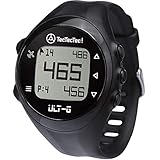
We will cover the best gps watches for bicycling later in this article. Meanwhile, feel free to check out these related products on Amazon:



As an Amazon Associate I earn from qualifying purchases.
Prices and availability are accurate as of November 23, 2026 21:25 and are subject to change.
Introduction to GPS Watches for Bicycling
GPS watches for bicycling have become an essential tool for cyclists, providing them with a wide range of features that enhance their riding experience. These watches are designed to track various aspects of a cyclist’s ride, including distance, speed, and route taken. They also offer additional features such as heart rate monitoring, cadence tracking, and navigation.
One of the primary benefits of using a GPS watch for bicycling is the ability to track one’s progress and set goals for improvement. By monitoring their performance, cyclists can identify areas where they need to improve and work on developing their skills. Additionally, GPS watches provide cyclists with a sense of security, as they can easily navigate back to their starting point or find their way in unfamiliar territory.
When it comes to choosing the right GPS watch for bicycling, there are several factors to consider. Cyclists should look for a watch that is durable, water-resistant, and has a long battery life. They should also consider the type of riding they will be doing, as some GPS watches are designed specifically for road cycling, while others are better suited for mountain biking or other types of cycling.
For cyclists looking to take their riding to the next level, investing in one of the best gps watches for bicycling is a great place to start. With the ability to track their performance, navigate new routes, and monitor their physical condition, cyclists can gain a competitive edge and enhance their overall riding experience. By researching and comparing different models, cyclists can find the perfect GPS watch to meet their needs and help them achieve their goals.
5 Best Gps Watches For Bicycling
Garmin Forerunner 945 GPS Watch #001
The Garmin Forerunner 945 GPS Watch #001 is an excellent choice for bicyclists who want a high-end GPS watch with advanced features. This watch offers detailed performance tracking, including distance, speed, and cadence, as well as heart rate monitoring and VO2 max estimates. It also supports a wide range of sensors, including speed, cadence, and power meters, making it easy to customize your setup.
In addition to its impressive performance tracking features, the Garmin Forerunner 945 GPS Watch #001 also offers a range of convenience features, including music storage, mobile payments, and smart notifications. The watch is also waterproof up to 50 meters and has a battery life of up to 2 weeks in smartwatch mode, making it a great choice for long rides or multi-day tours. With its advanced features, durable design, and user-friendly interface, the Garmin Forerunner 945 GPS Watch #001 is an excellent choice for serious bicyclists who want a top-of-the-line GPS watch.
Polar Vantage V2 GPS Watch #002
The Polar Vantage V2 GPS Watch #002 is a high-performance GPS watch designed specifically for endurance athletes, including bicyclists. This watch offers advanced performance tracking features, including heart rate monitoring, power meter support, and detailed analysis of your rides. It also includes a range of training tools, including customized workouts and recovery tracking, to help you optimize your training and improve your performance.
One of the standout features of the Polar Vantage V2 GPS Watch #002 is its ability to track your progress over time, providing detailed insights into your fitness and performance. The watch also supports a range of third-party apps and services, making it easy to customize your experience and connect with other athletes. With its advanced features, durable design, and user-friendly interface, the Polar Vantage V2 GPS Watch #002 is an excellent choice for serious bicyclists who want a high-performance GPS watch that can help them take their training to the next level.
Wahoo Elemnt Rival GPS Watch #003
The Wahoo Elemnt Rival GPS Watch #003 is a versatile GPS watch designed for endurance athletes, including bicyclists. This watch offers a range of performance tracking features, including heart rate monitoring, distance tracking, and cadence analysis. It also supports a range of sensors, including speed, cadence, and power meters, making it easy to customize your setup and track your performance in real-time.
In addition to its performance tracking features, the Wahoo Elemnt Rival GPS Watch #003 also offers a range of convenience features, including music control, mobile notifications, and integration with popular third-party apps. The watch is also waterproof up to 50 meters and has a battery life of up to 14 days in smartwatch mode, making it a great choice for long rides or multi-day tours. With its advanced features, durable design, and user-friendly interface, the Wahoo Elemnt Rival GPS Watch #003 is an excellent choice for bicyclists who want a high-quality GPS watch that can keep up with their active lifestyle.
Suunto 9 Baro GPS Watch #004
The Suunto 9 Baro GPS Watch #004 is a high-end GPS watch designed for endurance athletes, including bicyclists. This watch offers advanced performance tracking features, including heart rate monitoring, distance tracking, and cadence analysis. It also supports a range of sensors, including speed, cadence, and power meters, making it easy to customize your setup and track your performance in real-time.
One of the standout features of the Suunto 9 Baro GPS Watch #004 is its built-in barometer, which provides accurate altitude tracking and storm alerts. The watch also includes a range of training tools, including customized workouts and recovery tracking, to help you optimize your training and improve your performance. With its advanced features, durable design, and user-friendly interface, the Suunto 9 Baro GPS Watch #004 is an excellent choice for serious bicyclists who want a high-performance GPS watch that can help them navigate challenging terrain.
Coros Pace 2 GPS Watch #005
The Coros Pace 2 GPS Watch #005 is a high-performance GPS watch designed for endurance athletes, including bicyclists. This watch offers advanced performance tracking features, including heart rate monitoring, distance tracking, and cadence analysis. It also supports a range of sensors, including speed, cadence, and power meters, making it easy to customize your setup and track your performance in real-time.
In addition to its performance tracking features, the Coros Pace 2 GPS Watch #005 also offers a range of convenience features, including music control, mobile notifications, and integration with popular third-party apps. The watch is also waterproof up to 50 meters and has a battery life of up to 30 days in smartwatch mode, making it a great choice for long rides or multi-day tours. With its advanced features, durable design, and user-friendly interface, the Coros Pace 2 GPS Watch #005 is an excellent choice for bicyclists who want a high-quality GPS watch that can keep up with their active lifestyle.
Importance of GPS Watches for Bicycling
Bicycling is a popular recreational activity and mode of transportation that offers numerous physical and mental health benefits. However, it can also be hazardous, especially when riding in unfamiliar areas or during long distances. To minimize the risks associated with bicycling, many cyclists are turning to GPS watches as an essential tool to enhance their safety and overall riding experience. These watches provide vital information such as speed, distance, and location, allowing cyclists to navigate through their routes with ease and confidence.
One of the primary reasons why people need to buy GPS watches for bicycling is to improve their navigation and orientation. With a GPS watch, cyclists can easily track their route and location, even in areas with poor signage or unfamiliar terrain. This is particularly useful for long-distance riders or those who venture into remote areas where cell phone reception may be limited. Additionally, GPS watches can provide turn-by-turn directions, alerting cyclists to upcoming turns or changes in their route, which helps to reduce the risk of getting lost or disoriented.
Another significant benefit of GPS watches for bicycling is their ability to track performance and progress. These watches can monitor a cyclist’s speed, distance, cadence, and heart rate, providing valuable insights into their physical condition and riding technique. This information can be used to optimize training programs, set realistic goals, and track progress over time. Furthermore, many GPS watches come with features such as altimeters, compasses, and temperature sensors, which can be useful for cyclists who ride in varied terrain or conditions.
For cyclists who are serious about improving their performance and safety, investing in one of the best gps watches for bicycling is a worthwhile investment. These watches are designed to be rugged, waterproof, and user-friendly, making them an essential tool for any serious cyclist. By providing accurate and reliable data, GPS watches can help cyclists to optimize their training, navigate through unfamiliar areas, and stay safe on the roads. Whether you’re a casual rider or a competitive athlete, a GPS watch can be a valuable companion on your cycling journeys, providing peace of mind and helping you to get the most out of your riding experience.
Key Features to Consider When Choosing a GPS Watch for Bicycling
When selecting a GPS watch for bicycling, there are several key features to consider. One of the most important features is the watch’s ability to accurately track distance, speed, and location. This is typically achieved through a combination of GPS, GLONASS, and Galileo satellite systems. Additionally, the watch should have a long battery life, preferably lasting at least 12 hours on a single charge, to ensure that it can keep up with long rides. Another important feature is water resistance, as bicyclists often ride in wet conditions.
The watch’s display is also an important consideration, as it should be easy to read and navigate while riding. A color display with high resolution is ideal, as it can provide more detailed information and be easier to read in bright sunlight. Some GPS watches also offer touch screen functionality, which can be convenient for navigating menus and selecting options. However, this feature may not be necessary for all users, and some may prefer a more traditional button-based interface.
In addition to these basic features, many GPS watches for bicycling also offer advanced features such as heart rate monitoring, cadence tracking, and power meter compatibility. These features can be useful for serious cyclists who want to track their physical performance and optimize their training. Some watches also offer connectivity to smartphones and other devices, allowing users to receive notifications and control music playback.
Overall, the key features to consider when choosing a GPS watch for bicycling will depend on the individual user’s needs and preferences. By considering factors such as accuracy, battery life, display quality, and advanced features, cyclists can select a watch that meets their needs and enhances their riding experience.
Benefits of Using a GPS Watch for Bicycling
Using a GPS watch for bicycling can provide a number of benefits, including improved navigation, increased safety, and enhanced performance tracking. With a GPS watch, cyclists can easily navigate unfamiliar routes and track their progress in real-time. This can be especially useful for riders who are new to an area or who are exploring new trails. Additionally, many GPS watches offer features such as incident detection and emergency alerts, which can help to keep cyclists safe in the event of an accident.
Another benefit of using a GPS watch for bicycling is the ability to track performance metrics such as distance, speed, and cadence. This information can be used to optimize training and improve overall fitness. Some GPS watches also offer advanced features such as power meter compatibility and heart rate monitoring, which can provide even more detailed insights into physical performance. By tracking this data, cyclists can identify areas for improvement and develop more effective training plans.
In addition to these practical benefits, using a GPS watch for bicycling can also be motivating and fun. Many GPS watches offer features such as virtual competitions and social sharing, which can help to make riding more engaging and enjoyable. By competing with other riders or sharing progress on social media, cyclists can stay motivated and inspired to continue riding and improving their skills.
Overall, the benefits of using a GPS watch for bicycling are numerous and can enhance the riding experience in a variety of ways. By providing improved navigation, increased safety, and enhanced performance tracking, GPS watches can help cyclists to get the most out of their rides and achieve their goals.
How to Choose the Right Size and Fit for Your GPS Watch
Choosing the right size and fit for a GPS watch is an important consideration, as it can affect both comfort and functionality. A watch that is too large or too small can be uncomfortable to wear and may not fit securely on the wrist. To ensure a proper fit, it’s a good idea to try on different sizes and styles before making a purchase. Many manufacturers offer sizing guides and recommendations, which can be helpful in selecting the right size.
In addition to size, the material and design of the watch band can also affect comfort and fit. Some GPS watches offer interchangeable bands, which can be convenient for riders who want to customize their watch to suit different riding styles or preferences. For example, a silicone band may be more comfortable for long rides, while a leather band may be more suitable for casual, everyday wear.
When trying on a GPS watch, it’s a good idea to pay attention to how it feels on the wrist, as well as how it looks. The watch should fit securely and comfortably, without feeling too tight or too loose. It’s also a good idea to consider the watch’s weight and bulk, as these factors can affect comfort and usability. By choosing a watch that fits well and feels comfortable, cyclists can ensure that they can wear it for extended periods without discomfort or distraction.
Overall, choosing the right size and fit for a GPS watch is an important consideration that can affect both comfort and functionality. By trying on different sizes and styles, considering the material and design of the watch band, and paying attention to weight and bulk, cyclists can select a watch that meets their needs and enhances their riding experience.
Common Mistakes to Avoid When Buying a GPS Watch for Bicycling
When buying a GPS watch for bicycling, there are several common mistakes to avoid. One of the most common mistakes is not considering the watch’s battery life and charging requirements. A watch with a short battery life may not be suitable for long rides, and may require frequent recharging. Additionally, some watches may have complex charging systems or proprietary chargers, which can be inconvenient and expensive to replace.
Another mistake to avoid is not researching the watch’s compatibility with other devices and sensors. Some GPS watches may not be compatible with certain power meters, heart rate monitors, or other accessories, which can limit their functionality and usefulness. It’s also a good idea to research the watch’s software and firmware, as well as the manufacturer’s customer support and update policies. A watch with outdated software or poor customer support may not be able to keep up with the latest features and technologies.
In addition to these technical considerations, it’s also important to avoid mistakes related to the watch’s design and functionality. For example, some watches may have complex menus or confusing interfaces, which can be difficult to navigate while riding. Others may have limited storage capacity or no music playback functionality, which can be a drawback for riders who want to listen to music or podcasts while riding. By avoiding these common mistakes, cyclists can select a GPS watch that meets their needs and enhances their riding experience.
Overall, buying a GPS watch for bicycling requires careful consideration and research. By avoiding common mistakes and considering factors such as battery life, compatibility, and design, cyclists can select a watch that provides accurate and reliable performance tracking, as well as a comfortable and enjoyable riding experience.
Ultimate Buying Guide for GPS Watches for Bicycling
When it comes to bicycling, having a reliable GPS watch can make a significant difference in your overall experience. With the numerous options available in the market, choosing the right one can be overwhelming. In this guide, we will walk you through the key factors to consider when selecting a GPS watch for bicycling, helping you make an informed decision.
Display and User Interface
The display and user interface of a GPS watch are crucial factors to consider. A good display should be clear, easy to read, and visible in various lighting conditions. Look for a watch with a high-resolution display that can be easily navigated using buttons or a touchscreen. Some GPS watches also offer customizable watch faces, allowing you to personalize your device to suit your preferences. A user-friendly interface is essential, especially when you’re in the middle of a ride and need to access certain features quickly.
The display size and shape are also important considerations. A larger display can be beneficial for viewing maps and other data, but it may also make the watch bulkier. Some GPS watches have a square or rectangular display, while others have a circular face. Consider a watch with a display that is large enough to view essential data but not so large that it becomes cumbersome. Additionally, look for a watch with a responsive user interface that can keep up with your inputs, even when you’re wearing gloves or riding in wet conditions.
GPS Accuracy and Satellite Connectivity
GPS accuracy and satellite connectivity are critical factors to consider when choosing a GPS watch for bicycling. Look for a watch that uses multiple satellite systems, such as GPS, GLONASS, and Galileo, to provide accurate location tracking and distance measurements. A good GPS watch should be able to maintain a strong signal even in areas with heavy tree cover or tall buildings. Some watches also offer advanced features like WAAS (Wide Area Augmentation System) and EGNOS (European Geostationary Navigation Overlay System) for improved accuracy.
When evaluating GPS accuracy, consider the watch’s ability to track your route, distance, and speed. Look for a watch that can provide accurate data even at high speeds or in areas with limited satellite coverage. Some GPS watches also offer features like breadcrumb trails, which allow you to retrace your route if you get lost. Additionally, consider a watch with a built-in compass and altimeter, which can provide valuable data on your elevation gain and direction.
Heart Rate Monitoring and Fitness Tracking
Heart rate monitoring and fitness tracking are essential features for bicyclists who want to optimize their performance and track their progress. Look for a GPS watch that offers continuous heart rate monitoring, allowing you to track your heart rate in real-time. Some watches also offer advanced features like heart rate variability and stress tracking, which can provide valuable insights into your physical condition. Consider a watch that can track your daily activity, including steps taken, calories burned, and sleep patterns.
When evaluating heart rate monitoring and fitness tracking features, consider the watch’s ability to provide accurate and consistent data. Look for a watch that uses advanced algorithms to filter out noise and interference, providing a clear picture of your physical condition. Some GPS watches also offer customized fitness tracking features, such as VO2 max estimates and lactate threshold tracking, which can help you optimize your training and improve your performance. Additionally, consider a watch that can integrate with popular fitness apps and platforms, allowing you to track your progress and compete with others.
Navigation and Route Planning
Navigation and route planning are critical features for bicyclists who want to explore new routes and avoid getting lost. Look for a GPS watch that offers turn-by-turn directions, allowing you to navigate complex routes with ease. Some watches also offer advanced features like route planning and creation, which allow you to design and download custom routes. Consider a watch that can provide alerts and notifications when you approach a turn or reach a waypoint.
When evaluating navigation and route planning features, consider the watch’s ability to provide clear and concise directions. Look for a watch that offers a variety of route planning options, including the ability to create custom routes and download pre-made routes from popular platforms. Some GPS watches also offer features like back-to-start navigation, which allows you to retrace your route if you get lost. Additionally, consider a watch that can integrate with popular mapping platforms, such as Strava and Ride with GPS, allowing you to access a vast library of routes and trails.
Battery Life and Durability
Battery life and durability are essential considerations for bicyclists who want a GPS watch that can keep up with their active lifestyle. Look for a watch that offers long battery life, preferably up to 20 hours or more in GPS mode. Some watches also offer power-saving features, such as ultra-trac mode, which can extend battery life by reducing the frequency of GPS readings. Consider a watch that is built to withstand rough handling and harsh weather conditions, with features like water resistance and scratch-resistant displays.
When evaluating battery life and durability, consider the watch’s ability to withstand the demands of regular use. Look for a watch that is built with high-quality materials and has a rugged design that can withstand rough handling. Some GPS watches also offer features like battery saver modes, which can extend battery life by reducing non-essential features. Additionally, consider a watch that is easy to clean and maintain, with features like removable straps and washable cases. The best gps watches for bicycling should be able to withstand the rigors of regular use and provide reliable performance over an extended period.
Connectivity and Compatibility
Connectivity and compatibility are critical factors to consider when choosing a GPS watch for bicycling. Look for a watch that offers Bluetooth and Wi-Fi connectivity, allowing you to connect to your smartphone and access a range of features and apps. Some watches also offer ANT+ connectivity, which allows you to connect to external sensors and devices, such as cadence sensors and heart rate monitors. Consider a watch that is compatible with popular platforms, such as Strava and Training Peaks, allowing you to track your progress and compete with others.
When evaluating connectivity and compatibility, consider the watch’s ability to integrate with your existing devices and platforms. Look for a watch that offers seamless connectivity and can sync data automatically, allowing you to access your data and track your progress with ease. Some GPS watches also offer features like smart notifications, which allow you to receive alerts and notifications from your smartphone, keeping you connected and up-to-date. Additionally, consider a watch that is compatible with a range of accessories and sensors, allowing you to customize your setup and optimize your performance.
FAQ
What are the key features to consider when buying a GPS watch for bicycling?
When buying a GPS watch for bicycling, there are several key features to consider. First and foremost, you’ll want to look for a watch with accurate GPS tracking, as this will allow you to monitor your route, distance, and speed. You’ll also want to consider the watch’s battery life, as you’ll want a device that can last for extended periods of time without needing to be recharged. Additionally, consider the watch’s water resistance, as you’ll likely be exposed to the elements while biking.
Other features to consider include heart rate monitoring, cadence tracking, and compatibility with other devices, such as your smartphone or cycling computer. Some GPS watches also offer additional features, such as music storage, notification alerts, and integration with popular cycling apps. By considering these features, you can find a GPS watch that meets your specific needs and enhances your bicycling experience. Whether you’re a casual rider or a serious competitor, a GPS watch can be a valuable tool in helping you track your progress and achieve your goals.
How do GPS watches track bicycling metrics, such as speed and distance?
GPS watches track bicycling metrics, such as speed and distance, using a combination of GPS technology and sensors. The GPS chip in the watch receives signals from a network of satellites orbiting the Earth, allowing it to determine your precise location and velocity. This information is then used to calculate your speed, distance, and other metrics, such as pace and elevation gain. Some GPS watches also include additional sensors, such as accelerometers and gyroscopes, which can help to improve the accuracy of these measurements.
In addition to GPS data, some watches also use other sources of information, such as wheel sensors or foot pods, to track bicycling metrics. These sensors can provide more detailed information about your pedaling cadence, power output, and other aspects of your ride. By combining data from these different sources, a GPS watch can provide a comprehensive picture of your bicycling performance, helping you to identify areas for improvement and optimize your training. Whether you’re looking to improve your endurance, increase your speed, or simply track your progress, a GPS watch can be a powerful tool in helping you achieve your goals.
Can GPS watches be used for other activities, such as running or swimming?
Yes, many GPS watches can be used for other activities, such as running or swimming. In fact, many watches are designed to be multi-sport devices, allowing you to track your performance across a variety of different activities. For example, a watch that’s designed for bicycling may also include features specifically for running, such as pace tracking and distance measurement. Some watches may also include features for swimming, such as lap counting and stroke detection.
When using a GPS watch for other activities, it’s worth noting that the specific features and functionality may vary depending on the watch and the activity. For example, a watch that’s designed for running may include features such as foot strike tracking and cadence monitoring, while a watch designed for swimming may include features such as stroke analysis and pool lap tracking. By choosing a watch that’s designed for multiple activities, you can get the most out of your device and track your performance across a variety of different sports and activities.
How long do GPS watches typically last on a single charge?
The battery life of a GPS watch can vary significantly depending on the specific device and how it’s used. Some watches may last for only a few hours on a single charge, while others may last for several days or even weeks. In general, you can expect a GPS watch to last for around 10-20 hours in GPS mode, although this can vary depending on the specific features and settings used. For example, using features such as music playback or notification alerts can reduce the battery life of the watch.
To get the most out of your GPS watch, it’s a good idea to understand how different features and settings affect the battery life. For example, turning off unnecessary features, such as Bluetooth connectivity or heart rate monitoring, can help to extend the battery life of the watch. You can also adjust the GPS tracking interval, which can help to reduce power consumption and extend the battery life. By understanding how to optimize the battery life of your watch, you can ensure that it lasts for as long as you need it to, whether you’re going for a short ride or a long, multi-day tour.
Are GPS watches waterproof, and can they be used in wet conditions?
Many GPS watches are designed to be waterproof, and can be used in wet conditions such as rain or snow. However, the specific water resistance of a watch can vary depending on the device and the manufacturer. Some watches may be rated for use in shallow water, such as swimming pools or splash zones, while others may be designed for use in deeper water, such as surfing or diving.
When using a GPS watch in wet conditions, it’s worth noting that the device may not be completely immune to water damage. For example, exposing the watch to high water pressure or extreme temperatures can cause damage to the internal components. Additionally, using the watch in saltwater or other corrosive environments can cause damage to the watch’s exterior or internal components. By choosing a watch that’s designed for use in wet conditions, and following the manufacturer’s guidelines for use and maintenance, you can help to ensure that your device remains functional and accurate.
Can GPS watches be connected to other devices, such as smartphones or cycling computers?
Yes, many GPS watches can be connected to other devices, such as smartphones or cycling computers. This can allow you to access additional features and functionality, such as music playback, notification alerts, and data syncing. For example, you can connect your GPS watch to your smartphone using Bluetooth, allowing you to receive notifications and control your music playback directly from the watch. You can also connect your watch to a cycling computer, allowing you to access more detailed data and analytics about your ride.
When connecting your GPS watch to other devices, it’s worth noting that the specific features and functionality may vary depending on the devices and the manufacturer. For example, some watches may include features such as wireless data syncing, allowing you to upload your ride data to a cloud-based platform or social media site. Others may include features such as smart notifications, allowing you to receive alerts and updates directly on the watch. By choosing a watch that’s compatible with your other devices, you can get the most out of your GPS watch and enhance your overall cycling experience.
What is the typical cost of a GPS watch for bicycling, and are they worth the investment?
The typical cost of a GPS watch for bicycling can vary significantly depending on the specific device and features. Basic GPS watches can start at around $100-$200, while more advanced devices with additional features can cost $500-$1000 or more. Whether or not a GPS watch is worth the investment depends on your specific needs and goals as a cyclist. If you’re a serious competitor or enthusiast, a GPS watch can be a valuable tool in helping you track your progress and optimize your performance.
For casual riders or those on a budget, a GPS watch may not be a necessary investment. However, for those who are serious about their cycling, a GPS watch can be a valuable tool in helping you achieve your goals. By providing detailed data and analytics about your ride, a GPS watch can help you identify areas for improvement and optimize your training. Additionally, many GPS watches include features such as heart rate monitoring and cadence tracking, which can help you stay safe and healthy while riding. By choosing a watch that meets your specific needs and budget, you can get the most out of your device and enhance your overall cycling experience.
Conclusion
In conclusion, the world of bicycling has witnessed a significant transformation with the advent of advanced GPS technology. Cyclists can now navigate through unfamiliar territories, track their performance, and stay connected with ease. The plethora of options available in the market can be overwhelming, but with a clear understanding of the key features and functionalities, cyclists can make informed decisions. Whether you’re a professional athlete or an enthusiast, a reliable GPS watch can be a game-changer, enhancing your overall cycling experience.
As you embark on your search for the perfect cycling companion, remember that the best gps watches for bicycling offer a unique blend of functionality, durability, and style. By considering factors such as GPS accuracy, heart rate monitoring, and battery life, you can find a watch that meets your specific needs and preferences. With the right watch by your side, you’ll be able to push your limits, explore new routes, and enjoy a more immersive cycling experience. So, take the first step towards elevating your cycling adventures, and discover a whole new world of possibilities with the latest GPS technology.