In today’s fast-paced and interconnected world, having a reliable and efficient communication system is crucial for any home office. With the rise of remote work and entrepreneurship, the need for seamless communication has become more important than ever. A good phone system can make all the difference in staying connected with clients, colleagues, and partners, and can greatly impact productivity and overall success. Whether you’re a freelancer, a small business owner, or a remote worker, investing in the right phone system is essential for building and maintaining a professional reputation.
When it comes to setting up a home office, choosing the right phone can be a daunting task, especially with the numerous options available in the market. To help you make an informed decision, we’ve put together a comprehensive guide to the best home office phones, highlighting the key features, benefits, and drawbacks of each model. Our goal is to provide you with the necessary information to find the perfect phone system that meets your specific needs and budget, and helps you stay connected and productive. By considering factors such as call quality, features, and durability, you can find a phone that enhances your overall work experience and helps you achieve your goals.
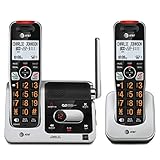
We will cover the best home office phones later in this article. Meanwhile, feel free to check out these related products on Amazon:



As an Amazon Associate I earn from qualifying purchases.
Prices and availability are accurate as of November 4, 2026 13:50 and are subject to change.
Introduction to Home Office Phones
Home office phones are an essential tool for anyone working from home, providing a reliable means of communication with clients, colleagues, and customers. With the advancement of technology, home office phones have evolved to offer a wide range of features and functionalities that cater to different needs and preferences. From basic cordless phones to advanced VoIP systems, there are numerous options available in the market, making it challenging to choose the right one.
In recent years, the demand for home office phones has increased significantly, driven by the growing trend of remote work and entrepreneurship. As a result, manufacturers have responded by developing innovative products that offer improved sound quality, enhanced security, and increased flexibility. Whether you are a freelancer, small business owner, or remote worker, a good home office phone can make a significant difference in your productivity and overall work experience.
When it comes to selecting the best home office phones, there are several factors to consider, including budget, features, and compatibility. With so many options available, it can be overwhelming to choose the right phone that meets your specific needs. However, by doing some research and comparing different models, you can find the perfect phone that enhances your communication experience and helps you stay connected with your clients and colleagues.
To find the best home office phones, you need to consider your specific requirements and preferences. For instance, if you prioritize sound quality, you may want to look for phones with advanced noise-cancellation features or high-definition audio. On the other hand, if you are looking for a phone that offers advanced features such as call recording or video conferencing, you may want to consider a more advanced model. By considering your needs and doing some research, you can find the best home office phones that meet your requirements and enhance your overall work experience.
Best Home Office Phones – Reviews
The
AT&T CL2940 1
is a reliable and feature-rich home office phone that offers excellent sound quality and a range of useful features. It has a large backlit display and a built-in speakerphone, making it easy to take calls and manage your phonebook. The phone also has a built-in answering machine with up to 25 minutes of recording time, and it can store up to 50 names and numbers in its phonebook.
The
AT&T CL2940 1
is also very easy to use, with a simple and intuitive interface that makes it easy to navigate and access its various features. The phone is also wall mountable, making it a great option for small home offices or workspaces where desk space is limited. Overall, the
AT&T CL2940 1
is a great choice for anyone looking for a reliable and feature-rich home office phone that won’t break the bank.
The
Panasonic KX-TGE232B 2
is a versatile and feature-packed home office phone that offers a range of advanced features and excellent sound quality. It has a large 3.4-inch LCD display and a built-in speakerphone, making it easy to take calls and manage your phonebook. The phone also has a built-in answering machine with up to 20 minutes of recording time, and it can store up to 100 names and numbers in its phonebook.
The
Panasonic KX-TGE232B 2
is also very easy to use, with a simple and intuitive interface that makes it easy to navigate and access its various features. The phone is also expandable, with the option to add up to 6 handsets, making it a great option for larger home offices or businesses. Overall, the
Panasonic KX-TGE232B 2
is a great choice for anyone looking for a feature-rich and reliable home office phone that can grow with their business.
The
VTech CS6529-16 3
is a budget-friendly home office phone that offers excellent sound quality and a range of useful features. It has a large backlit display and a built-in speakerphone, making it easy to take calls and manage your phonebook. The phone also has a built-in answering machine with up to 14 minutes of recording time, and it can store up to 50 names and numbers in its phonebook.
The
VTech CS6529-16 3
is also very easy to use, with a simple and intuitive interface that makes it easy to navigate and access its various features. The phone is also energy-efficient, with a low power consumption mode that helps to reduce energy costs. Overall, the
VTech CS6529-16 3
is a great choice for anyone looking for a reliable and affordable home office phone that won’t break the bank.
The
Motorola DECT 6.0 4
is a high-end home office phone that offers advanced features and excellent sound quality. It has a large 2.4-inch LCD display and a built-in speakerphone, making it easy to take calls and manage your phonebook. The phone also has a built-in answering machine with up to 30 minutes of recording time, and it can store up to 200 names and numbers in its phonebook.
The
Motorola DECT 6.0 4
is also very easy to use, with a simple and intuitive interface that makes it easy to navigate and access its various features. The phone is also expandable, with the option to add up to 5 handsets, making it a great option for larger home offices or businesses. Overall, the
Motorola DECT 6.0 4
is a great choice for anyone looking for a feature-rich and reliable home office phone that can grow with their business.
The
Uniden DECT4096 5
is a high-tech home office phone that offers advanced features and excellent sound quality. It has a large 2.4-inch LCD display and a built-in speakerphone, making it easy to take calls and manage your phonebook. The phone also has a built-in answering machine with up to 30 minutes of recording time, and it can store up to 100 names and numbers in its phonebook.
The
Uniden DECT4096 5
is also very easy to use, with a simple and intuitive interface that makes it easy to navigate and access its various features. The phone is also expandable, with the option to add up to 12 handsets, making it a great option for larger home offices or businesses. Overall, the
Uniden DECT4096 5
is a great choice for anyone looking for a feature-rich and reliable home office phone that can grow with their business.
Why People Need to Buy Home Office Phones
In today’s fast-paced world, having a dedicated workspace at home is becoming increasingly common. With the rise of remote work and entrepreneurship, people are looking for ways to create a productive and efficient home office. One essential component of a home office is a reliable phone system. A home office phone allows individuals to stay connected with clients, colleagues, and customers, making it easier to conduct business from the comfort of their own homes.
Having a separate phone line for business purposes helps to maintain a professional image and keeps personal and work-related calls separate. This is especially important for freelancers, consultants, and small business owners who need to project a professional image to their clients. A home office phone also provides a dedicated line for business calls, reducing the risk of missing important calls or messages. Additionally, a home office phone can be customized with features such as call forwarding, voicemail, and conference calling, making it easier to manage business communications.
When choosing a home office phone, there are several factors to consider, including the type of phone, features, and budget. Some people prefer traditional landline phones, while others opt for VoIP (Voice over Internet Protocol) phones or mobile phones with business apps. Regardless of the type of phone, it’s essential to choose a reliable and feature-rich option that meets the needs of the business. For those looking for the best home office phones, it’s crucial to research and compare different models and brands to find the one that best suits their needs and budget.
In conclusion, a home office phone is a vital tool for anyone working from home or running a business. It provides a dedicated line for business calls, helps to maintain a professional image, and offers a range of features to manage business communications. With so many options available, it’s essential to choose a phone that meets the specific needs of the business and provides reliable and efficient communication. By investing in a good home office phone, individuals can stay connected, productive, and successful in their business endeavors.
Key Features to Consider
When choosing a home office phone, there are several key features to consider. One of the most important features is the phone’s sound quality. A good home office phone should have clear and crisp sound, with minimal distortion or interference. Another important feature is the phone’s durability and build quality. A home office phone should be able to withstand heavy use and last for a long time. Additionally, features such as call waiting, call forwarding, and voicemail are also important considerations.
The type of phone connection is also an important consideration. Some home office phones use traditional landline connections, while others use Voice over Internet Protocol (VoIP) technology. VoIP phones are becoming increasingly popular due to their flexibility and cost-effectiveness. They allow users to make calls over the internet, which can be more convenient and affordable than traditional landline phones.
In addition to these features, it’s also important to consider the phone’s user interface and ease of use. A good home office phone should be easy to navigate and use, with intuitive menus and simple controls. Some phones also come with advanced features such as Bluetooth connectivity, speakerphones, and headset jacks. These features can be useful for users who need to make hands-free calls or connect their phone to other devices.
Overall, the key features to consider when choosing a home office phone will depend on the user’s specific needs and preferences. By considering factors such as sound quality, durability, and features, users can find a phone that meets their needs and provides reliable and efficient communication.
Benefits of Using a Home Office Phone
Using a home office phone can have several benefits for users. One of the main benefits is increased productivity. With a dedicated phone line, users can make and receive calls without distractions or interruptions. This can be especially useful for users who work from home or have a home-based business. Additionally, a home office phone can provide a professional image and help users to establish a clear boundary between work and personal life.
Another benefit of using a home office phone is improved communication. A dedicated phone line can provide clear and reliable communication, which is essential for business and professional purposes. Users can also use features such as call waiting and call forwarding to manage their calls and ensure that they never miss an important call. Furthermore, a home office phone can be used to make conference calls and participate in video meetings, which can be useful for remote teams and virtual meetings.
In addition to these benefits, a home office phone can also provide cost savings. With a VoIP phone, users can make calls over the internet, which can be more affordable than traditional landline phones. Users can also use features such as call blocking and voicemail to manage their calls and reduce unwanted calls. Overall, a home office phone can be a valuable investment for users who need reliable and efficient communication.
By using a home office phone, users can also improve their work-life balance. With a dedicated phone line, users can separate their work and personal life, which can help to reduce stress and improve overall well-being. Additionally, a home office phone can provide a sense of professionalism and help users to establish a clear boundary between work and personal time.
Types of Home Office Phones
There are several types of home office phones available, each with its own unique features and benefits. One of the most common types is the traditional landline phone. These phones use a physical connection to make and receive calls, and are often reliable and easy to use. Another type of home office phone is the VoIP phone, which uses the internet to make and receive calls. VoIP phones are becoming increasingly popular due to their flexibility and cost-effectiveness.
Another type of home office phone is the cordless phone. These phones use wireless technology to connect to a base station, which provides greater mobility and flexibility. Cordless phones are often convenient and easy to use, and can be used to make calls from anywhere in the home or office. Additionally, there are also conference phones and video phones, which are designed for group meetings and virtual conferences. These phones often have advanced features such as speakerphones and high-definition video, which can provide a more immersive and engaging experience.
In addition to these types, there are also smart phones and virtual phones, which are designed for remote workers and virtual teams. These phones often have advanced features such as call routing and voicemail, which can provide a more professional and efficient communication experience. Overall, the type of home office phone that is best will depend on the user’s specific needs and preferences. By considering factors such as sound quality, features, and cost, users can find a phone that meets their needs and provides reliable and efficient communication.
By choosing the right type of home office phone, users can improve their productivity, communication, and overall work experience. Whether it’s a traditional landline phone, a VoIP phone, or a cordless phone, there are many options available to suit different needs and preferences. By considering the different types of home office phones, users can make an informed decision and find a phone that meets their needs and provides reliable and efficient communication.
Installation and Maintenance
Installing and maintaining a home office phone can be relatively straightforward. For traditional landline phones, users will need to connect the phone to a physical phone jack, which is usually provided by the phone company. For VoIP phones, users will need to connect the phone to a broadband internet connection, which can be done using an Ethernet cable or Wi-Fi. Additionally, users may need to configure the phone’s settings and features, such as voicemail and call forwarding, to get the most out of their phone.
To maintain a home office phone, users should regularly check the phone’s cord and connections for damage or wear. Users should also update the phone’s software and firmware regularly to ensure that they have the latest features and security patches. Additionally, users should clean the phone regularly to prevent dust and dirt from accumulating, which can affect the phone’s sound quality and performance.
In addition to these maintenance tasks, users should also consider the phone’s power requirements and backup options. Some home office phones may require a power adapter or battery, which should be checked regularly to ensure that the phone remains operational. Users should also consider investing in a backup power source, such as a battery backup or generator, to ensure that the phone remains operational during power outages.
By following these installation and maintenance tips, users can ensure that their home office phone is reliable, efficient, and provides high-quality communication. Whether it’s a traditional landline phone or a VoIP phone, regular maintenance and upkeep can help to extend the phone’s lifespan and prevent technical issues. By taking the time to install and maintain their home office phone, users can get the most out of their phone and enjoy reliable and efficient communication.
Buying Guide for the Best Home Office Phones
When setting up a home office, one of the essential pieces of equipment to consider is a reliable phone system. With so many options available in the market, it can be overwhelming to choose the right one. In this buying guide, we will discuss the key factors to consider when selecting a phone for your home office, helping you make an informed decision.
Call Quality and Clarity
Call quality and clarity are crucial aspects to consider when buying a phone for your home office. A phone with poor call quality can lead to misunderstandings, miscommunications, and a negative impression on clients. Look for phones with advanced noise cancellation features, such as noise-reducing microphones and speakers, to ensure clear and crisp calls. Additionally, consider phones with wideband audio or HD voice capabilities, which provide a more natural and lifelike sound.
When evaluating call quality, consider the type of calls you will be making and receiving. If you will be making international calls or participating in conference calls, look for phones with advanced echo cancellation and noise reduction features. Some phones also come with built-in call recording capabilities, which can be useful for keeping records of important conversations. By prioritizing call quality and clarity, you can ensure that your home office phone system provides a professional and reliable communication experience.
Connectivity Options
Connectivity options are another essential factor to consider when buying a phone for your home office. Consider the type of connections you need, such as analog, digital, or VoIP (Voice over Internet Protocol). Analog phones are traditional landline phones, while digital phones use a digital connection to make calls. VoIP phones, on the other hand, use the internet to make calls, providing more flexibility and cost savings. Look for phones with multiple connectivity options, such as Ethernet, Wi-Fi, or USB, to ensure compatibility with your existing network infrastructure.
When evaluating connectivity options, consider the scalability and flexibility of the phone system. If you anticipate growing your business or adding more employees, look for phones that can be easily expanded or upgraded. Some phones also come with built-in networking capabilities, such as Power over Ethernet (PoE), which can simplify installation and reduce clutter. By choosing a phone with the right connectivity options, you can ensure seamless integration with your existing network and future-proof your home office phone system.
Features and Functionality
The features and functionality of a phone can greatly impact its usability and effectiveness in a home office setting. Consider the types of features you need, such as call holding, call transferring, and conferencing. Look for phones with intuitive interfaces and easy-to-use menus, making it simple to access and use these features. Some phones also come with advanced features, such as call blocking, call forwarding, and voicemail, which can enhance productivity and efficiency.
When evaluating features and functionality, consider the specific needs of your home office. If you will be using the phone for customer service or sales, look for phones with features such as call queuing and call recording. Some phones also come with integrated apps, such as calendar and contact management, which can streamline workflow and improve organization. By choosing a phone with the right features and functionality, you can enhance your productivity and provide a better experience for your clients and customers.
Design and Ergonomics
The design and ergonomics of a phone can greatly impact its usability and comfort in a home office setting. Consider the size and shape of the phone, as well as the material and build quality. Look for phones with ergonomic designs, such as curved handsets and angled bases, which can reduce fatigue and discomfort during long calls. Additionally, consider phones with adjustable features, such as volume and display settings, to customize the phone to your preferences.
When evaluating design and ergonomics, consider the overall aesthetic and style of the phone. If you will be using the phone in a shared office space or reception area, look for phones with a sleek and modern design. Some phones also come with customizable faceplates or skins, which can match your brand or office decor. By choosing a phone with a comfortable and ergonomic design, you can reduce eye strain and improve your overall communication experience.
Security and Reliability
Security and reliability are critical factors to consider when buying a phone for your home office. Consider the types of security features you need, such as encryption and secure authentication. Look for phones with advanced security protocols, such as TLS and SRTP, which can protect your calls from eavesdropping and interception. Additionally, consider phones with redundant systems and backup power options, which can ensure continuous operation during outages or failures.
When evaluating security and reliability, consider the potential risks and threats to your home office phone system. If you will be handling sensitive or confidential information, look for phones with advanced security features, such as secure call recording and encrypted storage. Some phones also come with built-in diagnostic tools and remote monitoring capabilities, which can help you quickly identify and resolve issues. By prioritizing security and reliability, you can protect your business and ensure uninterrupted communication with clients and customers.
Cost and Budget
Cost and budget are essential factors to consider when buying a phone for your home office. Consider the upfront cost of the phone, as well as ongoing expenses, such as subscription fees and maintenance costs. Look for phones with affordable pricing plans and flexible payment options, which can help you stay within your budget. Additionally, consider phones with energy-efficient designs and low power consumption, which can reduce your utility bills and minimize your environmental impact.
When evaluating cost and budget, consider the total cost of ownership and the potential return on investment. If you will be using the phone for business purposes, look for phones with tax-deductible expenses and depreciation benefits. Some phones also come with bundled services and promotions, which can provide additional value and savings. By choosing the best home office phones that fit your budget and needs, you can optimize your communication expenses and improve your bottom line.
FAQs
What features should I look for in a home office phone?
When selecting a home office phone, there are several features to consider. First, think about the type of phone you need – do you prefer a traditional landline or a Voice over Internet Protocol (VoIP) phone? VoIP phones use your internet connection to make calls, which can be more cost-effective and offer more features. You should also consider the number of lines you need, as well as any additional features such as call waiting, caller ID, and conference calling.
In addition to these basic features, you may also want to consider more advanced features such as call recording, voicemail, and integration with other office systems. Some home office phones also come with features such as Bluetooth connectivity, allowing you to connect your phone to your computer or other devices. Consider your specific needs and the needs of your business when selecting a home office phone, and choose a model that offers the features you need to stay connected and productive.
What is the difference between a digital and analog home office phone?
The main difference between a digital and analog home office phone is the way they transmit sound. Analog phones use a traditional landline connection to transmit sound, while digital phones use a digital signal to transmit sound. Digital phones are generally more reliable and offer better sound quality than analog phones. They are also more versatile, and can be used with a variety of different phone systems and networks.
In addition to the difference in sound quality, digital phones also offer more features and functionality than analog phones. For example, digital phones often come with features such as call waiting, caller ID, and conference calling, which can be useful for businesses and home offices. Digital phones are also more secure than analog phones, as they use encryption to protect calls and prevent eavesdropping. Overall, digital phones are a good choice for home offices that need a reliable and feature-rich phone system.
How do I choose the best home office phone for my business?
To choose the best home office phone for your business, you should consider your specific needs and requirements. Think about the number of lines you need, as well as any additional features such as call waiting, caller ID, and conference calling. You should also consider the type of phone you need – do you prefer a traditional landline or a VoIP phone? VoIP phones use your internet connection to make calls, which can be more cost-effective and offer more features.
In addition to considering your specific needs, you should also read reviews and compare different models to find the best home office phone for your business. Look for phones that are reliable, easy to use, and offer the features you need. You should also consider the cost of the phone, as well as any ongoing costs such as monthly fees or maintenance costs. By considering your needs and doing your research, you can find the best home office phone for your business and stay connected and productive.
Can I use a home office phone with my computer?
Yes, many home office phones can be used with your computer. In fact, some phones are specifically designed to be used with computers, and offer features such as integration with your computer’s address book and the ability to make calls directly from your computer. These types of phones are often referred to as “softphones” or “computer phones.” They use your computer’s internet connection to make calls, and can be a convenient and cost-effective way to make phone calls from your computer.
To use a home office phone with your computer, you will typically need to install software or a driver on your computer. This software will allow you to connect your phone to your computer and use it to make calls. Some phones also come with Bluetooth connectivity, which allows you to connect your phone to your computer wirelessly. By using a home office phone with your computer, you can streamline your workflow and stay connected and productive.
How much do home office phones cost?
The cost of home office phones can vary widely, depending on the type of phone and the features it offers. Basic analog phones can be very affordable, and can cost as little as $20 or $30. More advanced digital phones, on the other hand, can cost $100 or more. VoIP phones can also vary in cost, depending on the provider and the features offered. Some VoIP phones can be very affordable, and can cost as little as $10 or $20 per month.
In addition to the upfront cost of the phone, you should also consider any ongoing costs such as monthly fees or maintenance costs. Some home office phones may require a monthly subscription or a contract, which can add to the overall cost. You should also consider the cost of any additional features or services, such as call waiting or caller ID. By considering the total cost of ownership, you can find a home office phone that fits your budget and meets your needs.
Are home office phones secure?
Home office phones can be secure, but it depends on the type of phone and the features it offers. Analog phones are generally less secure than digital phones, as they can be vulnerable to eavesdropping and tapping. Digital phones, on the other hand, use encryption to protect calls and prevent eavesdropping. VoIP phones can also be secure, but they may be vulnerable to hacking and other types of cyber attacks.
To ensure the security of your home office phone, you should choose a phone that offers advanced security features such as encryption and secure authentication. You should also use strong passwords and keep your phone’s software up to date to prevent hacking and other types of cyber attacks. Additionally, you should consider using a Virtual Private Network (VPN) to protect your internet connection and prevent eavesdropping. By taking these precautions, you can help ensure the security of your home office phone and protect your business from cyber threats.
Can I use a home office phone with multiple lines?
Yes, many home office phones can be used with multiple lines. In fact, some phones are specifically designed to be used with multiple lines, and offer features such as call waiting, caller ID, and conference calling. These types of phones are often referred to as “multi-line phones” or “business phones.” They can be used with two or more lines, and offer advanced features such as line selection and call transfer.
To use a home office phone with multiple lines, you will typically need to purchase a phone that is specifically designed for multi-line use. These phones can be more expensive than single-line phones, but they offer advanced features and functionality that can be useful for businesses and home offices. You should also consider the cost of any additional lines or services, such as call waiting or caller ID. By using a home office phone with multiple lines, you can stay connected and productive, and manage multiple calls and lines with ease.
Final Words
In today’s fast-paced business environment, having a reliable and efficient communication system is crucial for success. A well-equipped home office with the right tools and technology can significantly enhance productivity and help entrepreneurs stay connected with clients, colleagues, and partners. When it comes to choosing the perfect phone system for a home office, there are numerous factors to consider, including call quality, features, and budget. By carefully evaluating these factors and selecting a phone that meets specific needs, individuals can create a seamless and professional communication experience.
By investing in one of the best home office phones, entrepreneurs can take their business to the next level and stay ahead of the competition. With advanced features, crystal-clear call quality, and user-friendly interfaces, these phones are designed to meet the unique needs of home-based businesses. Whether you’re a freelancer, small business owner, or remote worker, a high-quality phone system is essential for building trust, establishing credibility, and driving growth. With the right phone by your side, you’ll be well-equipped to handle calls, conferences, and other communication tasks with confidence and professionalism, ultimately helping you achieve your business goals and succeed in today’s competitive market.