Mountain biking is an exhilarating sport that requires the right equipment to ensure a safe and enjoyable ride. One of the most crucial components of a mountain bike is the inner tube, which can make all the difference in the world when it comes to performance, reliability, and overall riding experience. A good inner tube can provide the necessary support and protection to the tire, allowing riders to tackle challenging trails with confidence. With so many options available in the market, choosing the right inner tube can be a daunting task, especially for beginners.
Whether you’re a seasoned pro or just starting out, finding the best mtb inner tubes is essential to get the most out of your mountain bike. The right inner tube can help prevent punctures, reduce the risk of tire damage, and improve the overall handling of the bike. With the numerous brands and models available, it’s easy to get overwhelmed by the sheer variety of options. In this article, we’ll take a closer look at the key factors to consider when choosing an inner tube, and provide a comprehensive review of the top-rated options to help you make an informed decision and take your mountain biking experience to the next level.
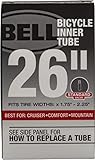
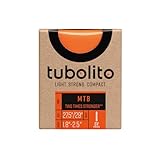
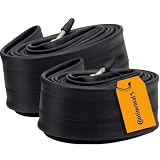
We will cover the best mtb inner tubes later in this article. Meanwhile, feel free to check out these related products on Amazon:


As an Amazon Associate I earn from qualifying purchases.
Prices and availability are accurate as of November 28, 2026 13:21 and are subject to change.
Introduction to Mtb Inner Tubes
Mtb inner tubes are an essential component of a mountain bike, providing the necessary air pressure to support the weight of the bike and rider. They are designed to be durable and resistant to punctures, while also being lightweight and flexible. The inner tube is typically made of a rubber or latex material, and is inserted inside the tire to provide a seal between the tire and the rim.
The inner tube plays a critical role in maintaining the air pressure of the tire, and is responsible for absorbing shocks and bumps on the trail. When a rider encounters a rock or other obstacle, the inner tube helps to absorb the impact, reducing the risk of a puncture. In addition, the inner tube helps to maintain the shape of the tire, ensuring that it remains in contact with the ground and providing traction and control.
When it comes to selecting the best mtb inner tubes, there are several factors to consider. The size and type of tube will depend on the specific bike and tire, as well as the riding style and terrain. Some tubes are designed for high-pressure applications, while others are better suited for lower-pressure riding. The material and construction of the tube will also impact its performance and durability.
In order to get the most out of their mountain bike, riders need to choose the right inner tube for their needs. By selecting one of the best mtb inner tubes, riders can enjoy improved performance, increased durability, and reduced risk of punctures. With so many options available, it’s worth taking the time to research and compare different tubes to find the one that best meets their needs and riding style.
Best Mtb Inner Tubes – Reviews
The
1. Continental MTB Inner Tube 1
is a high-quality inner tube designed for mountain biking. It is made from a durable and flexible material that can withstand the rough terrain and high pressures associated with mountain biking. The tube is also designed to be resistant to punctures, with a thick and robust construction that helps to prevent damage from thorns, rocks, and other sharp objects.
The
1. Continental MTB Inner Tube 1
has received excellent reviews from mountain bikers, who praise its reliability and performance. It is available in a range of sizes to fit different wheel sizes and types, and is compatible with most mountain bike tires. The tube is also relatively lightweight, which helps to reduce the overall weight of the bike and improve its handling and responsiveness. Overall, the
1. Continental MTB Inner Tube 1
is a great choice for mountain bikers who need a reliable and high-performance inner tube.
The
2. Specialized Turbo MTB Inner Tube 2
is a high-performance inner tube designed for mountain biking. It features a unique construction that helps to reduce rolling resistance and improve the overall efficiency of the bike. The tube is also designed to be highly resistant to punctures, with a thick and robust construction that helps to prevent damage from thorns, rocks, and other sharp objects. The
2. Specialized Turbo MTB Inner Tube 2
is also relatively lightweight, which helps to reduce the overall weight of the bike and improve its handling and responsiveness.
The
2. Specialized Turbo MTB Inner Tube 2
has received excellent reviews from mountain bikers, who praise its performance and reliability. It is available in a range of sizes to fit different wheel sizes and types, and is compatible with most mountain bike tires. The tube is also designed to be easy to install and remove, with a simple and straightforward design that makes it easy to get back on the trail quickly. Overall, the
2. Specialized Turbo MTB Inner Tube 2
is a great choice for mountain bikers who need a high-performance inner tube that can help them ride faster and more efficiently.
The
3. Michelin Mountain Bike Inner Tube 3
is a high-quality inner tube designed for mountain biking. It features a unique construction that helps to improve the overall comfort and performance of the bike. The tube is designed to be highly flexible and adaptable, with a construction that helps to absorb shocks and vibrations from the trail. The
3. Michelin Mountain Bike Inner Tube 3
is also designed to be highly resistant to punctures, with a thick and robust construction that helps to prevent damage from thorns, rocks, and other sharp objects.
The
3. Michelin Mountain Bike Inner Tube 3
has received excellent reviews from mountain bikers, who praise its comfort and performance. It is available in a range of sizes to fit different wheel sizes and types, and is compatible with most mountain bike tires. The tube is also designed to be relatively lightweight, which helps to reduce the overall weight of the bike and improve its handling and responsiveness. Overall, the
3. Michelin Mountain Bike Inner Tube 3
is a great choice for mountain bikers who need a high-quality inner tube that can help them ride more comfortably and efficiently.
The
4. Maxxis MTB Inner Tube 4
is a high-performance inner tube designed for mountain biking. It features a unique construction that helps to improve the overall speed and efficiency of the bike. The tube is designed to be highly resistant to punctures, with a thick and robust construction that helps to prevent damage from thorns, rocks, and other sharp objects. The
4. Maxxis MTB Inner Tube 4
is also designed to be relatively lightweight, which helps to reduce the overall weight of the bike and improve its handling and responsiveness.
The
4. Maxxis MTB Inner Tube 4
has received excellent reviews from mountain bikers, who praise its performance and reliability. It is available in a range of sizes to fit different wheel sizes and types, and is compatible with most mountain bike tires. The tube is also designed to be easy to install and remove, with a simple and straightforward design that makes it easy to get back on the trail quickly. Overall, the
4. Maxxis MTB Inner Tube 4
is a great choice for mountain bikers who need a high-performance inner tube that can help them ride faster and more efficiently.
The
5. Schwalbe Mountain Bike Inner Tube 5
is a high-quality inner tube designed for mountain biking. It features a unique construction that helps to improve the overall comfort and performance of the bike. The tube is designed to be highly flexible and adaptable, with a construction that helps to absorb shocks and vibrations from the trail. The
5. Schwalbe Mountain Bike Inner Tube 5
is also designed to be highly resistant to punctures, with a thick and robust construction that helps to prevent damage from thorns, rocks, and other sharp objects.
The
5. Schwalbe Mountain Bike Inner Tube 5
has received excellent reviews from mountain bikers, who praise its comfort and performance. It is available in a range of sizes to fit different wheel sizes and types, and is compatible with most mountain bike tires. The tube is also designed to be relatively lightweight, which helps to reduce the overall weight of the bike and improve its handling and responsiveness. Overall, the
5. Schwalbe Mountain Bike Inner Tube 5
is a great choice for mountain bikers who need a high-quality inner tube that can help them ride more comfortably and efficiently.
Why People Need to Buy MTB Inner Tubes
Purchasing mountain bike inner tubes is essential for any cyclist who wants to ensure a smooth and safe ride. Inner tubes are a crucial component of a mountain bike’s tire system, providing the necessary air pressure to support the rider’s weight and maintain traction on various terrain. Without a reliable inner tube, a mountain bike’s performance can be severely compromised, leading to a higher risk of punctures, tire damage, and accidents.
One of the primary reasons people need to buy MTB inner tubes is to replace damaged or worn-out tubes. Over time, inner tubes can become brittle, develop cracks, or suffer from punctures, which can lead to a loss of air pressure and compromised tire performance. In such cases, replacing the inner tube with a new one is the best solution to restore the bike’s original performance and safety features. Additionally, buying a spare inner tube can be a wise decision, especially for frequent riders or those who plan to embark on long-distance trails.
When it comes to buying MTB inner tubes, cyclists have a wide range of options to choose from, depending on their specific needs and preferences. The best mtb inner tubes are designed to provide superior puncture resistance, durability, and air retention, making them an excellent investment for serious mountain bikers. Furthermore, inner tubes come in various sizes, materials, and valve types, allowing riders to select the most suitable option for their bike and riding style.
Regularly inspecting and maintaining the inner tubes can help prevent punctures and extend their lifespan. However, even with proper care, inner tubes will eventually need to be replaced. By buying a new inner tube, cyclists can ensure their mountain bike remains in good working condition, providing a safe and enjoyable riding experience. Whether you’re a casual rider or an avid mountain biker, having a reliable inner tube is essential for optimizing your bike’s performance and minimizing the risk of accidents or breakdowns.
Types of Mtb Inner Tubes
Mtb inner tubes come in various types, each designed to cater to specific riding styles and conditions. The most common types include standard butyl tubes, latex tubes, and tubeless-ready tubes. Standard butyl tubes are the most widely used and offer a great balance between durability and weight. Latex tubes, on the other hand, are lighter and more flexible, making them ideal for cross-country and endurance riding. Tubeless-ready tubes are designed for use with tubeless tires and offer improved puncture resistance and reduced weight.
When choosing the type of mtb inner tube, it’s essential to consider the terrain and riding conditions. For example, if you’re riding in rocky or thorny terrain, a standard butyl tube may be a better option due to its increased puncture resistance. However, if you’re riding on smooth trails, a latex tube may be a better choice due to its reduced weight and improved rolling resistance. It’s also important to consider the compatibility of the tube with your tire and rim.
In addition to the type of tube, the valve type is also an important consideration. The most common valve types include Presta, Schrader, and Dunlop. Presta valves are the most widely used and offer a secure and reliable connection. Schrader valves are similar to those found on car tires and are often used on lower-end bikes. Dunlop valves are less common but offer a unique design that combines the benefits of Presta and Schrader valves.
The size of the tube is also crucial, as using a tube that’s too small or too large can lead to poor performance and increased risk of punctures. Most mtb inner tubes are available in a range of sizes, from 26 inches to 29 inches, and it’s essential to choose a tube that matches the size of your tire. By considering the type, valve, and size of the tube, you can ensure that you’re getting the best possible performance and reliability from your mtb inner tubes.
Mtb Inner Tube Materials and Construction
The materials and construction of mtb inner tubes play a significant role in their performance and durability. The most common materials used include butyl, latex, and TPU (thermoplastic polyurethane). Butyl tubes are the most widely used and offer a great balance between durability and weight. Latex tubes, on the other hand, are lighter and more flexible, making them ideal for high-performance riding. TPU tubes are a newer technology that offers improved puncture resistance and reduced weight.
The construction of the tube is also important, with features such as thickness, seam type, and valve design all playing a role in the overall performance of the tube. Thicker tubes offer improved puncture resistance but may be heavier and less flexible. Thinner tubes, on the other hand, are lighter and more flexible but may be more prone to punctures. The seam type is also important, with some tubes featuring a welded seam and others a folded seam. Welded seams are generally stronger and more reliable, while folded seams are lighter and more flexible.
In addition to the materials and construction, the quality of the tube is also important. Look for tubes that are made from high-quality materials and feature a robust construction. Some tubes may also feature additional features such as puncture-resistant coatings or reinforced sidewalls. These features can help to improve the overall performance and durability of the tube, making them a worthwhile investment for serious riders.
The manufacturing process is also crucial, with some tubes being made using a more labor-intensive process that involves hand-inspection and testing. These tubes are generally of higher quality and offer improved performance and reliability. By considering the materials, construction, and quality of the tube, you can ensure that you’re getting the best possible performance and durability from your mtb inner tubes.
Mtb Inner Tube Maintenance and Repair
Proper maintenance and repair of mtb inner tubes are essential to ensure their longevity and performance. One of the most important things you can do is to regularly inspect the tube for signs of damage or wear. Look for punctures, cuts, or other forms of damage that may compromise the integrity of the tube. If you find any damage, it’s essential to repair or replace the tube as soon as possible to avoid further damage or failure.
In addition to regular inspection, it’s also important to properly install and inflate the tube. Make sure the tube is properly seated on the rim and that the tire is inflated to the recommended pressure. Over-inflation can lead to increased risk of punctures, while under-inflation can lead to poor performance and reduced traction. It’s also important to avoid exposing the tube to extreme temperatures or chemicals, as these can cause damage or degradation.
If you do get a puncture, it’s essential to repair the tube as soon as possible. This can be done using a patch kit or by replacing the tube entirely. Patch kits are a great option for minor punctures, but more severe damage may require a full replacement. When repairing a tube, make sure to follow the manufacturer’s instructions and use the correct materials and tools. This will help to ensure that the repair is strong and reliable, and that the tube continues to perform well.
Regular cleaning and storage of the tube are also important. Make sure to clean the tube regularly to remove any dirt or debris that may have accumulated. Store the tube in a cool, dry place, away from direct sunlight or extreme temperatures. By following these tips, you can help to extend the life of your mtb inner tubes and ensure that they continue to perform well.
Mtb Inner Tube Brands and Manufacturers
There are many different brands and manufacturers of mtb inner tubes, each offering their own unique products and features. Some of the most well-known brands include Continental, Michelin, and Maxxis. These brands offer a wide range of tubes, from standard butyl tubes to high-performance latex tubes. They also often feature innovative technologies and materials, such as puncture-resistant coatings and reinforced sidewalls.
In addition to these well-known brands, there are also many smaller manufacturers that specialize in mtb inner tubes. These brands may offer more specialized products, such as tubes designed specifically for tubeless tires or high-performance riding. They may also offer more affordable options, making them a great choice for riders on a budget. When choosing a brand or manufacturer, it’s essential to consider factors such as quality, performance, and price.
Some brands may also offer additional features or services, such as warranty programs or customer support. These can be invaluable in the event of a problem or issue with the tube, and can help to provide peace of mind for riders. By considering the different brands and manufacturers, you can find the best mtb inner tubes for your needs and budget.
It’s also worth considering the reputation and experience of the brand or manufacturer. Look for brands that have a long history of producing high-quality mtb inner tubes, and that have a reputation for innovation and customer satisfaction. By choosing a reputable brand, you can help to ensure that you’re getting the best possible performance and durability from your mtb inner tubes.
Ultimate Buying Guide for Mountain Bike Inner Tubes
When it comes to mountain biking, having the right equipment is crucial for a safe and enjoyable ride. One of the most essential components of a mountain bike is the inner tube, which provides the necessary air pressure to support the tire. With so many options available in the market, choosing the right inner tube can be a daunting task. In this guide, we will discuss the key factors to consider when buying mountain bike inner tubes, helping you make an informed decision.
Tube Material
The material of the inner tube is a critical factor to consider, as it affects the durability and performance of the tube. The most common materials used for inner tubes are butyl, latex, and TPU (thermoplastic polyurethane). Butyl tubes are the most widely used and are known for their durability and resistance to punctures. Latex tubes, on the other hand, are lighter and more flexible, but may not be as durable as butyl tubes. TPU tubes are a relatively new option and offer a good balance between durability and weight.
The choice of tube material depends on the type of riding you will be doing and your personal preferences. If you are a heavy rider or ride in rough terrain, a butyl tube may be the best option. However, if you are a lightweight rider or prioritize speed, a latex or TPU tube may be a better choice. It’s also worth noting that some tubes may be made from a combination of materials, such as a butyl tube with a latex coating, which can offer improved performance and durability.
Tire Size
The size of the inner tube is critical, as it must match the size of the tire. Mountain bike tires come in a range of sizes, from 26 inches to 29 inches, and the inner tube must be compatible with the tire size. It’s essential to check the size of the tire before buying an inner tube, as using a tube that is too small or too large can lead to poor performance and increased risk of punctures.
When checking the size of the tire, make sure to look for the ISO diameter and width, which are usually indicated on the sidewall of the tire. The ISO diameter is the diameter of the tire, measured in millimeters, and the width is the width of the tire, also measured in millimeters. For example, a tire with an ISO diameter of 559mm and a width of 2.2 inches would require an inner tube with the same dimensions. It’s also worth noting that some inner tubes may be labeled as “universal” or “fits all,” but it’s still essential to check the size to ensure compatibility.
Valve Type
The valve type is another critical factor to consider when buying an inner tube. There are two main types of valves: Schrader and Presta. Schrader valves are the most common type and are used on most mountain bikes. Presta valves, on the other hand, are used on higher-end bikes and are known for their higher air pressure capacity. It’s essential to choose an inner tube with the same valve type as your bike, as using a tube with a different valve type can lead to compatibility issues.
The valve type also affects the ease of use, as Schrader valves are generally easier to use than Presta valves. Schrader valves have a larger valve stem and are more forgiving when it comes to air pressure, making them a good option for beginners. Presta valves, on the other hand, have a smaller valve stem and require more care when inflating, but offer higher air pressure capacity and are preferred by experienced riders. When choosing an inner tube, make sure to consider the valve type and choose one that matches your bike’s valve type.
Thickness
The thickness of the inner tube is another factor to consider, as it affects the durability and weight of the tube. Thicker tubes are more durable and resistant to punctures, but may be heavier and less flexible. Thinner tubes, on the other hand, are lighter and more flexible, but may be more prone to punctures. The thickness of the tube is usually measured in millimeters, with thicker tubes having a higher millimeter rating.
When choosing an inner tube, consider the type of riding you will be doing and your personal preferences. If you are a heavy rider or ride in rough terrain, a thicker tube may be the best option. However, if you are a lightweight rider or prioritize speed, a thinner tube may be a better choice. It’s also worth noting that some tubes may have a reinforced layer or coating to improve durability and resistance to punctures. Look for tubes with a thickness of 0.9mm or 1.0mm for a good balance between durability and weight.
Brand and Quality
The brand and quality of the inner tube are critical factors to consider, as they affect the performance and durability of the tube. Look for reputable brands that specialize in mountain bike inner tubes, such as Continental or Michelin. These brands offer high-quality tubes that are designed to meet the demands of mountain biking. It’s also essential to read reviews and check the ratings of the tube to ensure that it meets your expectations.
When choosing an inner tube, consider the warranty and customer support offered by the manufacturer. A good warranty and customer support can provide peace of mind and protect your investment. Look for tubes with a warranty of at least one year and a customer support team that is available to answer questions and provide assistance. By choosing a high-quality tube from a reputable brand, you can ensure that you get the best mtb inner tubes for your bike and enjoy a safe and enjoyable ride.
Price
The price of the inner tube is a critical factor to consider, as it affects the overall cost of the tube and the value for money. Inner tubes can range in price from a few dollars to over $20, depending on the brand, quality, and features. It’s essential to set a budget and look for tubes that meet your needs and fit within your budget. Consider the cost of the tube in relation to the cost of the tire and the overall cost of the bike.
When choosing an inner tube, consider the cost per mile or the cost per hour of use. A more expensive tube may be more durable and last longer, but may not be the best value for money. A less expensive tube, on the other hand, may be more prone to punctures and require more frequent replacement, but may be a better value for money. Look for tubes that offer a good balance between price and quality, and consider the long-term cost of ownership when making your decision.
FAQs
What are the benefits of using high-quality MTB inner tubes?
Using high-quality MTB inner tubes can provide several benefits to riders. For one, they can help to reduce the risk of punctures, which can be frustrating and time-consuming to repair. High-quality inner tubes are made with durable materials and are designed to withstand the rigors of mountain biking, including rocky trails, sharp rocks, and other hazards. This can help to give riders more confidence and peace of mind when riding, knowing that their inner tubes can handle the demands of the trail.
In addition to reducing the risk of punctures, high-quality MTB inner tubes can also help to improve the overall performance of the bike. They can provide a smoother ride, better traction, and more efficient pedaling. This is because high-quality inner tubes are designed to work in conjunction with the tire and wheel to provide optimal performance. They can also help to reduce the risk of pinch flats, which can occur when the inner tube becomes pinched between the tire and the rim. By using high-quality MTB inner tubes, riders can help to ensure that their bike is running at its best, and that they can get the most out of their ride.
How do I choose the right size of MTB inner tube for my bike?
Choosing the right size of MTB inner tube for your bike is important to ensure that it fits properly and functions as intended. To choose the right size, you will need to know the diameter and width of your tire, as well as the type of valve stem you need. Most MTB inner tubes are available in a range of sizes, including 26″, 27.5″, and 29″, and in various widths to fit different types of tires. You can usually find this information on the sidewall of your tire or in the owner’s manual for your bike.
Once you have determined the size of your tire, you can select an inner tube that matches. It’s also important to consider the type of valve stem you need, as some inner tubes come with Presta valves, while others come with Schrader valves. You should also consider the thickness of the inner tube, as some are designed to be more durable and puncture-resistant than others. By choosing the right size and type of MTB inner tube, you can help to ensure that your bike is running smoothly and that you can get the most out of your ride.
What is the difference between a standard and a tubeless MTB inner tube?
A standard MTB inner tube is a traditional inner tube that is designed to be used with a tire and rim. It is typically made of rubber or a synthetic material, and is designed to hold air and provide a seal between the tire and the rim. A tubeless MTB inner tube, on the other hand, is designed to be used with a tubeless tire and rim. It does not have a traditional inner tube, but instead uses a special sealant to create a seal between the tire and the rim.
Tubeless MTB inner tubes offer several benefits, including reduced weight, improved traction, and fewer punctures. They are also designed to be more durable and long-lasting than traditional inner tubes. However, they can be more difficult to install and require special equipment and techniques. Standard MTB inner tubes, on the other hand, are often less expensive and easier to install, but may be more prone to punctures and other problems. Ultimately, the choice between a standard and a tubeless MTB inner tube will depend on your specific needs and preferences as a rider.
How often should I replace my MTB inner tubes?
The frequency at which you should replace your MTB inner tubes will depend on several factors, including how often you ride, the conditions in which you ride, and the quality of the inner tubes. As a general rule, it’s a good idea to replace your inner tubes every 6-12 months, or sooner if you notice any signs of wear or damage. This can include cracks, cuts, or other damage to the tube, as well as a loss of air pressure or other performance issues.
In addition to replacing your inner tubes regularly, you should also inspect them regularly for signs of wear or damage. This can help you to catch any problems before they become major issues, and can help to prevent punctures and other problems. You should also consider replacing your inner tubes if you notice any changes in your bike’s performance, such as a decrease in traction or an increase in punctures. By replacing your MTB inner tubes regularly, you can help to ensure that your bike is running smoothly and that you can get the most out of your ride.
Can I use a MTB inner tube with a road bike?
While it is technically possible to use a MTB inner tube with a road bike, it’s not always the best idea. MTB inner tubes are designed to be more durable and puncture-resistant than road bike inner tubes, and may be too thick and heavy for a road bike. They may also be designed for wider tires and rims, which can make them less compatible with road bikes.
If you do decide to use a MTB inner tube with a road bike, make sure to choose one that is designed for road bikes or is compatible with your specific bike. You should also consider the width and diameter of the inner tube, as well as the type of valve stem it has. It’s also a good idea to consult with a bike mechanic or other expert to ensure that the inner tube is compatible with your bike and will provide the best possible performance. In general, it’s best to use a road bike inner tube with a road bike, as they are designed specifically for this type of bike and will provide the best possible performance.
How do I install a MTB inner tube?
Installing a MTB inner tube is a relatively straightforward process that can be done with a few simple tools. To start, you will need to remove the wheel from the bike and deflate the tire completely. Next, you will need to remove the tire from the rim, using tire levers to pry it loose. Once the tire is removed, you can pull out the old inner tube and inspect the rim and tire for any sharp objects or other debris.
To install the new inner tube, simply place it inside the tire and reattach the tire to the rim. Make sure the valve stem is pointing in the correct direction and that the tire is properly seated on the rim. Then, inflate the tire to the recommended pressure and check for any leaks. It’s also a good idea to inspect the tire and inner tube regularly to ensure that they are in good condition and to catch any problems before they become major issues. If you are not comfortable installing a MTB inner tube yourself, it’s always best to consult with a bike mechanic or other expert.
Final Words
In conclusion, selecting the right inner tubes for your mountain bike can significantly enhance your overall riding experience. A good inner tube provides the necessary support, stability, and protection against punctures, allowing you to focus on the thrill of the ride. With the numerous options available in the market, it is essential to consider factors such as durability, compatibility, and valve type to ensure you find the perfect fit for your bike. By doing so, you can enjoy a smoother, more efficient ride and reduce the risk of unwanted interruptions.
When it comes to upgrading or replacing your bike’s inner tubes, investing in the best mtb inner tubes can make all the difference. With the right inner tubes, you can tackle challenging trails with confidence, knowing that your bike is equipped to handle the demands of off-road riding. Whether you’re a seasoned pro or an enthusiast, the benefits of high-quality inner tubes are undeniable. By choosing the right inner tubes, you can take your mountain biking to the next level, enjoying a more exhilarating and rewarding experience on every ride.