Risotto, the quintessential Italian dish, is a staple of fine dining and home cooking alike. Its creamy texture and rich flavors have captivated the hearts and taste buds of many, making it a favorite among chefs and cooking enthusiasts. However, achieving the perfect risotto is not just about the ingredients or the recipe, but also about the cookware used. The right pan can make all the difference in the world, as it allows for even heat distribution, precise temperature control, and effortless stirring. Whether you’re a seasoned chef or a novice cook, selecting the right pan is crucial to creating a truly exceptional risotto.
When it comes to cooking risotto, the choice of pan is paramount. A good pan can help you achieve the perfect creamy consistency, while a bad one can lead to a sticky, burnt mess. With so many options available on the market, it can be overwhelming to decide which one to choose. That’s why we’ve put together this comprehensive guide to help you find the best pans for risotto. From stainless steel to non-stick, and from budget-friendly to high-end, we’ll explore the different types of pans that are perfect for cooking risotto. With our expert reviews and buying guide, you’ll be well on your way to creating delicious, authentic Italian dishes that will impress your family and friends.
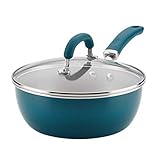
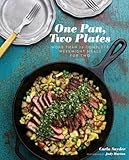
We will cover the best pans for risotto later in this article. Meanwhile, feel free to check out these related products on Amazon:



As an Amazon Associate I earn from qualifying purchases.
Prices and availability are accurate as of November 10, 2026 19:14 and are subject to change.
Pans For Risotto Overview
Risotto is a classic Italian dish that requires a specific type of pan to cook it to perfection. The pan used for cooking risotto should have a heavy bottom, as this allows for even heat distribution and prevents the rice from burning or sticking to the pan. A good pan for risotto should also have a wide and shallow design, which enables the cook to stir the rice constantly and evenly.
When it comes to choosing the right pan for risotto, there are several factors to consider. The material of the pan is crucial, as it can affect the way the rice cooks and the overall flavor of the dish. Some popular materials for risotto pans include stainless steel, cast iron, and copper. Each of these materials has its own unique benefits and drawbacks, and the best choice will depend on the individual cook’s preferences and needs.
In addition to the material, the size and shape of the pan are also important considerations. A pan that is too small can cause the rice to become overcrowded and sticky, while a pan that is too large can make it difficult to stir the rice evenly. The best pans for risotto are those that strike a balance between size and shape, allowing for easy stirring and even cooking.
For those looking to cook risotto like a pro, investing in one of the best pans for risotto can make all the difference. With the right pan, cooks can achieve a creamy and flavorful risotto that is sure to impress. Whether you’re a seasoned chef or a beginner in the kitchen, a good risotto pan is an essential tool for creating this beloved Italian dish. By choosing a high-quality pan and following a few simple cooking techniques, anyone can create a delicious and authentic risotto at home.
Best Pans For Risotto – Reviewed
The
1. All-Clad Stainless Steel Risotto Pan
is a top choice for making risotto due to its excellent heat conductivity and durable construction. This pan is made from high-quality stainless steel that ensures even heat distribution, allowing for a creamy and tender risotto. The ergonomic handle provides a comfortable grip, making it easy to stir and maneuver the pan.
The
1. All-Clad Stainless Steel Risotto Pan
is also easy to clean and maintain, as it is dishwasher safe and resistant to scratches and corrosion. The pan’s size is ideal for making large batches of risotto, and its sleek design makes it a great addition to any kitchen. Whether you’re a professional chef or a home cook, this pan is sure to deliver exceptional results and become a trusted companion in your culinary adventures.
The
2. Mauviel M’heritage Risotto Pan
is a premium option for those who want the best of the best. This pan is crafted from high-quality copper that provides exceptional heat conductivity, allowing for precise control over the cooking process. The pan’s thickness and weight ensure that it retains heat well, resulting in a rich and creamy risotto. The elegant design and beautiful finish make it a stunning addition to any kitchen.
The
2. Mauviel M’heritage Risotto Pan
is a worthwhile investment for anyone who takes their cooking seriously. While it may require more maintenance than other pans due to its copper construction, the results it produces are well worth the extra effort. The pan’s durability and resistance to scratches and corrosion ensure that it will remain a trusted companion in your kitchen for years to come. With proper care, this pan will continue to deliver exceptional results and become a treasured possession.
The
3. Le Creuset Toughened Non-Stick Risotto Pan
is a great option for those who want a pan that is both durable and easy to use. This pan features a toughened non-stick coating that provides excellent food release and makes cleaning a breeze. The pan’s heat distribution is also excellent, ensuring that your risotto is cooked evenly and thoroughly. The vibrant colors and stylish design make it a great addition to any kitchen.
The
3. Le Creuset Toughened Non-Stick Risotto Pan
is a versatile pan that can be used for a variety of cooking tasks beyond making risotto. The non-stick coating is PFOA-free, making it a safe and healthy choice for cooking. The pan is also dishwasher safe, making cleaning and maintenance easy. Whether you’re a beginner or an experienced cook, this pan is sure to become a trusted companion in your kitchen. Its durability and performance make it an excellent value for the price.
The
4. Anolon Advanced Nonstick Risotto Pan
is a great choice for those who want a pan that is both affordable and high-quality. This pan features a durable non-stick coating that provides excellent food release and makes cleaning easy. The pan’s heat distribution is also excellent, ensuring that your risotto is cooked evenly and thoroughly. The ergonomic handle provides a comfortable grip, making it easy to stir and maneuver the pan.
The
4. Anolon Advanced Nonstick Risotto Pan
is a great option for those who want a pan that is easy to use and maintain. The non-stick coating is metal utensil safe, making it a great choice for cooks who prefer to use metal spoons and spatulas. The pan is also dishwasher safe, making cleaning and maintenance easy. The pan’s size is ideal for making large batches of risotto, and its sleek design makes it a great addition to any kitchen. Whether you’re a beginner or an experienced cook, this pan is sure to deliver exceptional results.
The
5. Calphalon Hard Anodized Risotto Pan
is a high-quality option for those who want a pan that is both durable and non-stick. This pan features a hard anodized construction that provides excellent heat conductivity and a durable non-stick coating that ensures easy food release. The pan’s size is ideal for making large batches of risotto, and its sleek design makes it a great addition to any kitchen. The ergonomic handle provides a comfortable grip, making it easy to stir and maneuver the pan.
The
5. Calphalon Hard Anodized Risotto Pan
is a great choice for those who want a pan that is easy to use and maintain. The non-stick coating is metal utensil safe, making it a great choice for cooks who prefer to use metal spoons and spatulas. The pan is also dishwasher safe, making cleaning and maintenance easy. The pan’s durability and resistance to scratches and corrosion ensure that it will remain a trusted companion in your kitchen for years to come. With proper care, this pan will continue to deliver exceptional results and become a treasured possession.
Why People Need to Buy Pans for Risotto
Risotto is a traditional Italian dish that requires a specific type of pan to cook it to perfection. The pan used for risotto is crucial in distributing heat evenly, which is essential for cooking the rice and achieving the desired creamy texture. A good pan for risotto should be able to withstand high temperatures and have a heavy bottom to prevent scorching. This is why people need to buy pans specifically designed for cooking risotto, as regular pans may not be able to meet these requirements.
When cooking risotto, it is essential to stir the rice constantly, which can be challenging if the pan is not designed for this type of cooking. A pan with a heavy bottom and straight sides is ideal for risotto, as it allows for easy stirring and prevents the rice from sticking to the bottom. Additionally, a pan with a non-stick coating can make cooking risotto much easier, as it prevents the rice from sticking and makes cleaning up a breeze.
To achieve the perfect risotto, it is crucial to have the right pan. The best pans for risotto are typically made of high-quality materials, such as stainless steel or cast iron, and have a thick bottom to distribute heat evenly. These pans are designed to withstand high temperatures and can be used for a variety of cooking techniques, including sautéing, browning, and simmering. With the right pan, cooking risotto can be a enjoyable and rewarding experience.
In conclusion, buying a pan specifically designed for risotto is essential for achieving the perfect dish. A good pan can make all the difference in the world, and it is worth investing in a high-quality pan that can meet the demands of cooking risotto. With a little practice and the right pan, anyone can become a master risotto cook and enjoy this delicious Italian dish in the comfort of their own home. Whether you are a seasoned chef or a beginner cook, having the right pan is the key to unlocking the secrets of perfect risotto.
Materials Used In Risotto Pans
The materials used in risotto pans play a significant role in the cooking process. Stainless steel, cast iron, and non-stick pans are popular options for cooking risotto. Each material has its own set of advantages and disadvantages. Stainless steel pans are durable and resistant to scratches, but they can be noisy and may not distribute heat evenly. Cast iron pans are excellent heat conductors and can be used at high temperatures, but they require seasoning and can be heavy.
When choosing a risotto pan, it’s essential to consider the material’s reactivity with acidic ingredients. Some materials, like aluminum, can react with tomatoes and other acidic ingredients, giving the dish a metallic flavor. Non-stick pans are a good option for risotto, as they prevent the rice from sticking and make the cooking process easier. However, non-stick pans may not be suitable for high-heat cooking and can be damaged if metal utensils are used.
In addition to the material’s reactivity, it’s also important to consider the pan’s thickness and construction. A thick, heavy pan will retain heat better and cook the risotto more evenly. A pan with a heavy bottom and straight sides is ideal for cooking risotto, as it allows for easy stirring and prevents the rice from sticking to the sides. The handle of the pan is also crucial, as it should be comfortable to hold and stay cool during cooking.
The finish of the pan is also an important consideration. A smooth, even finish will prevent the rice from sticking and make cleaning easier. Some pans have a textured finish, which can help to prevent sticking, but may be more difficult to clean. Ultimately, the choice of material will depend on personal preference and cooking style. By considering the advantages and disadvantages of each material, home cooks can choose the best pan for their risotto needs.
Size And Shape Of Risotto Pans
The size and shape of risotto pans can affect the cooking process and the final result. A larger pan will allow for more even cooking and can accommodate more ingredients, but it may be more difficult to stir and handle. A smaller pan, on the other hand, will require more frequent stirring and may not be suitable for large quantities of risotto. The shape of the pan is also important, as it can affect the way the rice cooks and the ease of stirring.
A pan with straight sides and a flat bottom is ideal for cooking risotto, as it allows for easy stirring and prevents the rice from sticking to the sides. A pan with curved sides or a rounded bottom may be more difficult to stir and can lead to uneven cooking. The depth of the pan is also important, as it should be deep enough to hold the rice and liquid, but not so deep that it’s difficult to stir.
When choosing a risotto pan, it’s essential to consider the number of servings needed. A larger pan will be necessary for large quantities of risotto, while a smaller pan will be sufficient for smaller quantities. The size of the pan will also depend on the type of risotto being cooked. For example, a pan with a larger surface area may be necessary for cooking risotto with a large amount of liquid, such as a seafood risotto.
In addition to the size and shape of the pan, the size of the handle is also important. A larger handle will be easier to hold and maneuver, especially when stirring the risotto. A smaller handle may be more difficult to hold, especially for larger pans. By considering the size and shape of the pan, home cooks can choose the best pan for their risotto needs and ensure a delicious and evenly cooked dish.
Cooking Techniques For Risotto
Cooking techniques play a crucial role in the preparation of risotto. The basic technique for cooking risotto involves sautéing the rice in a pan with some fat, such as butter or oil, and then adding liquid, usually broth or wine, in small increments, stirring constantly. This process helps to release the starches from the rice and creates a creamy texture.
One of the most important cooking techniques for risotto is stirring. Stirring helps to distribute the heat evenly and prevents the rice from sticking to the pan. It’s essential to stir the risotto constantly, especially during the initial stages of cooking, to prevent the rice from becoming mushy or sticky. The type of stirring utensil used is also important, as a wooden spoon or silicone spatula will be gentler on the rice than a metal spoon.
Another important cooking technique for risotto is the addition of liquid. The liquid should be added in small increments, allowing each portion to be absorbed before adding the next. This process helps to create a creamy texture and prevents the risotto from becoming too watery. The type of liquid used is also important, as it can affect the flavor and texture of the risotto. Broth, wine, and stock are popular options for risotto, as they add depth and richness to the dish.
In addition to stirring and adding liquid, the heat level is also crucial when cooking risotto. The heat should be medium-low, as high heat can cause the rice to cook too quickly and become mushy. A low heat will help to cook the rice slowly and evenly, creating a creamy texture. By mastering these cooking techniques, home cooks can create a delicious and authentic risotto dish.
Maintenance And Care Of Risotto Pans
Proper maintenance and care of risotto pans are essential to extend their lifespan and prevent damage. After each use, the pan should be cleaned thoroughly with soap and water to remove any residue and prevent the buildup of bacteria. A soft sponge or cloth should be used to clean the pan, as abrasive materials can scratch the surface.
For pans with a non-stick coating, it’s essential to avoid using metal utensils, as they can scratch the surface and damage the coating. Silicone or wooden utensils are a better option, as they are gentler on the pan. The pan should also be dried thoroughly after cleaning to prevent water spots and mineral deposits.
Regular maintenance is also important to prevent the buildup of residue and bacteria. The pan should be washed and dried after each use, and a small amount of oil can be applied to the surface to prevent rust and corrosion. For cast iron pans, seasoning is essential to maintain the non-stick surface and prevent rust. The pan should be seasoned regularly, especially after cleaning, to maintain the seasoning and prevent damage.
In addition to cleaning and maintenance, storage is also important to prevent damage to the pan. The pan should be stored in a dry place, away from direct sunlight and moisture. A pan rack or hook can be used to store the pan, as it will help to prevent scratching and damage. By following these maintenance and care tips, home cooks can extend the lifespan of their risotto pans and ensure they remain in good condition for years to come.
Buying Guide: Finding the Perfect Cookware for a Delicious Risotto
When it comes to cooking risotto, having the right pan can make all the difference in achieving the perfect creamy texture and flavor. With so many options available in the market, it can be overwhelming to choose the right one. In this buying guide, we will discuss the key factors to consider when selecting a pan for risotto, helping you to make an informed decision and find the ideal cookware for your needs.
Material and Construction
The material and construction of the pan are crucial factors to consider when buying a pan for risotto. A good risotto pan should be made from a material that can distribute heat evenly, such as stainless steel, cast iron, or copper. These materials are known for their excellent heat conductivity, allowing for a consistent cooking temperature and preventing hotspots that can burn the rice. Additionally, a pan with a heavy bottom and straight sides is ideal for risotto, as it allows for easy stirring and prevents the rice from becoming too sticky.
The construction of the pan is also important, as it should be durable and able to withstand high temperatures. A pan with a non-stick coating can be beneficial, as it prevents the rice from sticking to the pan and makes cleaning easier. However, it’s essential to choose a pan with a high-quality non-stick coating that can withstand metal utensils and high temperatures. A well-constructed pan will also have a comfortable handle and a secure lid, making it easy to maneuver and store.
Size and Depth
The size and depth of the pan are also critical factors to consider when buying a pan for risotto. A larger pan is not always better, as it can be difficult to stir and cook the rice evenly. A pan with a diameter of 10-12 inches is ideal for risotto, as it allows for easy stirring and cooking. The depth of the pan is also important, as it should be deep enough to hold the rice and liquid, but not so deep that it’s difficult to stir.
A deeper pan can also be beneficial, as it allows for a larger quantity of rice and liquid to be cooked at once. However, it’s essential to consider the size of your stovetop and the amount of space you have available for storage. A pan that is too large can be cumbersome and difficult to store, while a pan that is too small may not be able to hold enough rice and liquid for your needs. When choosing a pan, consider the number of people you plan to cook for and the amount of space you have available.
Heat Distribution and Retention
Heat distribution and retention are critical factors to consider when buying a pan for risotto. A good risotto pan should be able to distribute heat evenly, allowing for a consistent cooking temperature and preventing hotspots that can burn the rice. A pan with a heavy bottom and straight sides is ideal for risotto, as it allows for easy stirring and prevents the rice from becoming too sticky. Additionally, a pan with a heat-diffusing bottom, such as a copper or aluminum disc, can help to distribute heat evenly and prevent hotspots.
The ability of the pan to retain heat is also important, as it allows for a consistent cooking temperature and prevents the rice from becoming too sticky. A pan with a thick, heavy bottom and straight sides is ideal for risotto, as it retains heat well and allows for easy stirring. When choosing a pan, consider the type of stovetop you have and the amount of heat it produces. A pan that is designed for your type of stovetop will be able to distribute and retain heat more efficiently, resulting in a better-cooked risotto.
Non-Stick Coating and Ease of Cleaning
A non-stick coating and ease of cleaning are also important factors to consider when buying a pan for risotto. A pan with a high-quality non-stick coating can prevent the rice from sticking to the pan and make cleaning easier. However, it’s essential to choose a pan with a non-stick coating that can withstand metal utensils and high temperatures. A pan with a PFOA-free non-stick coating is ideal, as it is safe for use at high temperatures and is environmentally friendly.
The ease of cleaning is also an important consideration, as a pan that is difficult to clean can be frustrating and time-consuming. A pan with a smooth, non-stick surface is ideal, as it makes cleaning easier and prevents the buildup of residue. Additionally, a pan with a dishwasher-safe design can be beneficial, as it makes cleaning easier and more convenient. When choosing a pan, consider the amount of time you have available for cleaning and the type of cleaning products you prefer to use.
Handle and Lid Design
The handle and lid design are also critical factors to consider when buying a pan for risotto. A pan with a comfortable, stay-cool handle is ideal, as it allows for easy maneuvering and prevents burns. A handle that is designed for comfort and durability is essential, as it will make cooking and serving easier and more convenient. Additionally, a pan with a secure-fitting lid is important, as it helps to trap heat and moisture, resulting in a better-cooked risotto.
The design of the lid is also important, as it should be easy to remove and clean. A pan with a lid that is designed for easy removal and cleaning is ideal, as it makes cooking and serving easier and more convenient. When choosing a pan, consider the type of lid you prefer and the amount of space you have available for storage. A pan with a lid that is designed for compact storage can be beneficial, as it saves space and makes storage easier.
Price and Value
The price and value of the pan are also important factors to consider when buying a pan for risotto. A good risotto pan can be a significant investment, but it’s essential to consider the value it provides. A pan that is made from high-quality materials and is designed for durability and performance is ideal, as it will provide years of service and excellent results. When choosing a pan, consider the best pans for risotto and the features that are important to you, and then compare prices to find the best value.
The price of the pan will depend on the materials, construction, and features, so it’s essential to consider your budget and the amount you are willing to spend. A pan that is priced too low may not be made from high-quality materials or may not be designed for durability and performance. On the other hand, a pan that is priced too high may not be worth the investment. When choosing a pan, consider the price and the value it provides, and then make an informed decision based on your needs and budget.
FAQs
What is the best material for a risotto pan?
The best material for a risotto pan is often debated, but most chefs agree that stainless steel or cast iron are the top choices. These materials are excellent heat conductors, allowing for even cooking and preventing hotspots that can burn the risotto. Additionally, they are durable and can withstand high temperatures, making them ideal for cooking methods that require constant stirring and heat control.
When choosing between stainless steel and cast iron, consider the level of maintenance you are willing to commit to. Cast iron pans require seasoning to prevent rust, while stainless steel pans are generally easier to clean and maintain. However, cast iron pans can develop a non-stick surface over time, making them a great choice for cooking delicate dishes like risotto. Ultimately, the best material for a risotto pan is one that balances heat conductivity, durability, and maintenance requirements.
How do I choose the right size risotto pan?
Choosing the right size risotto pan depends on the number of servings you plan to cook. A general rule of thumb is to choose a pan that can hold at least 2-3 quarts of liquid for 4-6 servings. This allows for enough room to stir and cook the risotto without overflowing the pan. Consider the size of your stovetop and the amount of storage space you have available, as larger pans can be more cumbersome to handle and store.
When selecting a risotto pan, also consider the depth and shape of the pan. A deeper pan with straight sides is ideal for cooking risotto, as it allows for easy stirring and prevents the rice from becoming too dense or sticky. A pan with a heavy bottom is also essential, as it helps to distribute heat evenly and prevent scorching. By choosing the right size and shape risotto pan, you can ensure that your dish turns out creamy and flavorful every time.
What are the key features to look for in a risotto pan?
When shopping for a risotto pan, there are several key features to look for. First, consider the material and construction of the pan, as mentioned earlier. A durable, heat-conductive material is essential for cooking risotto. Next, look for a pan with a heavy bottom and straight sides, which will help to distribute heat evenly and prevent scorching. A comfortable handle and pour spout are also essential, as they make it easy to stir and serve the risotto.
Other features to consider include a non-stick coating, which can help to prevent the rice from sticking to the pan, and a lid, which can help to trap heat and moisture. Some risotto pans also come with additional features, such as a built-in strainer or steamer basket, which can be useful for cooking other types of dishes. By considering these key features, you can choose a risotto pan that meets your needs and helps you to cook delicious, creamy risotto every time.
Can I use a non-stick pan for cooking risotto?
While non-stick pans can be convenient for cooking other types of dishes, they are not always the best choice for cooking risotto. Non-stick coatings can be damaged by high heat, metal utensils, and abrasive cleaning products, which can compromise their non-stick properties. Additionally, non-stick pans may not be as durable as other materials, such as stainless steel or cast iron, which can withstand high temperatures and heavy use.
However, if you do choose to use a non-stick pan for cooking risotto, make sure to follow the manufacturer’s instructions for use and care. Avoid using metal utensils, as they can scratch the non-stick coating, and opt for silicone or wooden spoons instead. Also, be gentle when cleaning the pan, and avoid using abrasive products or scouring pads. By taking these precautions, you can help to extend the life of your non-stick pan and ensure that it continues to perform well.
How do I care for and maintain my risotto pan?
To care for and maintain your risotto pan, start by washing it by hand with mild soap and water. Avoid using abrasive cleaning products or scouring pads, as they can damage the material or non-stick coating. For tougher messes, mix equal parts water and white vinegar in the pan and bring to a boil, then reduce the heat and simmer for a few minutes. This will help to loosen any stuck-on food and make cleaning easier.
Regular maintenance is also essential to extend the life of your risotto pan. For cast iron pans, apply a thin layer of oil to the surface after cleaning and drying to prevent rust. For stainless steel pans, dry the pan thoroughly after washing and apply a small amount of oil to the surface to prevent water spots. By following these care and maintenance tips, you can help to keep your risotto pan in good condition and ensure that it continues to perform well over time.
Can I cook risotto in a pan that is not specifically designed for risotto?
While it is possible to cook risotto in a pan that is not specifically designed for risotto, it may not be the best choice. Risotto pans are designed with specific features, such as a heavy bottom and straight sides, that help to distribute heat evenly and prevent scorching. Using a pan that is not designed for risotto can result in uneven cooking, sticky rice, and a less-than-ideal texture.
However, if you do not have a risotto pan, you can still cook risotto in a large skillet or sauté pan. Just be sure to choose a pan that is large enough to hold the rice and liquid, and has a heavy bottom to distribute heat evenly. You may also need to adjust the cooking time and technique to compensate for the pan’s design. With a little practice and patience, you can still achieve delicious, creamy risotto in a pan that is not specifically designed for risotto.
Are expensive risotto pans worth the investment?
Whether or not an expensive risotto pan is worth the investment depends on your cooking habits and priorities. If you cook risotto frequently and value the performance and durability of a high-quality pan, then an expensive risotto pan may be a worthwhile investment. High-end risotto pans are often made with premium materials and construction, which can provide excellent heat conductivity, durability, and non-stick properties.
However, if you are on a budget or only cook risotto occasionally, a more affordable option may be sufficient. Consider your needs and priorities, and choose a pan that balances quality, performance, and price. Additionally, look for sales, discounts, or bundles that can help to make a high-end risotto pan more affordable. By weighing the costs and benefits, you can decide whether an expensive risotto pan is worth the investment for your cooking needs.
Final Thoughts
In the world of culinary delights, preparing the perfect risotto is an art that requires not only skill and patience but also the right tools. A good pan can make all the difference in achieving the creamy, tender texture that risotto is known for. With the numerous options available in the market, selecting the ideal pan can be a daunting task, especially for those new to the world of risotto cooking. However, by considering factors such as material, size, and heat distribution, one can narrow down the choices to find the perfect companion for this Italian staple.
Ultimately, the key to a successful risotto lies in the combination of technique, ingredients, and equipment. Investing in the best pans for risotto can significantly elevate the cooking experience, ensuring that each dish turns out better than the last. Whether you’re a seasoned chef or an enthusiastic home cook, the right pan will become your most trusted ally in the kitchen. By choosing a high-quality pan that meets your needs and preferences, you’ll be well on your way to creating risotto dishes that impress and delight, making every meal a special occasion.