Printing business cards at home can be a convenient and cost-effective way to create professional-looking cards without having to rely on external printing services. With the right equipment and materials, you can produce high-quality business cards that reflect your personal brand and style. However, one crucial aspect of printing business cards at home is choosing the right paper, as it can significantly impact the final result. The type of paper used can affect the texture, durability, and overall appearance of the business card, making it essential to select a paper that meets your needs and expectations.
When it comes to finding the best papers for printing business cards at home, there are numerous options available, each with its unique characteristics and benefits. From textured and glossy papers to matte and recycled options, the choices can be overwhelming, especially for those who are new to printing business cards at home. To help you make an informed decision, we have compiled a comprehensive guide that reviews and compares the top papers for printing business cards at home, considering factors such as paper weight, finish, and compatibility with different printers. Whether you are a freelancer, entrepreneur, or small business owner, our guide will provide you with the necessary information to create professional-looking business cards that leave a lasting impression.
We will cover the best papers for printing business cards at home later in this article. Meanwhile, feel free to check out these related products on Amazon:
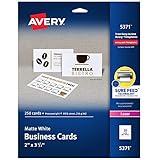


As an Amazon Associate I earn from qualifying purchases.
Prices and availability are accurate as of November 7, 2026 07:31 and are subject to change.
Introduction to Papers for Printing Business Cards
When it comes to printing business cards at home, the type of paper used can greatly impact the final result. With so many options available, it can be overwhelming to choose the right one. The paper used for business cards should be of high quality, durable, and able to produce vibrant colors and crisp text. In this section, we will provide an overview of the different types of papers that can be used for printing business cards at home.
The paper weight and texture are two important factors to consider when selecting a paper for printing business cards. A heavier paper weight is usually preferred as it gives the card a more professional feel. The texture of the paper can also affect the overall appearance of the card, with some papers having a smooth finish and others having a more textured finish. The finish of the paper can also impact the way the ink is absorbed, with some papers being more prone to bleeding or feathering.
In addition to the paper weight and texture, the paper’s brightness and opacity are also important considerations. A brighter paper will produce more vibrant colors, while a paper with high opacity will prevent the ink from bleeding through to the other side. When choosing the best papers for printing business cards at home, it is essential to consider these factors to ensure that the final result is of high quality. Using the best papers for printing business cards at home can make a significant difference in the appearance and durability of the cards.
By understanding the different types of papers available and their characteristics, individuals can make informed decisions when it comes to printing their business cards at home. Whether you are a small business owner, entrepreneur, or freelancer, having high-quality business cards is essential for making a good impression. With the right paper, you can create professional-looking business cards that will help you stand out and make a lasting impression on your clients and customers.
Best Papers For Printing Business Cards At Home – Reviews
The
1. Hammermill Laser Print Business Card Paper
is a popular choice among those who want to print their own business cards at home. It is designed to work well with laser printers and produces high-quality cards with vibrant colors and crisp text. The paper is thick and sturdy, with a weight of 80 gsm, which gives it a professional feel. It is also easy to use, as it comes in a standard 8.5 x 11 inch size that can be easily cut to the desired business card size.
The
1. Hammermill Laser Print Business Card Paper
is a great choice for those who want to create their own business cards without breaking the bank. It is affordable and comes in a variety of pack sizes, making it a great option for both small and large businesses. The paper is also acid-free and lignin-free, which means it will not yellow or degrade over time. This makes it a great choice for businesses that want to create professional-looking cards that will last. Overall, the
1. Hammermill Laser Print Business Card Paper
is a great choice for anyone looking to print their own business cards at home.
The
2. Southworth Business Card Paper
is another great option for those who want to print their own business cards at home. It is designed to work well with both laser and inkjet printers and produces high-quality cards with vibrant colors and crisp text. The paper is thick and sturdy, with a weight of 100 gsm, which gives it a professional feel. It is also easy to use, as it comes in a standard 8.5 x 11 inch size that can be easily cut to the desired business card size.
The
2. Southworth Business Card Paper
is a great choice for those who want to create their own business cards with a bit of texture and flair. It comes in a variety of finishes, including smooth, linen, and laid, which can add a unique touch to business cards. The paper is also acid-free and lignin-free, which means it will not yellow or degrade over time. This makes it a great choice for businesses that want to create professional-looking cards that will last. Overall, the
2. Southworth Business Card Paper
is a great choice for anyone looking to print their own business cards at home with a bit of style.
The
3. Neenah Paper Business Card Paper
is a high-quality paper that is designed to produce professional-looking business cards. It is thick and sturdy, with a weight of 110 gsm, which gives it a premium feel. The paper is also designed to work well with both laser and inkjet printers and produces high-quality cards with vibrant colors and crisp text. It is easy to use, as it comes in a standard 8.5 x 11 inch size that can be easily cut to the desired business card size.
The
3. Neenah Paper Business Card Paper
is a great choice for those who want to create their own business cards with a high-end look and feel. It comes in a variety of colors and finishes, including white, ivory, and gray, which can add a unique touch to business cards. The paper is also acid-free and lignin-free, which means it will not yellow or degrade over time. This makes it a great choice for businesses that want to create professional-looking cards that will last. Overall, the
3. Neenah Paper Business Card Paper
is a great choice for anyone looking to print their own business cards at home with a premium look and feel.
The
4. Avery Business Card Paper
is a popular choice among those who want to print their own business cards at home. It is designed to work well with both laser and inkjet printers and produces high-quality cards with vibrant colors and crisp text. The paper is thick and sturdy, with a weight of 80 gsm, which gives it a professional feel. It is also easy to use, as it comes in a standard 8.5 x 11 inch size that can be easily cut to the desired business card size.
The
4. Avery Business Card Paper
is a great choice for those who want to create their own business cards with ease. It comes with a variety of templates and designs that can be used to create professional-looking cards. The paper is also acid-free and lignin-free, which means it will not yellow or degrade over time. This makes it a great choice for businesses that want to create professional-looking cards that will last. Overall, the
4. Avery Business Card Paper
is a great choice for anyone looking to print their own business cards at home with ease and convenience.
The
5. Mohawk Business Card Paper
is a high-quality paper that is designed to produce professional-looking business cards. It is thick and sturdy, with a weight of 100 gsm, which gives it a premium feel. The paper is also designed to work well with both laser and inkjet printers and produces high-quality cards with vibrant colors and crisp text. It is easy to use, as it comes in a standard 8.5 x 11 inch size that can be easily cut to the desired business card size.
The
5. Mohawk Business Card Paper
is a great choice for those who want to create their own business cards with a unique touch. It comes in a variety of finishes, including smooth, textured, and metallic, which can add a unique touch to business cards. The paper is also acid-free and lignin-free, which means it will not yellow or degrade over time. This makes it a great choice for businesses that want to create professional-looking cards that will last. Overall, the
5. Mohawk Business Card Paper
is a great choice for anyone looking to print their own business cards at home with a high-end look and feel.
Why People Need to Buy Papers for Printing Business Cards at Home
Printing business cards at home can be a convenient and cost-effective way to produce professional-looking cards. However, to achieve the desired quality, it is essential to use the right type of paper. Regular printing paper may not be suitable for business cards, as it can be too thin and may not produce the best results. Therefore, people need to buy special papers that are designed specifically for printing business cards.
The main reason for buying special papers is to ensure that the business cards look professional and are of high quality. Business cards are often the first impression that people get of a company or individual, and a low-quality card can create a negative impression. Special papers for business cards are usually thicker and have a smoother finish, which makes them ideal for printing. They also come in a variety of textures and finishes, such as matte, glossy, and textured, which can add to the overall appearance of the card.
When it comes to printing business cards at home, the type of paper used can make a significant difference in the final result. The best papers for printing business cards at home are designed to produce vibrant colors and sharp images, and are usually compatible with most home printers. They are also designed to be durable and long-lasting, which means that the business cards will not deteriorate quickly. Additionally, special papers for business cards can be cut to size easily, making it simple to produce cards that are the right shape and size.
In conclusion, buying special papers for printing business cards at home is essential for producing high-quality cards that create a professional impression. With the right paper, individuals can produce business cards that are comparable to those produced by professional printers. By using special papers, people can ensure that their business cards look great and will last for a long time. Whether for personal or business use, printing business cards at home can be a convenient and effective way to produce professional-looking cards, as long as the right paper is used.
Types of Paper for Business Cards
Paper for business cards comes in various types, including matte, glossy, and textured. Each type has its unique characteristics and advantages. Matte paper is known for its smooth finish and is often used for business cards that require a professional look. Glossy paper, on the other hand, has a shiny finish and is ideal for business cards that need to stand out. Textured paper has a unique feel and is often used for business cards that require a creative touch.
When choosing the type of paper for business cards, it’s essential to consider the intended use and the image you want to project. For example, if you’re a graphic designer, you may want to use glossy paper to showcase your creative work. On the other hand, if you’re a lawyer or a financial advisor, you may want to use matte paper to project a more professional image.
In addition to the type of paper, the weight of the paper is also an important factor to consider. Business cards can range in weight from 80 gsm to 400 gsm. The heavier the paper, the more durable and professional it will look. However, heavier paper can also be more expensive.
The finish of the paper is also an important consideration. Some papers have a UV coating that protects them from fading and makes them more durable. Others have a spot varnish that adds a touch of elegance and sophistication. When choosing the finish, consider the intended use of the business cards and the image you want to project.
Benefits of Printing Business Cards at Home
Printing business cards at home has several benefits, including convenience, cost-effectiveness, and flexibility. With a home printer, you can print business cards whenever you need them, without having to wait for a commercial printer to deliver them. This is especially useful for entrepreneurs and small business owners who need to make a quick impression.
Another benefit of printing business cards at home is that it’s cost-effective. You can buy paper and ink in bulk and print business cards as needed, without having to pay for a minimum order quantity. This can save you a significant amount of money, especially if you only need a small quantity of business cards.
Printing business cards at home also gives you the flexibility to design and print your cards as you like. You can use your favorite design software to create a unique design, and then print it on your home printer. This allows you to stand out from the crowd and make a lasting impression.
In addition to these benefits, printing business cards at home also allows you to make changes quickly and easily. If you need to update your contact information or make changes to your design, you can simply print new business cards at home, without having to wait for a commercial printer to make the changes.
Factors to Consider When Choosing Paper for Business Cards
When choosing paper for business cards, there are several factors to consider, including the type of printer you have, the intended use of the business cards, and your personal preferences. If you have an inkjet printer, you’ll want to choose paper that’s specifically designed for inkjet printers. This type of paper is usually coated with a special layer that helps the ink dry quickly and prevents it from smudging.
Another factor to consider is the intended use of the business cards. If you’ll be using them for a formal event or a professional conference, you may want to choose a heavier, more durable paper. On the other hand, if you’ll be using them for a casual event or a social gathering, you may be able to get away with a lighter, less expensive paper.
Your personal preferences also play a role in choosing paper for business cards. If you like the feel of textured paper, you may want to choose a paper with a unique texture. If you prefer a more traditional look, you may want to choose a smooth, matte paper.
In addition to these factors, the brand and quality of the paper are also important considerations. Look for papers from reputable manufacturers that have a reputation for producing high-quality products. Avoid cheap, flimsy papers that may not print well or may not last long.
Tips for Printing Business Cards at Home
Printing business cards at home requires some skill and practice, but with the right tips and techniques, you can produce high-quality business cards that look professional and polished. One of the most important tips is to use high-quality paper that’s specifically designed for printing business cards. This type of paper is usually thicker and more durable than regular paper, and it’s designed to produce vibrant, detailed prints.
Another tip is to use the right settings on your printer. Make sure you’re using the correct paper size and type, and that you’re printing at the highest quality setting. You may also want to experiment with different print settings, such as the amount of ink used or the drying time, to get the best results.
In addition to these tips, it’s also important to design your business cards carefully. Use a clear, easy-to-read font, and make sure your contact information is up-to-date and accurate. You may also want to include a logo or other graphic element to make your business cards more visually appealing.
To ensure that your business cards print correctly, make sure to align the paper properly in your printer, and that you’re using the correct orientation. You may also want to print a test page before printing your business cards to make sure everything looks correct. With these tips and techniques, you can produce high-quality business cards at home that look professional and polished.
Best Papers For Printing Business Cards At Home Buying Guide
When it comes to printing business cards at home, the type of paper used can greatly affect the overall quality and appearance of the final product. With so many options available, it can be overwhelming to choose the right paper for your needs. In this guide, we will discuss the key factors to consider when buying papers for printing business cards at home, helping you make an informed decision and achieve professional-looking results.
Material and Texture
The material and texture of the paper are crucial in determining the overall look and feel of your business cards. You can choose from a variety of materials, including cardstock, matte paper, and glossy paper. Cardstock is a popular choice for business cards as it is thick and sturdy, making it more durable and less prone to bending. On the other hand, matte paper and glossy paper offer a more traditional look and feel, with matte paper being less reflective and glossy paper being more vibrant.
When choosing the material and texture of your paper, consider the image and message you want to convey with your business cards. For example, if you are a creative professional, you may want to choose a paper with a unique texture or finish to stand out from the crowd. If you are a corporate professional, you may want to stick with a more traditional and professional-looking paper. Ultimately, the material and texture of your paper should reflect your personal brand and style, and help you make a lasting impression on potential clients and customers.
Weight and Thickness
The weight and thickness of the paper are also important factors to consider when buying papers for printing business cards at home. The weight of the paper is typically measured in grams per square meter (gsm), with heavier papers being more durable and less prone to bending. The thickness of the paper, on the other hand, is typically measured in points (pt), with thicker papers being more sturdy and less likely to show through.
When choosing the weight and thickness of your paper, consider the intended use of your business cards. If you plan to use them for networking events or conferences, you may want to choose a heavier and thicker paper to make a more lasting impression. If you plan to use them for everyday use, a lighter and thinner paper may be sufficient. It’s also worth noting that the weight and thickness of the paper can affect the printing process, with heavier and thicker papers requiring more ink and potentially causing jamming issues with your printer.
Finish and Coating
The finish and coating of the paper can greatly affect the appearance and durability of your business cards. You can choose from a variety of finishes, including matte, glossy, and lamination. Matte finishes are less reflective and offer a more subtle look, while glossy finishes are more vibrant and attention-grabbing. Lamination, on the other hand, offers a protective coating that can help extend the life of your business cards and make them more resistant to wear and tear.
When choosing the finish and coating of your paper, consider the image and message you want to convey with your business cards. For example, if you are a photographer or graphic designer, you may want to choose a glossy finish to showcase your work in the best possible light. If you are a corporate professional, you may want to stick with a matte finish to convey a sense of professionalism and sophistication. It’s also worth noting that the finish and coating of the paper can affect the printing process, with some finishes and coatings requiring special ink or printing settings.
Size and Orientation
The size and orientation of the paper are also important factors to consider when buying papers for printing business cards at home. The standard size for business cards is 3.5 x 2 inches, but you can choose from a variety of sizes and orientations to suit your needs. You can also choose from different orientations, including portrait and landscape, to add some visual interest to your business cards.
When choosing the size and orientation of your paper, consider the design and layout of your business cards. For example, if you have a lot of information to include on your business cards, you may want to choose a larger size to accommodate everything. If you have a simple design, a smaller size may be sufficient. It’s also worth noting that the size and orientation of the paper can affect the printing process, with some sizes and orientations requiring special printing settings or templates.
Color and Brightness
The color and brightness of the paper can greatly affect the appearance of your business cards. You can choose from a variety of colors, including white, cream, and gray, to suit your needs. The brightness of the paper, on the other hand, is typically measured in percentage, with higher percentages indicating a brighter and more vibrant paper.
When choosing the color and brightness of your paper, consider the design and layout of your business cards. For example, if you have a lot of dark or bold colors in your design, you may want to choose a brighter paper to make them stand out. If you have a lot of light or pastel colors, a less bright paper may be sufficient. It’s also worth noting that the color and brightness of the paper can affect the printing process, with some colors and brightness levels requiring special ink or printing settings.
Brand and Compatibility
The brand and compatibility of the paper are also important factors to consider when buying the best papers for printing business cards at home. You can choose from a variety of brands, including HP, Epson, and Canon, to suit your needs. The compatibility of the paper, on the other hand, refers to its ability to work with your printer and printing settings.
When choosing the brand and compatibility of your paper, consider the type of printer you have and the printing settings you use. For example, if you have an HP printer, you may want to choose HP paper to ensure compatibility and optimal printing results. If you have an Epson printer, you may want to choose Epson paper for the same reasons. It’s also worth noting that the brand and compatibility of the paper can affect the quality and durability of your business cards, with some brands and types of paper offering better results than others.
FAQ
What type of paper is best for printing business cards at home?
The best type of paper for printing business cards at home depends on the desired finish and durability. For a professional look, it’s recommended to use cardstock paper with a weight of at least 80 gsm. This type of paper is thicker and more durable than regular printer paper, making it ideal for business cards. Additionally, cardstock paper comes in a variety of finishes, such as matte, glossy, and textured, allowing you to choose the one that best suits your needs.
When choosing a cardstock paper, consider the color and texture of the paper, as well as any special features you may need, such as waterproofing or UV resistance. It’s also important to ensure that the paper is compatible with your printer, so be sure to check the specifications before making a purchase. By selecting the right type of paper, you can create high-quality business cards at home that make a great impression.
What is the difference between matte and glossy paper for business cards?
The main difference between matte and glossy paper for business cards is the finish. Matte paper has a flat, non-reflective finish, while glossy paper has a shiny, reflective finish. Matte paper is often preferred for business cards because it is easier to read and write on, and it doesn’t show fingerprints or smudges as easily as glossy paper. On the other hand, glossy paper can make colors appear more vibrant and can add a touch of sophistication to your business cards.
When deciding between matte and glossy paper, consider the design and content of your business cards. If you have a lot of text or intricate designs, matte paper may be a better choice. However, if you have a lot of images or want to make a bold statement, glossy paper could be the way to go. Ultimately, the choice between matte and glossy paper comes down to personal preference and the image you want to project with your business cards. By choosing the right finish, you can create business cards that effectively communicate your message and make a lasting impression.
Can I use regular printer paper for printing business cards?
While it’s technically possible to use regular printer paper for printing business cards, it’s not recommended. Regular printer paper is typically too thin and flimsy to produce high-quality business cards. It may also not be able to withstand handling and may tear or bend easily. Additionally, regular printer paper may not produce the best print quality, with colors and text potentially appearing faded or blurry.
For professional-looking business cards, it’s best to use a heavier weight paper, such as cardstock or cover stock. These types of paper are specifically designed for printing business cards and other marketing materials, and they offer a more durable and long-lasting finish. If you’re looking to save money, consider purchasing a pack of business card paper that includes templates and perforations to make it easy to print and cut your cards. By using the right type of paper, you can create business cards that look great and make a positive impression.
How do I choose the right weight of paper for my business cards?
Choosing the right weight of paper for your business cards depends on the desired level of durability and thickness. Paper weight is measured in grams per square meter (gsm), with higher weights indicating thicker and more durable paper. For business cards, a weight of at least 80 gsm is recommended, but you can go up to 300 gsm or more for a very thick and luxurious feel.
When selecting a paper weight, consider how you plan to use your business cards. If you’ll be handing them out frequently or mailing them, a heavier weight paper may be a good choice. On the other hand, if you’re looking for a more budget-friendly option, a lighter weight paper may be sufficient. It’s also important to ensure that your printer can handle the weight of the paper you choose, so be sure to check the specifications before making a purchase. By choosing the right paper weight, you can create business cards that are both durable and professional-looking.
Can I print business cards on both sides of the paper?
Yes, you can print business cards on both sides of the paper, a process known as duplex printing. To do this, you’ll need a printer that supports duplex printing, as well as paper that is designed for double-sided printing. When printing on both sides, make sure to adjust the settings on your printer to ensure that the ink or toner doesn’t bleed through to the other side.
When designing your business cards for duplex printing, consider how the two sides will work together. You may want to put your contact information on one side and a logo or image on the other, or you may want to use the second side for a call to action or a special promotion. By printing on both sides of the paper, you can create business cards that are both informative and eye-catching, making a great impression on potential customers. Just be sure to proofread carefully to ensure that the text and images are correctly aligned and look good on both sides.
How do I cut my business cards after printing?
After printing your business cards, you’ll need to cut them to size. There are several ways to do this, depending on the type of paper you’re using and the equipment you have available. One option is to use a paper cutter or trimmer, which can be purchased at most office supply stores. You can also use scissors or a craft knife, but these methods can be more time-consuming and may not produce as clean a cut.
For a professional-looking finish, consider using a business card cutter or a perforated business card paper that makes it easy to separate the individual cards. These types of papers are designed with perforations that allow you to easily tear or cut the cards apart, making it simple to create a batch of uniform business cards. By using the right cutting method, you can create business cards that look great and are easy to hand out to potential customers. Just be sure to handle the cards carefully to avoid bending or damaging them.
Verdict
In today’s fast-paced business world, having professional-looking business cards is crucial for making a lasting impression on potential clients and partners. Printing business cards at home can be a convenient and cost-effective way to produce high-quality cards, as long as you have the right materials. With the numerous options available in the market, choosing the right paper can be overwhelming, especially for those who are new to DIY business card printing. However, by considering factors such as paper weight, finish, and compatibility with your printer, you can create business cards that rival those produced by professional printing services.
By investing in the best papers for printing business cards at home, you can take your DIY business card printing to the next level and produce cards that accurately represent your brand and profession. With the help of this guide, you can make an informed decision and select the perfect paper for your needs, whether you’re a freelancer, entrepreneur, or small business owner. Remember, the key to producing high-quality business cards is to use paper that is designed specifically for printing business cards, and with the right paper, you can create professional-looking cards that help you stand out from the competition and achieve your business goals.