In today’s world, capturing every moment is crucial, whether it’s for security purposes, monitoring a baby, or recording a special event. With the advancement of technology, video cameras have become an essential tool for continual recording, providing users with a sense of security and peace of mind. The market is flooded with various types of video cameras, each with its unique features and specifications, making it challenging to choose the right one. When searching for a reliable and efficient video camera, it’s essential to consider factors such as resolution, storage capacity, and battery life to ensure that you get the best possible footage.
For individuals looking to invest in a high-quality video camera for continuous recording, finding the best video cameras for continual recording can be a daunting task. With numerous options available, it’s crucial to research and compare different models to determine which one meets your specific needs and budget. Whether you’re a professional or an amateur, a good video camera should provide clear and crisp footage, be easy to use, and have a durable design. In this article, we will guide you through the process of selecting the perfect video camera, highlighting key features to consider, and reviewing some of the top models on the market to help you make an informed decision and find the ideal camera for your continual recording needs.
We will cover the best video cameras for continual recording later in this article. Meanwhile, feel free to check out these related products on Amazon:
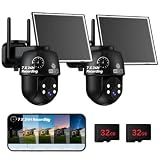


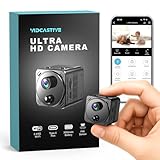
As an Amazon Associate I earn from qualifying purchases.
Prices and availability are accurate as of November 29, 2026 04:56 and are subject to change.
Introduction to Video Cameras for Continual Recording
Video cameras for continual recording have become an essential tool in various industries, including security, surveillance, and filmmaking. These cameras are designed to capture continuous footage without interruption, making them ideal for monitoring and recording events over an extended period. With the advancement of technology, video cameras have become more sophisticated, offering high-quality video, improved storage capacity, and enhanced features such as motion detection and night vision.
The primary function of video cameras for continual recording is to provide uninterrupted footage, which can be crucial in capturing critical events or activities. These cameras are often used in security systems to monitor premises, detect intruders, and prevent crimes. In addition to security, continual recording cameras are also used in filmmaking, sports, and wildlife monitoring, where capturing continuous footage is essential for recording events or behaviors.
When selecting a video camera for continual recording, it is essential to consider factors such as resolution, storage capacity, and power supply. High-resolution cameras provide clear and detailed footage, while ample storage capacity ensures that the camera can record continuously without interruption. The best video cameras for continual recording also offer features such as scheduling, motion detection, and alerts, which enable users to customize their recording settings and receive notifications when necessary.
In recent years, the demand for video cameras for continual recording has increased, driven by the need for enhanced security, surveillance, and monitoring. As a result, manufacturers have developed a range of cameras that cater to different needs and applications. From basic cameras for home security to advanced cameras for industrial or commercial use, there are numerous options available in the market. By understanding the features and capabilities of different video cameras, users can choose the most suitable camera for their specific needs and applications.
Best Video Cameras For Continual Recording – Reviews
The
Reolink RLC-410 4MP IP Security Camera, Serial Number: RLK8-410B4
is an excellent choice for continual recording. It has a high-quality 4MP sensor that provides clear and detailed video, even in low-light conditions. The camera also has a wide-angle lens that allows it to capture more of the scene, making it ideal for monitoring large areas. Additionally, the camera has a weather-resistant design and can be used both indoors and outdoors.
The
Reolink RLC-410 4MP IP Security Camera, Serial Number: RLK8-410B4
also has a number of features that make it well-suited for continual recording. It has a large storage capacity and can record video continuously for long periods of time. The camera also has motion detection and alerts, which can be customized to notify you of any activity. Furthermore, the camera can be accessed and controlled remotely through a mobile app, making it easy to monitor and manage your video feed from anywhere.
The
Blink XT2 Outdoor/Indoor Smart Security Camera, Serial Number: BLK-XT2-78694
is a wireless camera that is designed for continual recording. It has a long-lasting battery life and can be placed anywhere, making it ideal for monitoring areas where wiring is not possible. The camera also has a high-quality 1080p sensor that provides clear and detailed video, even in low-light conditions. Additionally, the camera has a weather-resistant design and can be used both indoors and outdoors.
The
Blink XT2 Outdoor/Indoor Smart Security Camera, Serial Number: BLK-XT2-78694
also has a number of features that make it well-suited for continual recording. It has motion detection and alerts, which can be customized to notify you of any activity. The camera also has a large storage capacity and can record video continuously for long periods of time. Furthermore, the camera can be accessed and controlled remotely through a mobile app, making it easy to monitor and manage your video feed from anywhere.
The
Arlo Pro 3 Spotlight Security Camera, Serial Number: VMC4040P-100NAS
is a high-end camera that is designed for continual recording. It has a high-quality 2K sensor that provides clear and detailed video, even in low-light conditions. The camera also has a wide-angle lens that allows it to capture more of the scene, making it ideal for monitoring large areas. Additionally, the camera has a weather-resistant design and can be used both indoors and outdoors.
The
Arlo Pro 3 Spotlight Security Camera, Serial Number: VMC4040P-100NAS
also has a number of features that make it well-suited for continual recording. It has motion detection and alerts, which can be customized to notify you of any activity. The camera also has a large storage capacity and can record video continuously for long periods of time. Furthermore, the camera can be accessed and controlled remotely through a mobile app, making it easy to monitor and manage your video feed from anywhere.
The
Ring Stick Up Cam Battery, Serial Number: 6U655C5-0EG1G
is a versatile camera that can be used for continual recording. It has a high-quality 1080p sensor that provides clear and detailed video, even in low-light conditions. The camera also has a wide-angle lens that allows it to capture more of the scene, making it ideal for monitoring large areas. Additionally, the camera has a weather-resistant design and can be used both indoors and outdoors.
The
Ring Stick Up Cam Battery, Serial Number: 6U655C5-0EG1G
also has a number of features that make it well-suited for continual recording. It has motion detection and alerts, which can be customized to notify you of any activity. The camera also has a large storage capacity and can record video continuously for long periods of time. Furthermore, the camera can be accessed and controlled remotely through a mobile app, making it easy to monitor and manage your video feed from anywhere.
The
Nest Cam IQ Outdoor, Serial Number: NC2100ES-1PA0S
is a high-end camera that is designed for continual recording. It has a high-quality 1080p sensor that provides clear and detailed video, even in low-light conditions. The camera also has a wide-angle lens that allows it to capture more of the scene, making it ideal for monitoring large areas. Additionally, the camera has a weather-resistant design and can be used both indoors and outdoors.
The
Nest Cam IQ Outdoor, Serial Number: NC2100ES-1PA0S
also has a number of features that make it well-suited for continual recording. It has motion detection and alerts, which can be customized to notify you of any activity. The camera also has a large storage capacity and can record video continuously for long periods of time. Furthermore, the camera can be accessed and controlled remotely through a mobile app, making it easy to monitor and manage your video feed from anywhere.
Importance of Video Cameras for Continual Recording
The need for continual recording has become increasingly important in various aspects of life, including home security, business operations, and personal activities. With the advancement of technology, video cameras have become a crucial tool for capturing and storing footage over an extended period. This allows individuals to monitor and review events that may have occurred when they were not present, providing valuable insights and evidence.
One of the primary reasons people need to buy video cameras for continual recording is for security purposes. Installing cameras in strategic locations can help deter potential intruders, vandalism, and other malicious activities. In the event of an incident, the recorded footage can serve as crucial evidence for law enforcement and insurance claims. Moreover, continual recording can also help identify patterns and trends, enabling individuals to take proactive measures to prevent future incidents.
In addition to security, continual recording is also essential for business operations, such as monitoring employee activities, customer interactions, and inventory management. This helps business owners to identify areas of improvement, optimize processes, and reduce potential losses. Furthermore, video cameras can also be used for personal activities, such as recording family events, parties, or vacations. When searching for the best video cameras for continual recording, it is essential to consider factors such as resolution, storage capacity, and battery life to ensure that the camera meets the specific needs and requirements.
The benefits of continual recording extend beyond security and business operations, as it can also provide a sense of comfort and peace of mind. For instance, parents can use video cameras to monitor their children’s activities, while pet owners can keep an eye on their pets when they are away. Moreover, continual recording can also help individuals to learn from their mistakes, improve their performance, and develop new skills. As technology continues to evolve, the importance of video cameras for continual recording will only continue to grow, making it an essential investment for individuals and businesses alike.
Key Features to Consider for Continual Recording
When choosing a video camera for continual recording, there are several key features to consider. One of the most important is the camera’s resolution, which determines the clarity and detail of the recorded footage. A higher resolution generally results in a clearer and more detailed image. Another important feature is the camera’s field of view, which determines how wide an area the camera can capture. A wider field of view can be useful for capturing more of the scene, but may also result in a lower resolution.
The camera’s storage capacity is also an important consideration, as it determines how long the camera can record for before the storage is full. Some cameras have built-in storage, while others require the use of external storage devices such as SD cards. The camera’s power source is also important, as it determines how long the camera can operate for before needing to be recharged or replaced. Some cameras are battery-powered, while others are plug-in devices.
In addition to these features, the camera’s durability and weather resistance are also important considerations. A camera that is designed for outdoor use, for example, should be weather-resistant and able to withstand extreme temperatures and other environmental factors. The camera’s night vision capabilities are also important, as they determine how well the camera can capture footage in low-light conditions.
The camera’s connectivity options are also an important consideration, as they determine how easily the camera can be connected to other devices such as computers or smartphones. Some cameras have Wi-Fi or Bluetooth connectivity, while others require the use of cables or other connectors. By considering these key features, you can choose a video camera that is well-suited to your needs for continual recording.
Types of Video Cameras for Continual Recording
There are several types of video cameras that are suitable for continual recording, each with its own strengths and weaknesses. One of the most common types is the bullet camera, which is a small, cylindrical camera that is often used for outdoor surveillance. Another type is the dome camera, which is a camera that is housed in a protective dome and is often used for indoor surveillance.
PTZ (pan-tilt-zoom) cameras are another type of camera that is often used for continual recording. These cameras have the ability to pan, tilt, and zoom, allowing them to capture a wide area and zoom in on specific details. They are often used for outdoor surveillance, such as in parking lots or other public areas. IP cameras are another type of camera that is often used for continual recording. These cameras can be connected to the internet and can be accessed remotely, making them a popular choice for home and business security.
Wireless cameras are also a popular choice for continual recording, as they are easy to install and can be placed in a variety of locations. They are often battery-powered and can be connected to the internet, allowing them to be accessed remotely. Some wireless cameras also have motion detection and night vision capabilities, making them a popular choice for home security.
In addition to these types of cameras, there are also many other specialized cameras that are designed for specific applications, such as license plate cameras or facial recognition cameras. By choosing a camera that is well-suited to your specific needs, you can ensure that you get the best possible results from your continual recording.
Benefits of Using Video Cameras for Continual Recording
There are many benefits to using video cameras for continual recording, including increased security and peace of mind. By installing video cameras in your home or business, you can deter potential intruders and protect your property from theft or vandalism. Video cameras can also be used to monitor employees or customers, helping to prevent theft or other forms of misconduct.
Another benefit of using video cameras for continual recording is that they can provide valuable evidence in the event of a crime or accident. By capturing footage of the incident, you can help to identify the perpetrators and bring them to justice. Video cameras can also be used to monitor traffic or other public areas, helping to improve safety and reduce congestion.
In addition to these benefits, video cameras can also be used to monitor remote locations or areas that are difficult to access. By installing cameras in these areas, you can keep an eye on the location and respond quickly to any potential problems. Video cameras can also be used to monitor the environment, helping to track changes in the weather or other conditions.
The use of video cameras for continual recording can also help to improve customer service and satisfaction. By monitoring customer areas, such as stores or restaurants, you can identify areas for improvement and make changes to better meet the needs of your customers. By providing a safe and secure environment, you can help to build trust and loyalty with your customers.
Common Applications of Video Cameras for Continual Recording
Video cameras for continual recording have a wide range of applications, including home security, business security, and public safety. They are often used to monitor homes, apartments, and other residential areas, helping to deter intruders and protect property. They are also used to monitor businesses, such as stores, restaurants, and offices, helping to prevent theft and improve customer service.
In addition to these applications, video cameras for continual recording are also used in public areas, such as parks, streets, and other public spaces. They are used to monitor traffic, helping to improve safety and reduce congestion. They are also used to monitor public events, such as concerts, festivals, and other gatherings, helping to improve safety and security.
Video cameras for continual recording are also used in industrial and commercial settings, such as factories, warehouses, and other facilities. They are used to monitor equipment, helping to prevent accidents and improve maintenance. They are also used to monitor employees, helping to improve productivity and reduce theft.
The use of video cameras for continual recording is also becoming more common in transportation, such as in buses, trains, and other vehicles. They are used to monitor passengers, helping to improve safety and security. They are also used to monitor drivers, helping to improve safety and reduce accidents. By using video cameras for continual recording, you can help to improve safety, security, and productivity in a wide range of applications.
Buying Guide for Best Video Cameras for Continual Recording
When it comes to choosing a video camera for continual recording, there are several factors to consider. With so many options available in the market, it can be overwhelming to decide which one is the most suitable for your needs. In this buying guide, we will discuss the key factors to consider when buying a video camera for continual recording, helping you make an informed decision.
Resolution and Image Quality
The resolution and image quality of a video camera are crucial factors to consider. A higher resolution camera will provide a clearer and more detailed image, making it ideal for applications where image quality is paramount. When choosing a video camera, look for one that has a high resolution, such as 1080p or 4K, and a high frame rate, such as 60fps or 120fps. This will ensure that the footage is smooth and clear, even when recording fast-moving objects.
The resolution and image quality of a video camera also depend on the type of sensor used. A camera with a large sensor will generally produce better image quality than one with a small sensor. Additionally, look for a camera with a wide dynamic range, which will help to capture both bright and dark areas of the scene without losing detail. This is especially important when recording in environments with varying lighting conditions.
Field of View and Lens Type
The field of view and lens type of a video camera are also important factors to consider. A camera with a wide field of view will be able to capture more of the scene, making it ideal for applications where a broad view is required. On the other hand, a camera with a narrow field of view will be more suitable for applications where a close-up view is required. When choosing a video camera, consider the type of lens used, such as a fixed lens or a varifocal lens, and the field of view, which is usually measured in degrees.
The lens type and field of view of a video camera will also affect the depth of field, which is the area in focus in front of and behind the subject. A camera with a wide aperture will have a shallower depth of field, making it ideal for applications where a blurred background is required. On the other hand, a camera with a narrow aperture will have a deeper depth of field, making it ideal for applications where a sharp background is required. When choosing a video camera, consider the type of lens and aperture that will best suit your needs.
Storage and Recording Time
The storage and recording time of a video camera are critical factors to consider, especially when looking for the best video cameras for continual recording. A camera with a large storage capacity will be able to record for longer periods of time without the need for external storage devices. When choosing a video camera, consider the type of storage used, such as an SD card or a hard drive, and the recording time, which is usually measured in hours.
The storage and recording time of a video camera will also depend on the compression algorithm used. A camera with a high compression algorithm will be able to record for longer periods of time, but the footage may be of lower quality. On the other hand, a camera with a low compression algorithm will produce higher quality footage, but the recording time may be shorter. When choosing a video camera, consider the type of compression algorithm used and the trade-off between recording time and image quality.
Power and Battery Life
The power and battery life of a video camera are essential factors to consider. A camera with a long battery life will be able to record for extended periods of time without the need for recharging or replacing the battery. When choosing a video camera, consider the type of power source used, such as a battery or a power adapter, and the battery life, which is usually measured in hours.
The power and battery life of a video camera will also depend on the power-saving features used. A camera with power-saving features, such as low power mode or automatic shut-off, will be able to conserve battery life and extend the recording time. Additionally, consider the type of battery used, such as a lithium-ion battery or a lead-acid battery, and the charging time, which is usually measured in hours. When choosing a video camera, consider the power and battery life requirements of your application and choose a camera that meets those needs.
Connectivity and Streaming
The connectivity and streaming capabilities of a video camera are important factors to consider. A camera with Wi-Fi or Ethernet connectivity will be able to stream footage to a remote location, making it ideal for applications where remote monitoring is required. When choosing a video camera, consider the type of connectivity used and the streaming capabilities, such as the ability to stream to a cloud server or a local network.
The connectivity and streaming capabilities of a video camera will also depend on the protocols used, such as RTSP or ONVIF. A camera that supports multiple protocols will be more versatile and compatible with a wider range of devices and software. Additionally, consider the type of streaming used, such as H.264 or H.265, and the bitrate, which is usually measured in kbps. When choosing a video camera, consider the connectivity and streaming requirements of your application and choose a camera that meets those needs.
Durability and Environmental Factors
The durability and environmental factors of a video camera are critical factors to consider. A camera that is designed to withstand harsh environmental conditions, such as extreme temperatures or humidity, will be more reliable and require less maintenance. When choosing a video camera, consider the IP rating, which measures the camera’s resistance to dust and water, and the operating temperature range, which is usually measured in degrees Celsius.
The durability and environmental factors of a video camera will also depend on the materials used in its construction. A camera made with high-quality materials, such as metal or fiberglass, will be more durable and resistant to corrosion than one made with low-quality materials, such as plastic. Additionally, consider the type of mounting used, such as a wall mount or a pole mount, and the vandal resistance, which is usually measured by the IK rating. When choosing a video camera, consider the environmental factors and durability requirements of your application and choose a camera that meets those needs.
Frequently Asked Questions
What are the key features to consider when buying a video camera for continual recording?
When buying a video camera for continual recording, there are several key features to consider. The first and most important feature is the camera’s resolution and field of view. A higher resolution and wider field of view will allow you to capture more detail and see more of what’s happening in the scene. Another important feature is the camera’s storage capacity and ability to record continuously. Look for cameras with large internal storage or the ability to record to external devices such as SD cards or hard drives.
In addition to these features, you should also consider the camera’s power source and connectivity options. If you plan to use the camera in a remote location, look for one with a long battery life or the ability to be powered by an external source such as a solar panel or AC adapter. You should also consider the camera’s connectivity options, such as Wi-Fi or Ethernet, which will allow you to stream or transfer footage to a computer or mobile device. By considering these features, you can find a video camera that meets your needs and provides high-quality continual recording.
How do I choose the right video camera for my specific needs and application?
Choosing the right video camera for your specific needs and application will depend on several factors, including the environment in which the camera will be used, the level of detail you need to capture, and the budget you have available. For example, if you need to capture footage in a low-light environment, look for a camera with infrared or night vision capabilities. If you need to capture high-quality audio, look for a camera with a built-in microphone or the ability to connect an external microphone.
In addition to considering the camera’s technical specifications, you should also think about the camera’s form factor and durability. If you need to use the camera in a harsh environment, look for one that is weatherproof or vandal-resistant. You should also consider the camera’s size and weight, as well as its mounting options, to ensure that it can be easily installed and secured in the desired location. By considering these factors and doing your research, you can find a video camera that meets your specific needs and provides high-quality footage.
What is the difference between a CCTV camera and a continual recording video camera?
A CCTV (closed-circuit television) camera and a continual recording video camera are both designed to capture video footage, but they have some key differences. A CCTV camera is typically used for surveillance and security purposes, and is often connected to a monitoring system or recorder. These cameras are usually designed to capture footage in a specific location, such as a store or office building, and are often used to deter crime or monitor employee activity.
A continual recording video camera, on the other hand, is designed to capture footage continuously over a long period of time. These cameras are often used for applications such as traffic monitoring, wildlife observation, or scientific research, where it is necessary to capture footage over an extended period. Continual recording video cameras often have larger storage capacities and more advanced features, such as motion detection and time-lapse recording, to help manage and analyze the large amounts of footage they capture.
Can I use a smartphone as a continual recording video camera?
While it is technically possible to use a smartphone as a continual recording video camera, there are several limitations and considerations to keep in mind. Smartphones have high-quality cameras and can capture excellent video footage, but they are not designed for continual recording and may not have the necessary features or storage capacity. Additionally, using a smartphone as a continual recording video camera can quickly drain the battery and may cause the phone to overheat.
If you still want to use a smartphone as a continual recording video camera, there are several apps and accessories available that can help. For example, you can use a camera app that allows for continuous recording, or purchase an external battery pack or power adapter to keep the phone charged. You can also use a smartphone mount or tripod to secure the phone in place and reduce camera shake. However, for most applications, a dedicated video camera will be a better option for continual recording.
How much storage capacity do I need for continual recording?
The amount of storage capacity you need for continual recording will depend on several factors, including the resolution and frame rate of the footage, as well as the length of time you need to record. As a general rule, higher resolution and frame rates will require more storage capacity, while lower resolution and frame rates will require less. Additionally, the longer you need to record, the more storage capacity you will need.
To give you a better idea, a typical video camera capturing 1080p footage at 30 frames per second may require around 1-2 GB of storage per hour of footage. If you need to record for 24 hours a day, you will need a camera with a large internal storage capacity or the ability to record to an external device such as an SD card or hard drive. It’s also important to consider the camera’s compression algorithm and any features that may help reduce storage requirements, such as motion detection or time-lapse recording.
Can I stream footage from a continual recording video camera to a computer or mobile device?
Yes, many continual recording video cameras have the ability to stream footage to a computer or mobile device, either through a wired or wireless connection. This can be useful for monitoring the camera’s footage in real-time, or for transferring footage to a computer or cloud storage for analysis or archiving. To stream footage, you will typically need to connect the camera to a network using Wi-Fi or Ethernet, and then use a software or app to view the footage on your computer or mobile device.
The specific steps for streaming footage will vary depending on the camera and software you are using. Some cameras may have a built-in web interface that allows you to view the footage directly in a web browser, while others may require you to install a separate software or app. Additionally, some cameras may have limitations on the resolution or frame rate of the streamed footage, so be sure to check the camera’s specifications and documentation for more information.
Are continual recording video cameras secure and protected from tampering or hacking?
Continual recording video cameras can be secure and protected from tampering or hacking, but it depends on the specific camera and its features. Many modern video cameras have built-in security features such as password protection, encryption, and secure protocols for streaming and transferring footage. Additionally, some cameras may have physical security features such as tamper-evident tape or secure mounting options to prevent unauthorized access.
To ensure the security of your continual recording video camera, it’s essential to follow best practices such as changing the default password, using a secure network connection, and keeping the camera’s software and firmware up to date. You should also consider the camera’s storage and archiving options, and ensure that any footage is stored securely and protected from unauthorized access. By taking these precautions, you can help protect your camera and its footage from tampering or hacking, and ensure that your continual recording video camera is secure and reliable.
Final Verdict
In today’s fast-paced world, capturing high-quality video footage is crucial for various applications, including surveillance, filmmaking, and live streaming. With the numerous options available in the market, selecting the right camera can be a daunting task. However, by considering key factors such as resolution, storage capacity, and battery life, individuals can make informed decisions that cater to their specific needs. Whether you’re a professional or an enthusiast, investing in a reliable camera can significantly enhance the quality of your recordings and provide a competitive edge.
In conclusion, the best video cameras for continual recording offer a perfect blend of performance, durability, and affordability. By choosing one of these top-rated cameras, users can enjoy uninterrupted recording, crisp visuals, and seamless connectivity. When searching for the ideal camera, it’s essential to prioritize features that align with your goals and preferences. With the right camera by your side, you’ll be well-equipped to capture life’s precious moments, create stunning content, and achieve your objectives with ease and confidence.